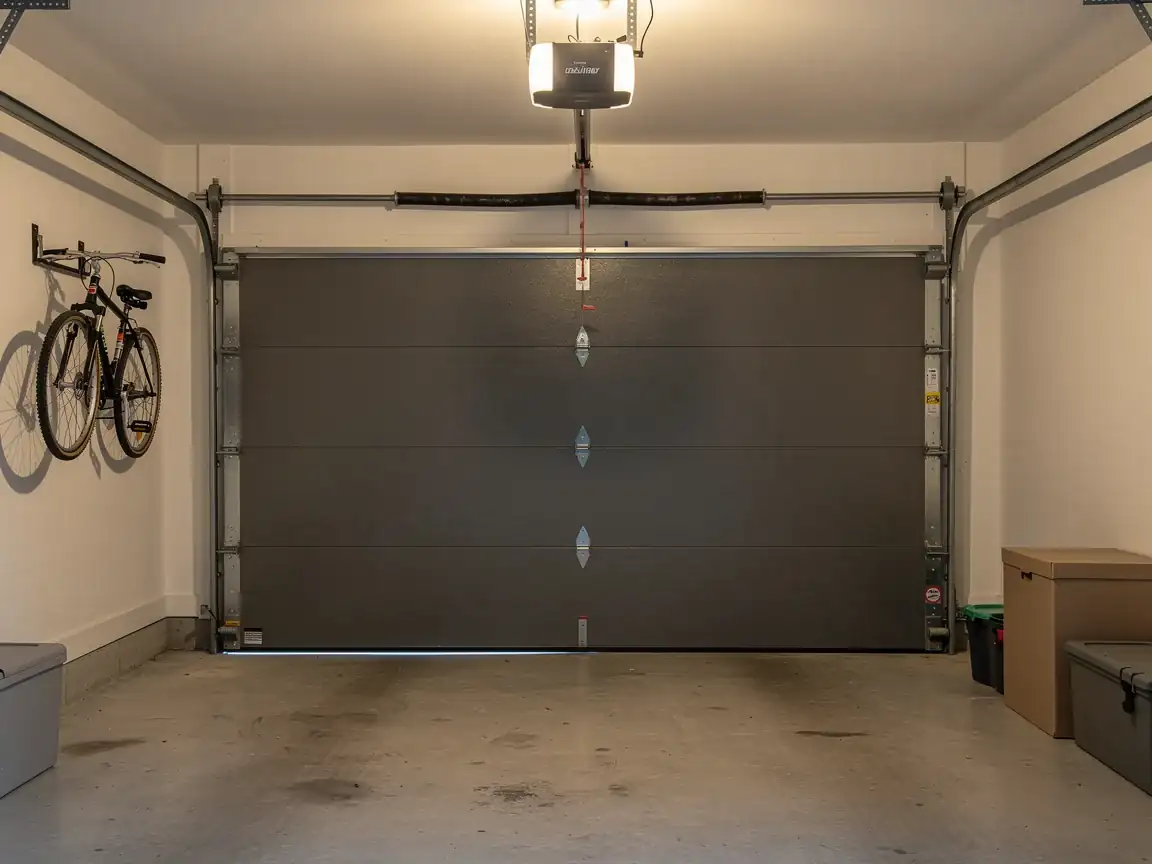
Thorndale homes mostly went up around 1976, later than much of the service area. We travel 8 miles from West Chester for spring, opener, and panel repairs built for that era's hardware.
We run out of West Chester, about 8 miles from Thorndale. We don't keep a depot or a crew stationed out here, so we're not going to tell you a number we can't back up for how fast a truck shows up on your street. What we can tell you is that the drive is short enough that Thorndale is a normal stop on our day, not a special trip we tack a surcharge onto.
If your spring goes at 7am on a work day, call early. We route the day as calls come in, and a 20-minute job on a torsion spring gets slotted in around bigger jobs like full door replacements. Same-day is common, not promised.
One honest limitation: if a part has to be special-ordered - certain opener boards, odd-width panels - that's a manufacturer lead time, not something we control, and it can push a repair out a few days even after we've diagnosed it.
This Area's Housing
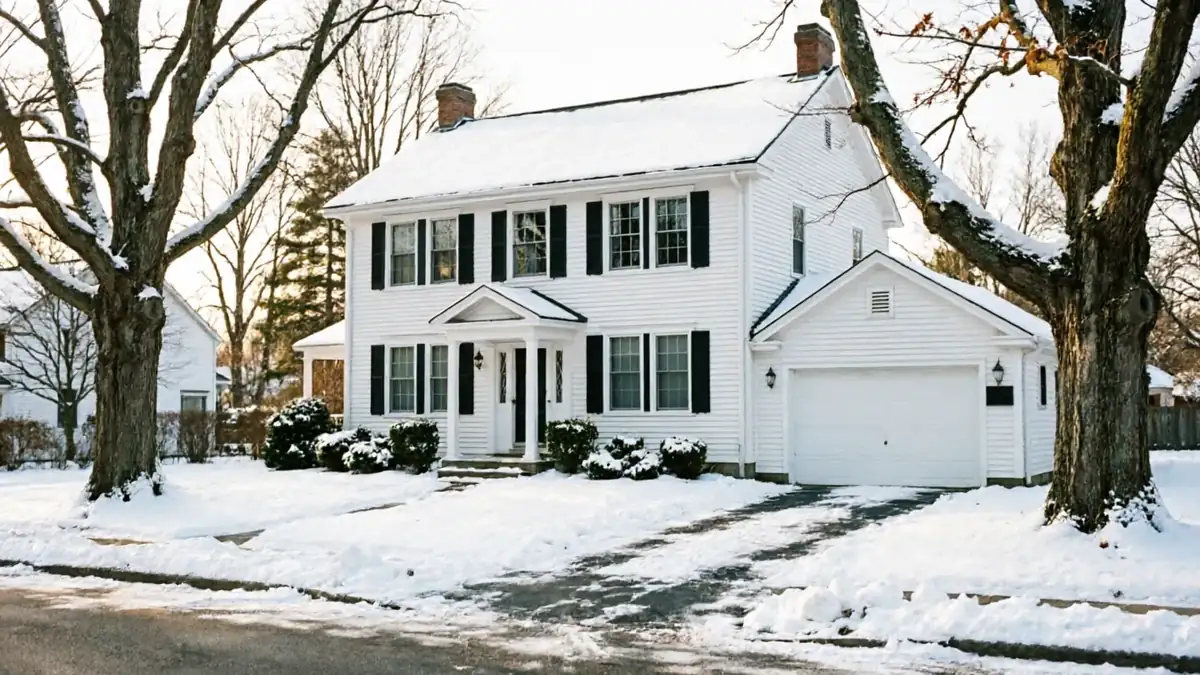
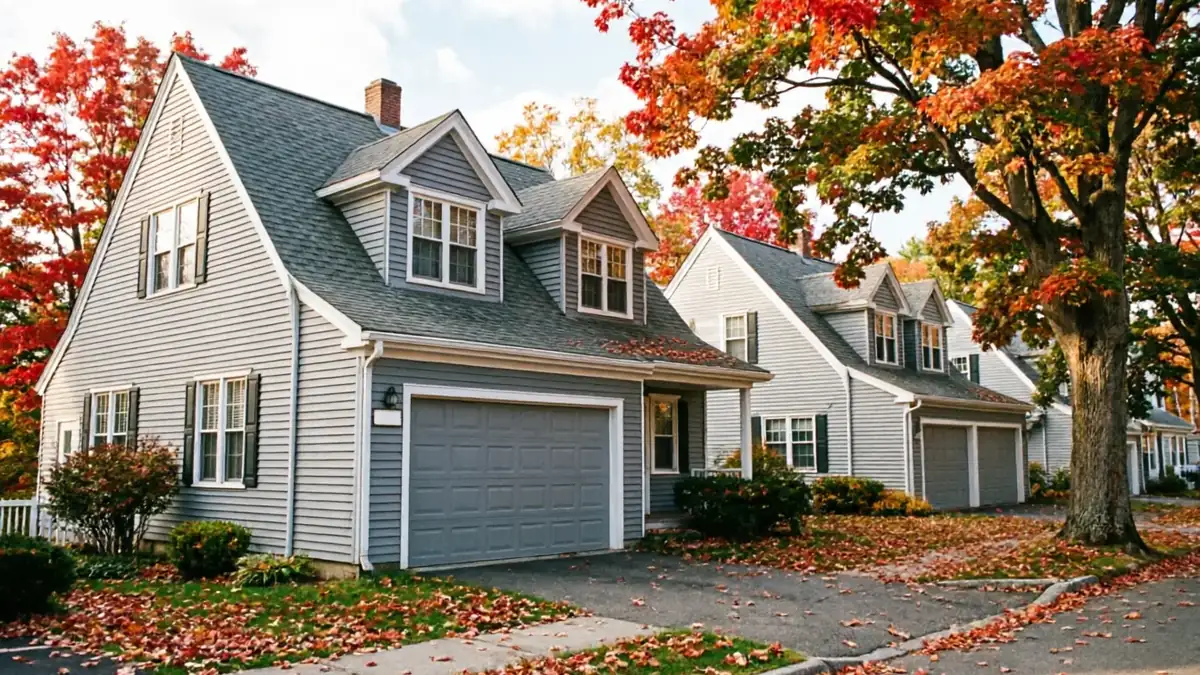
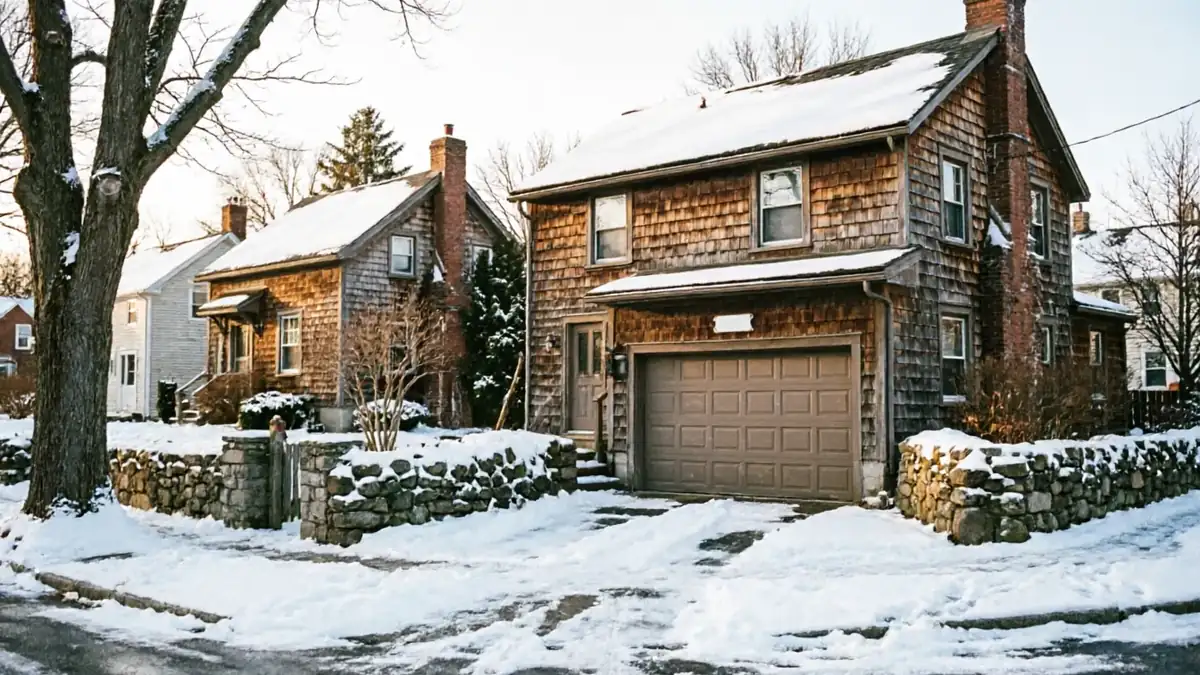
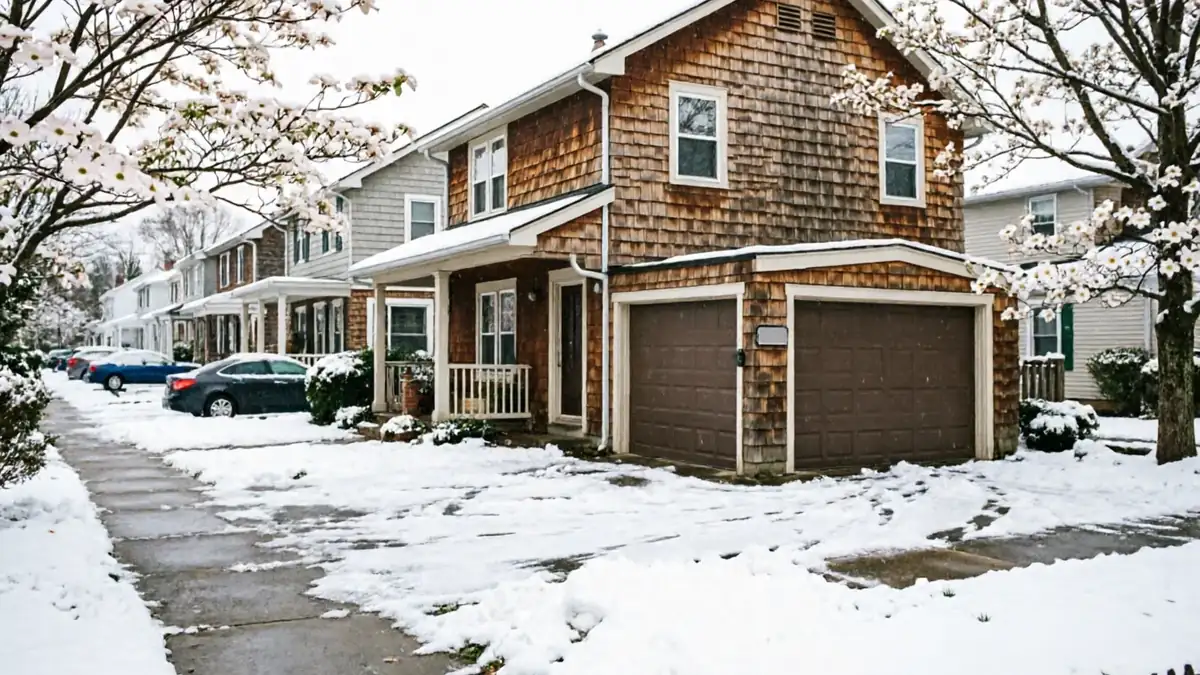
Thorndale's housing skews newer than a lot of what we see across the wider service area. Where the broader footprint runs median build year 1960 with plenty of 1938-era stock mixed in, Thorndale's median is closer to 1976. That's a real gap - roughly a decade and a half later - and it shows up in the garage.
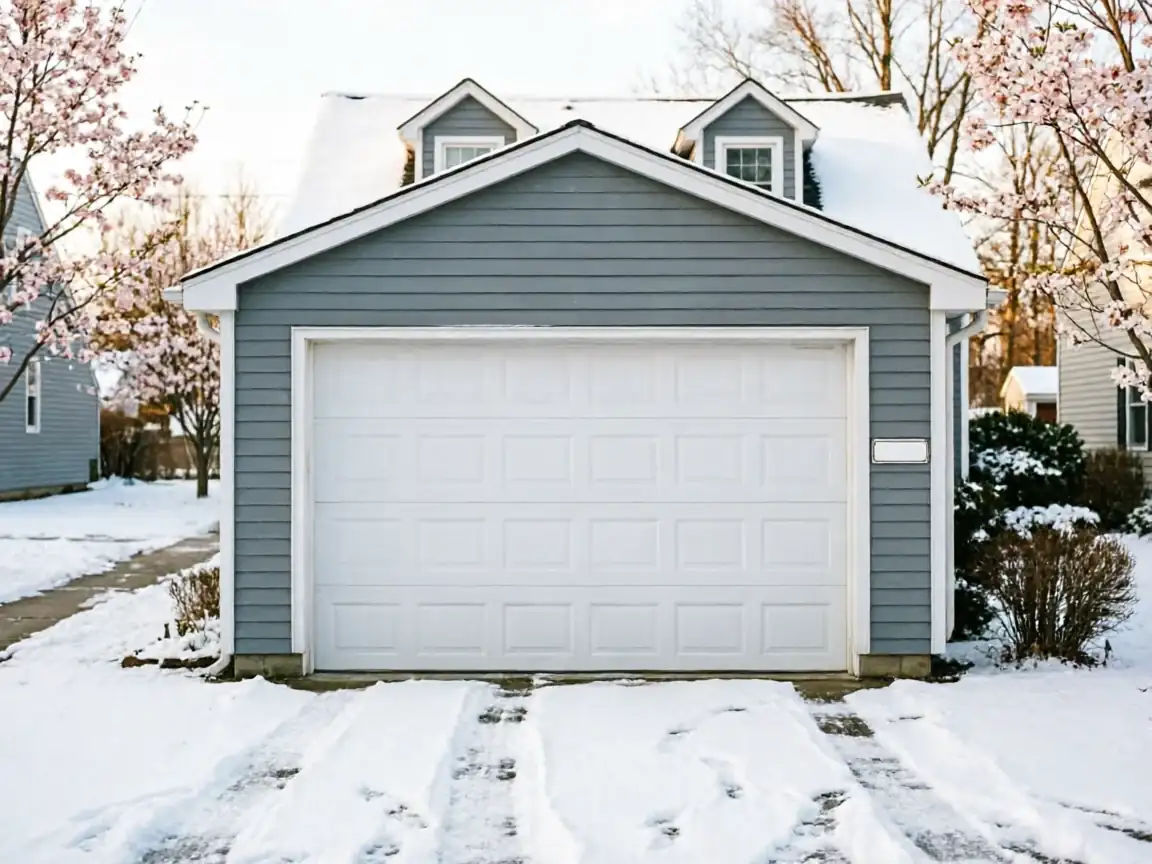
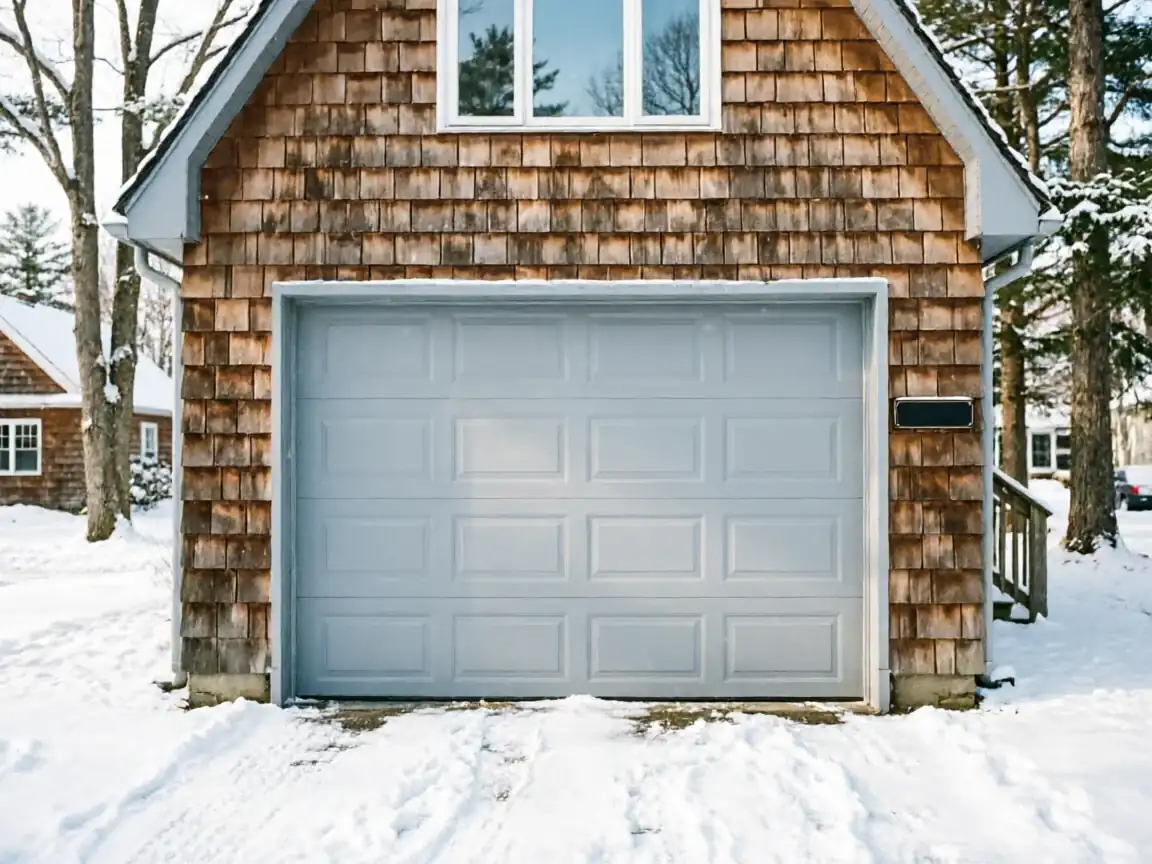
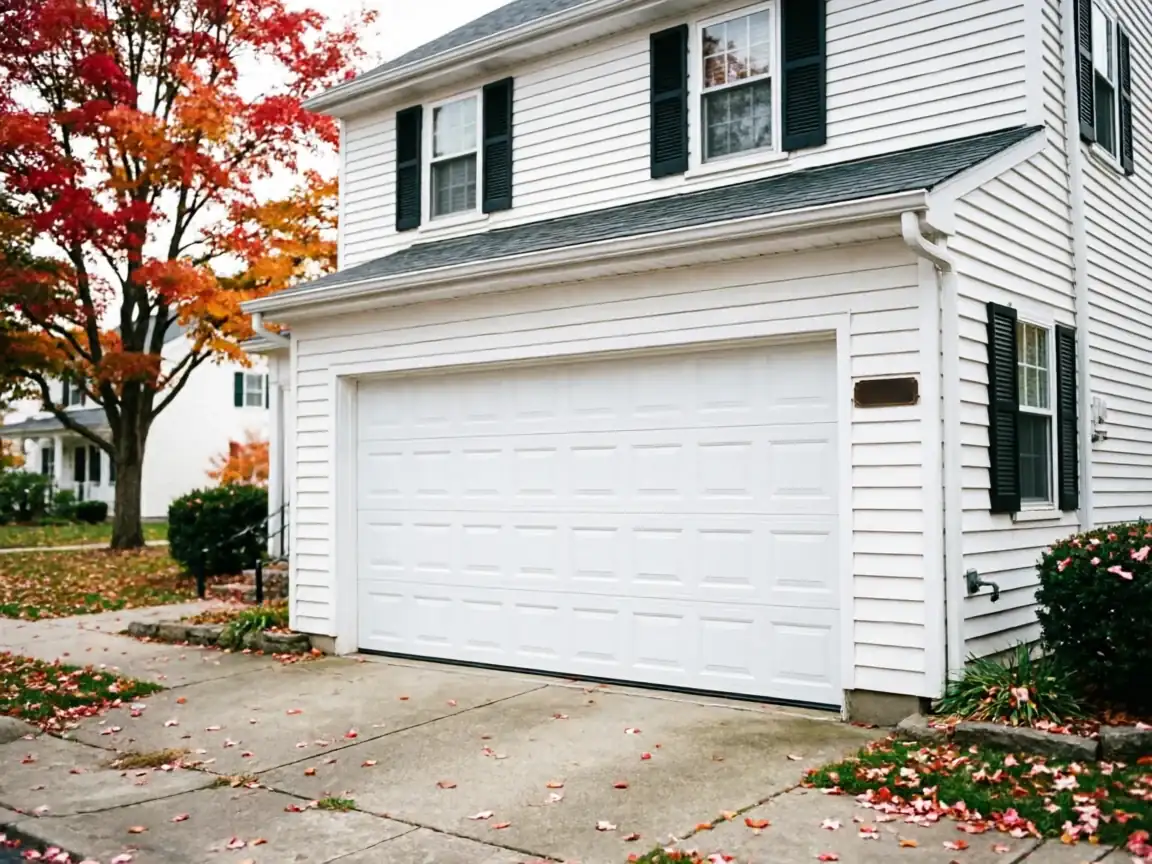
With around 1,533 households in Thorndale and a median income near $107,995, this isn't a neighborhood of original one-piece wood doors on side-mounted torsion hardware the way some of the older pockets nearby are. Mid-1970s construction means most garages here were built with the extension-spring or early torsion setups common to that decade, steel sectional doors rather than wood, and openers that have usually already been swapped once or twice since the house was built.
That later build date also means slab widths and headroom clearances follow 1970s-era standard garage dimensions rather than the tighter, non-standard openings you find in pre-war construction. It makes parts sourcing more predictable here than in some of the older sections of the service area.
What the Housing Means for Your Door
01
Because Thorndale's garages mostly date to the mid-1970s
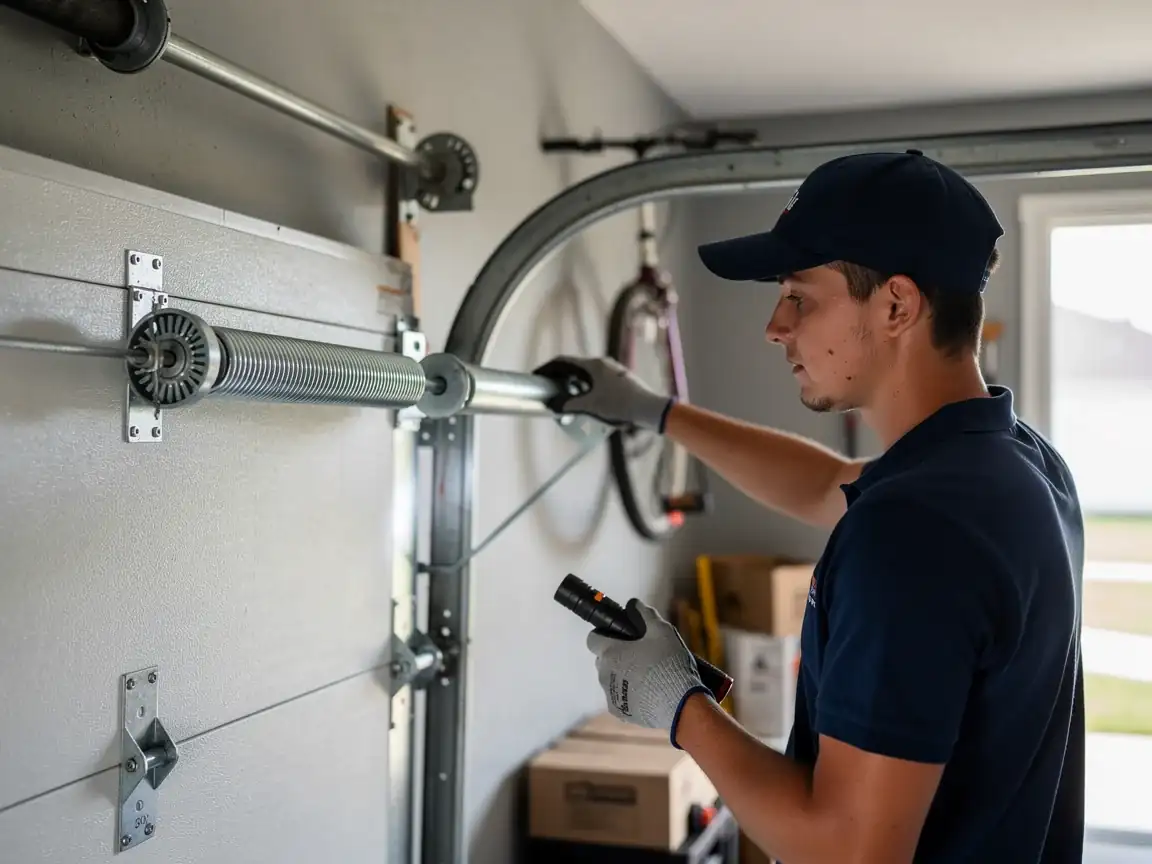
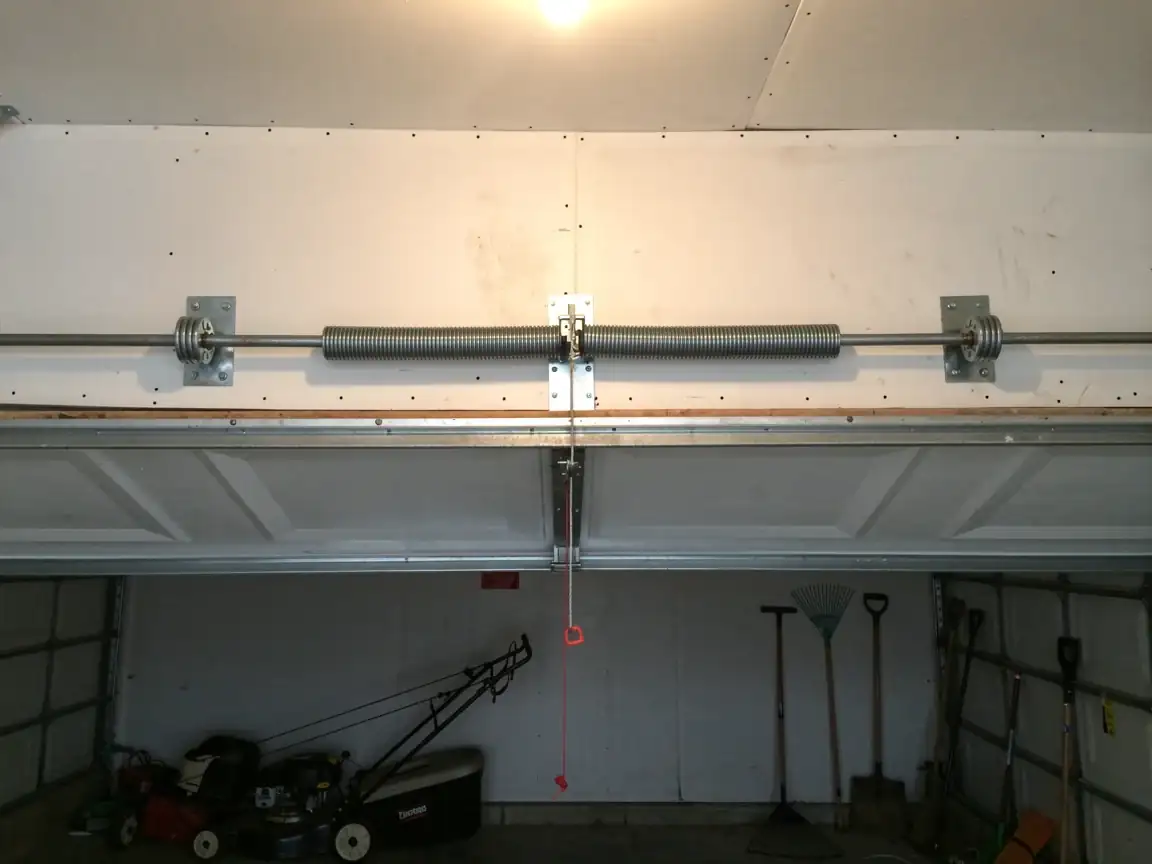
The failures we see trend toward age-of-equipment problems rather than age-of-house problems. A door installed new in 1976 and never replaced is now pushing fifty years old - that's past the service life of the torsion springs even if the door itself still looks fine, and well past it for the original opener motor if that's somehow still in place.
02
Steel panels from that era also tend to be a single layer with no insulation
Which matters here given the cold winters this region gets - a non-insulated steel door in a severe-cold climate band transmits a lot of temperature swing straight into an attached garage, and the metal itself fatigues and dents more on the older gauge steel than on what's sold today.
03
We're not going to tell every Thorndale homeowner they need a full replacement
If the track is straight, the hardware is torsion (not the older extension-spring style that needs more frequent service), and the panels aren't rusted through, a spring and roller job usually gets another decade out of a door built in this window.
What Neighbours Usually Call About
The calls we get from this part of the service area run a fairly consistent pattern tied to that 1970s build date. Broken torsion springs top the list - expected, since a spring rated for a certain cycle count installed around 1976 is well past due regardless of how the door looks. Second most common is opener failure, usually a motor or logic board on a unit that's already a replacement for whatever came with the house.
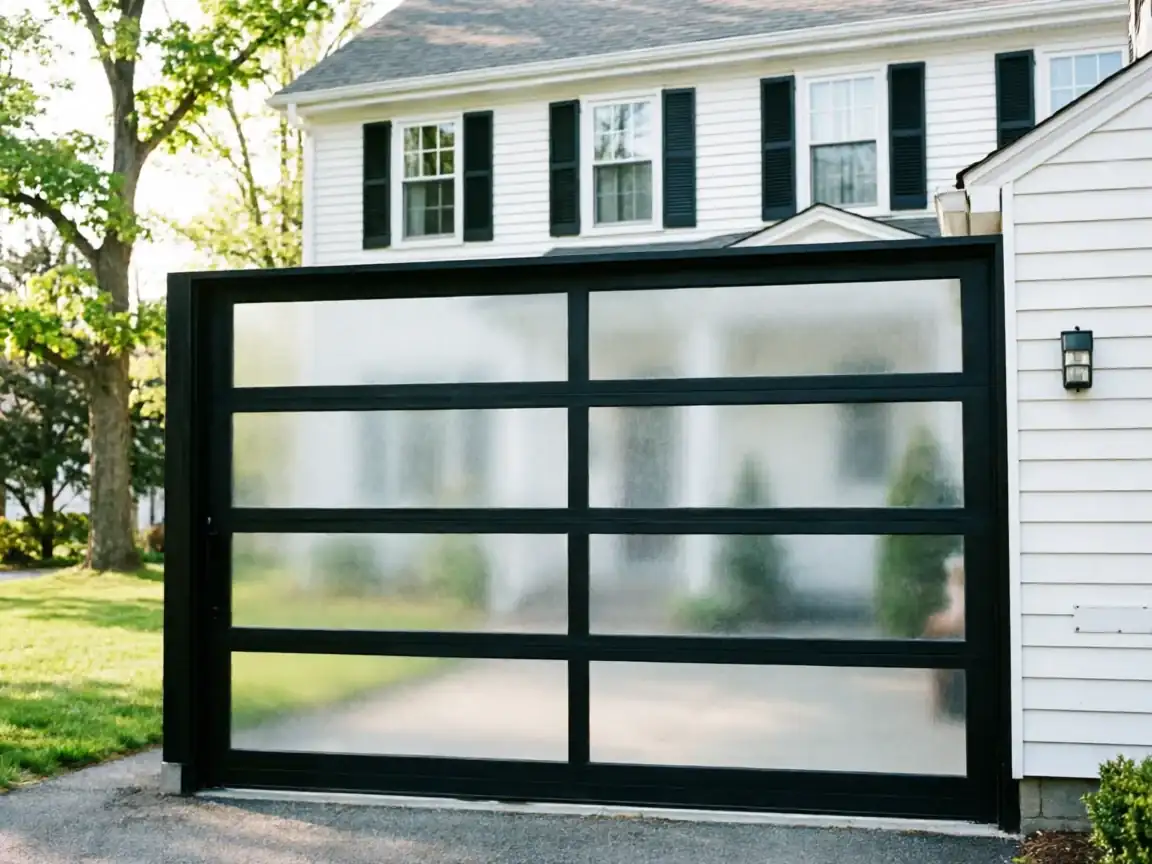
We also get a fair number of calls about noisy rollers and worn cables, which on a steel door this age is normal wear rather than anything installed wrong. Less common, but it shows up: owners wanting to swap a non-insulated 1970s steel door for something insulated, given how exposed an attached garage gets in a hard winter here.
What we see less of in Thorndale than in the older pockets of the service area is structural track or frame damage from decades of settling - newer framing holds truer, so most jobs here are hardware, not carpentry.
How it works
From “it’s stuck” to “it’s fixed”
01
Tell us what’s wrong
Describe the symptom - won’t open, loud bang, opener runs but the door won’t move.
02
On-site diagnosis
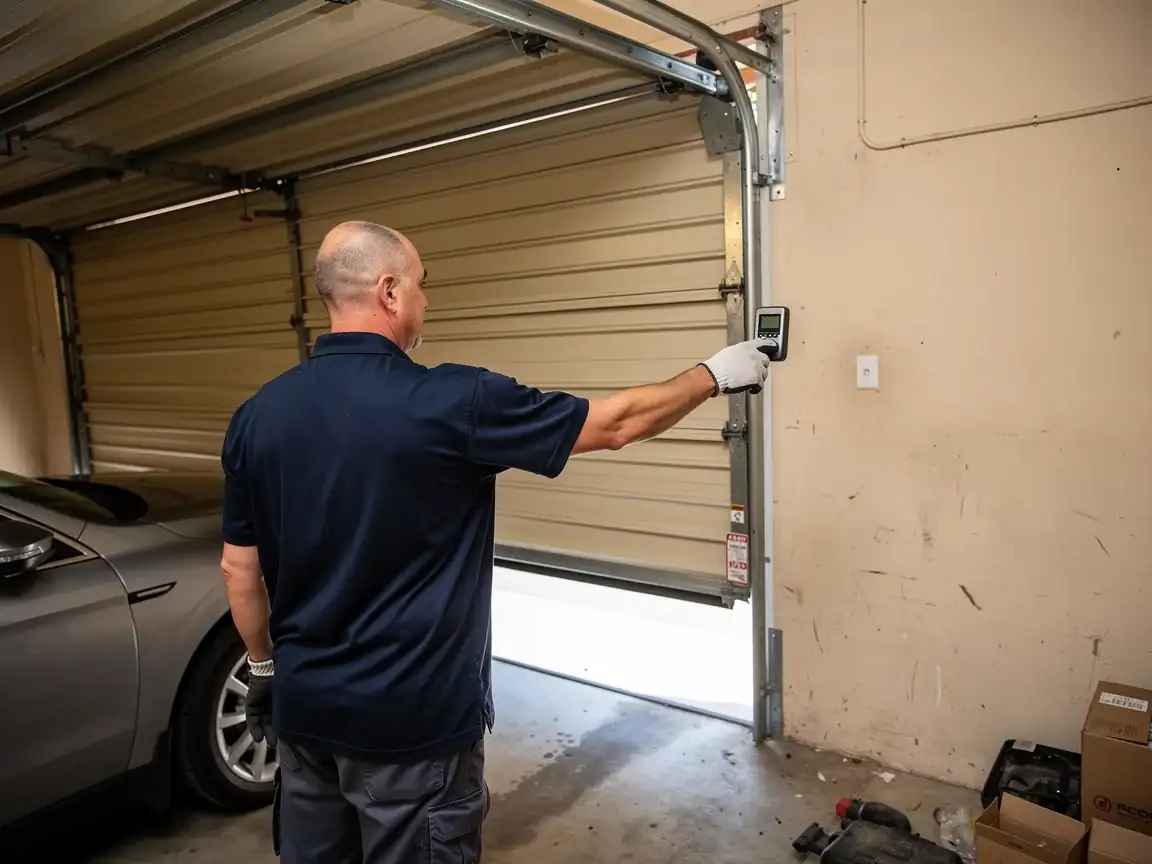
A technician tests the door under power and by hand and finds what actually failed.
03
Clear, up-front plan
You get the fix that’s needed and what drives the cost - before any work starts.
04
Repaired & tested
The repair is done, the door is set true and tested, and the work area left clean.
Not sure which repair your door needs in West Chester, PA? Describe what it’s doing - every job starts with a diagnosis.
Straight answers about garage door repair in West Chester. Still unsure? Ask us directly.
How far out is Thorndale for your crew?
About 8 miles from our base in West Chester. We don't operate a separate location here, so it's a drive-out call like the rest of the service area, not a dedicated local response - but it's a short enough trip that Thorndale fits easily into a normal day's routing.
Why does my 1970s garage door need a new spring already?
Torsion springs are rated by cycle count, not calendar years, but a door installed around 1976 has had five decades to use up that rating even with light use. If your spring has never been replaced, it's overdue regardless of how the door looks from the driveway.
Should I replace or repair my original steel door?
If the track is straight and the panels aren't rusted through, a spring and roller service usually extends a 1970s-era steel door another decade. If it's uninsulated and you're fighting cold in the garage every winter, replacement with an insulated door is worth pricing out instead.