Garage Door Opener Repair for West Chester's Older Homes
Opener repair for West Chester homes built 1938-1996, where cold winters and original hardware push openers past their limit. Same service across the area.
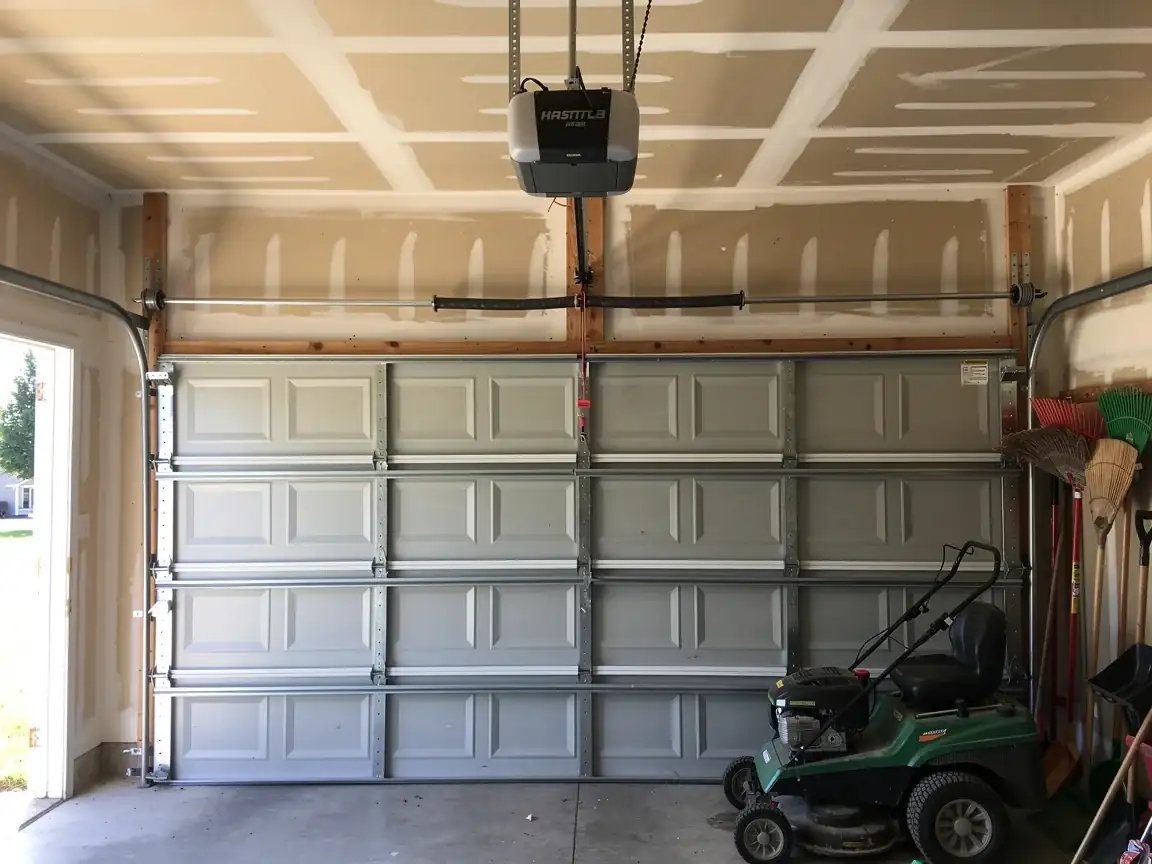
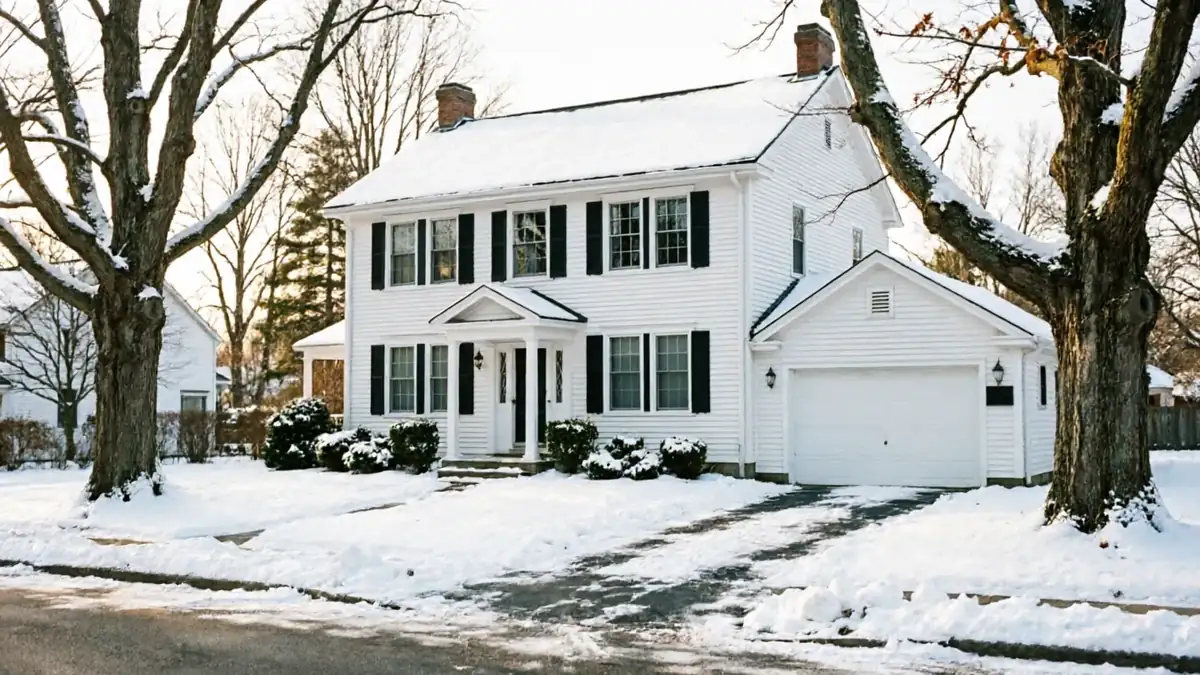
Most of the housing stock in this part of Chester County went up between 1938 and 1996, with a lot of it clustered in the 1960s and 70s across the 74 named areas we work in. That matters for openers because a chain-drive unit installed when a house was built in 1962 has outlived its gears, its circuit board, and usually its sense of timing. We still get calls where the opener itself isn't original, but the bracket, header mount, or rail is - leftover from a door swap that never touched the drive hardware.
Cold is the other half of it. This area sits in a severe cold climate band, and that means real freeze-thaw cycles every winter. Grease inside an opener's gearbox thickens when the garage drops into the 20s, and a motor that's already working against a stiff mechanism starts pulling more current than it should. Capacitors in older logic boards don't love that stress either. We see a seasonal bump in opener calls every year that tracks straight with the first hard cold snap, not with any one brand failing.
None of this means every old opener is doomed. Plenty of 20-year-old units still run fine if they've been maintained. But if your opener is original to a 1960s build and it's starting to hesitate, grind, or reverse on its own, the age and the cold are usually working together, not separately.
How Long It Takes
A straight opener repair - logic board, motor capacitor, limit switch, drive gear - is usually a single visit. We diagnose on site, and if the part is common we carry it on the truck. Where it runs longer is when the opener is old enough that the manufacturer doesn't make the exact board or gear kit anymore, which happens more often here given how much of the opener stock dates back decades. In that case we're looking at a full opener swap rather than a repair, and we'll tell you that up front instead of billing you for a patch that won't hold through next winter.
We don't give a blanket number for every job because the failure modes aren't the same. A dead capacitor is a fast fix. A stripped drive gear on a chain unit is a fast fix. A control board that's corroded from age and condensation sometimes means we're waiting on a part, and we won't pretend otherwise.
What the Repair Takes
01
Before anything gets replaced, we test the opener under load
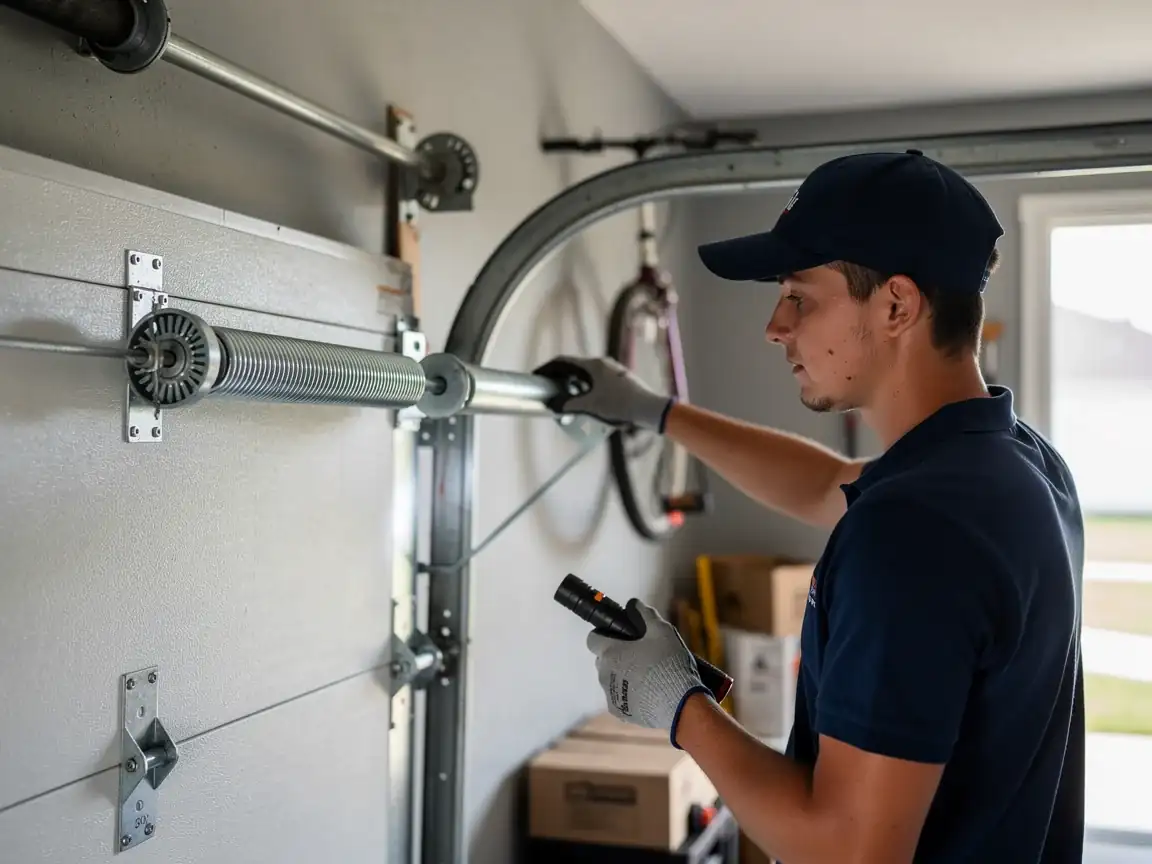
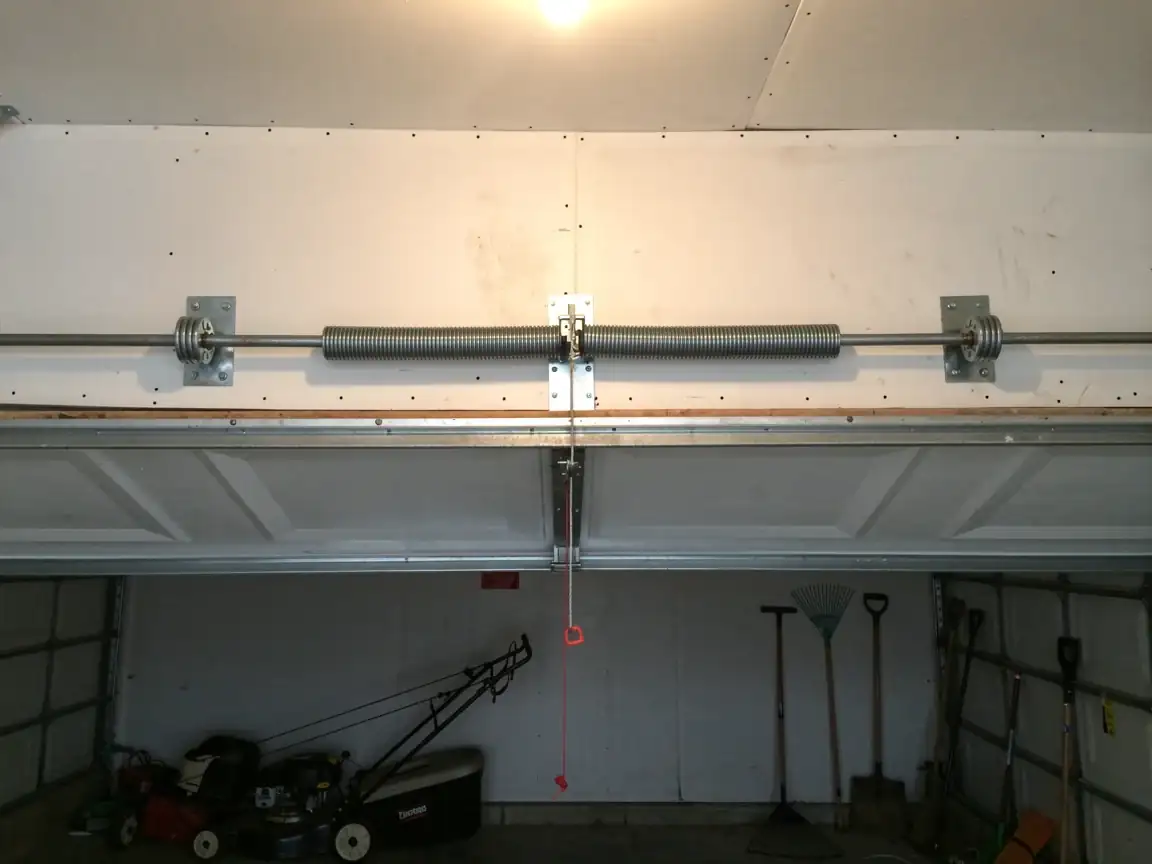
Not just by pressing the button, but by watching how the motor responds when the door is partway open, where most of the spring tension and weight actually sit. A lot of opener complaints turn out to be spring or track problems wearing out the motor, not the opener failing on its own. We check for that first because replacing a board on a unit that's fighting bad spring tension just means you're back to a service call in a few months.
02
Once we've confirmed it's the opener itself, the work is specific to what failed
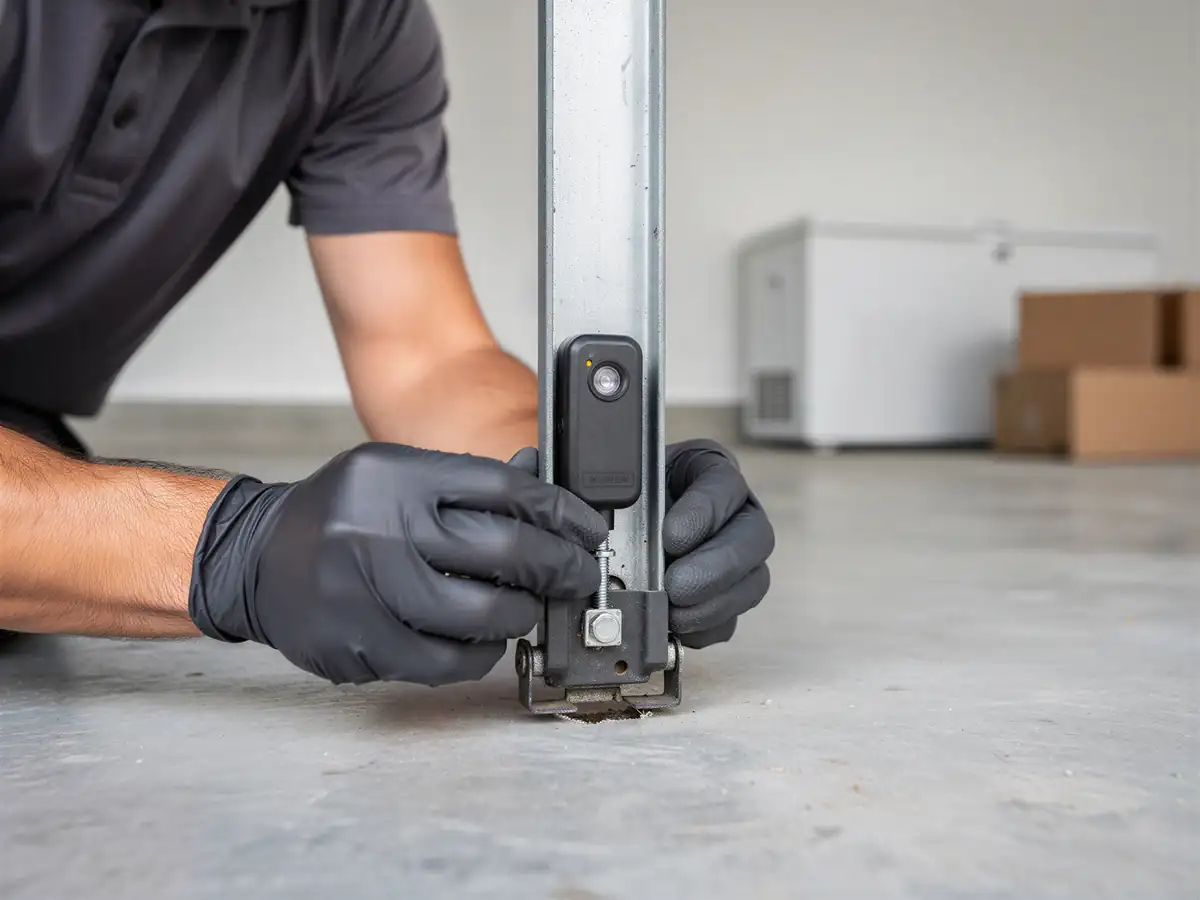
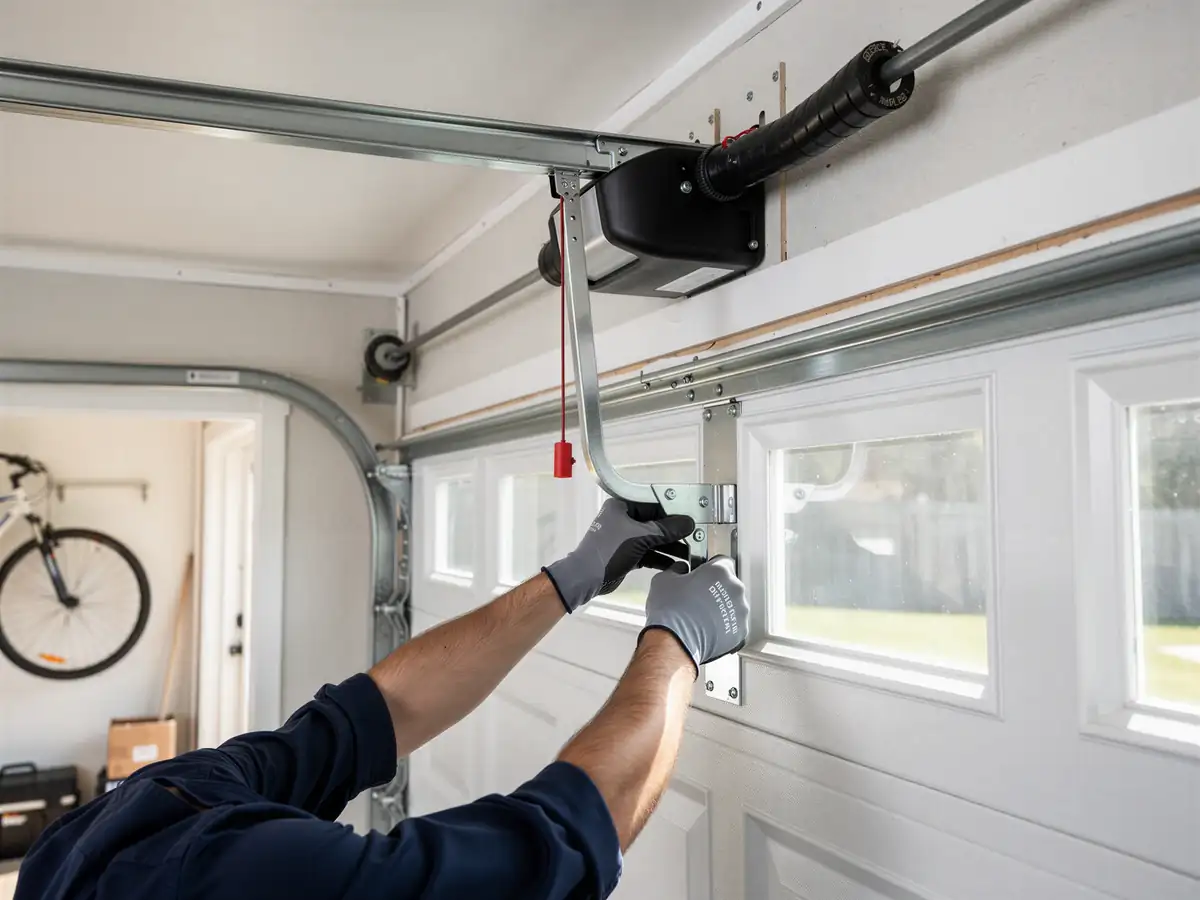
A new logic board, a capacitor, a drive gear, limit switch adjustment, or sensor realignment if the safety eyes have drifted out of line. We match parts to what the unit can actually take - a 1970s chain-drive housing isn't getting a smart-home retrofit kit grafted onto it, that's not a repair, that's a mismatch waiting to fail. If the opener is past the point where parts exist, we'll say so and talk through a replacement instead of forcing a fix.
The Symptom
The opener hums but the door doesn't move. The door reverses halfway up for no reason. The remote works some days and not others. The opener runs louder than it used to, or it runs fine until the temperature drops and then it won't engage at all until the garage warms back up. These are the calls we get across this service area, and they almost always point to the motor, the board, or the gear train rather than the door itself.
One more pattern worth naming: openers that worked fine all summer and started acting up the first cold week of the year. That's not coincidence, and it's not something a lubricant spray fixes for good - it's usually a motor or board already near the end of its life, with cold weather being what finally tips it over.
How it works
From “it’s stuck” to “it’s fixed”
01
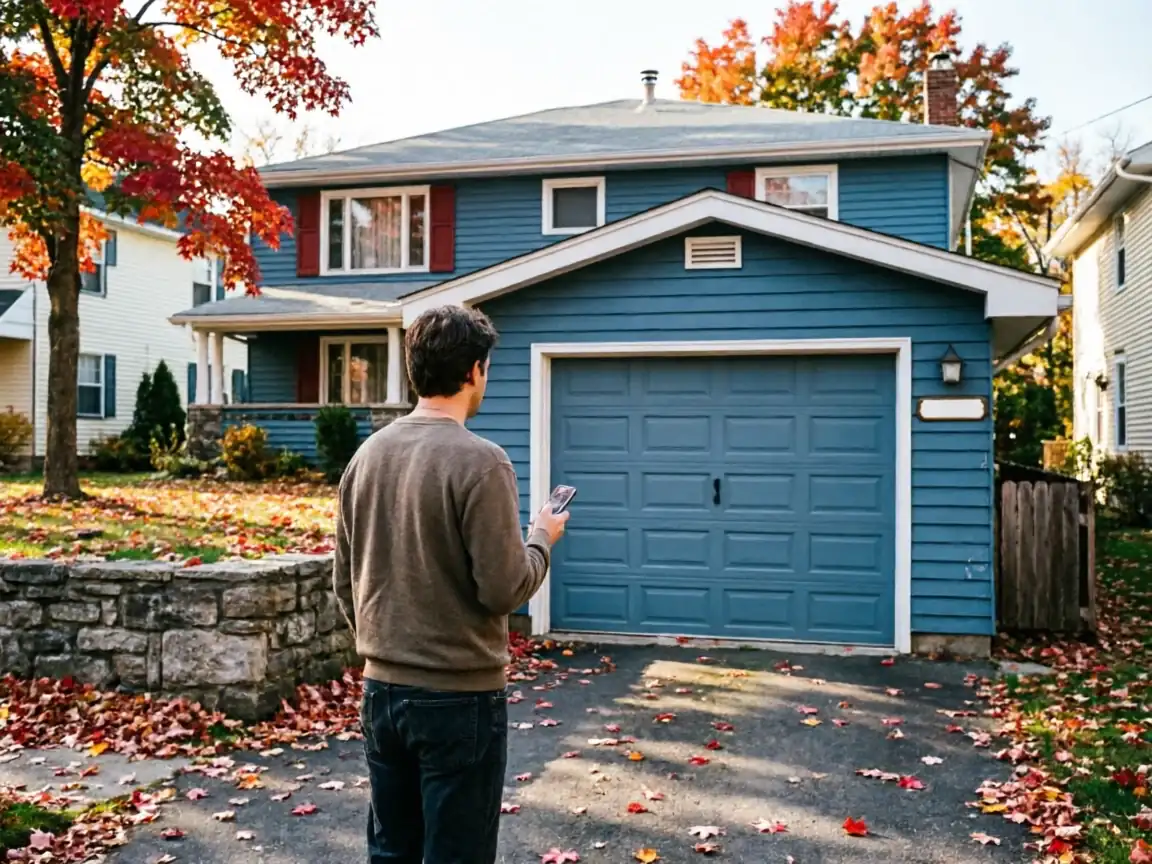
Tell us what’s wrong
Describe the symptom - won’t open, loud bang, opener runs but the door won’t move.
02
On-site diagnosis
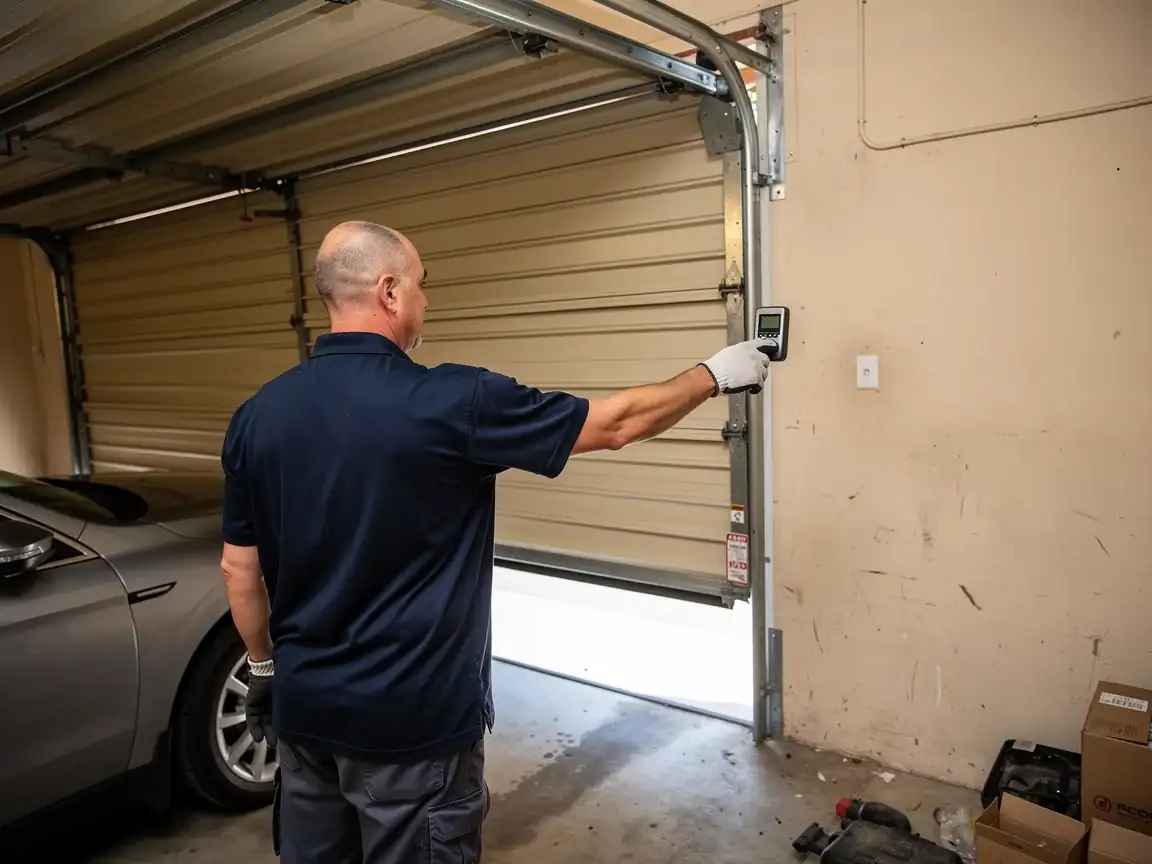
A technician tests the door under power and by hand and finds what actually failed.
03
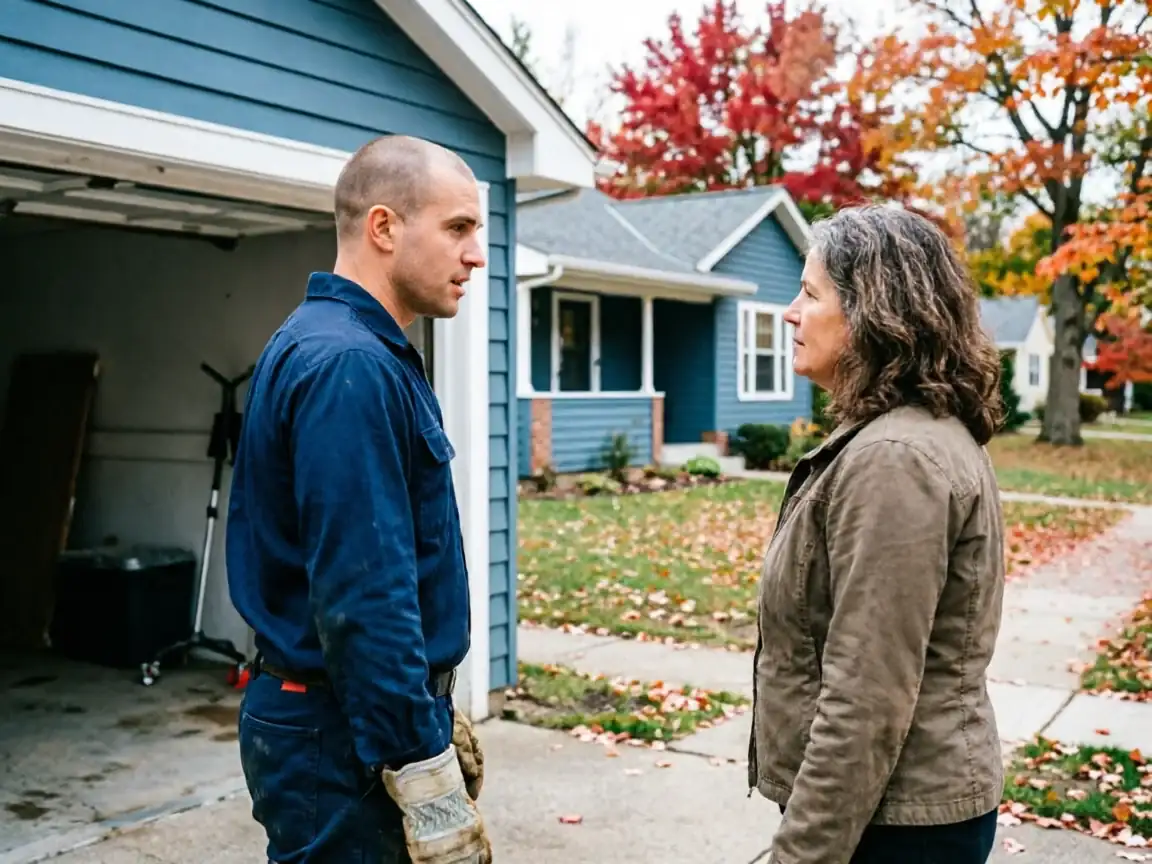
Clear, up-front plan
You get the fix that’s needed and what drives the cost - before any work starts.
04
Repaired & tested
The repair is done, the door is set true and tested, and the work area left clean.
Not sure which repair your door needs in West Chester, PA? Describe what it’s doing - every job starts with a diagnosis.
Straight answers about garage door repair in West Chester. Still unsure? Ask us directly.
Why did my opener suddenly stop working when it got cold out?
Cold thickens the grease inside the gearbox and puts extra strain on the motor and capacitor. If the opener was already near the end of its life, that extra load in a severe-cold winter is often what finally pushes it from
Is it worth repairing an opener from the 1960s or 70s?
Sometimes. If the motor and board are sound and it's one failed part, repair makes sense. If the unit is old enough that the manufacturer no longer stocks boards or gear kits - common given how much of the opener stock in this area dates to that era - replacement is usually the better call, and we'll tell you which applies before we start.
Do you repair openers or only install new ones?
We do both. A lot of calls end up being a straightforward repair - board, capacitor, gear, sensor - done in one visit. We only recommend replacement when the parts for the existing unit aren't available anymore or when the repair cost doesn't make sense against a new unit's price.
My remote works but the wall button doesn't, or the other way around. What's wrong?
That split usually points to the logic board or the wiring at the wall unit rather than the motor itself, since the two controls run through different circuits. It's a diagnosable fault, not a mystery, and it's usually a faster fix than a full motor problem.