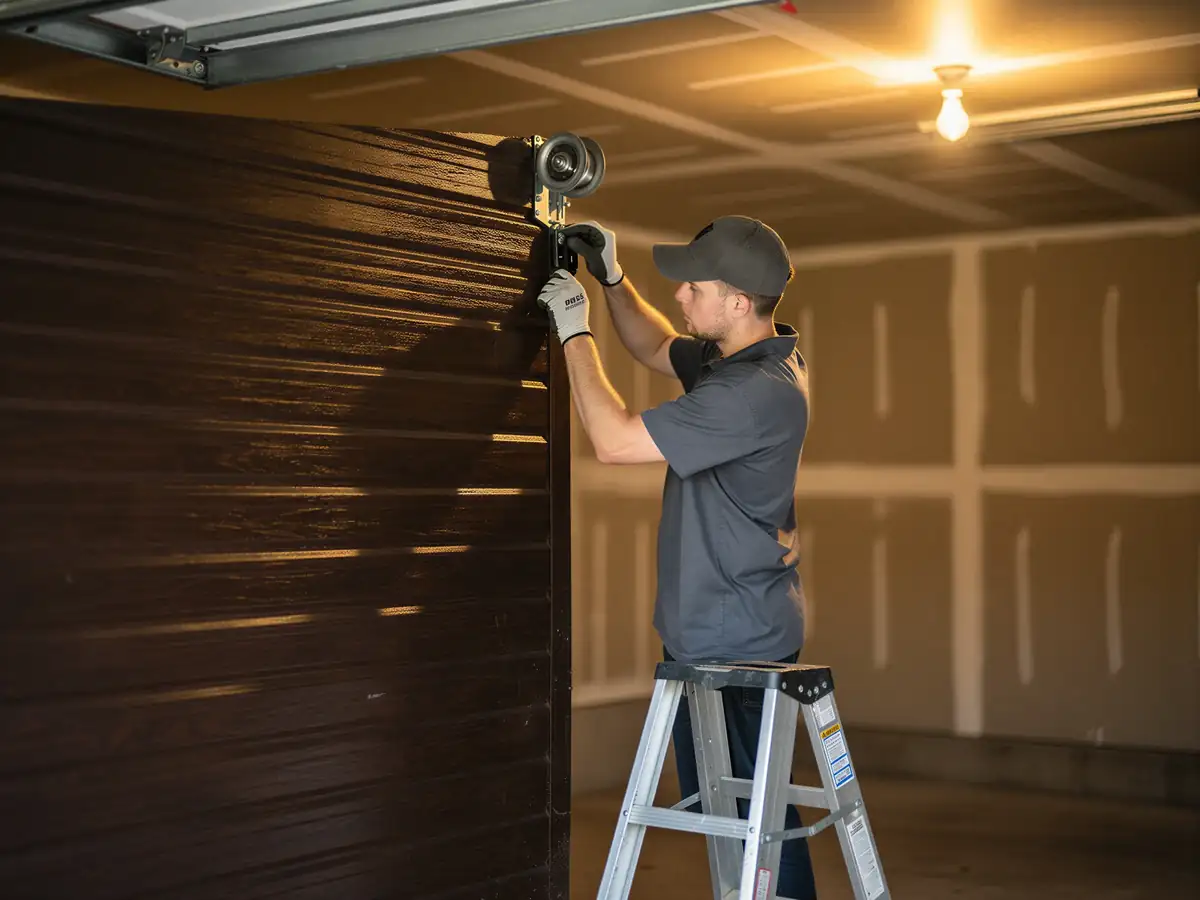
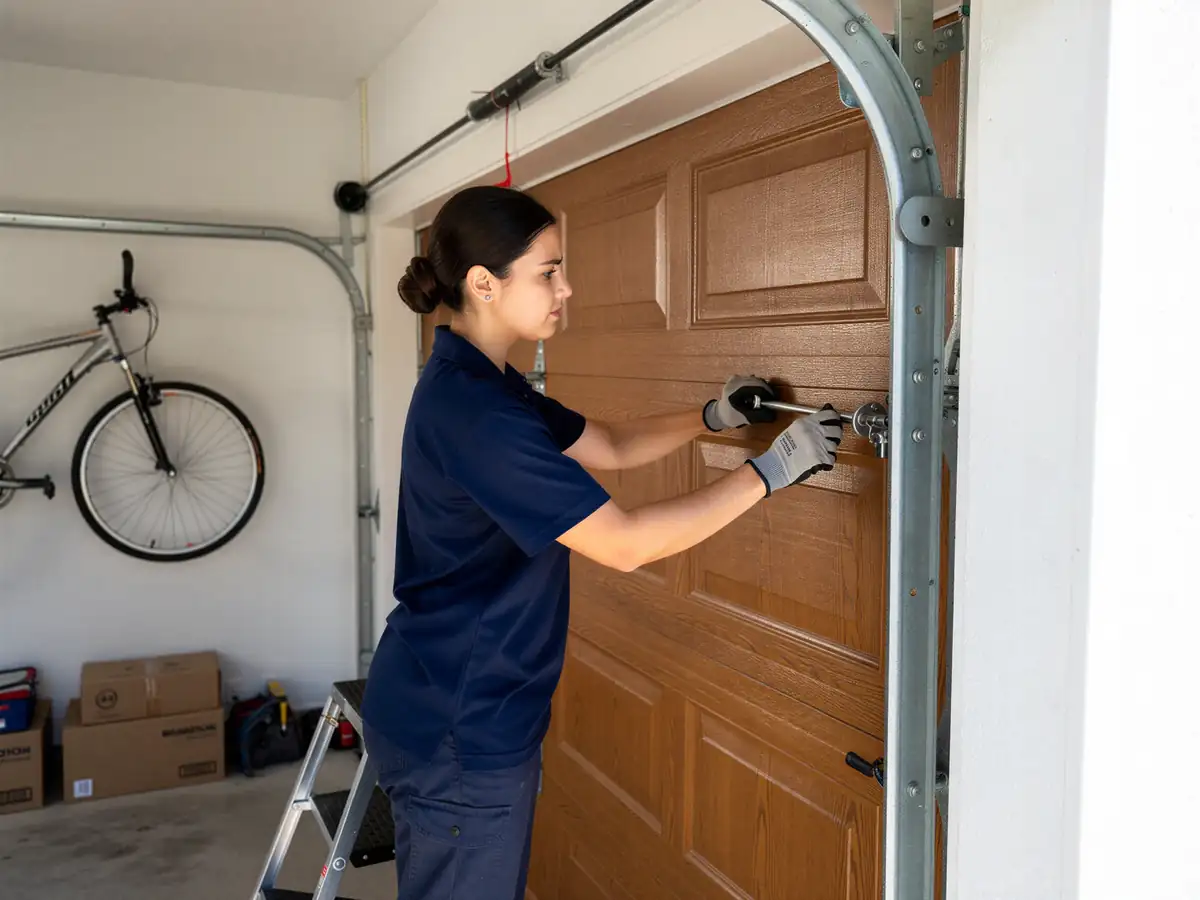
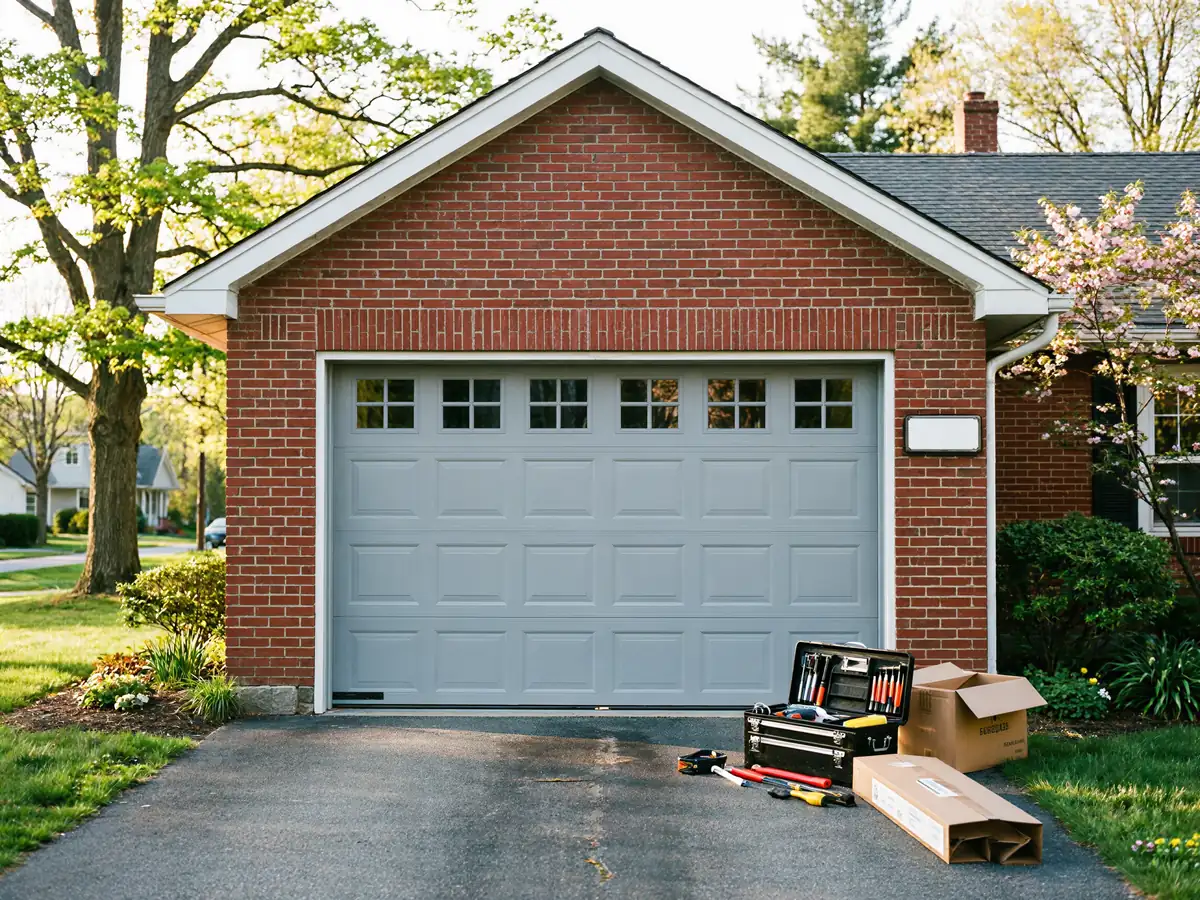
Worn rollers on 1960s-era West Chester homes grind and bind through cold winters. We replace them with steel or nylon rollers built for the climate band here.
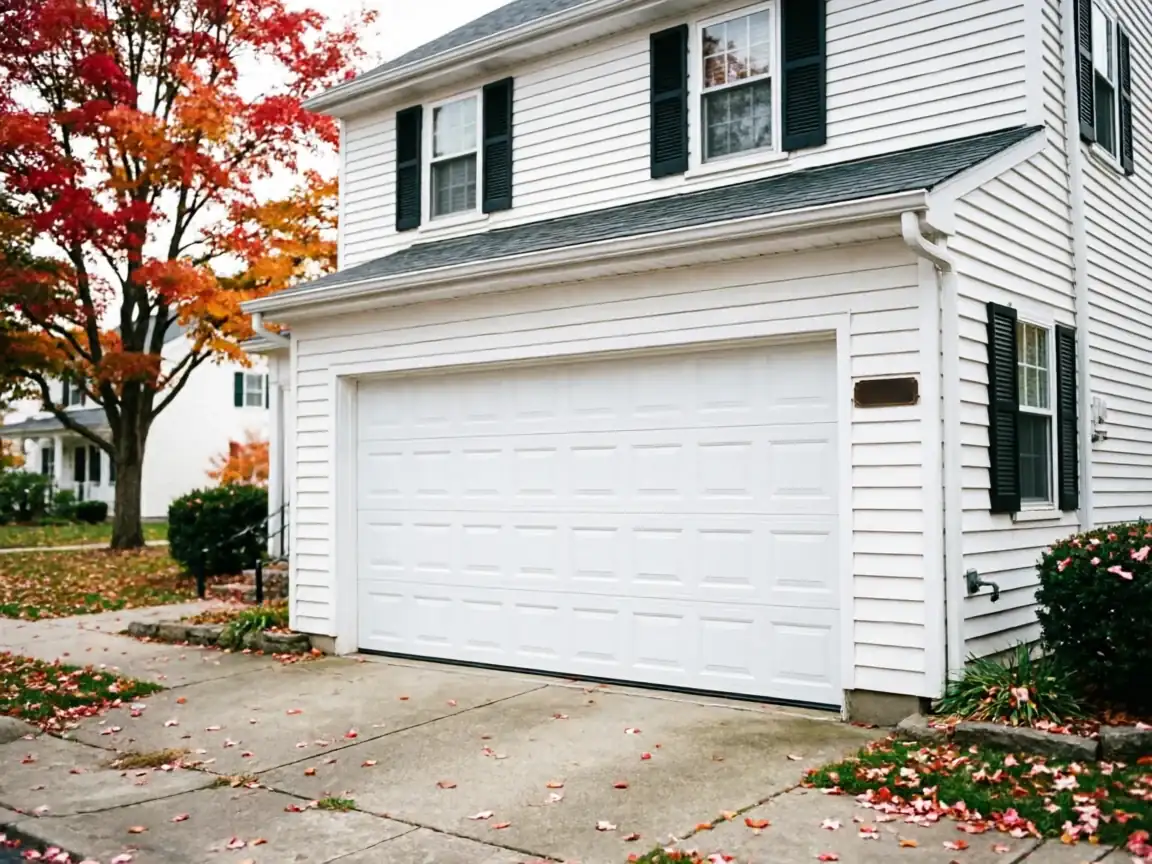
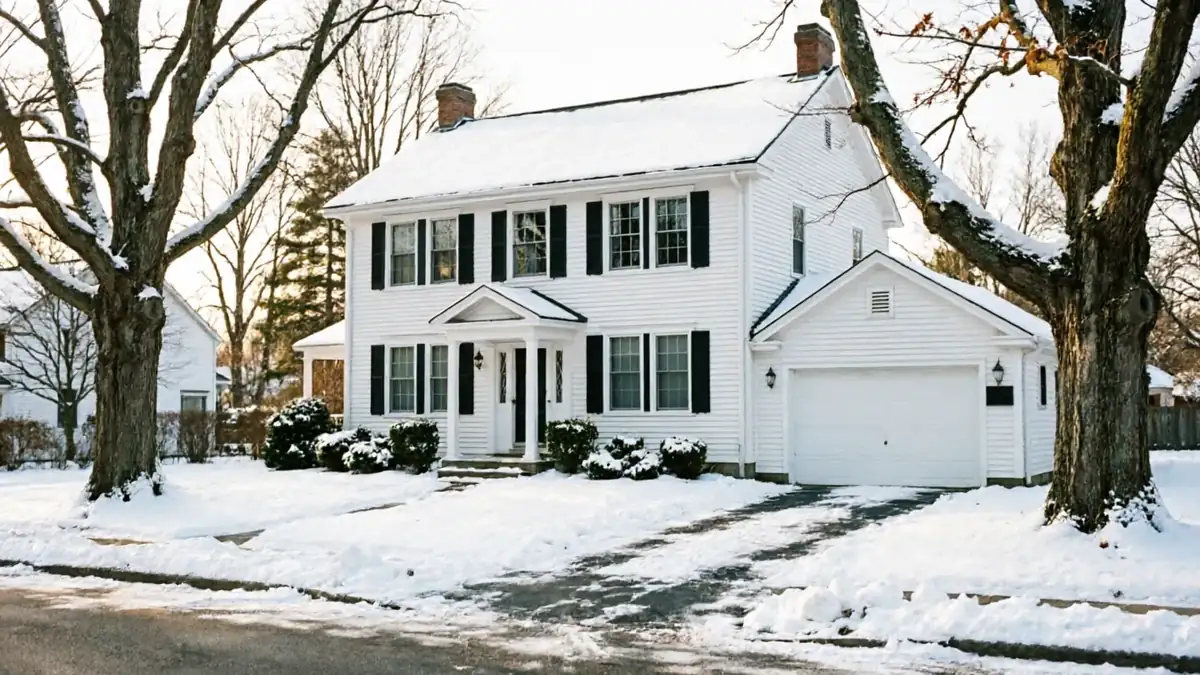
Most of the housing stock in this service area went up between 1938 and 1996, with the median build year sitting around 1960, and the bulk of the 74 named areas we cover are full of 1960s and 70s construction. That matters for rollers because those original tracks were set with tolerances for the steel rollers of that era, not the nylon ones most homeowners have swapped in since. Decades of use, plus a COLD severe climate band that puts these doors through hard freeze-thaw cycles every winter, means the steel wheels and bearings in a lot of these older setups have worn oval, rusted at the axle, or cracked at the stem. Cold contracts the metal in the track and the roller housing at different rates, which is exactly when a roller that's been marginal for years finally seizes or snaps. Newer builds in some pockets of the service area don't see this as often, but on a street built in the 60s or 70s, a roller job is usually overdue rather than premature. We see this across the area - Exton, Downingtown, Lionville, Malvern, and similar towns with the same era of housing all show the same failure pattern.
How Long It Takes
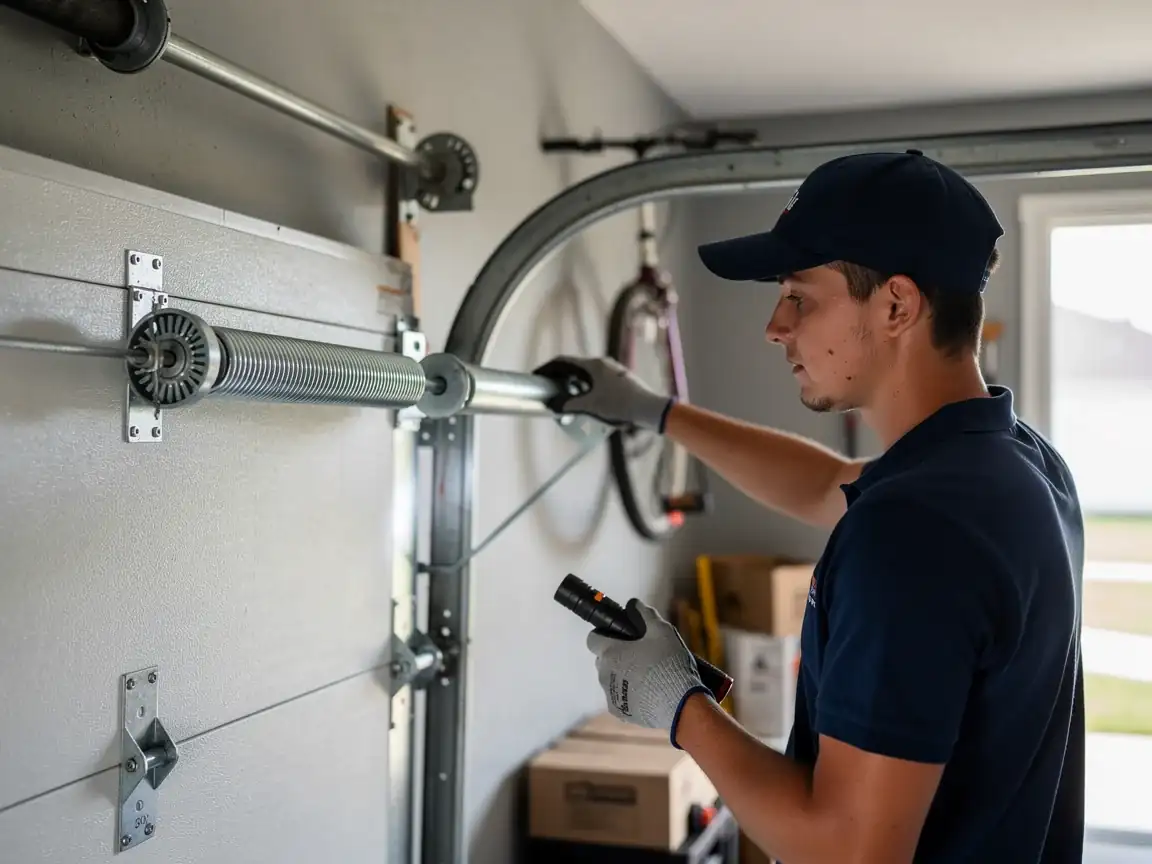
A straight roller swap on a residential door, both tracks, is usually a same-visit job - we're not waiting on anything exotic for the rollers themselves. Where the timeline stretches is when the old rollers have worn the track lip or scored the hinge holes enough that we're also replacing hinges or a section of track, which is common on doors from the 1960-1970s stock that make up most of this area. If a roller has already come off the track and bent a panel on the way out, that's a different repair and a different timeline, since panel parts aren't always on the truck. Straightforward jobs don't need a return trip. Jobs that turn into track or hinge replacement can run long on the same visit rather than needing a second one, depending on what we find once the door's open.
What the Repair Takes
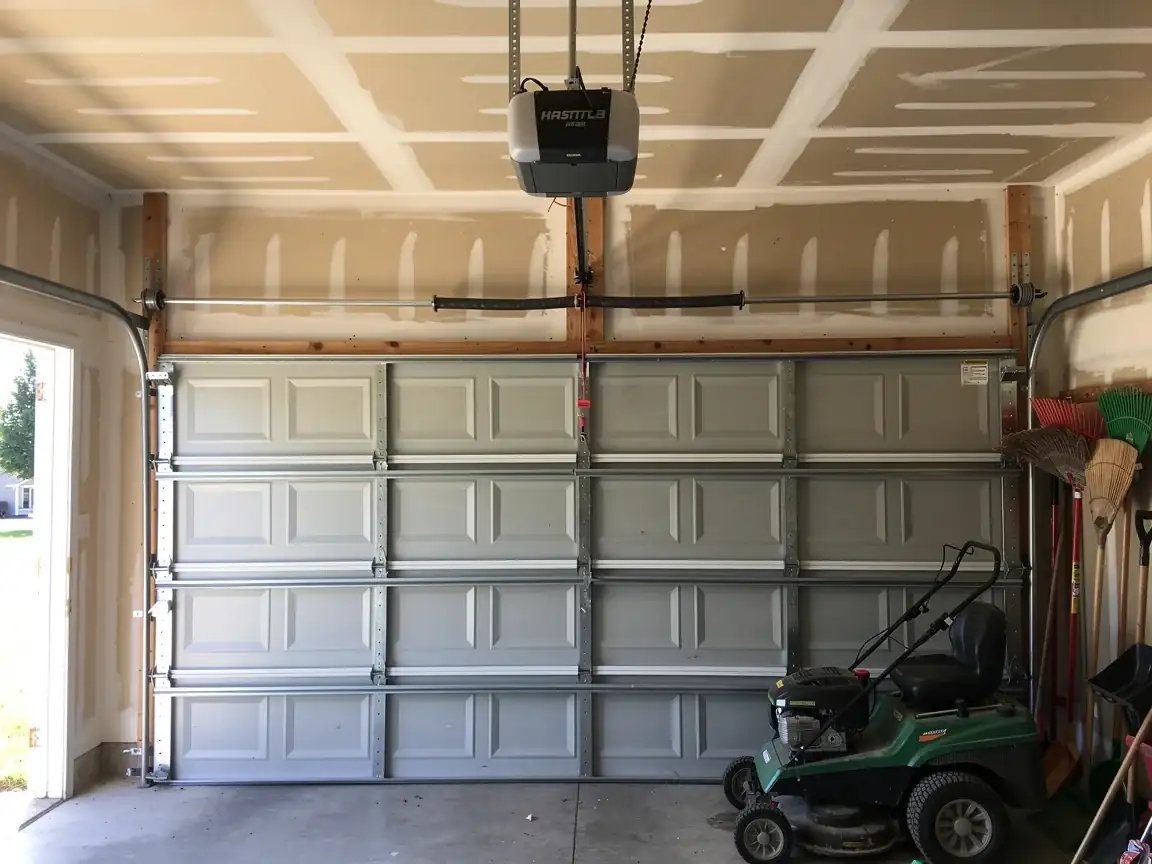
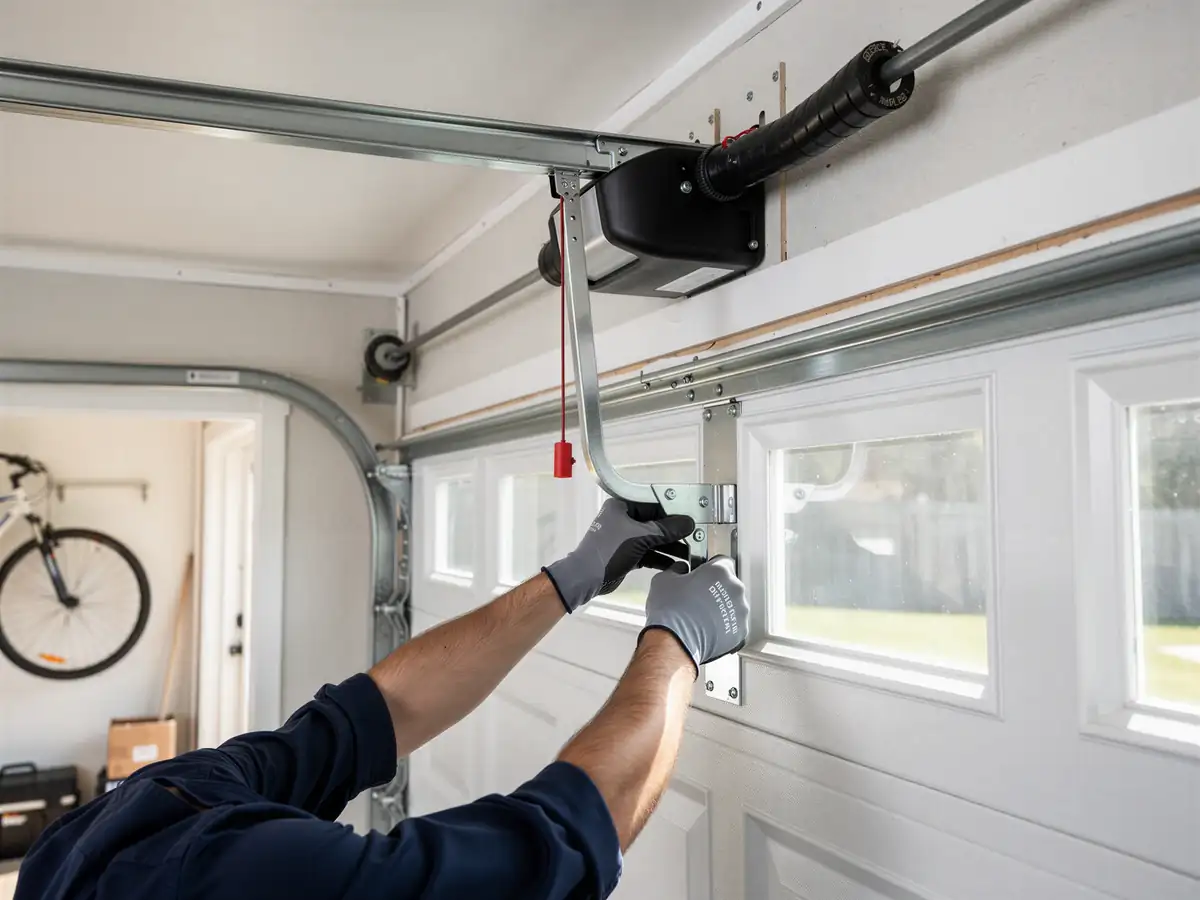
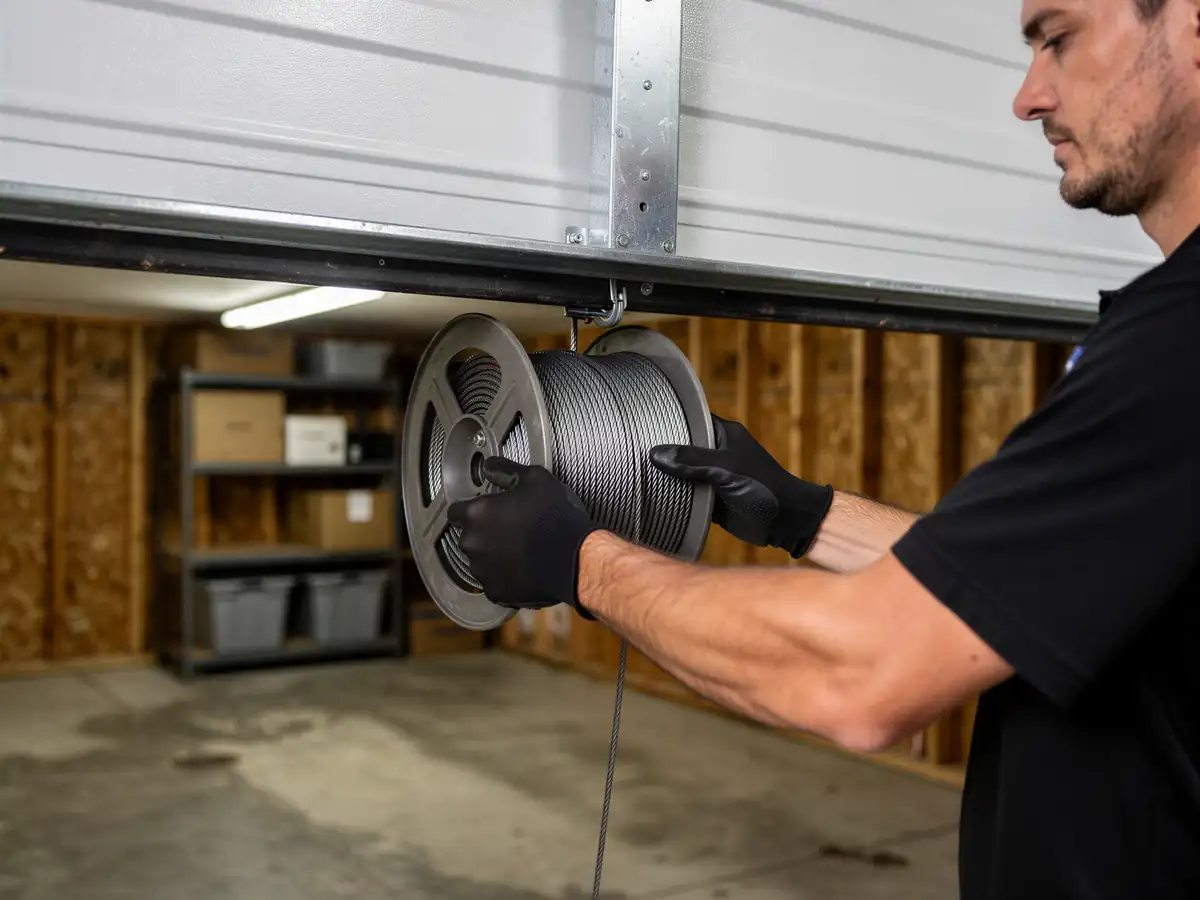
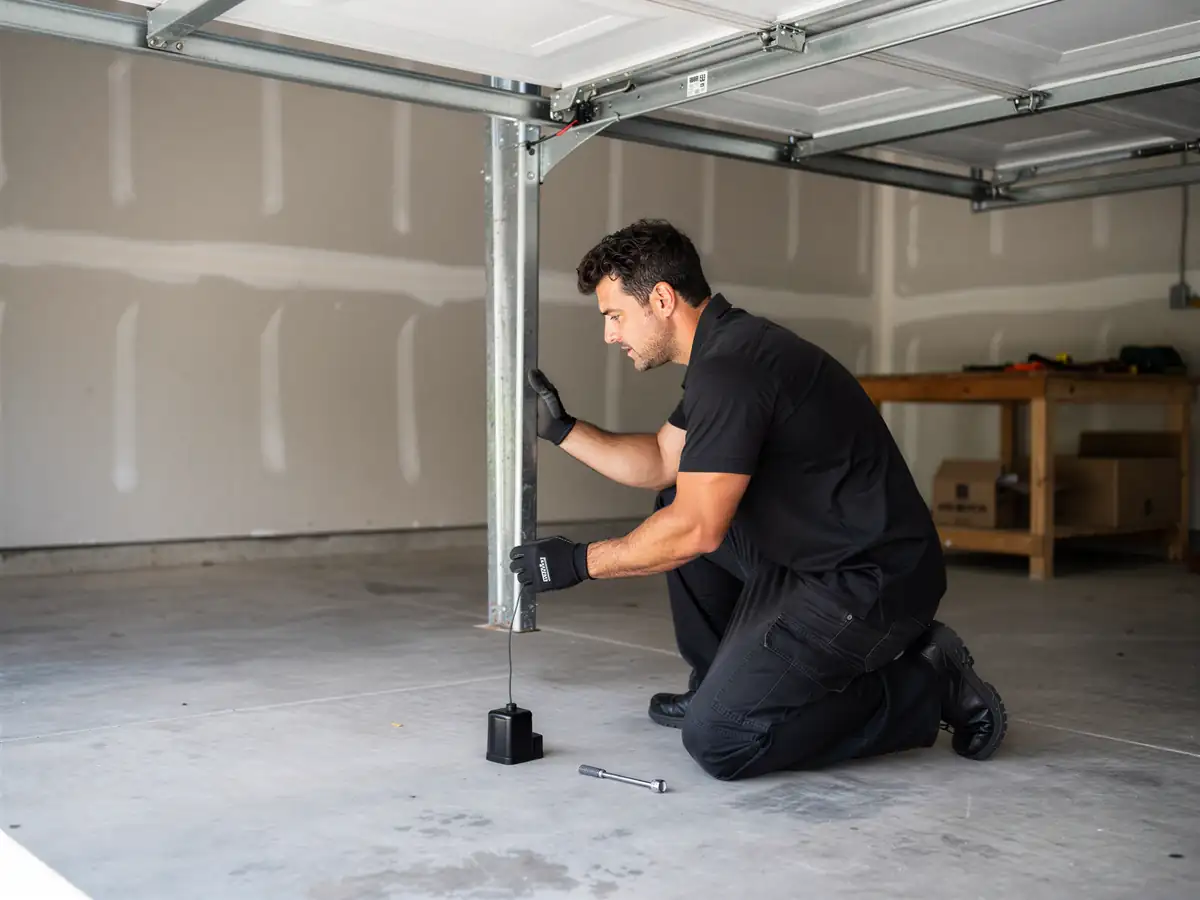
We pull the old rollers, inspect the track for scoring or bowing (common once a roller's been grinding against it for a season or two), and check the hinges at each roller position since a worn roller usually means a worn hinge hole right behind it. Steel rollers go on doors that see heavy daily use or colder garages, since sealed bearings hold up better through the COLD severe swings this area gets; nylon goes on doors where quiet operation matters more than it does in an unheated garage. We don't just swap the roller and call it done if the track's been scored - replacing a roller into a damaged track just means a repeat call in a year. One limit worth stating plainly: if the track is bent, not just scored, from a roller that jumped it, that's a track replacement, not a roller job, and we'll tell you that up front rather than patch it.
The Symptom
The giveaway is noise that wasn't there before: a grinding or clunking as the door travels, usually worse at the same two or three points in the cycle every time, which is the roller hitting the same worn spot or the same bad bearing on each pass. Some homeowners notice the door catching or jerking rather than moving smooth through the track. Left alone, a rough roller usually gets worse, not better, especially through a hard winter in this climate band, and a roller that finally lets go while the door's in motion can jump the track and take a cable or a panel with it. If the noise is new and localized rather than a steady rattle the whole way, it's worth a look before it turns into a bigger repair.
How it works
From “it’s stuck” to “it’s fixed”
01
Tell us what’s wrong
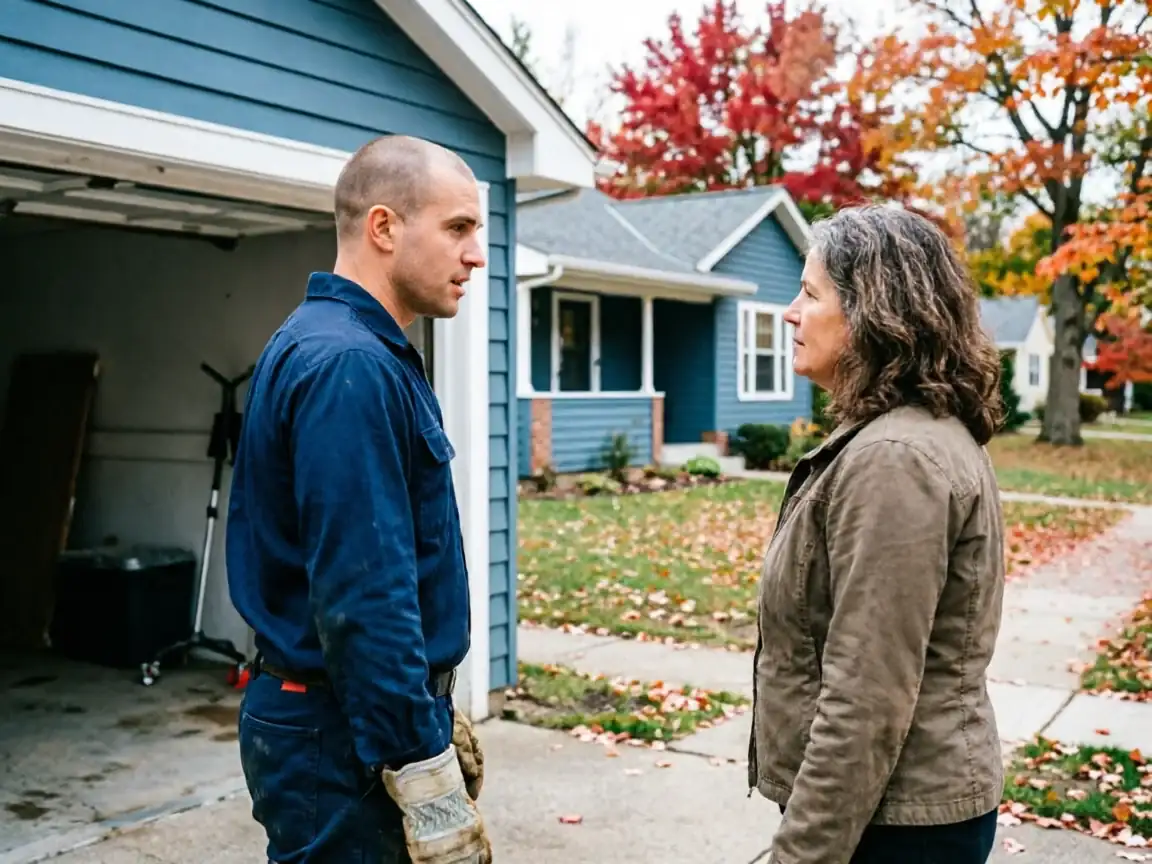
Describe the symptom - won’t open, loud bang, opener runs but the door won’t move.
02
On-site diagnosis
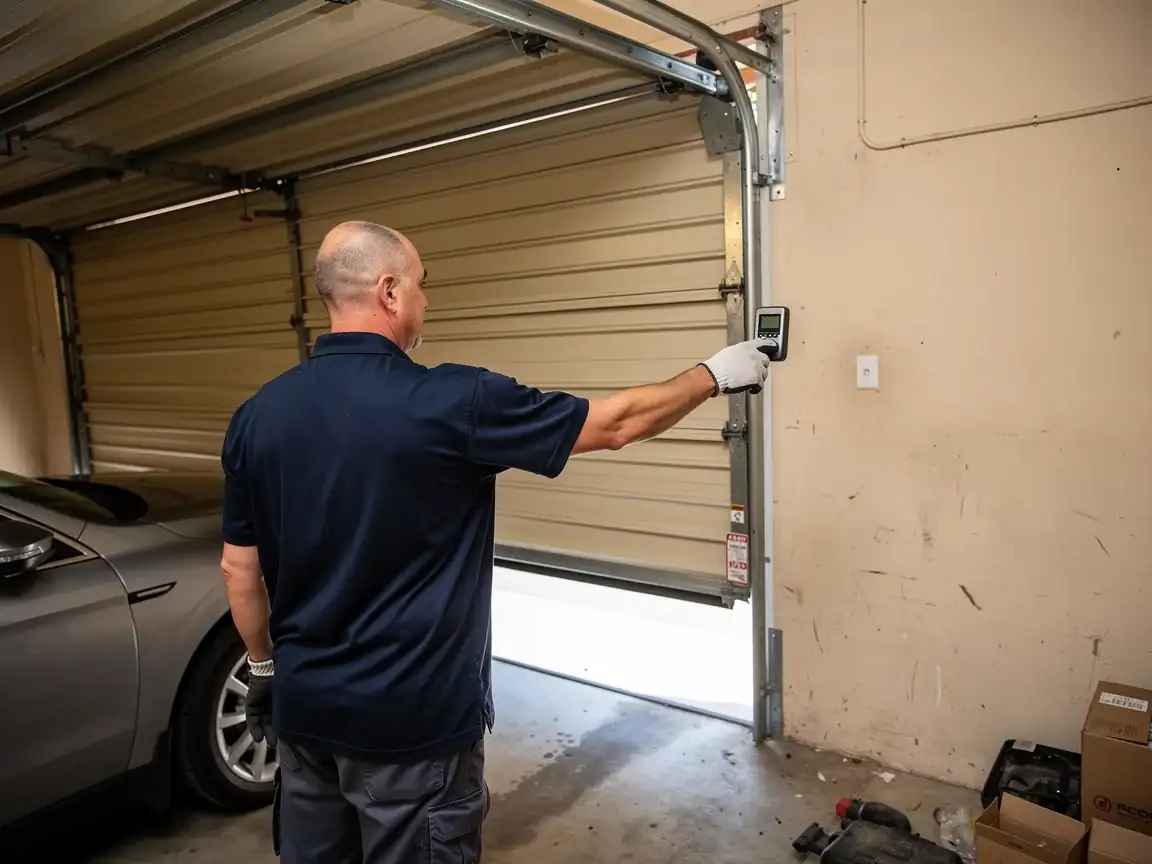
A technician tests the door under power and by hand and finds what actually failed.
03
Clear, up-front plan
You get the fix that’s needed and what drives the cost - before any work starts.
04
Repaired & tested
The repair is done, the door is set true and tested, and the work area left clean.
Not sure which repair your door needs in West Chester, PA? Describe what it’s doing - every job starts with a diagnosis.
Straight answers about garage door repair in West Chester. Still unsure? Ask us directly.
How do I know if it's the rollers and not the opener?
If the noise happens at the same points in the door's travel every time, that's almost always a roller or track issue, not the opener. An opener problem usually shows up as the door not responding, reversing, or stopping, rather than a grinding sound during a normal cycle.
Do older West Chester homes need rollers replaced more often?
Houses built in the 1960s and 70s, which make up most of the stock in this area, tend to have tracks set for older roller styles and have had more freeze-thaw cycles working on the hardware. That combination wears rollers and the track lip faster than it does on newer construction.
Can I just replace one roller instead of all of them?
You can, and sometimes that's the right call if the rest are in good shape. But if one wore out from age rather than an isolated impact, the others on that door are usually close behind, so we'll tell you honestly if a full set makes more sense than a repeat call.