Detached vs Attached Garages: What West Chester Homeowners Need to Know
West Chester homes built 1938-1996 split between detached and attached garages. Here's how that affects door wear in our cold climate and what to check before calling.
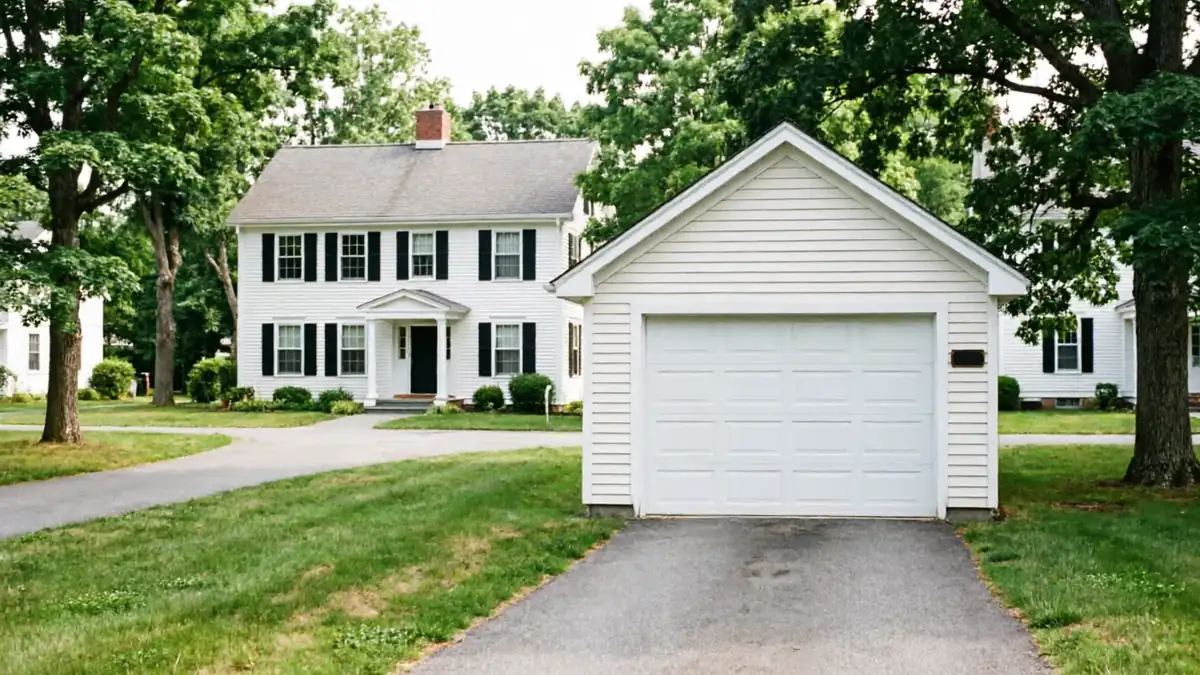
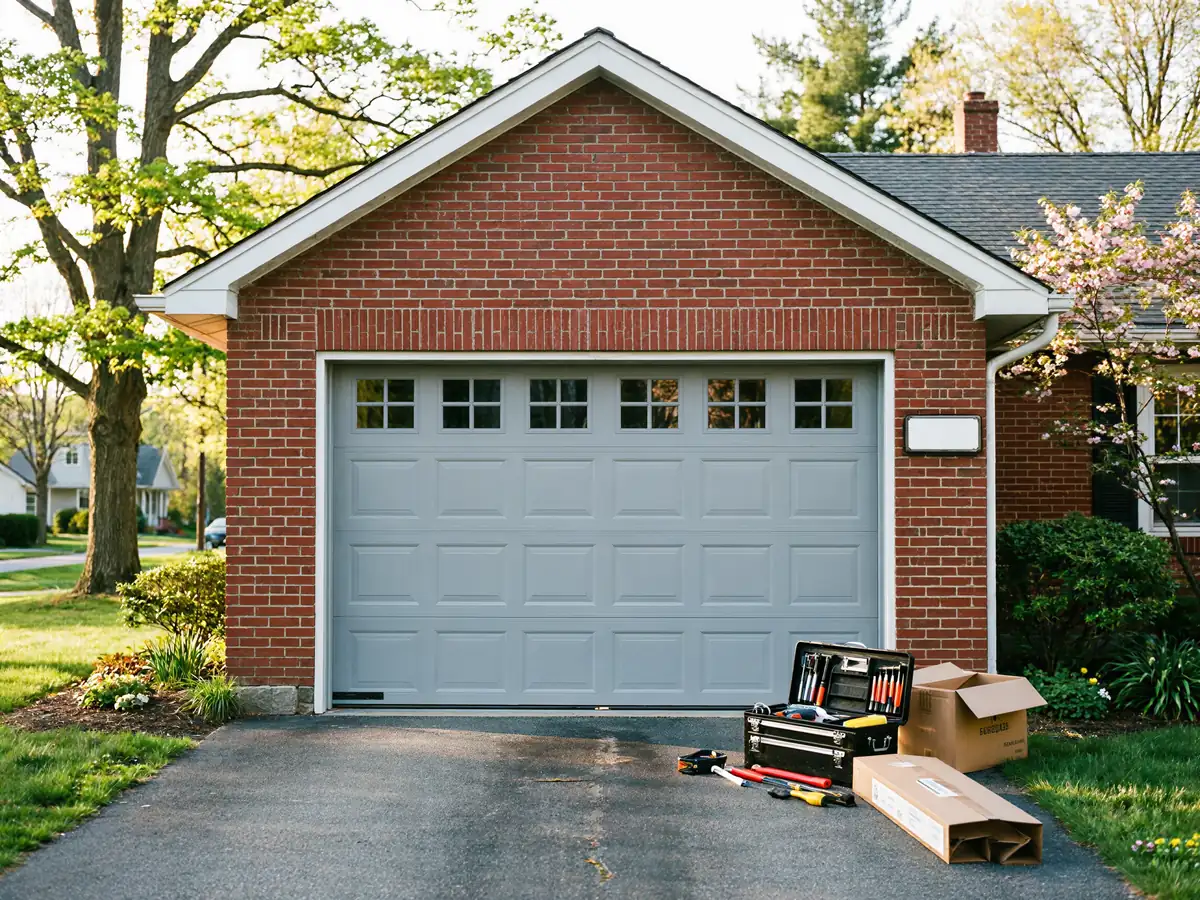
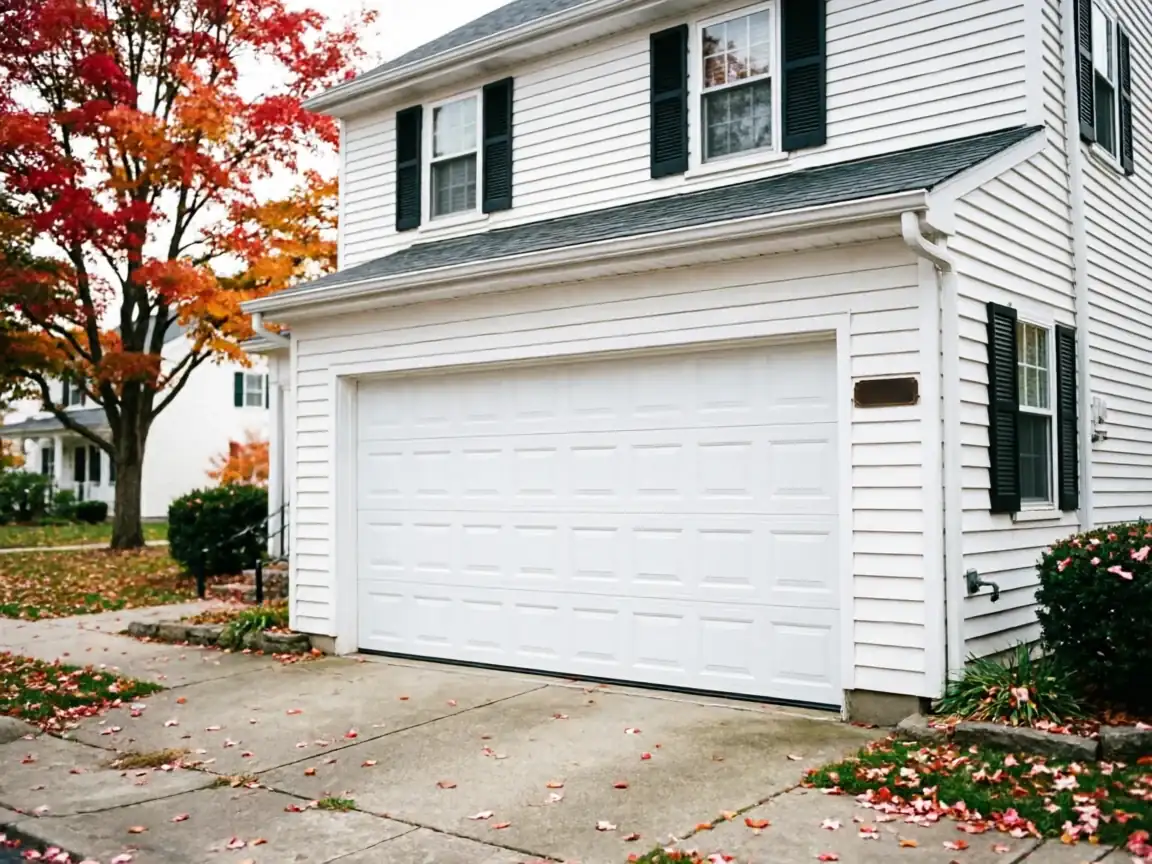
Most of the housing stock around West Chester went up between 1938 and 1996, with the median build year sitting at 1960. That matters for garage doors because detached garages from that era were often framed as an afterthought - a stand-alone structure with its own slab, its own settling pattern, and no shared heat from the house. Attached garages built in the same window usually share a wall with living space, which means they stay a few degrees warmer in winter even without insulation.
We're in a COLD severe climate band here, and that gap matters more than people think. A detached garage with no adjoining heat source swings through the full outdoor temperature range every day. The steel in an old one-piece or sectional door contracts in the cold, hardware tightens up, and lubricant that was fine in October gets stiff by January. An attached garage buffers some of that swing, but not all of it - especially in homes from the 1960s-70s that make up most of the 74 named areas in this service area, where garages were built to a lighter standard than what you'd see in new construction.
The practical result: detached garage doors here tend to show hardware wear and spring fatigue sooner than attached ones of the same age, simply because they're exposed to a wider temperature range with less buffering.
What to Check
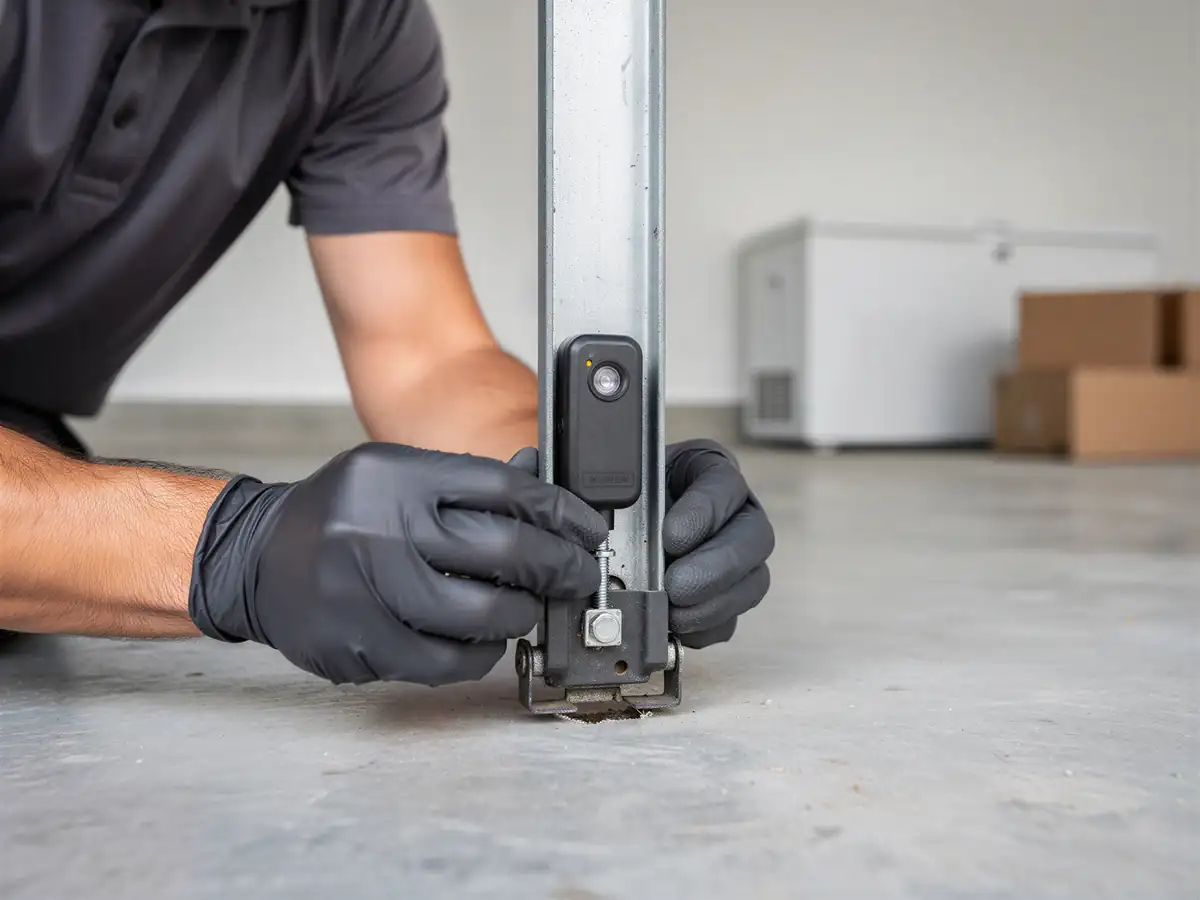
If you've got a detached garage built in that 1938-1996 window, start with the rollers and hinges - on a structure with no shared wall, the frame itself flexes more with cold, and that flex works loose fasteners faster than in an attached setup. Listen for a grinding or popping sound as the door travels; that's often a roller that's lost its lubrication to the cold rather than a worn roller itself.
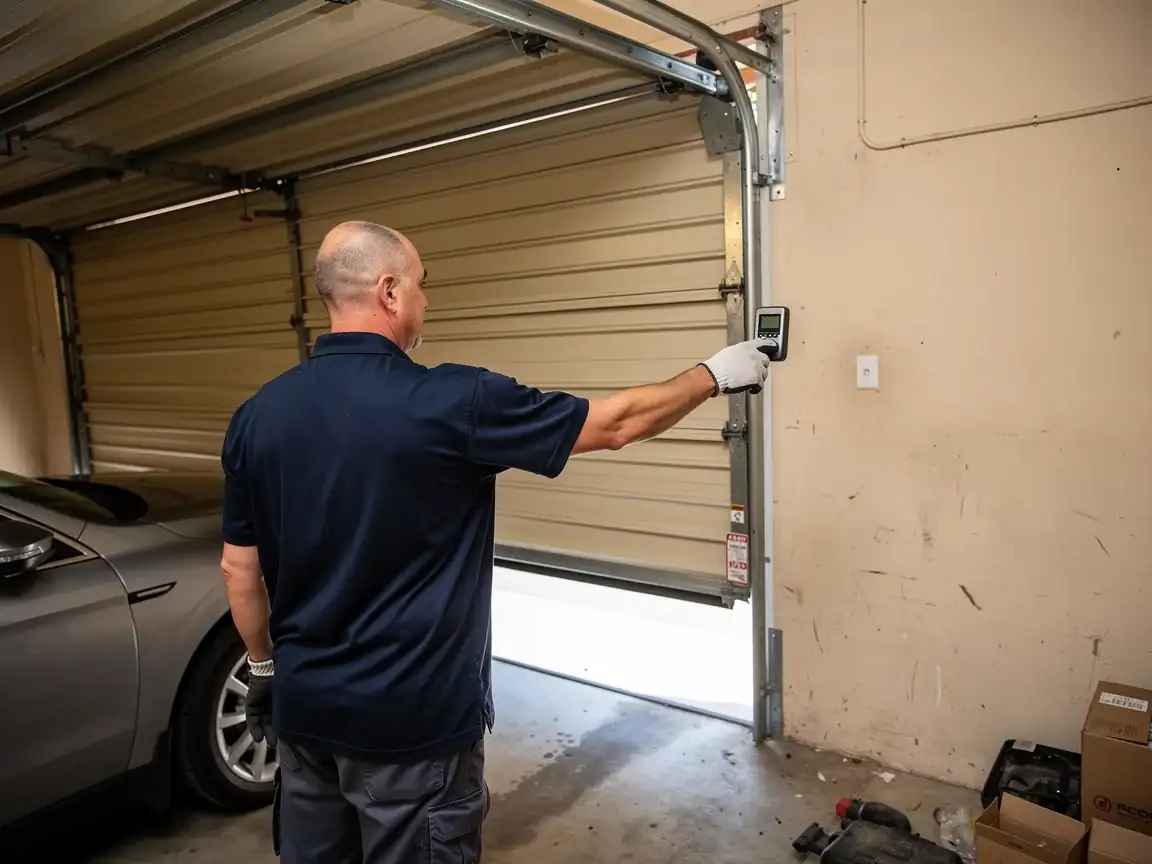
On an attached garage, the thing to watch is the weather seal where the garage meets the house. Homes from this era weren't built with today's sealing standards, and a gap there lets cold air into the garage and, in some layouts, into the house itself. Check the bottom seal on the door too - a cracked or flattened astragal lets in wind that a detached structure would just absorb into its own airspace.
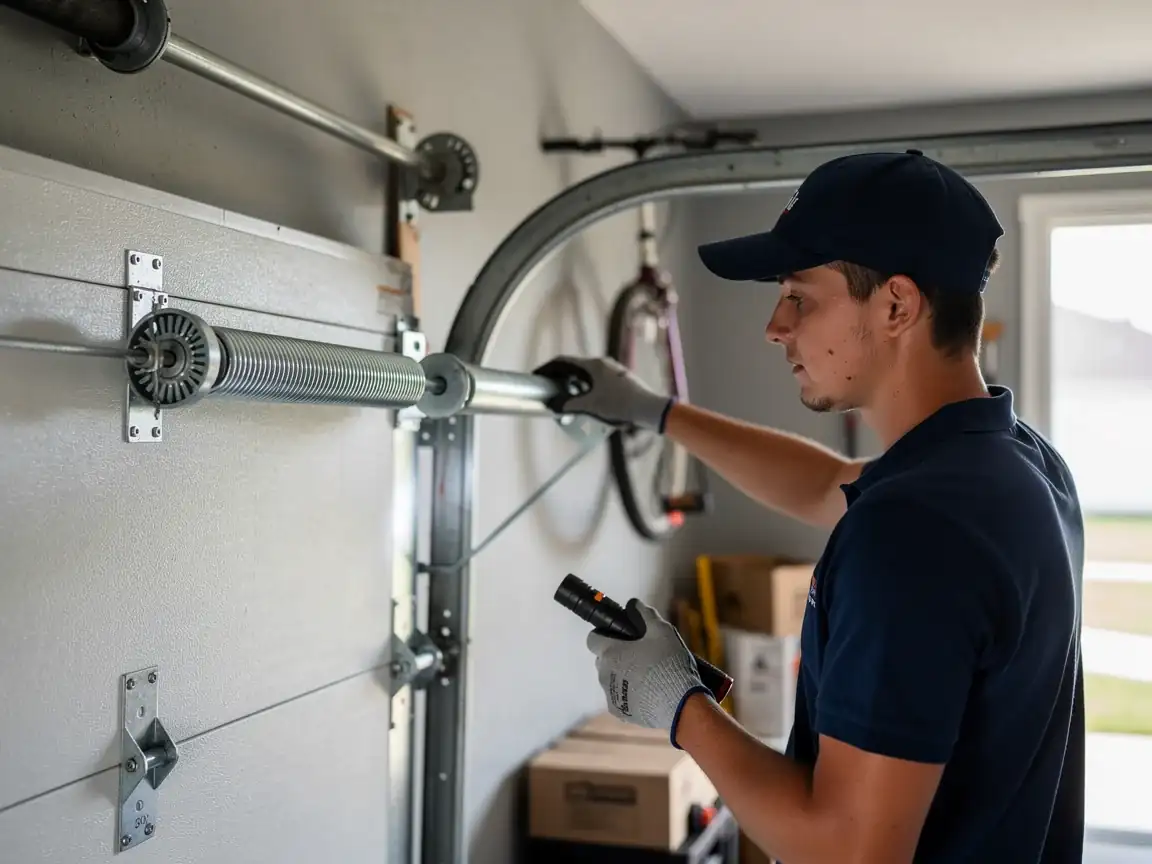
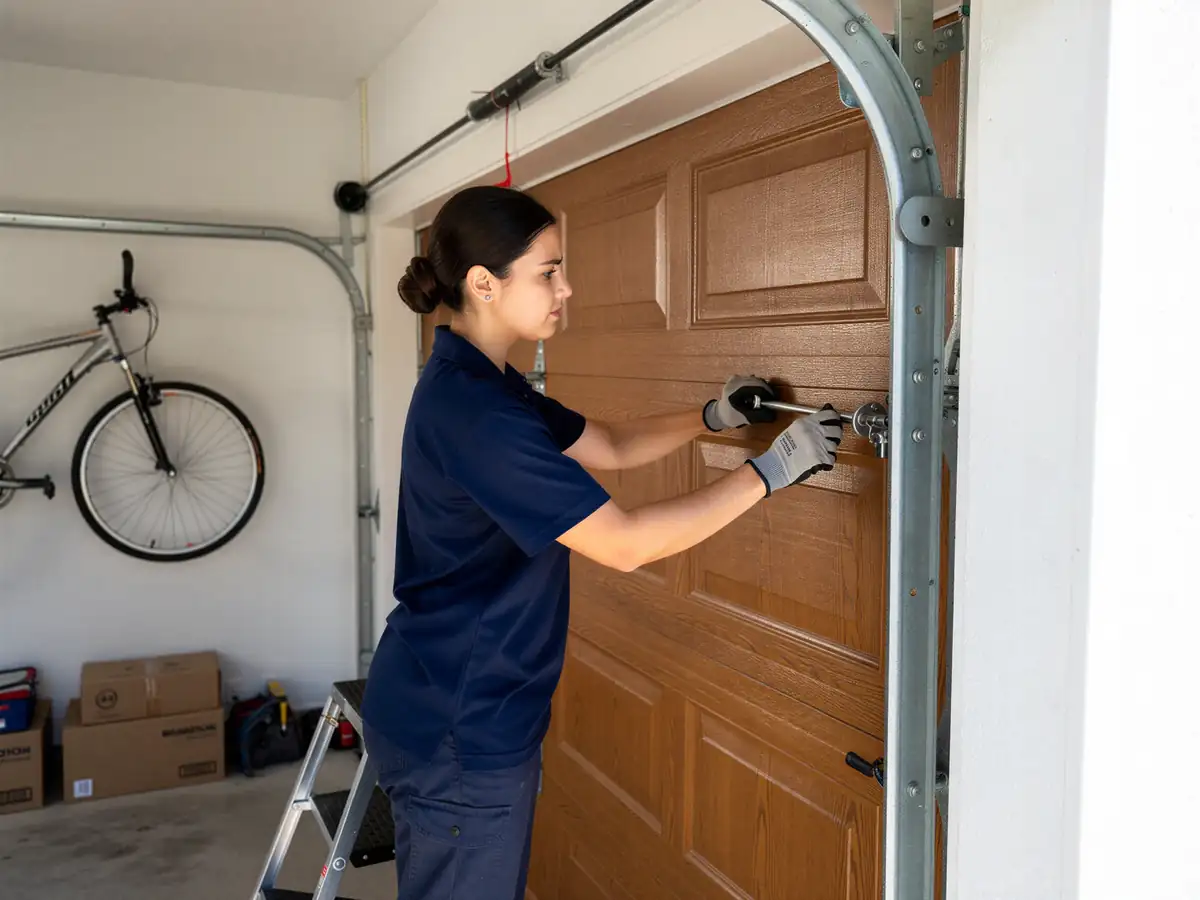
For both types, check the torsion spring for visible gaps in the coil when the door is closed. Springs installed decades ago, which is common given the median 1960 build year across this area, are well past any reasonable service life even if they haven't failed yet.
When Waiting Is Fine
01
Not everything needs a same-week call
If your detached garage door is a little stiffer than usual on a cold morning but opens and closes fully once you've run it a few times, that's the cold doing what cold does to old steel and old grease - it's not an emergency. Same goes for a slightly louder attached-garage door in January than in July; thermal contraction changes the sound of hardware without changing whether it's safe.
02
We'd also say: if the only issue is cosmetic
Faded paint on a detached door that's taken 50-plus years of direct sun with no house wall to shade it - that's not something worth rushing a truck out for. Fix it when it's convenient, not when it's scary.
03
Where we'd tell you to wait and watch rather than book a repair
Minor rust spots on the bottom panel of an older door, as long as the panel still seats square in the track. That's common on houses from the 1960s-70s stock that makes up most of this area, and it's a cosmetic issue until it isn't.
What Is Going On
The short version: West Chester's garage stock splits between detached structures with no shared heat and attached garages that borrow a little warmth from the house, and that split interacts with a genuinely cold climate to produce two different wear patterns. Detached doors fail hardware and springs sooner. Attached doors have more trouble at the seals where garage meets house.
We don't have local incident data or call-volume numbers to tell you which failure is more common on your specific street - we're going on the housing age and climate figures for the area, not a count of past jobs. What we can say with confidence is that a door installed anywhere near the median 1960 build year, in either garage type, is carrying original or near-original hardware that was never spec'd for the kind of temperature swings a severe cold climate puts on steel. That's the thing worth paying attention to, more than which type of garage you happen to have.
Straight answers about garage door repair in West Chester. Still unsure? Ask us directly.
Does a detached garage door wear out faster than an attached one here?
Generally yes. A detached structure has no shared wall with the house, so it swings through the full outdoor temperature range every day. In our cold climate, that extra exposure tends to age hardware and springs faster than in an attached garage, which gets some residual warmth from the house.
My house was built in the 1960s - is my door original?
It's possible. The median home in this area was built around 1960, and a lot of that housing stock still carries original or early-replacement hardware. If you've never had the spring or rollers replaced, treat anything from that era as due for an inspection.
Is a loud door in winter a sign of a real problem?
Not necessarily. Cold steel and stiff grease make noise on their own. If the door still opens and closes fully, that's often just the climate talking. If it binds, reverses, or stops partway, that's different and worth a call.
Should I insulate my detached garage door?
That's a reasonable question for this climate, but we don't have pricing or product specifics to give you here. It's worth asking about when you're already having someone look at the door for another reason.