Most of the housing around West Chester went up between 1938 and 1996, with the bulk of it dating to the 1960s and 70s across the 74 named areas we cover. That matters because a door installed during that build-out is now 50 to 60 years old if nobody's replaced it, and the track, hinges, and spring system on those original installs were never built for today's insulated panels or heavier openers.
The cold here is the other half of the problem. This region sits in a severe cold climate band, and steel contracts hard in a January cold snap. On an older door, that contraction stresses rollers and hinges that are already worn thin from decades of use. A door that's been limping along in October can seize or bind the first week it drops below freezing, because the metal has less give left in it.
So the question of whether to fix or replace isn't really about age on paper. It's about whether a given door, given its hardware generation and what this climate does to old steel every winter, still has slack left to absorb that stress. A door from the 1990s with original rollers is in a different spot than a 2015 install with a bent track.
What to Check
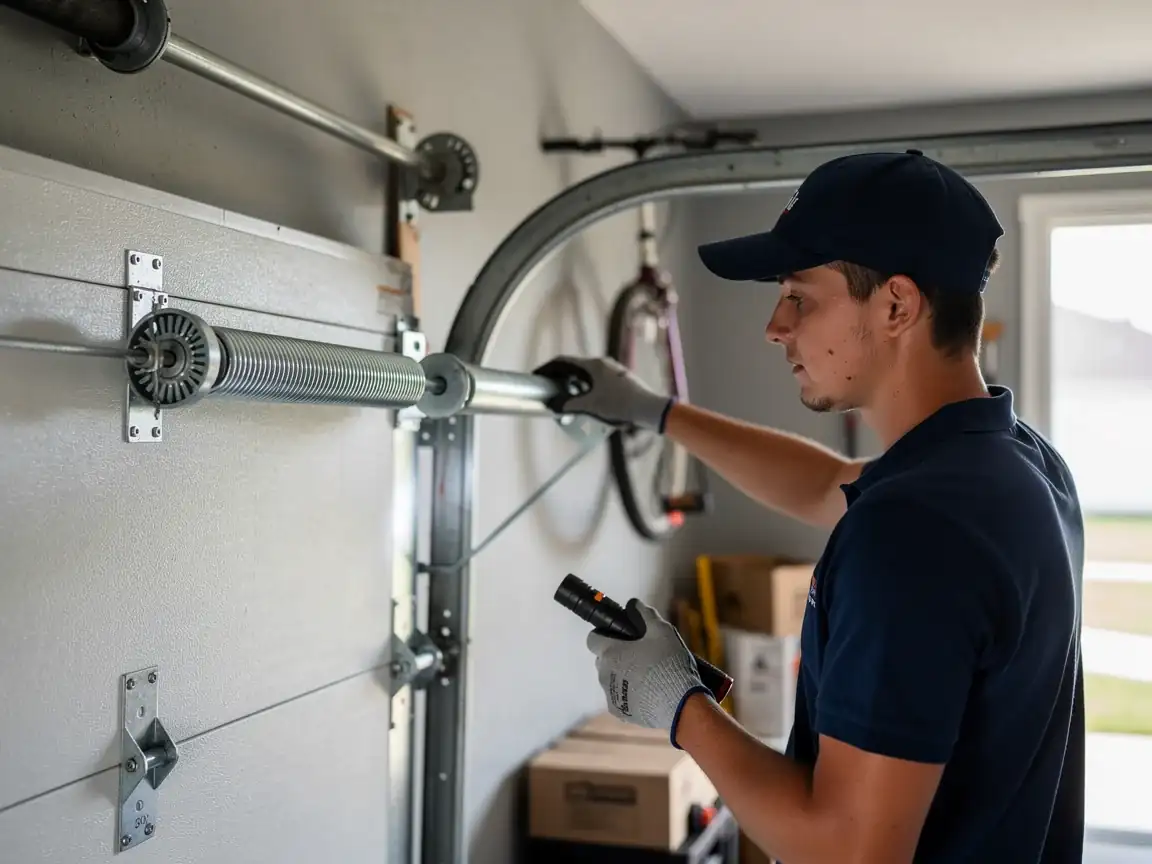
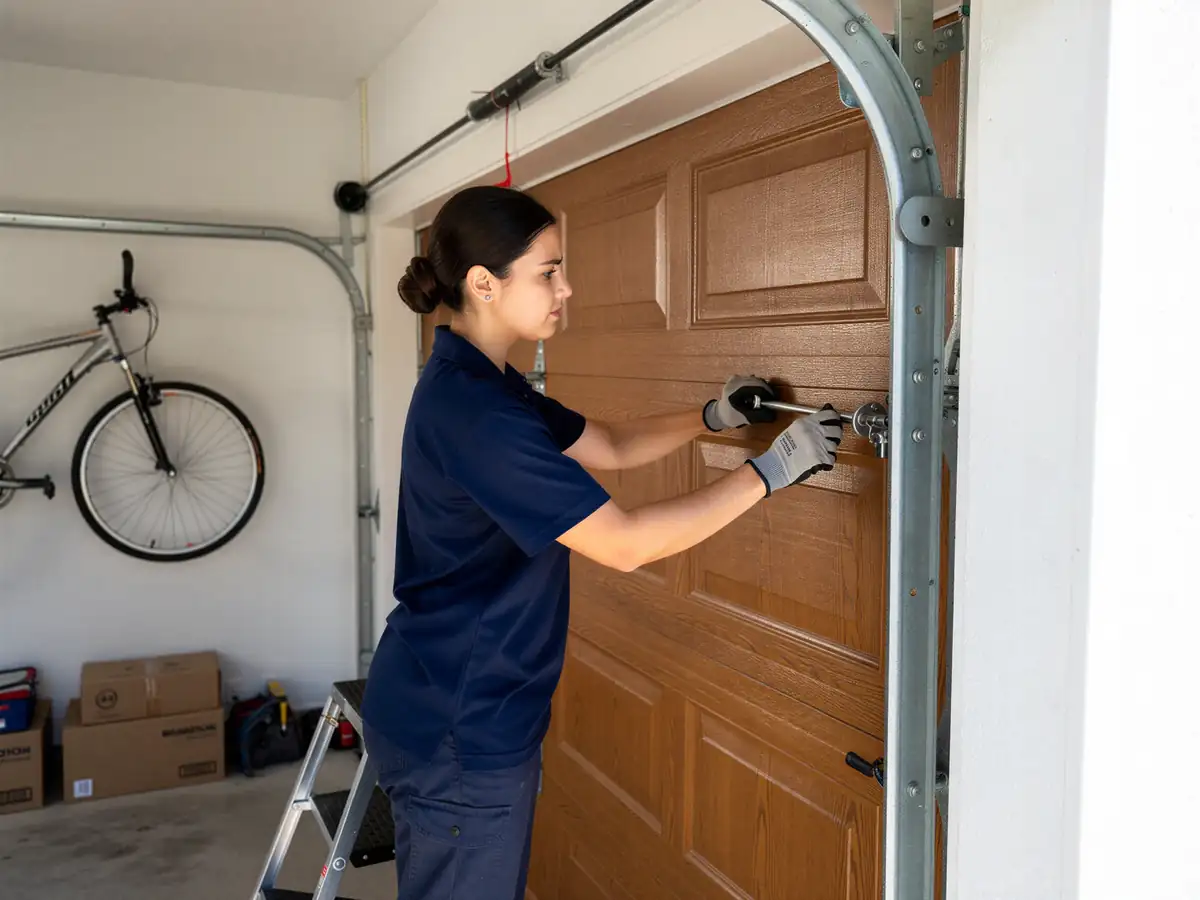
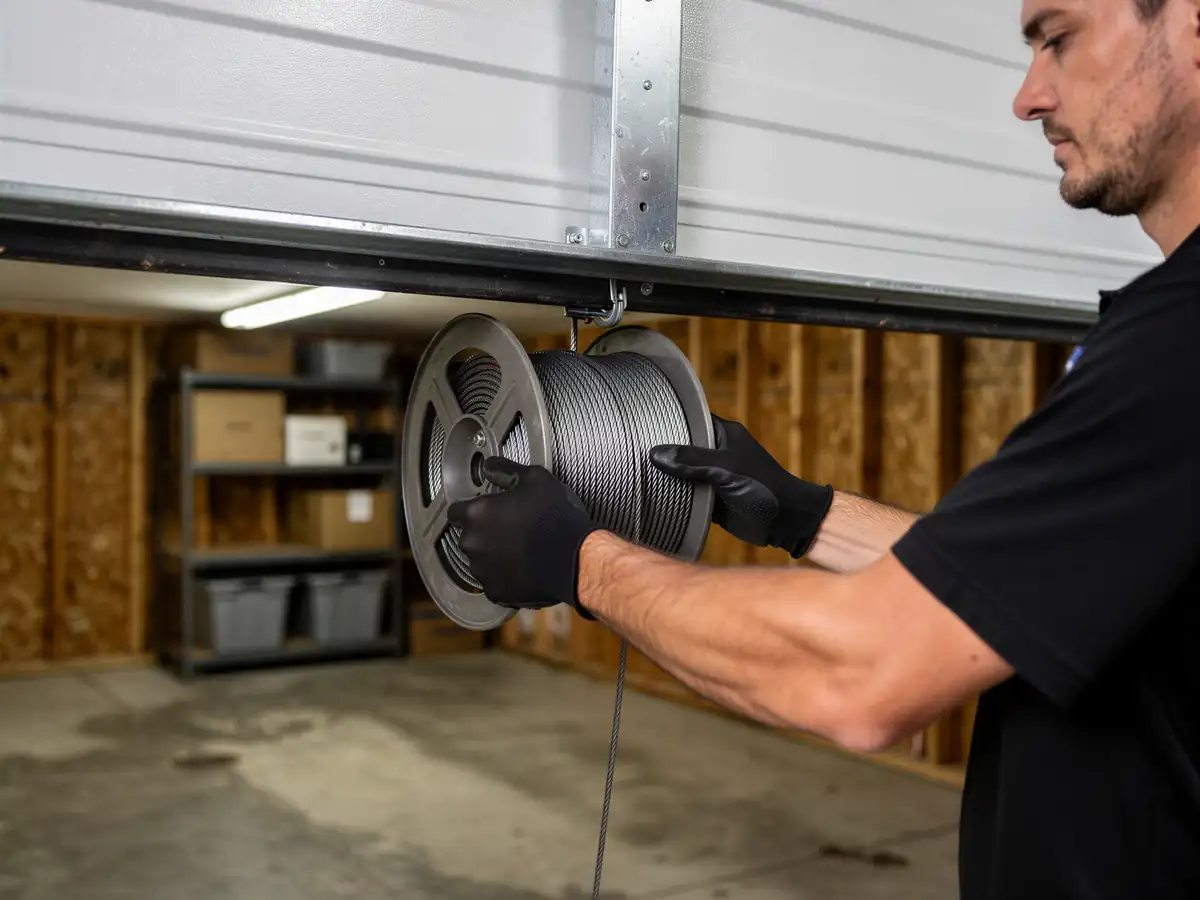
Start with the springs. If the torsion spring has already been replaced once and is failing again, that's wear catching up to a door that's seen 50-plus cold-weather cycles - not a bad part, just an old system.
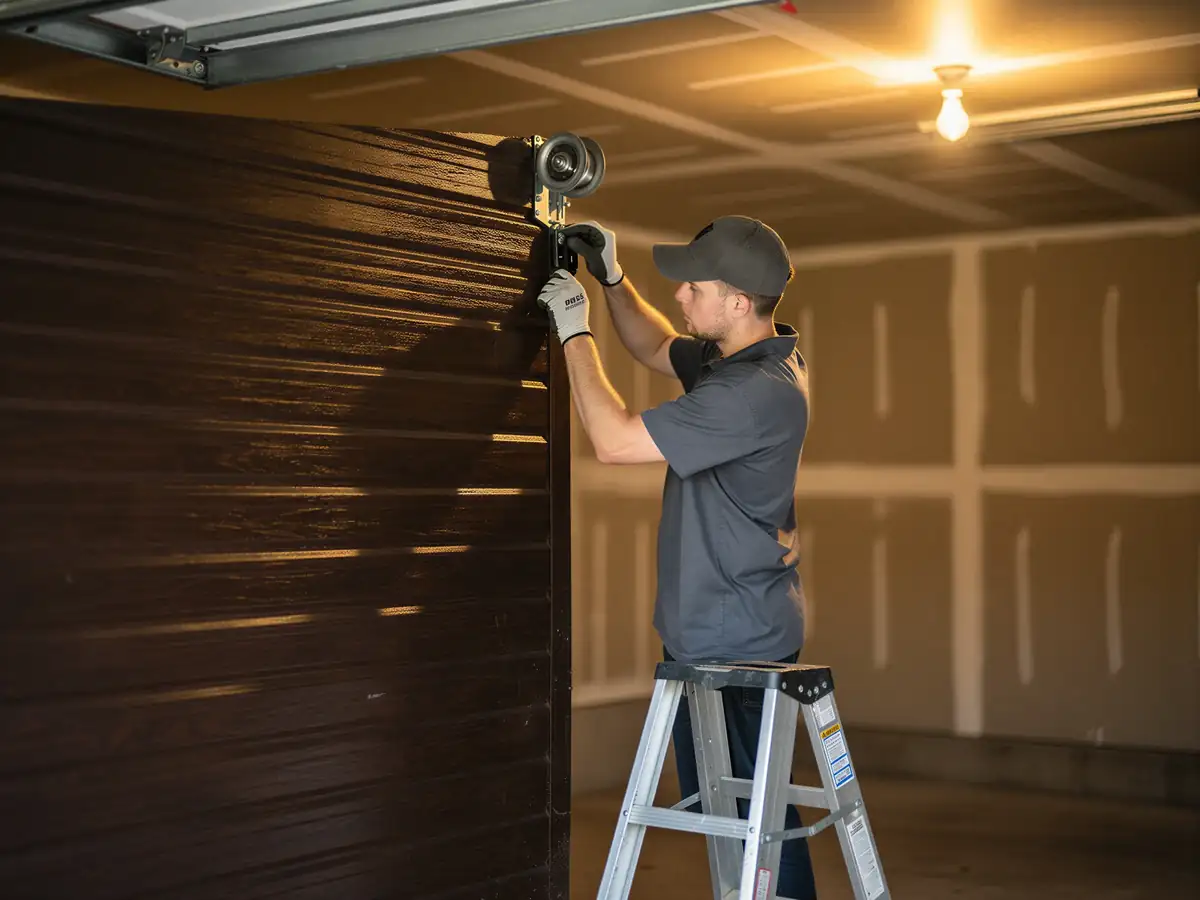
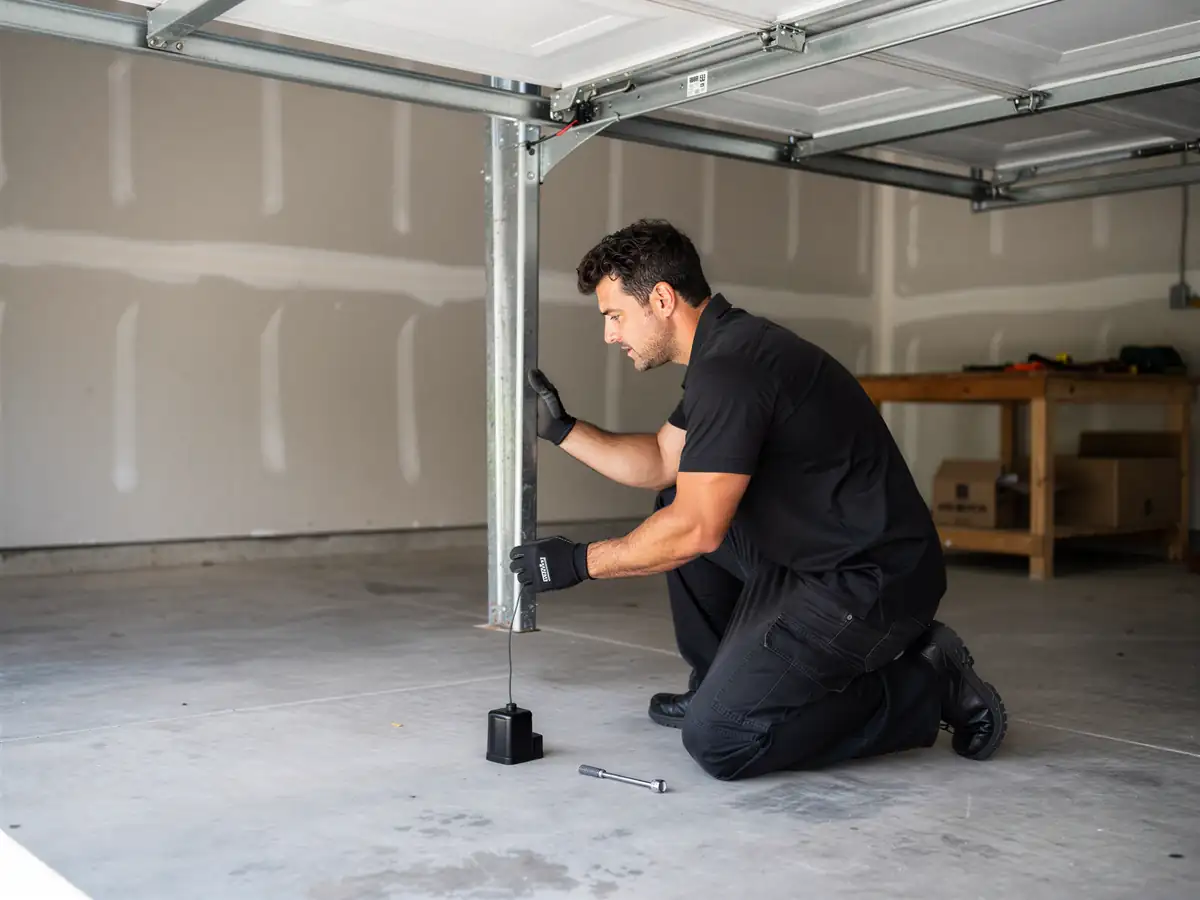
Look at the track alignment next. On original 1960s-era installs, tracks were often fastened to framing that's shifted slightly over six decades of freeze-thaw movement. If the door binds in the same spot every time and a track adjustment doesn't hold through a cold snap, the frame itself has likely moved enough that re-shimming is a temporary fix, not a real one.
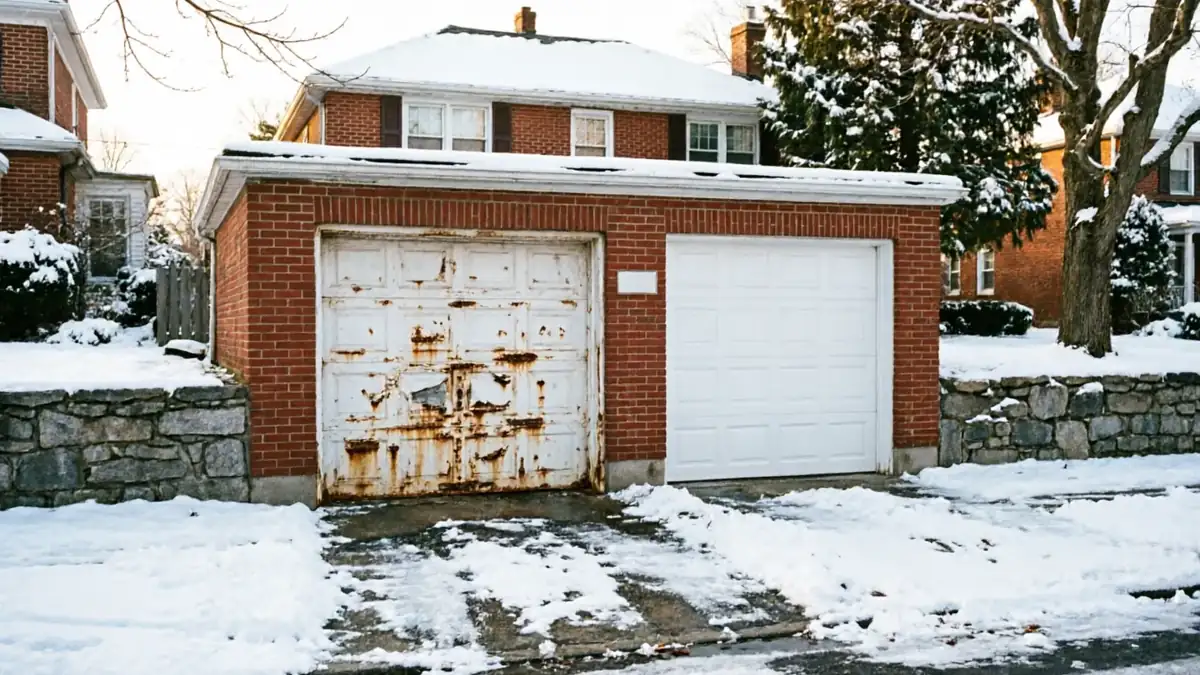
Check the panels for rust or delamination at the bottom, where decades of snow melt and road salt splash collect. On original steel doors from that era, this is usually further along than it looks from the driveway, since the damage starts on the inside face.
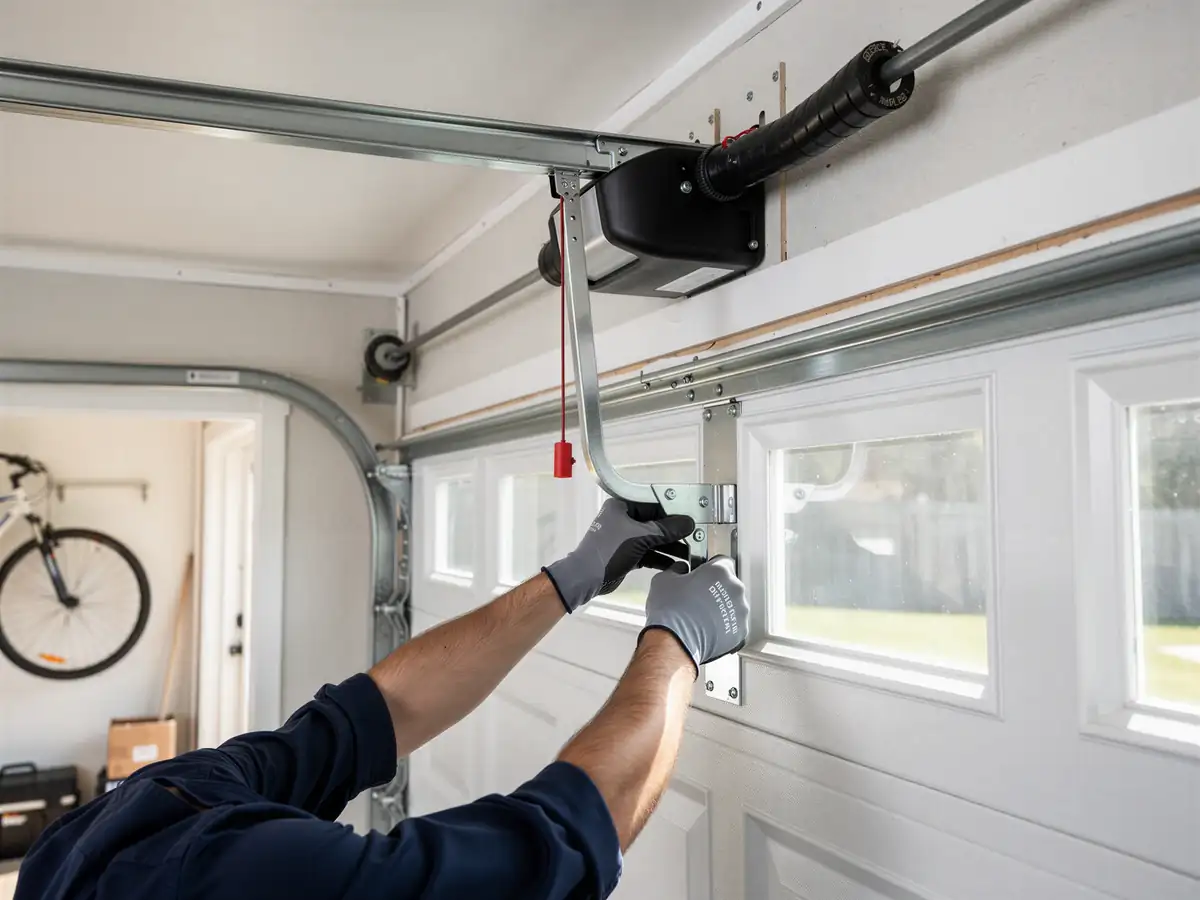
Finally, listen to the opener. A motor straining to lift a door whose springs and hardware are original to a 1960s or 70s build is doing double duty, and that strain shortens its life too. If you're hearing grinding under load, that's the opener telling you the mechanical side needs attention first.
When Waiting Is Fine
01
Not every noise or stiff spot means the door is near the end
If a door from this era is still opening smoothly and the only issue is a worn roller or a squeaky hinge, that's a straightforward swap, not a sign of a bigger problem. Cold weather makes nylon rollers louder and stiffer even when they're otherwise fine - that's the steel and plastic contracting differently, not failure.
02
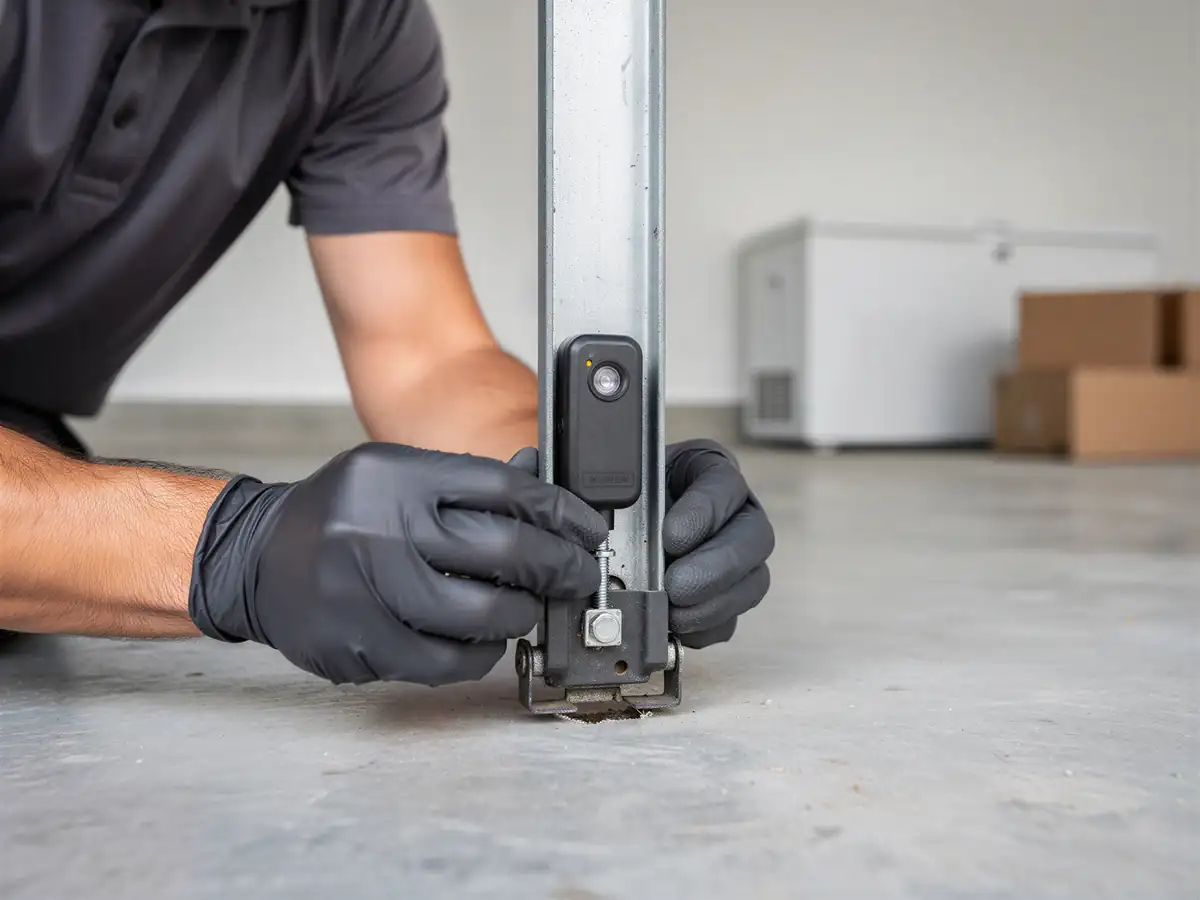
A single stuck sensor or a misaligned photo-eye is also not a reason to think about replacement
That's an afternoon fix regardless of how old the door is.
03
If your door is mid-generation
Say, installed in the 80s or 90s rather than original to a 1960s build - and the springs, track, and panels are all sound, there's no reason to replace ahead of schedule just because of the age of the house around it. Median income in this area runs around $100,000, and plenty of owners choose to keep maintaining a serviceable door rather than replace it early. We'll tell you plainly when a repair makes sense versus when it doesn't - we don't push replacement on a door that still has life in it.
What Is Going On
Here's the honest limitation: we can't always tell you over the phone whether your door is a repair or a replacement. Original hardware from a 1960s build can look rough and still be structurally sound, or it can look fine and have a spring one cold morning away from letting go. It takes a hands-on look at the specific door.
What we can tell you is the pattern we see across this area. With most housing stock dating to 1938 through 1996, and median build year around 1960, a lot of doors are now old enough that their hardware generation - not just the door panel - is the limiting factor. Replacing a spring on a door whose track and hinges are original to that era often means you're back out again within a year or two, because the rest of the system is at the same age and wearing at the same rate.
The severe cold winters here don't cause that wear, but they expose it faster than a mild climate would. That's why a door that seemed fine in September can fail outright in a hard freeze - the margin was already gone.
How it works
From “it’s stuck” to “it’s fixed”
01
Tell us what’s wrong
Describe the symptom - won’t open, loud bang, opener runs but the door won’t move.
02
On-site diagnosis
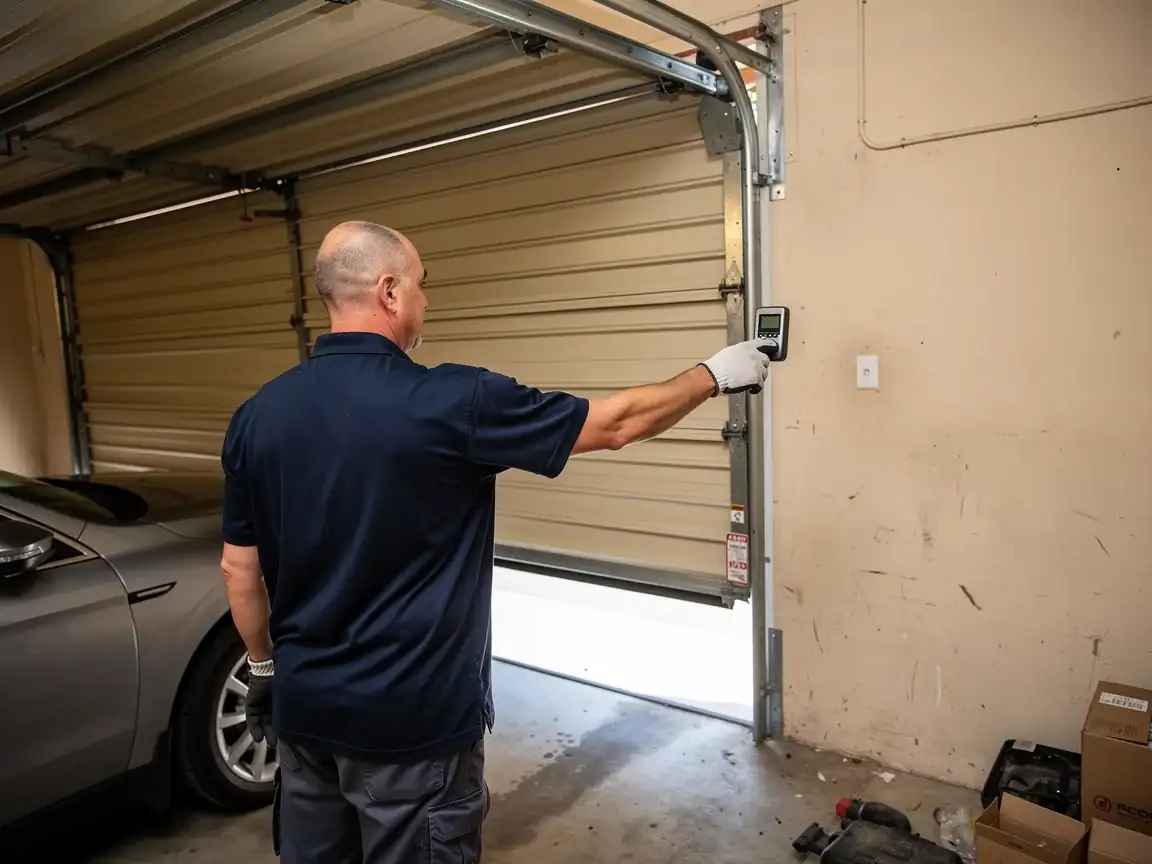
A technician tests the door under power and by hand and finds what actually failed.
03
Clear, up-front plan
You get the fix that’s needed and what drives the cost - before any work starts.
04
Repaired & tested
The repair is done, the door is set true and tested, and the work area left clean.
Not sure which repair your door needs in West Chester, PA? Describe what it’s doing - every job starts with a diagnosis.
Straight answers about garage door repair in West Chester. Still unsure? Ask us directly.
How old does a garage door have to be before replacing makes more sense than repairing?
There's no fixed number, but doors original to houses built in the 1960s through 70s - common across this area - are often at the point where track, hinges, and springs are all wearing out together. When more than one system is failing at once, repair costs start stacking up fast enough that replacement is usually the better spend.
Why does my garage door act up more in winter?
This area sits in a severe cold climate band, and steel contracts in low temperatures. On an older door, that contraction puts extra stress on rollers, hinges, and springs that already have decades of wear. Problems that were minor in fall often become binding or breakage once it stays below freezing.
Is it worth replacing just the spring on an old door?
Often yes, if the track and panels are sound. But if your door is original to a 1960s or 70s build and the spring has already been replaced once, that's usually a sign the rest of the hardware is reaching the end of its service life too, not just the spring.