Garage Door Repair for Thorndale's 1970s Housing Stock
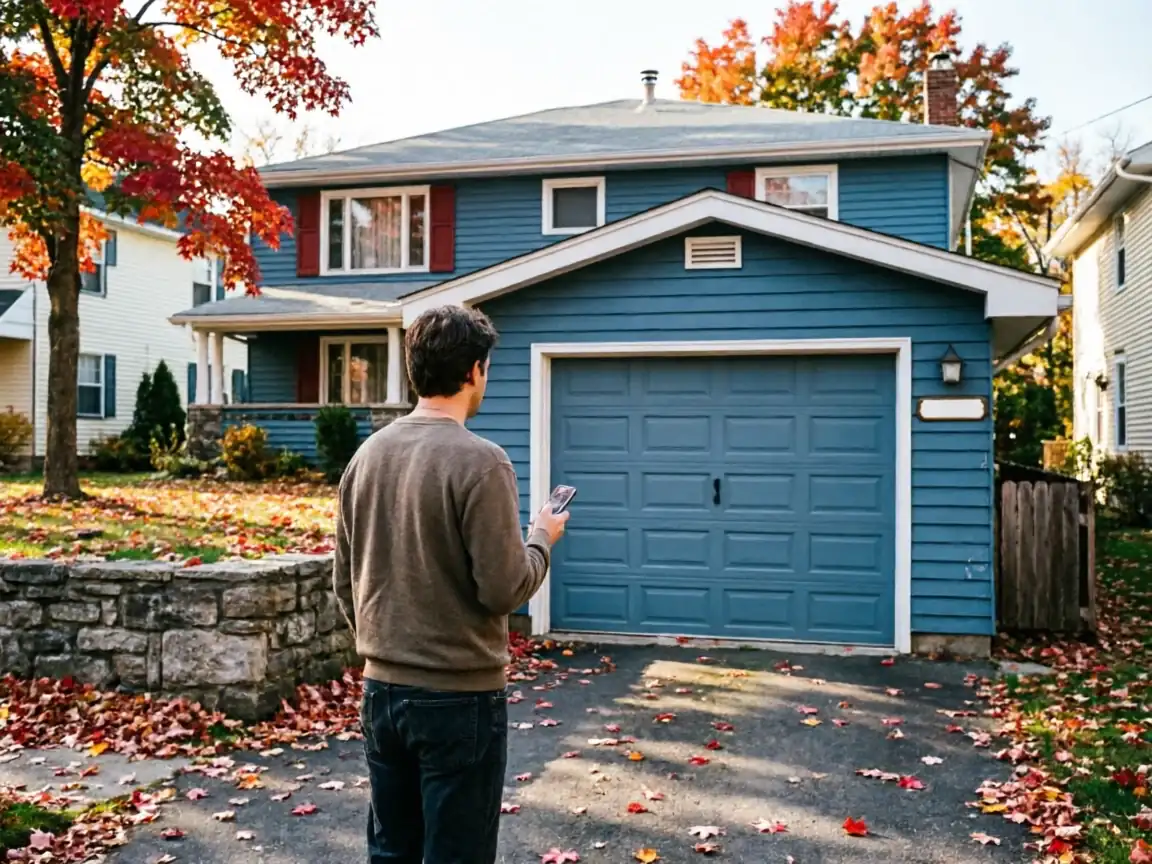
Thorndale homes mostly date to the mid-1970s, a decade newer than the service area median. That gap changes which spring, opener, and track fail first.
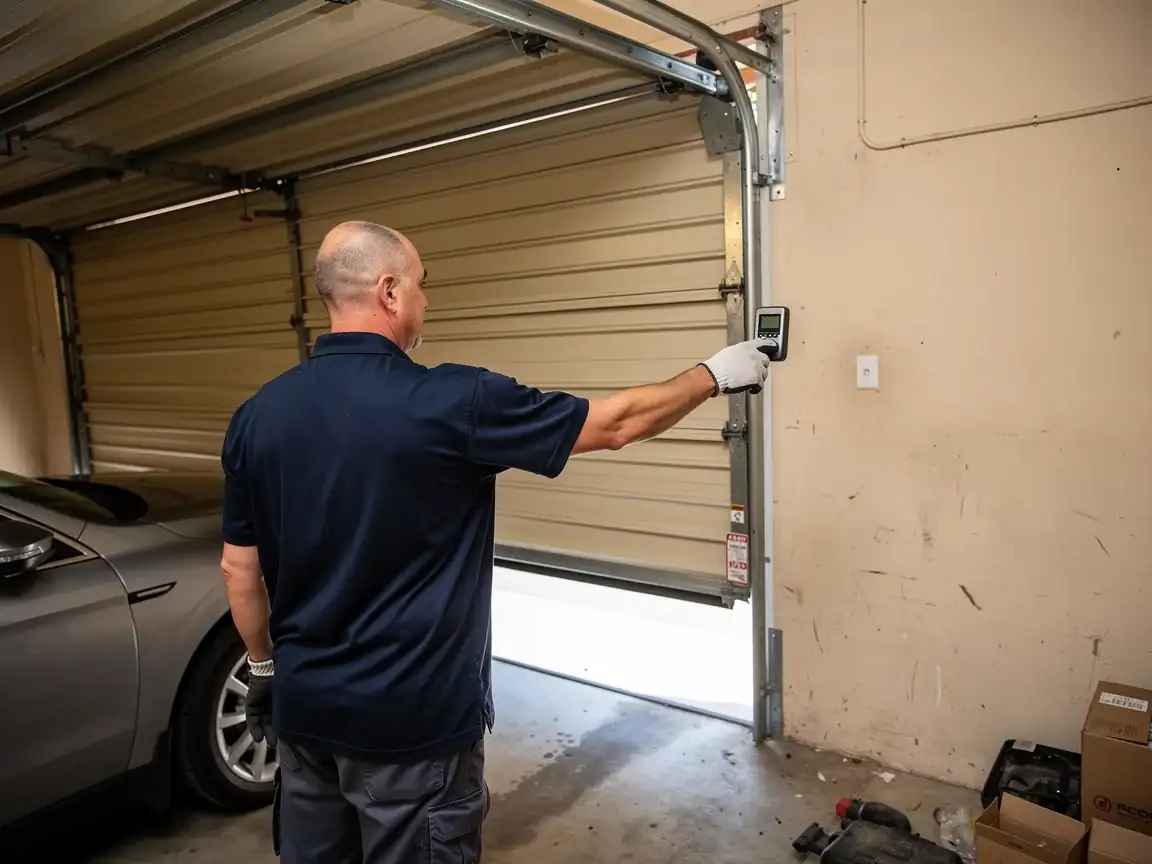
A cracked panel or a roller that's jumped the track, you can often look at yourself before calling anyone. Pop the garage door opener's manual release, see if the door moves freely by hand, and you'll know fast whether the problem is the opener or the door itself. What you should not touch is a torsion spring under tension - on a door this size, that spring can put out enough force to break a wrist or worse, and it is not a Saturday project.
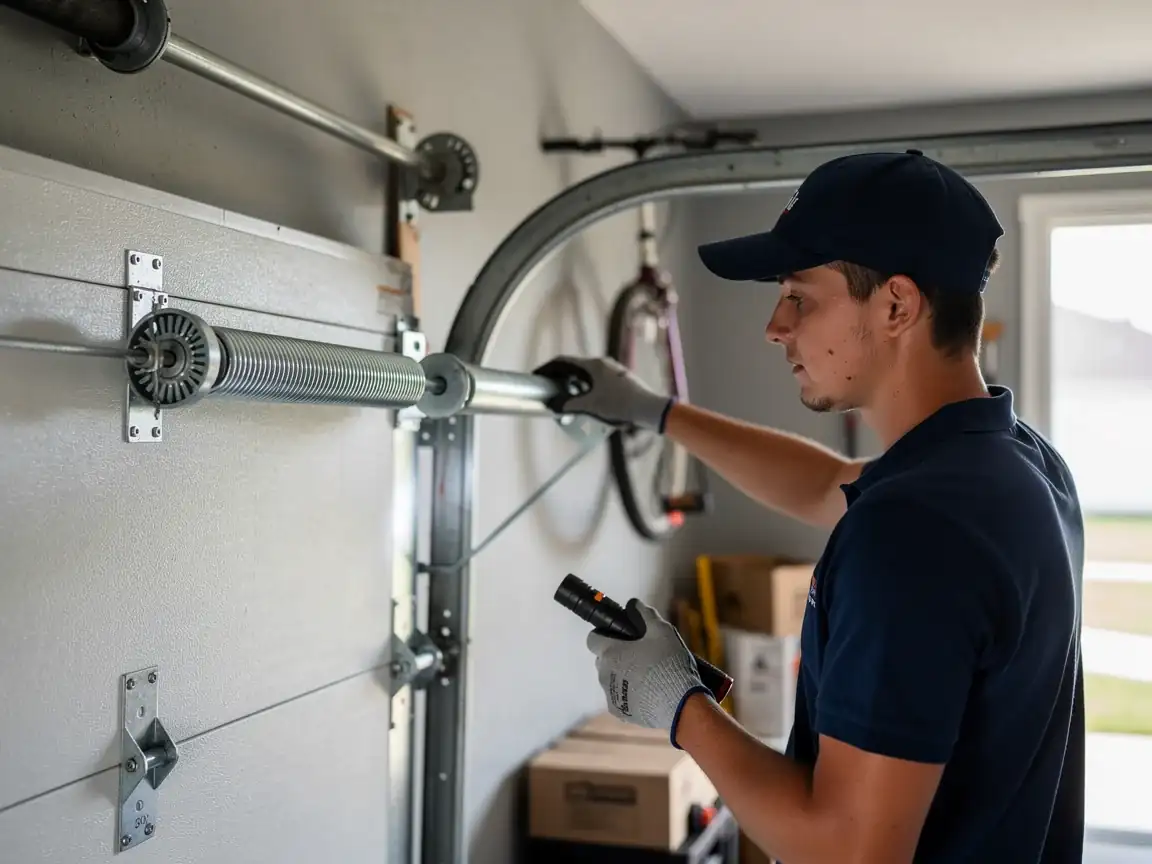
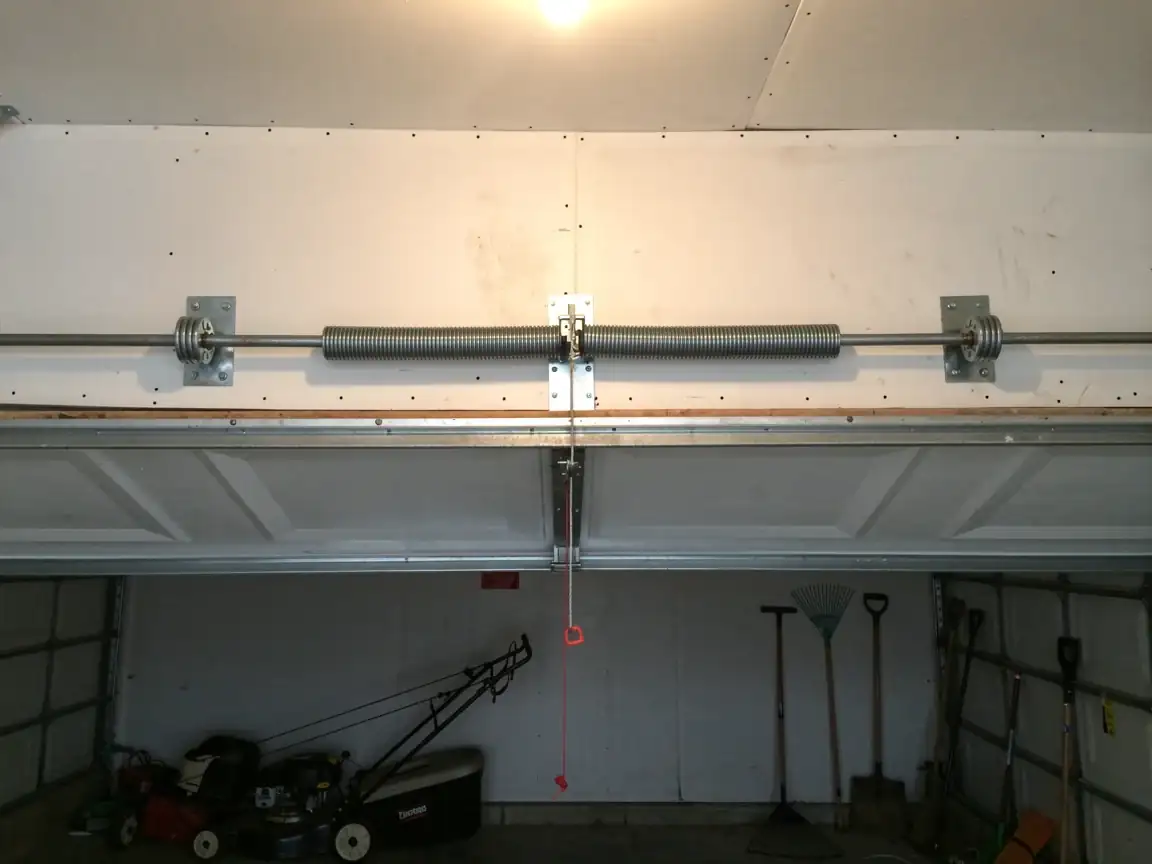
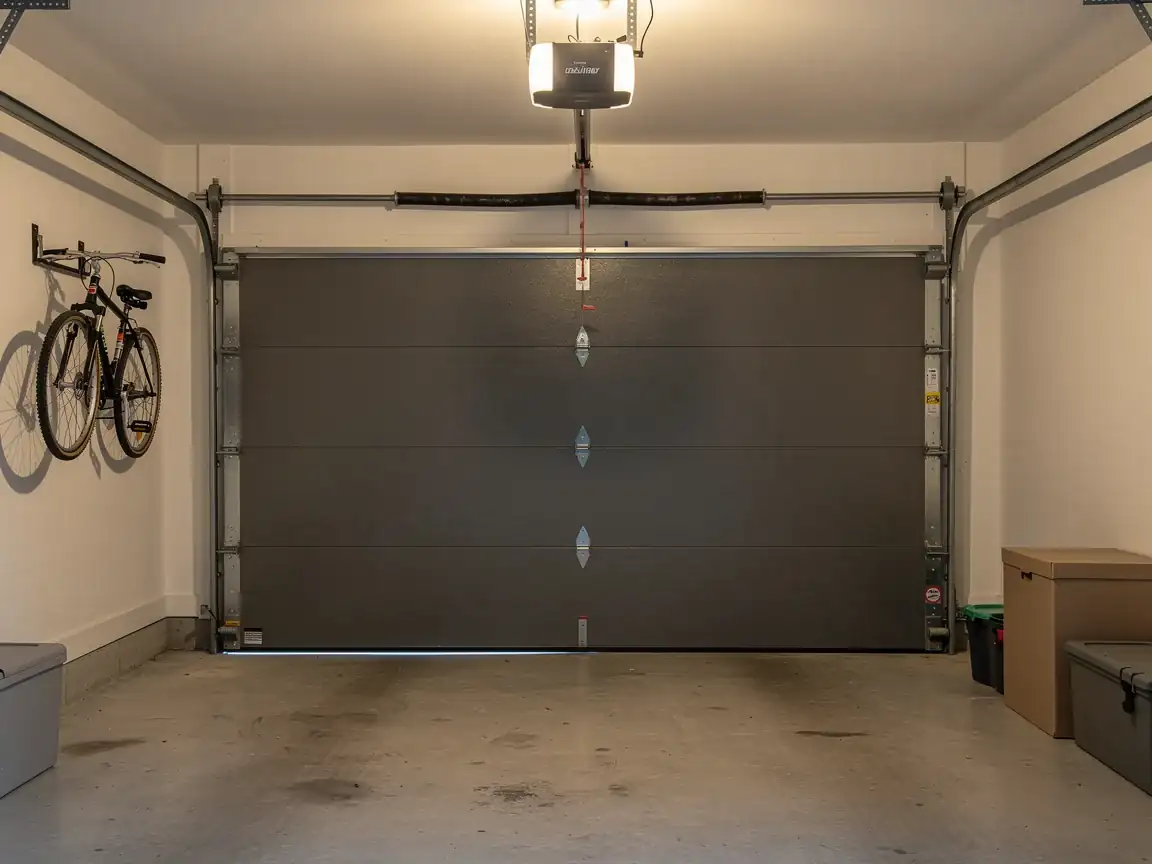
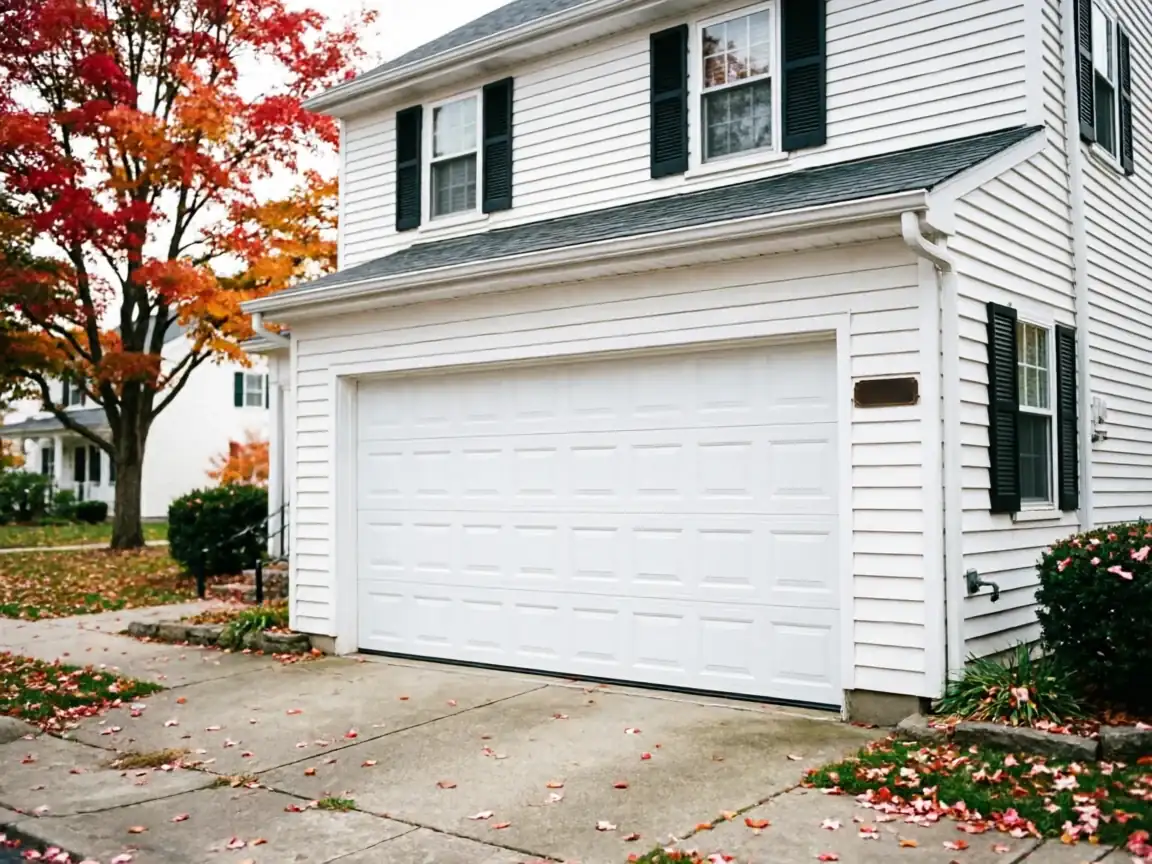
Houses in Thorndale went up mostly around 1976, which is newer than the service area median of 1960. That means more of these doors came with torsion springs on a center bracket rather than the older side-mounted extension spring setups common on 1960s houses nearby. Torsion systems are safer when installed right but unforgiving to work on without the right bars and clamps. If you're hearing a loud bang from the garage and the door won't budge, that's almost always a broken spring - stop there and call. We travel from West Chester, about 8 miles out, and we're honest that some jobs, like spring replacement, aren't ones we'll walk you through over the phone.
What the Repair Takes
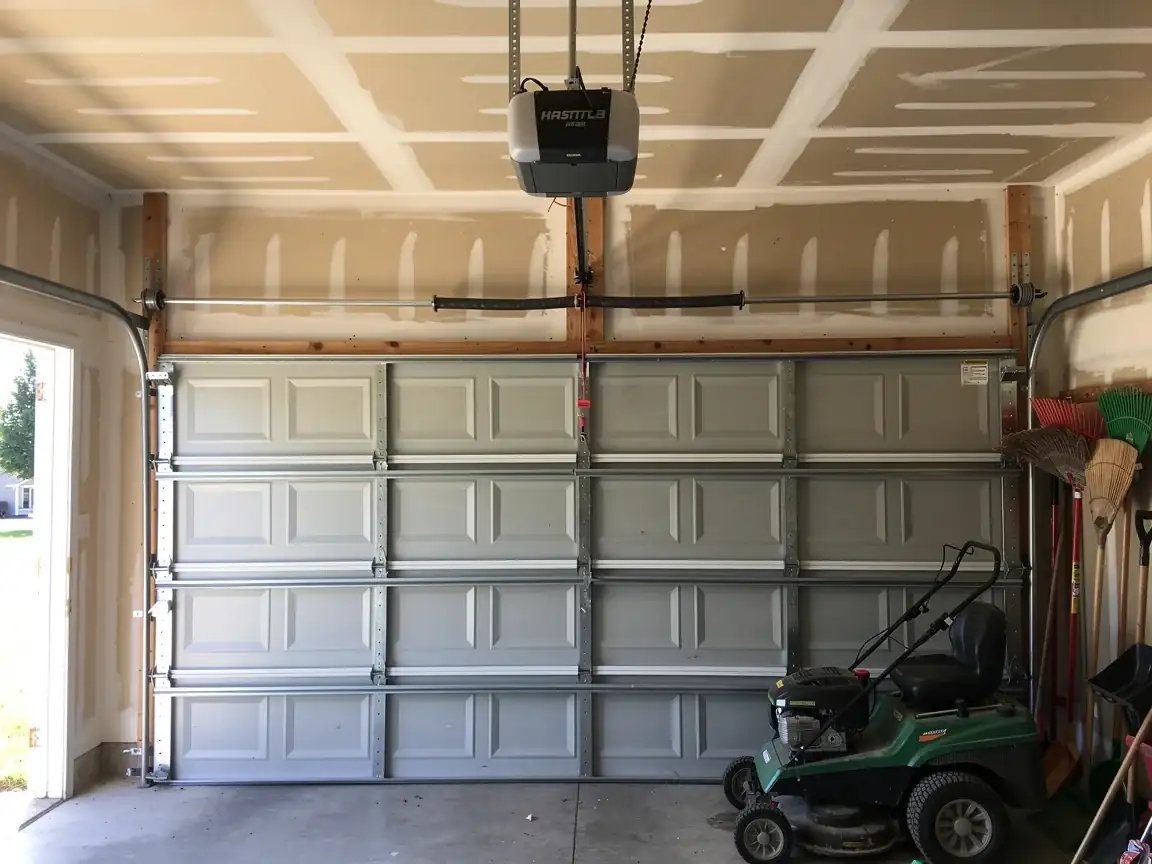
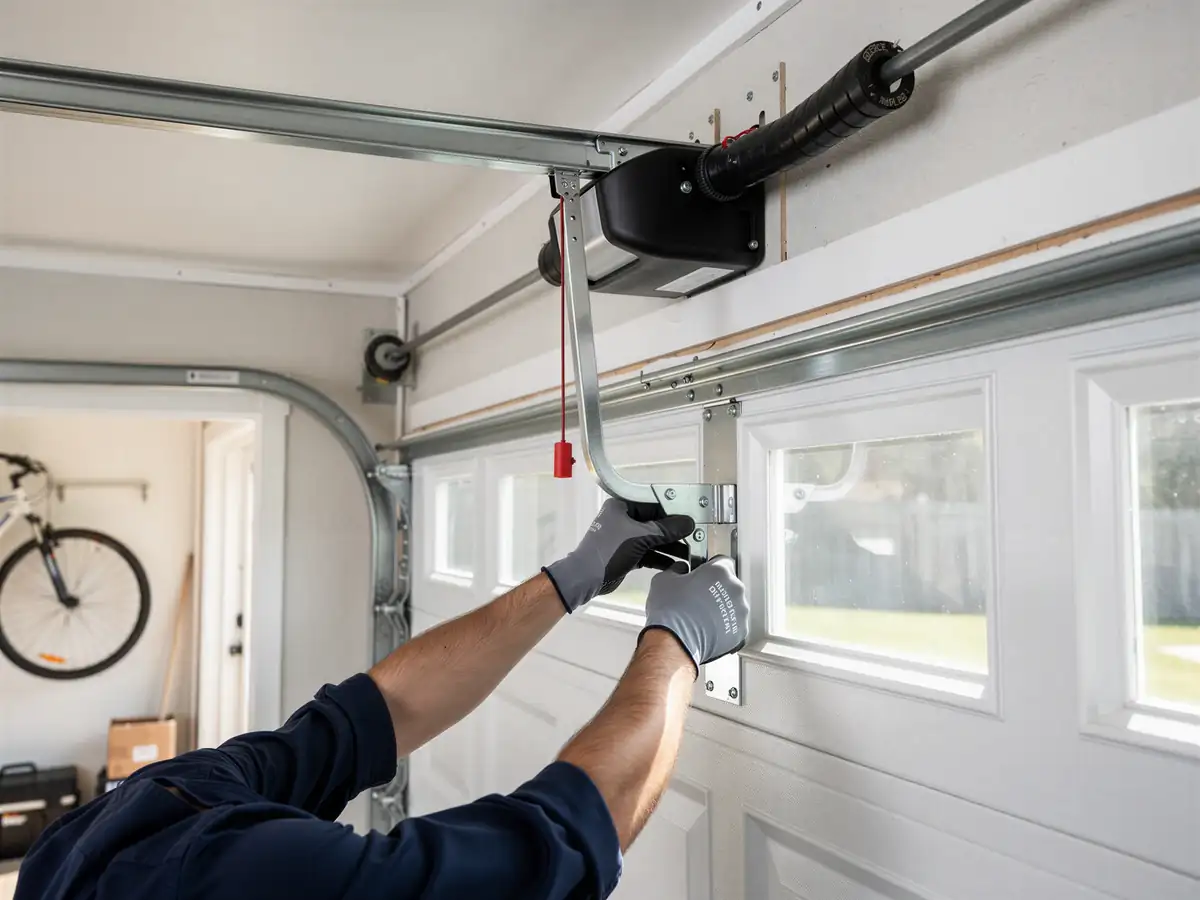
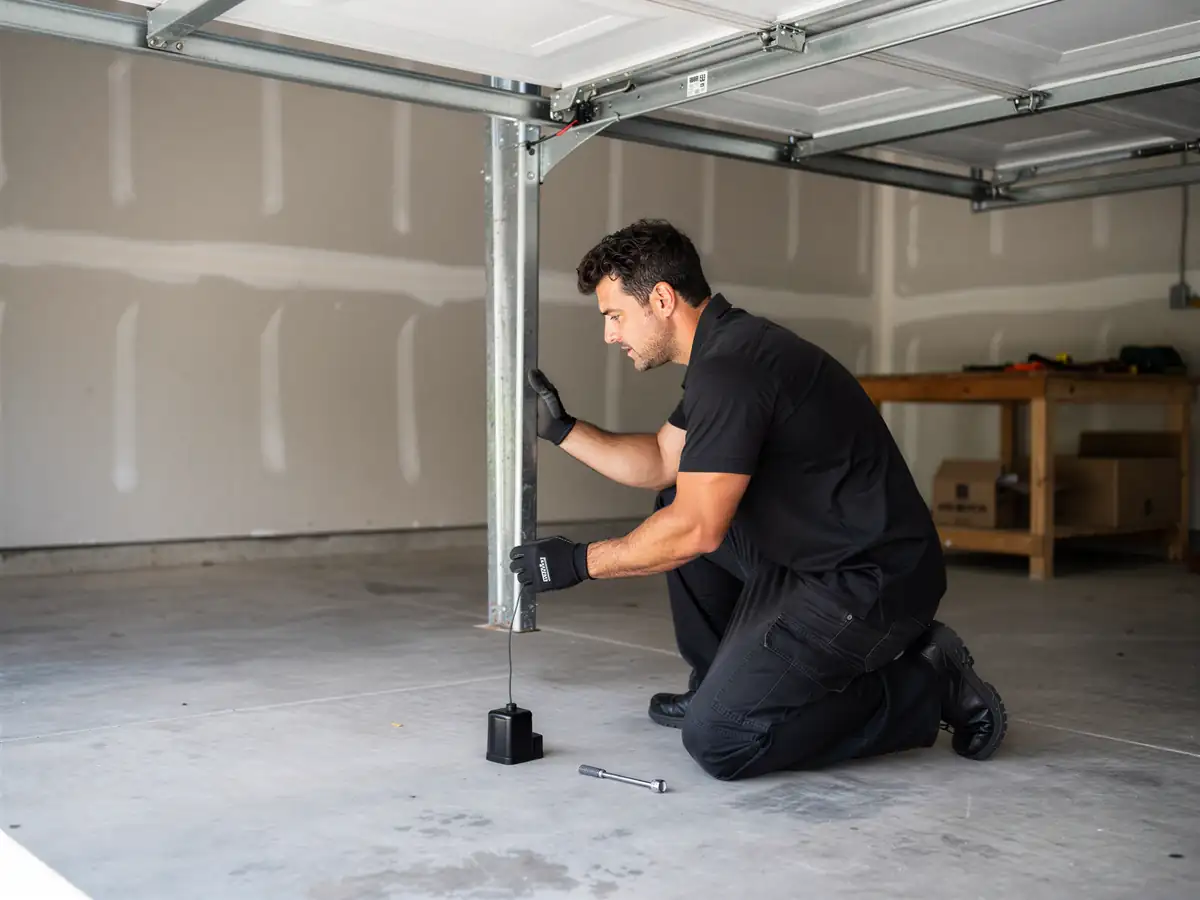
A typical repair call starts with diagnosing whether the fault is the door itself - springs, cables, rollers, track - or the opener and its drive system. On the 1976-era doors common here, we're usually dealing with torsion spring assemblies, steel rollers on steel track, and openers that have likely been replaced at least once since the house was built given their expected service life.
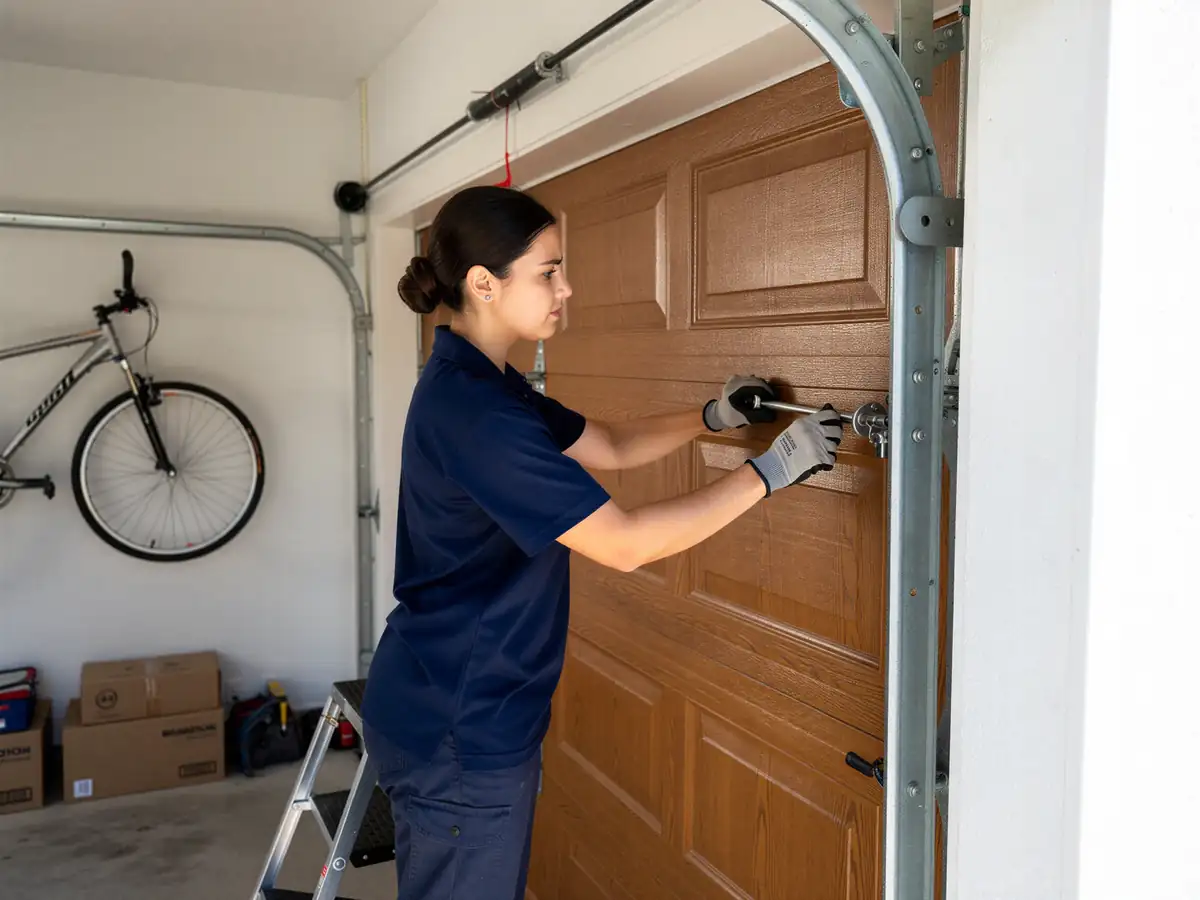
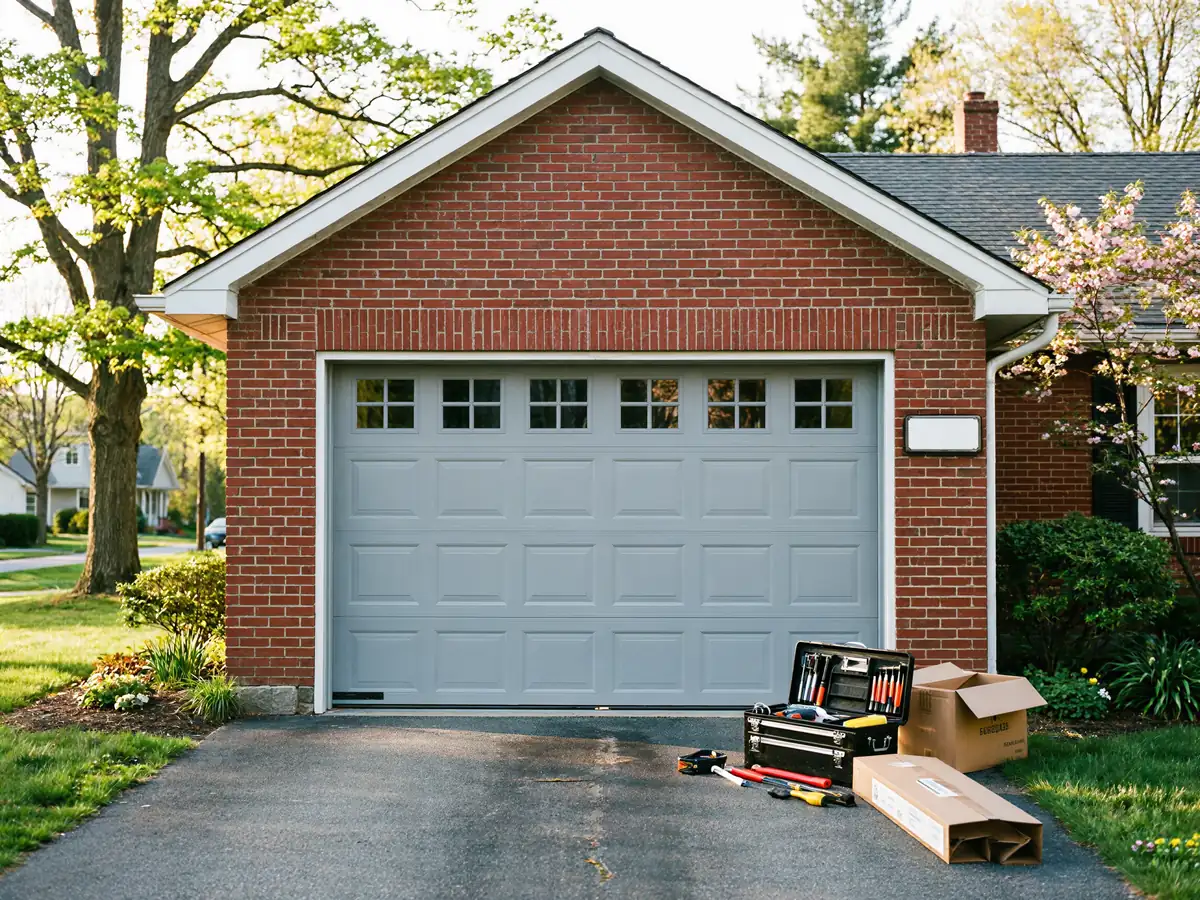
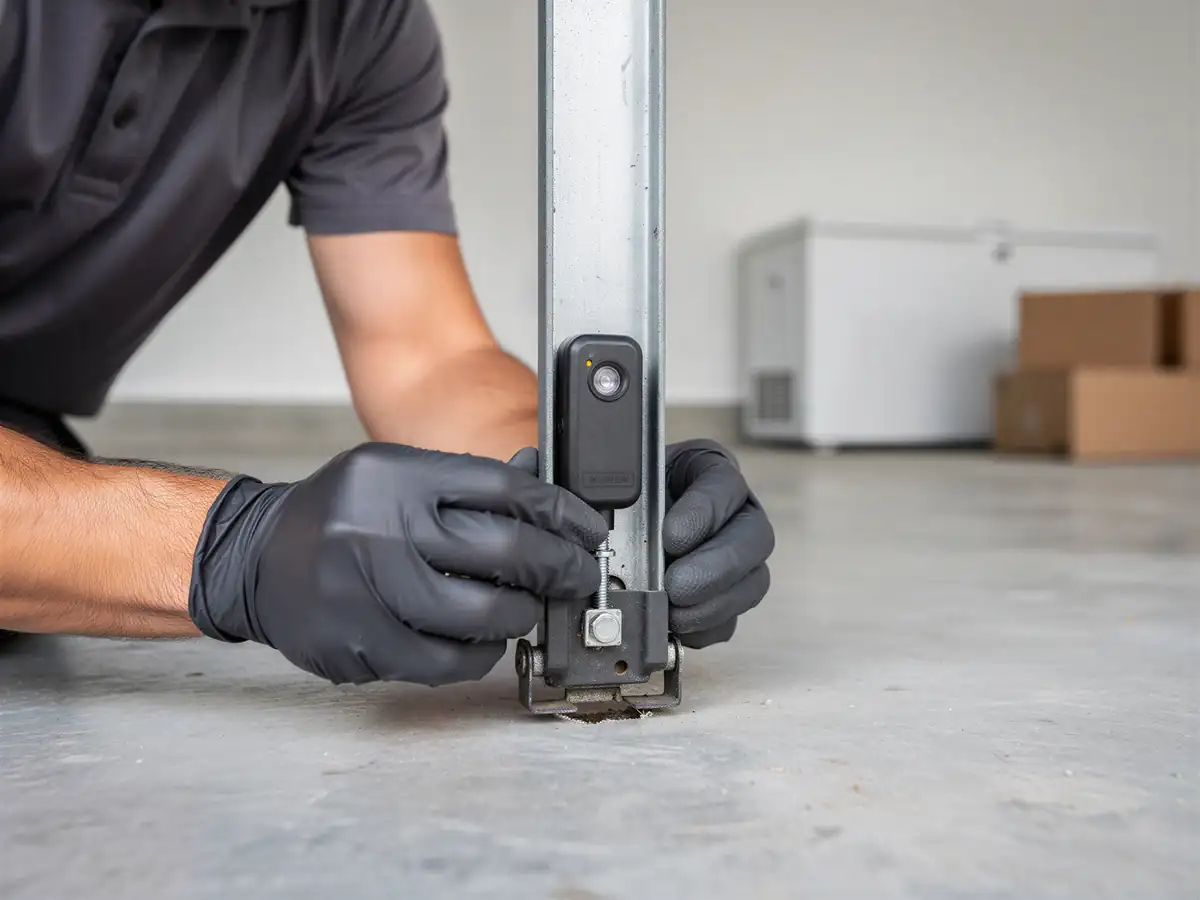
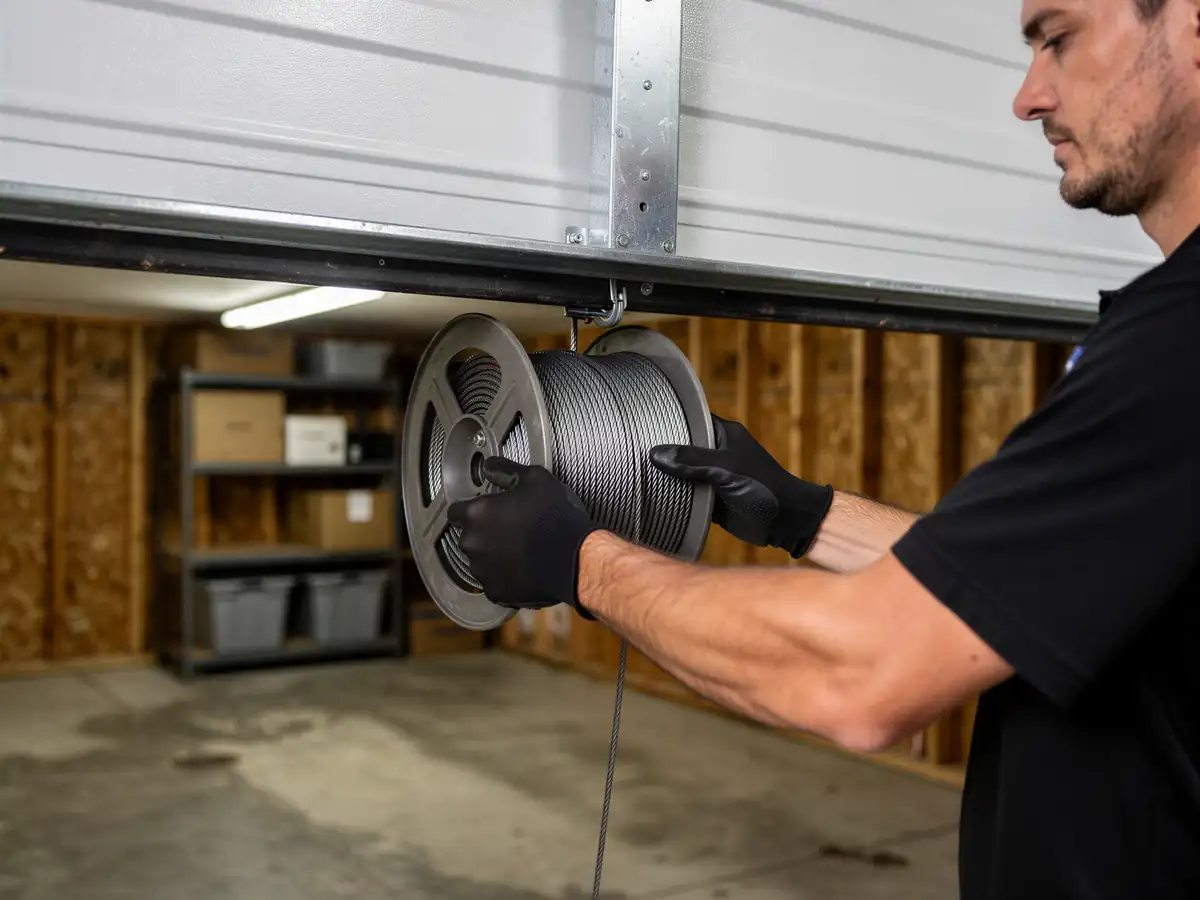
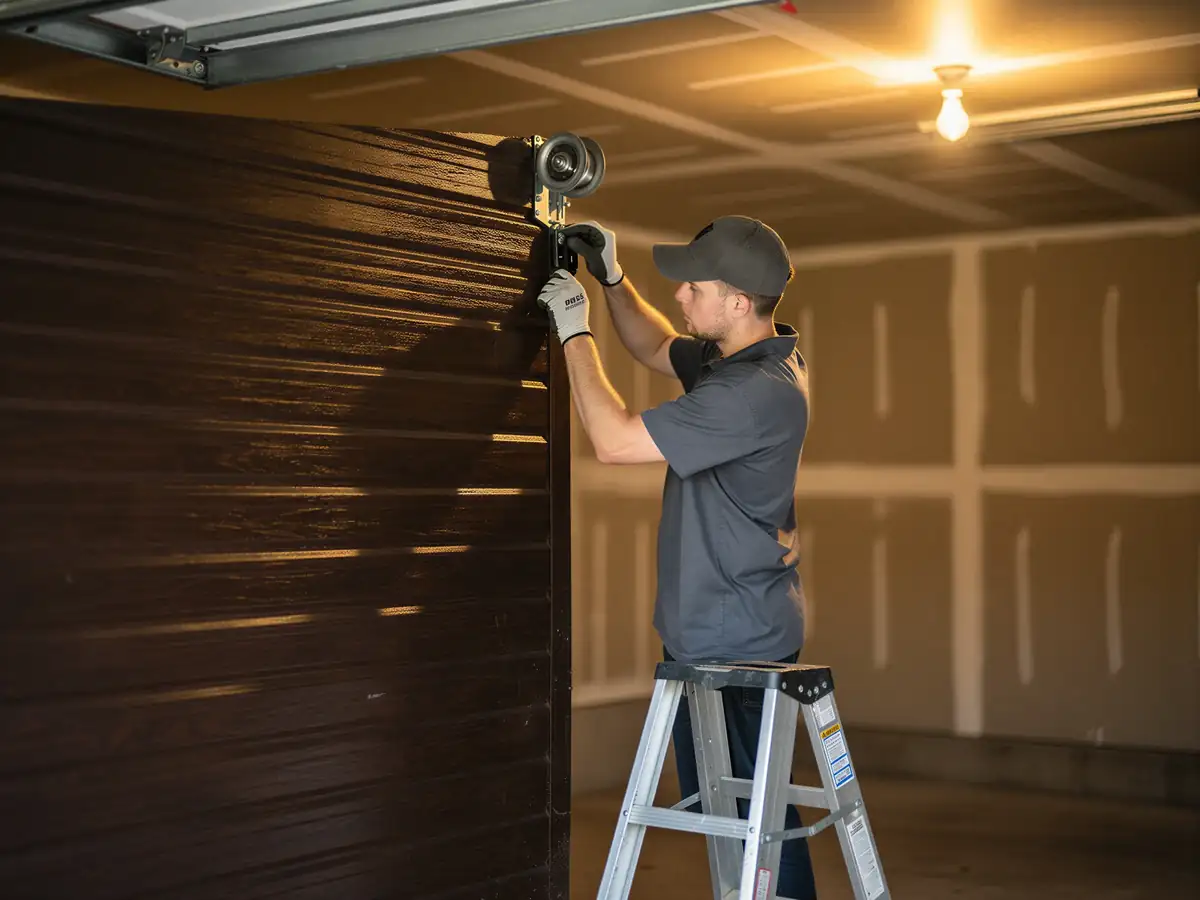
The actual repair takes winding bars, a vise grip set, and matching the spring wire size and wind direction to the door's weight - guess wrong and the door either won't lift evenly or will slam down fast. For opener issues, we check the logic board, the sensors, and the drive gear before assuming the motor itself is dead. For track or roller problems, misalignment usually traces back to a bent bracket, not the track itself. We bring what a torsion-spring, steel-track door from this build era typically needs, but we still measure before we cut or order anything - no two installs are identical even within the same housing wave.
What Causes It Around Here
01
Thorndale sits in a cold-climate band with severe winter conditions
And that matters for a door built in the mid-1970s. Steel components that have gone through close to five decades of freeze-thaw cycles develop rust at the roller shafts and spring coils well before the door panel itself looks worn. Cold snaps stiffen the lubricant in older bearings, so a door that moved fine in October can start grinding or sticking once temperatures drop.
02
The area's median household income of $107,995 and the fact that most of the local housing in the wider service area dates to between 1938 and 1996 tells us something practical: original hardware on these doors has often been mismatched with later opener upgrades
A household that can afford to swap the opener for a newer, quieter unit often doesn't touch the track or springs at the same time - which leaves a new motor straining against old, stiff hardware. That mismatch is the single most common cause of the
$107,995 median household income
How it works
From “it’s stuck” to “it’s fixed”
01
Tell us what’s wrong
Describe the symptom - won’t open, loud bang, opener runs but the door won’t move.
02
On-site diagnosis
A technician tests the door under power and by hand and finds what actually failed.
03
Clear, up-front plan
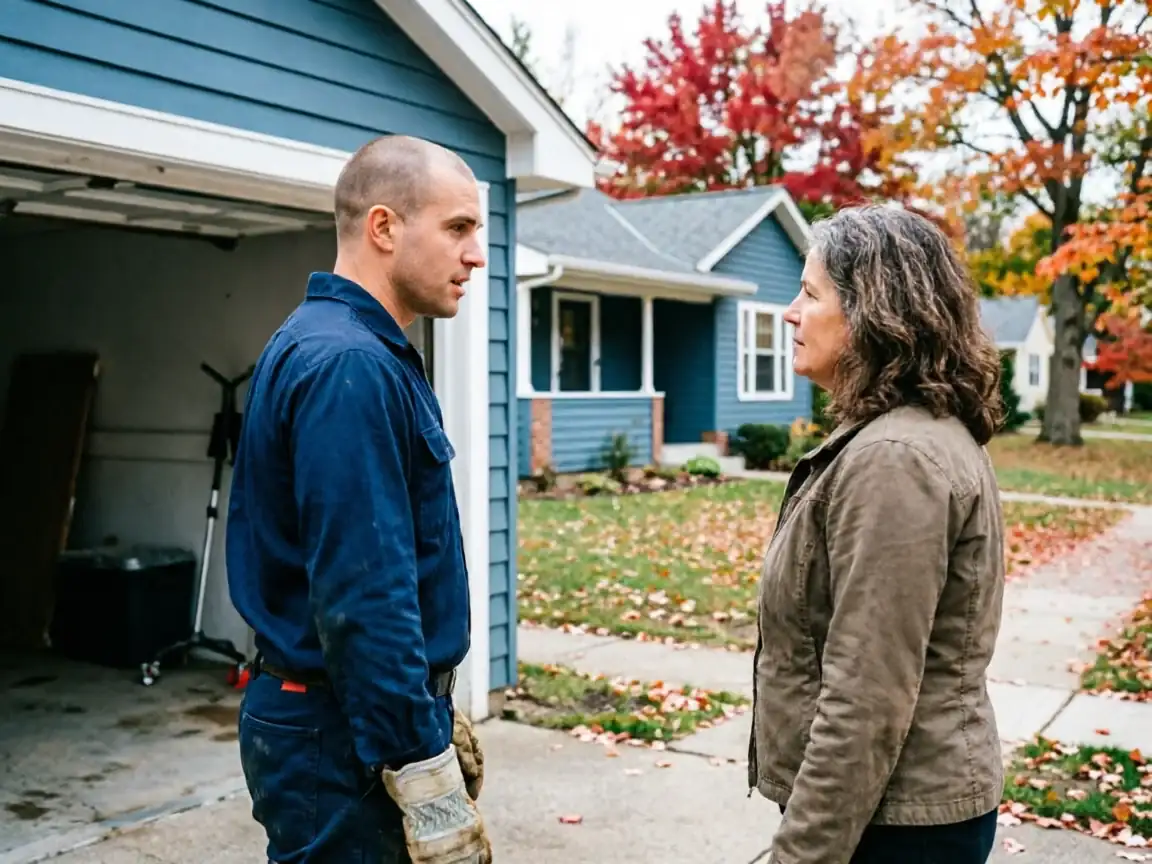
You get the fix that’s needed and what drives the cost - before any work starts.
04
Repaired & tested
The repair is done, the door is set true and tested, and the work area left clean.
Not sure which repair your door needs in West Chester, PA? Describe what it’s doing - every job starts with a diagnosis.
Straight answers about garage door repair in West Chester. Still unsure? Ask us directly.
Why does my garage door bang loudly and then not open?
A loud bang almost always means a torsion spring snapped. The door will feel immovable by hand and the opener will strain or stop. This is common on 1970s-era torsion setups once the spring coils fatigue from repeated cold-weather cycling. Don't force the door open - call for a spring replacement rather than trying to work around it.
Is my opener or my door the problem?
Pull the manual release cord and try moving the door by hand. If it's heavy, stuck, or uneven, the fault is in the springs, cables, or track. If it glides smoothly by hand but the opener won't engage, the fault is electrical or in the drive gear. That split tells a technician where to start before a truck even leaves West Chester.
How far out is Thorndale from your base?
We cover Thorndale from West Chester, about 8 miles away. We don't have a branch or depot in Thorndale itself, so every job here is a scheduled visit rather than a walk-in call.
Will you just repair the spring or do I need a whole new door?
If the panels, track, and opener are sound, a spring swap on its own is usually the right call rather than a full replacement. We only recommend a new door when the rust, warping, or hardware mismatch goes well beyond the spring - that's a judgment call made on site, not before.