Opener installs for Thorndale's 1976-median housing, covered from West Chester 8 miles away. Straight talk on cold-climate drives, old chain units, and real costs.
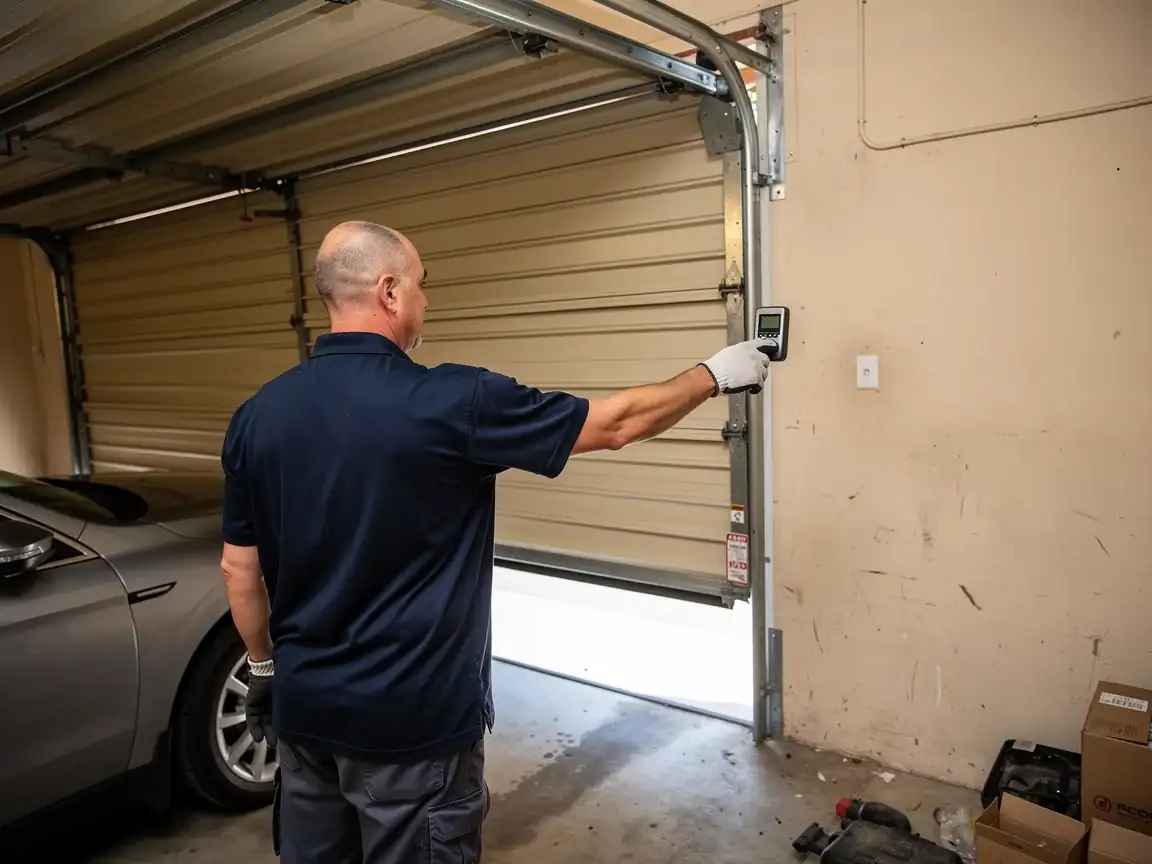
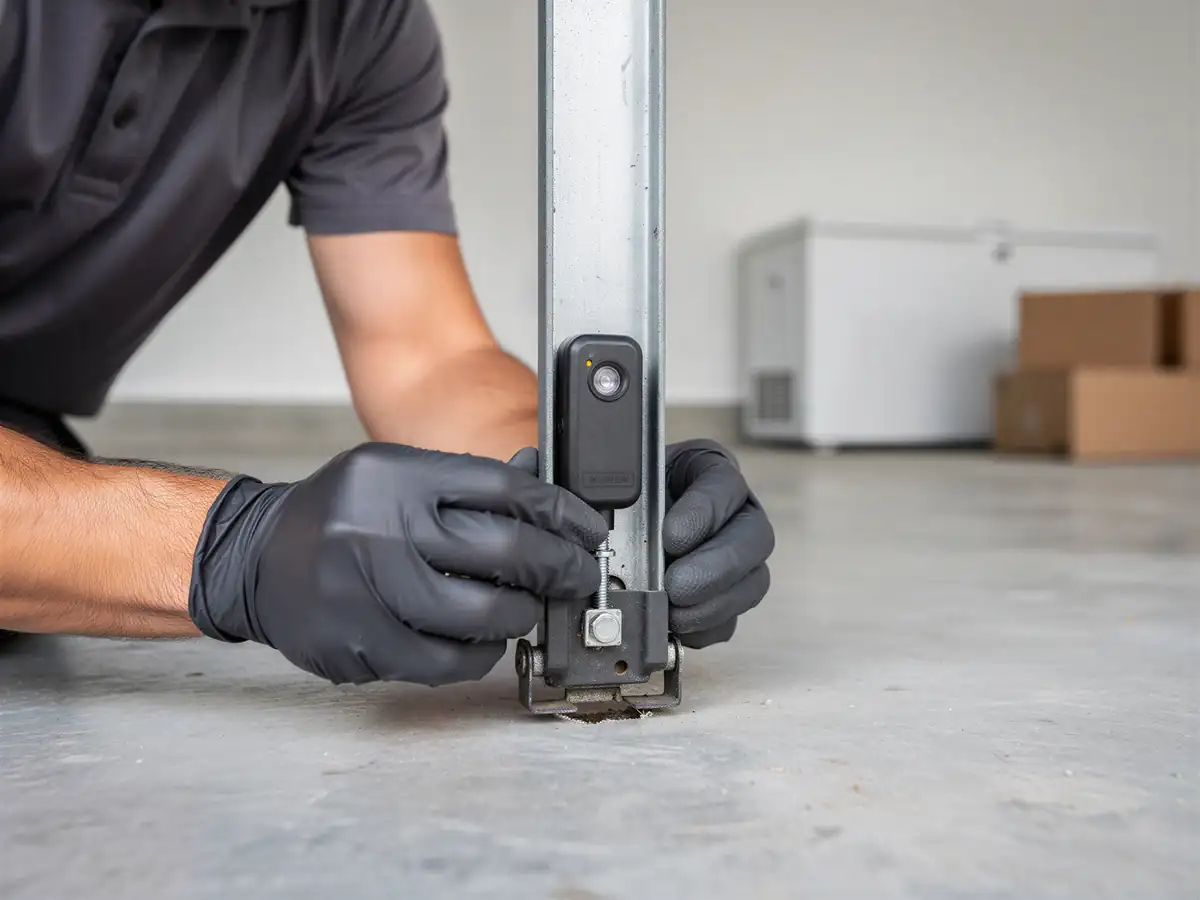
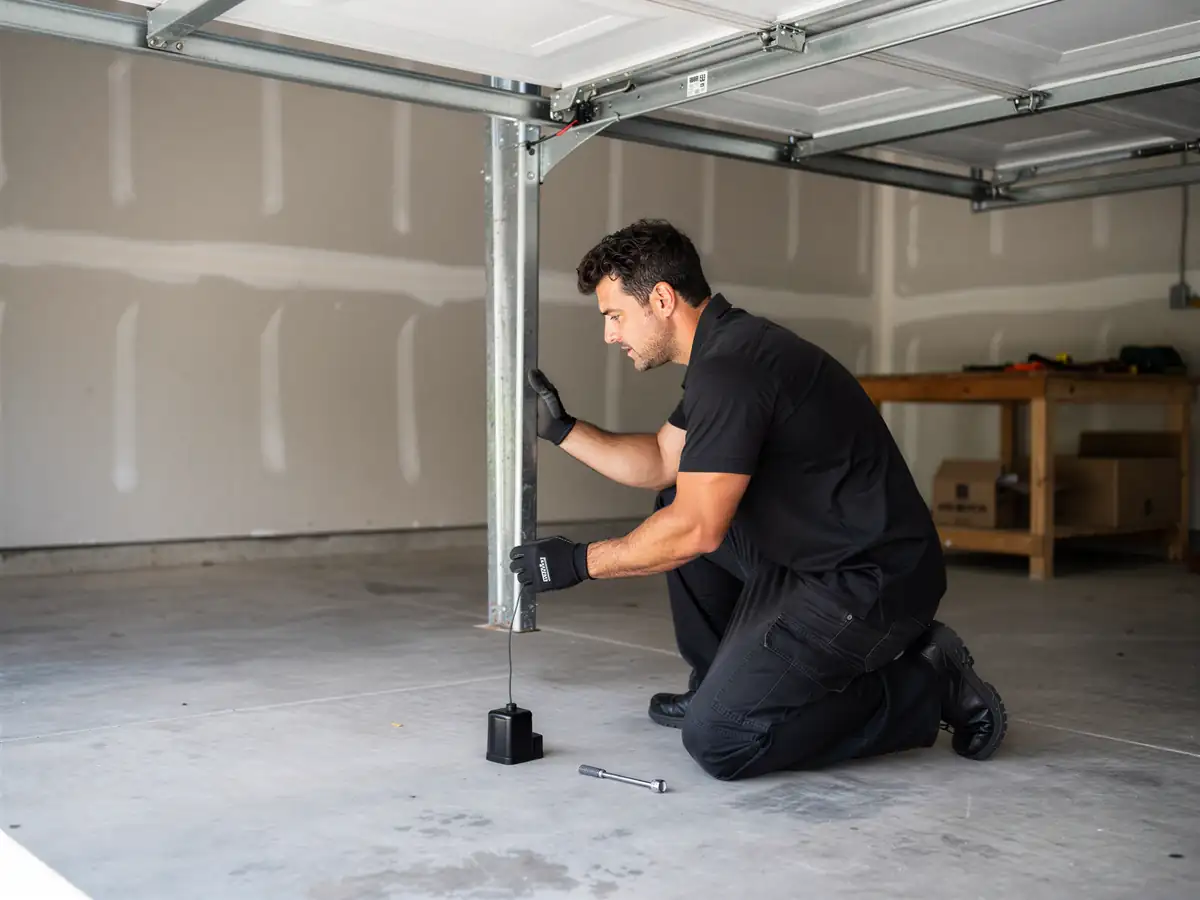
Thorndale sits about 8 miles out, and that drive shapes how we schedule the job more than how we do it - a crew still has to show up, kill power at the panel, pull the old unit, and run a new one through its full safety cycle before anyone leaves. That last part is where DIY installs go wrong. A new opener has to be wired to a dedicated circuit, the travel limits set so the door doesn't crush anything, and the photo-eye sensors aimed and tested - not just plugged in and hoped for. If your house still has its original 1976-era opener, there's a decent chance it predates the 1993 federal rule requiring those photo-eyes at all, which means a swap isn't just a parts upgrade, it's a wiring job. We'll say plainly: if you're comfortable with a multimeter and torque specs, you can do a lot of this yourself. If you're not, this is not the place to find out the hard way - a dropped door on a torsion-sprung track can break fingers, not just drywall.
What the Repair Takes
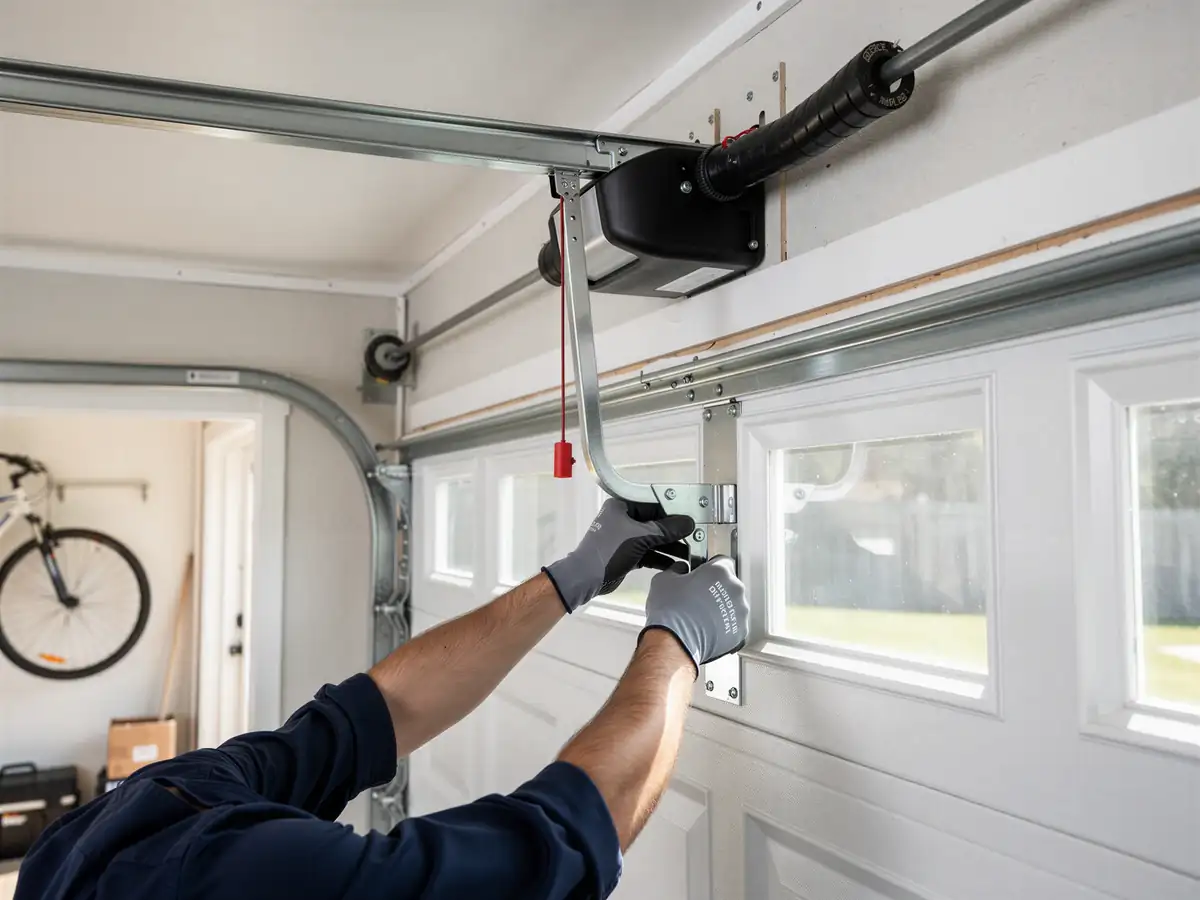
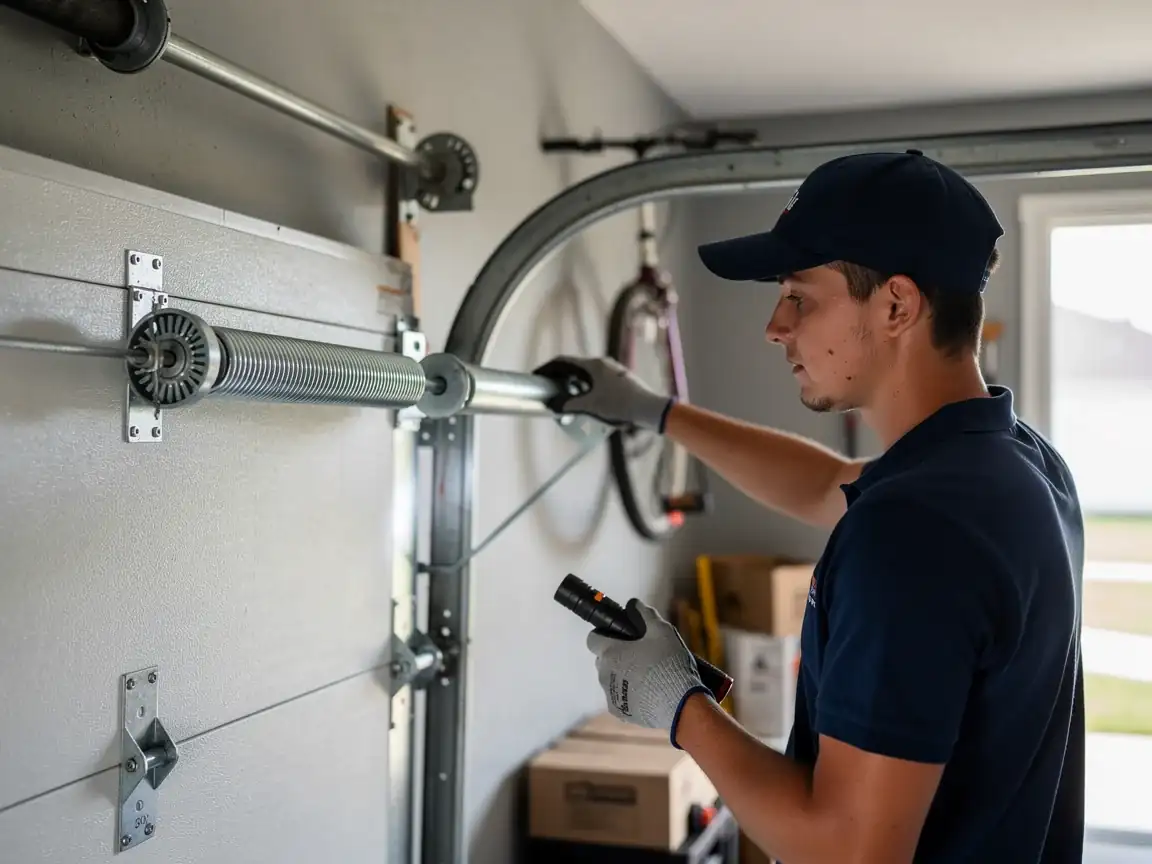
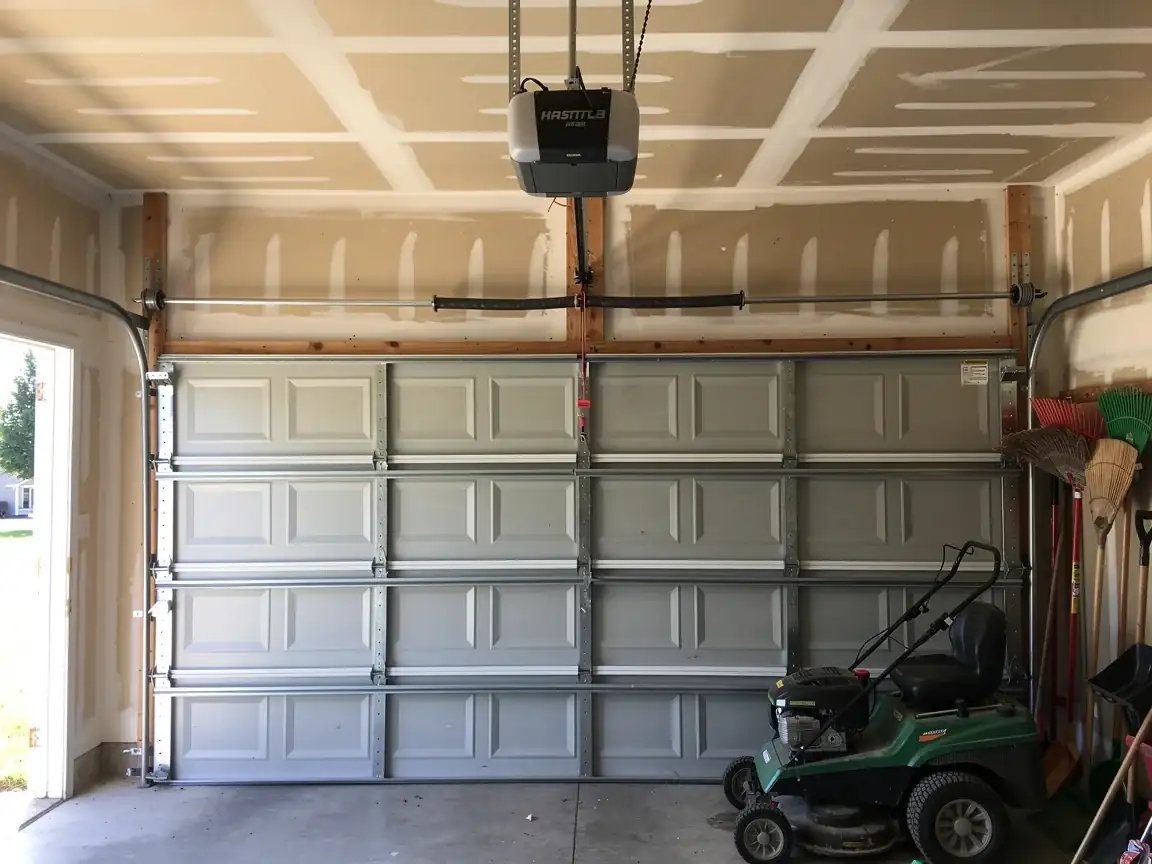
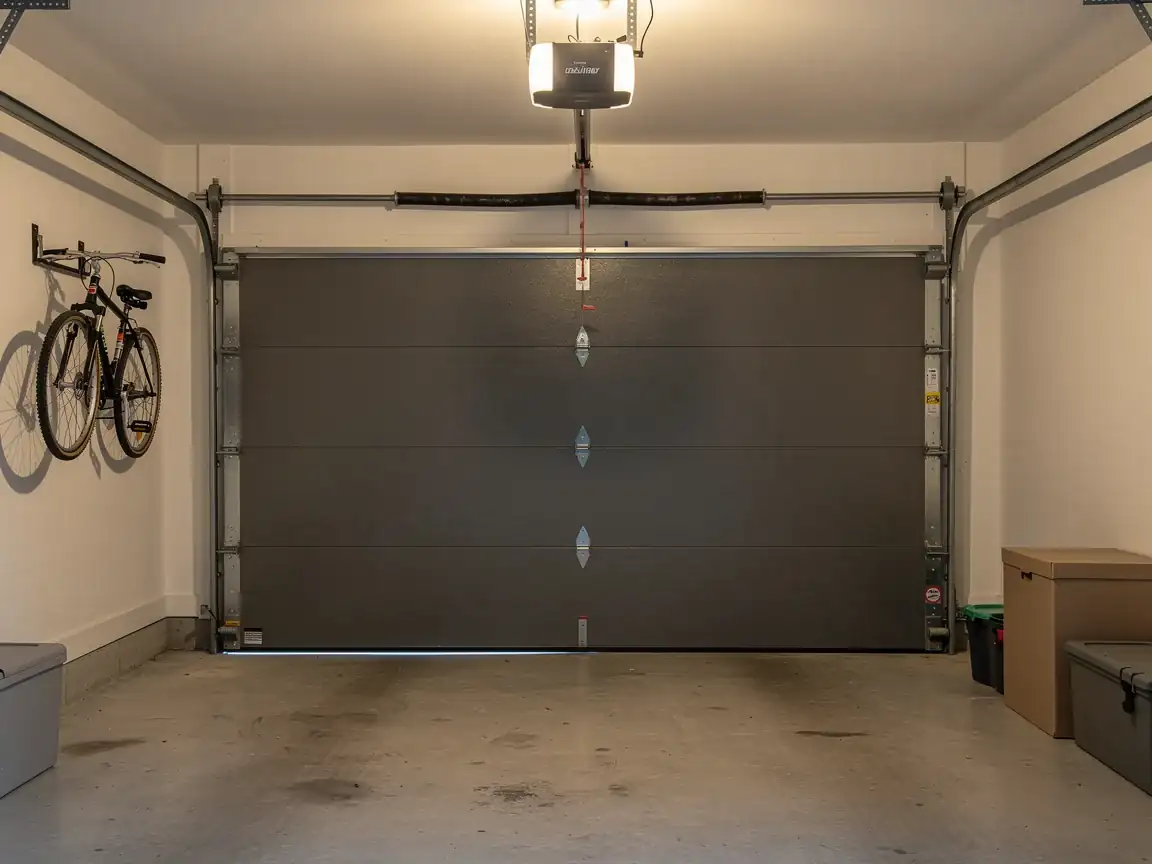
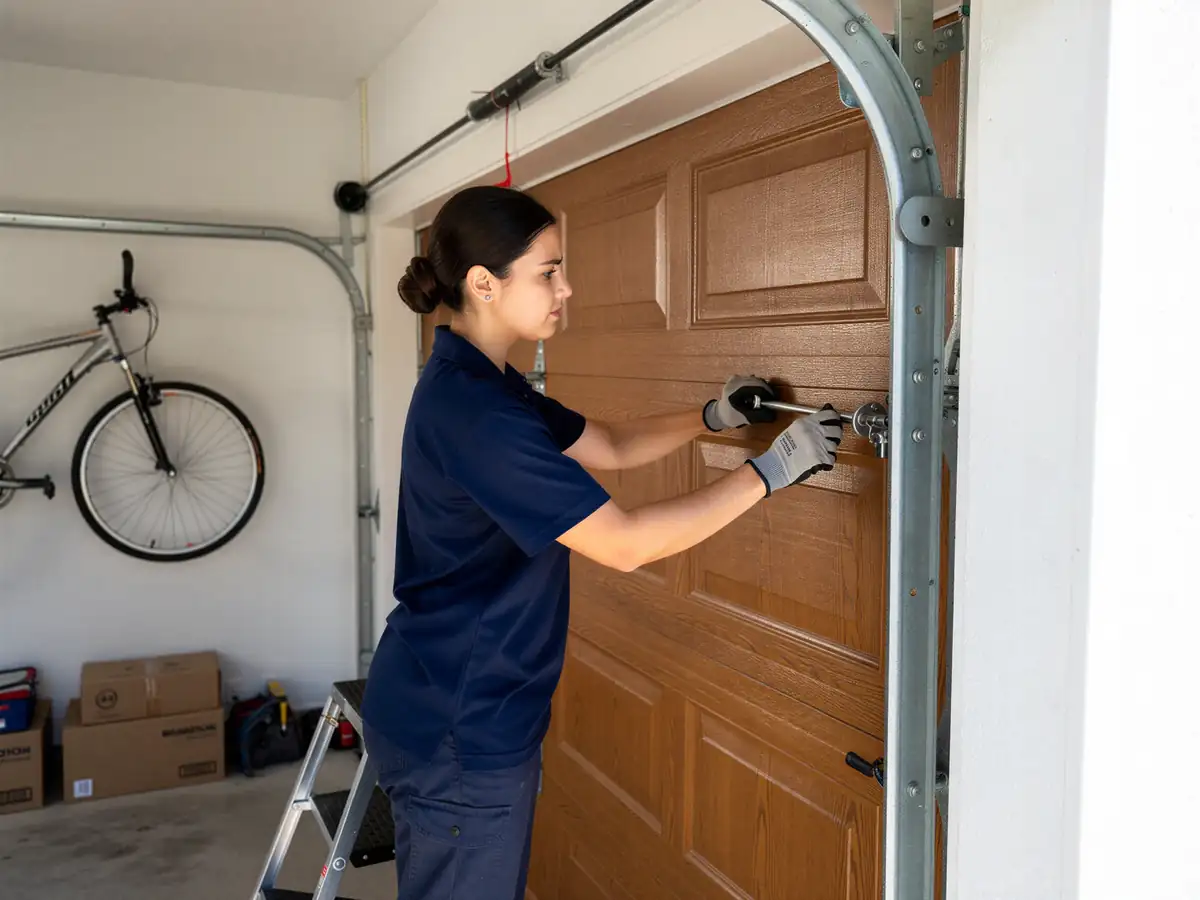
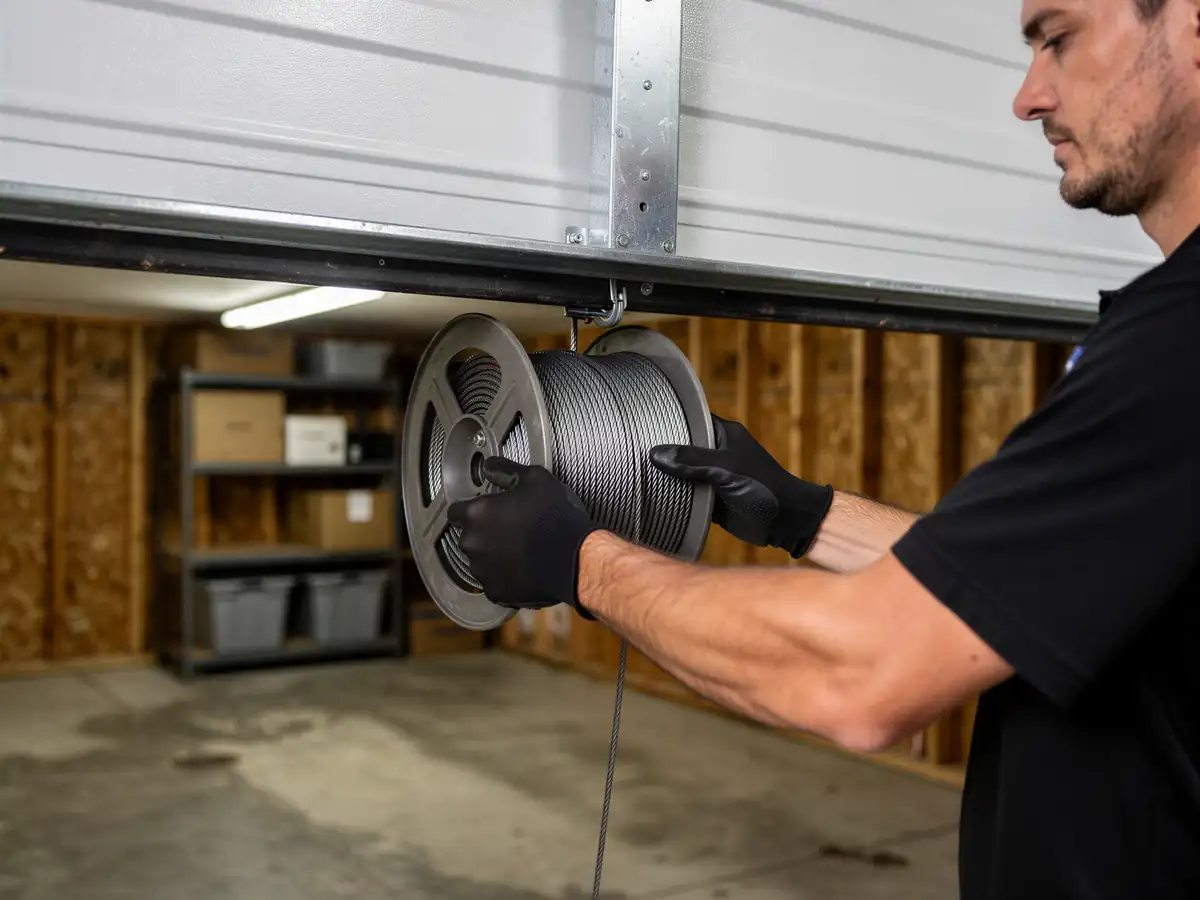
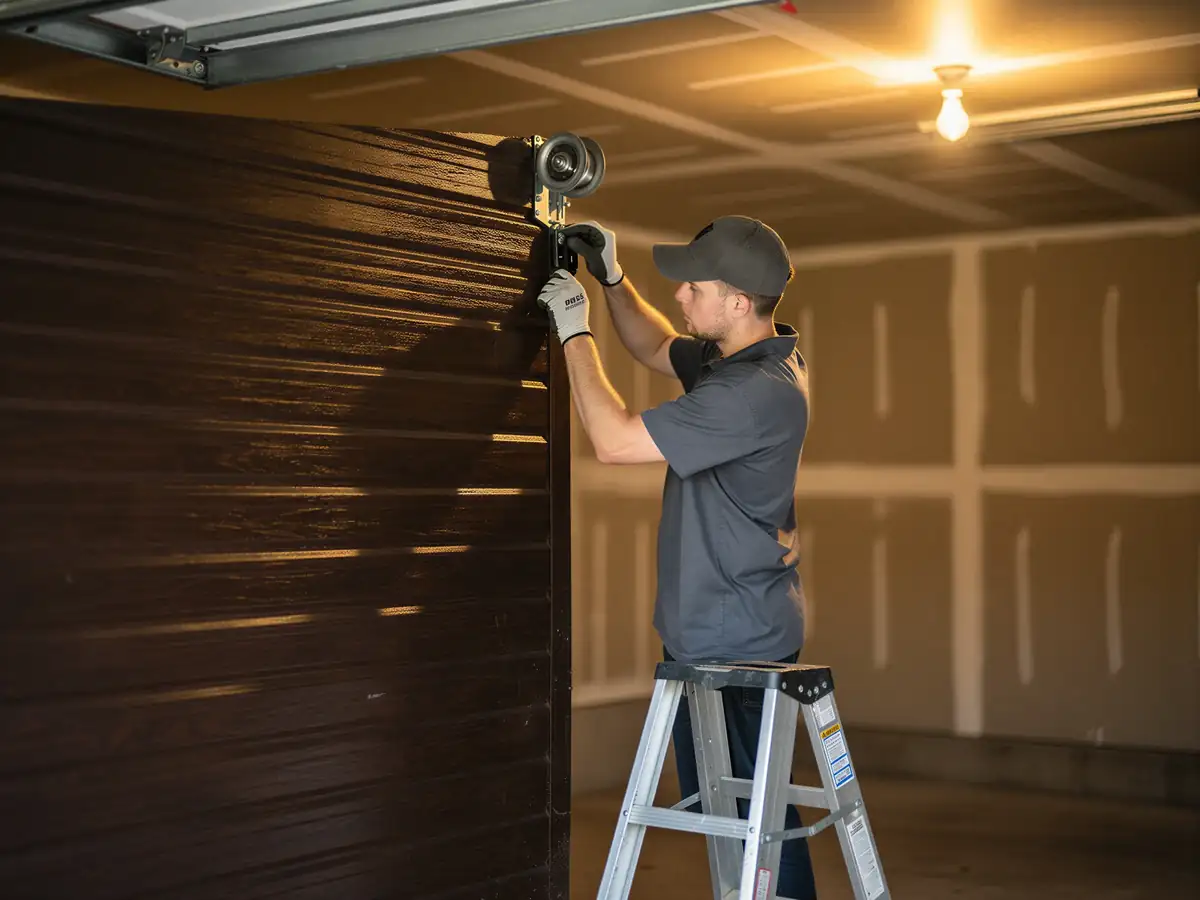
An opener swap in a house built around 1976 usually means dealing with a chain-drive unit that's outlived its gears, mounted on a bracket set up for hardware nobody sells new anymore. The job is removal of the old motor head and rail, reusing or replacing the mounting bracket, running new low-voltage wire to the wall control and sensors, and setting the force and travel limits to match the door's actual weight - not a factory default. We also check the door itself before the opener goes in, since an opener fighting a dragging track or tired rollers will wear out again fast no matter how good the new unit is. Disposal of the old opener and bracket hardware is part of the job, not an extra trip.
What Causes It Around Here
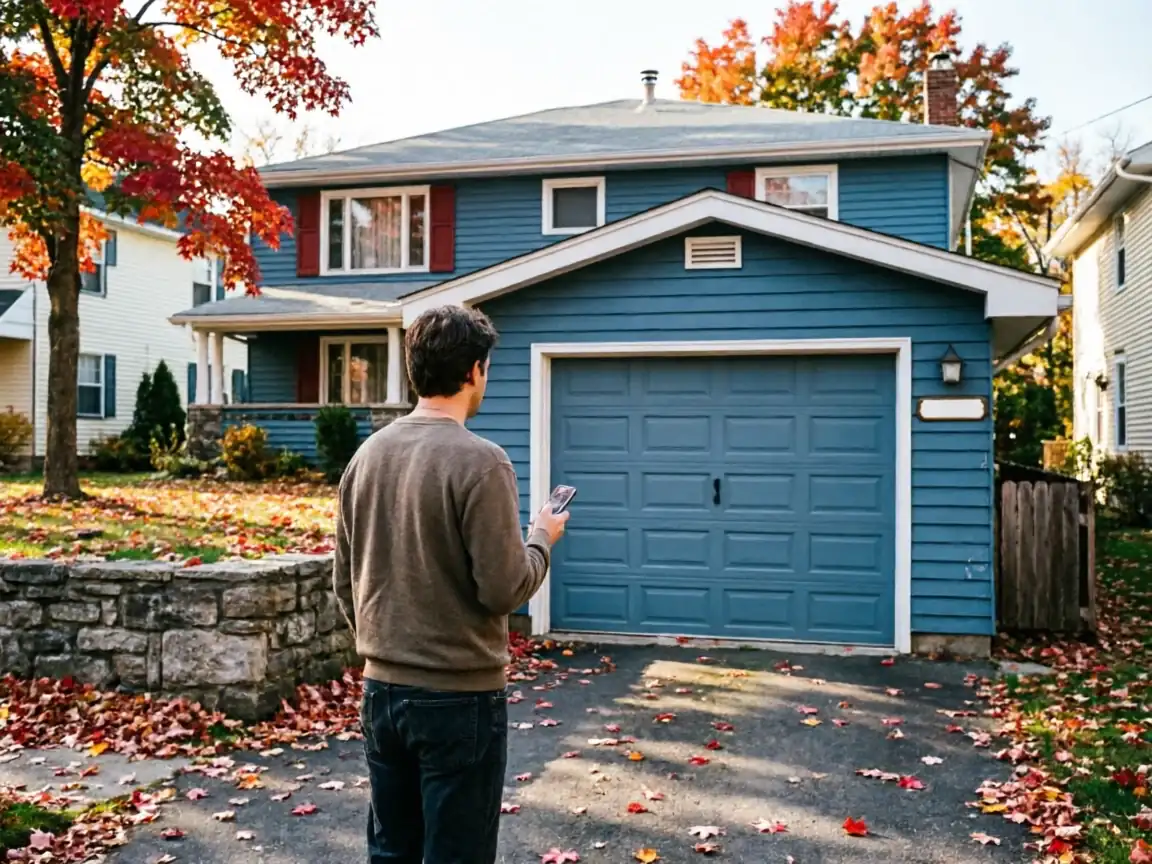
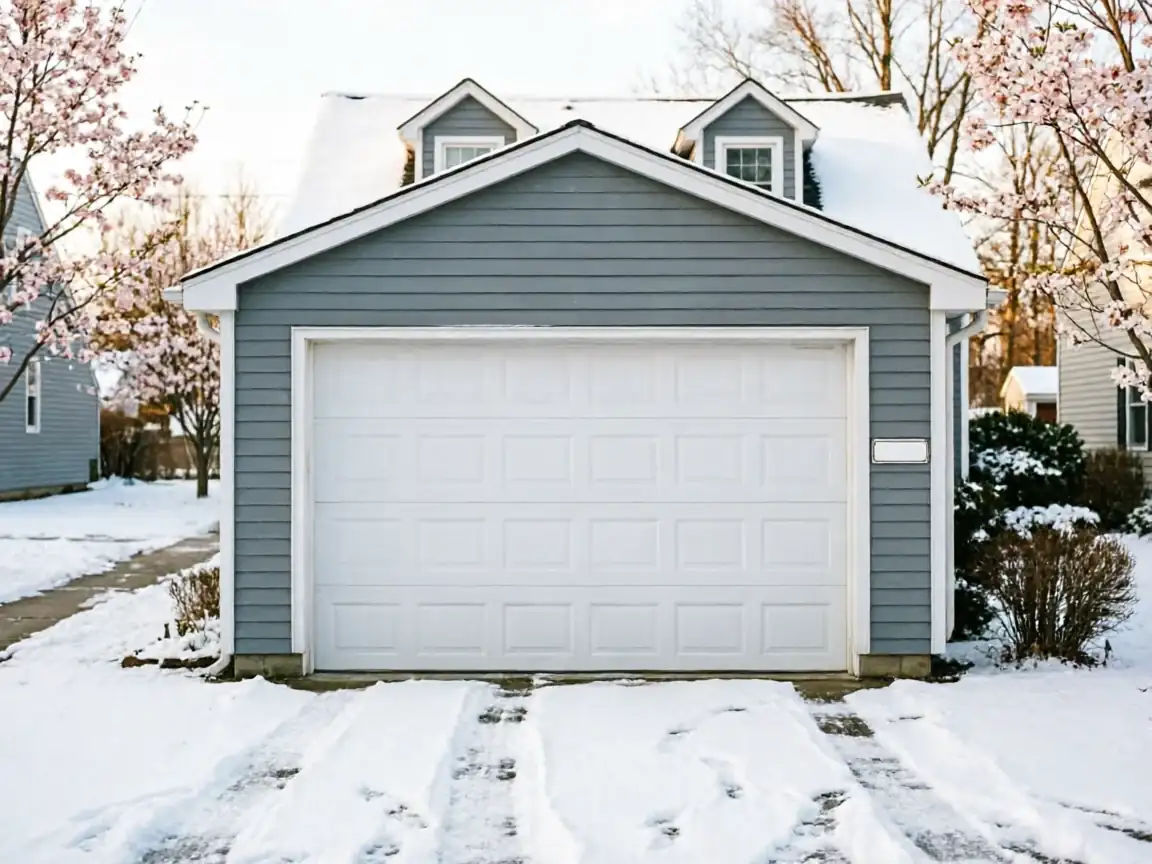
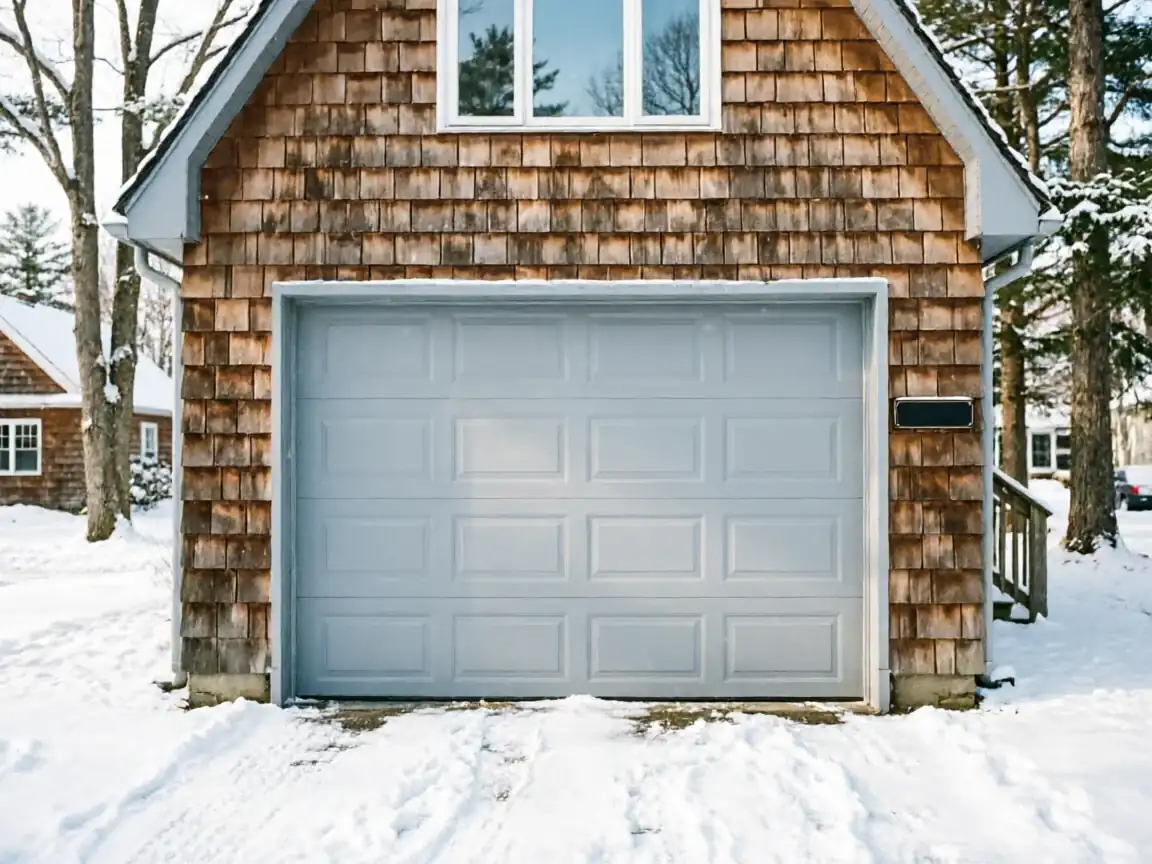
Thorndale's housing stock centers on 1976, which puts most original garage doors and openers at an age where the motor windings, drive gears, or logic boards are simply worn past serviceable life - not broken by one event, just done. Cold winters matter here too: this area sits in a severe cold climate band, and older chain and screw-drive openers lose lubrication consistency in low temperatures, which shows up as grinding starts, stalling mid-cycle, or a door that reverses for no clear reason on the coldest mornings. Combine a 1970s-era motor with forty-plus winters of that cycle and the failure isn't a mystery - it's just time and temperature doing what they do.
What It Costs
We don't have a posted price list to quote here, and giving you a number without seeing your door, bracket, and wiring would be a guess dressed up as a fact. What drives the real cost is the drive type you choose, whether you want battery backup (worth discussing given how winter outages tend to land here), and whether your existing bracket and rail can be reused or need replacing. With median household income in the Thorndale area around $107,995, we see a mix of homeowners choosing a straightforward chain-drive replacement and others opting for a quieter belt-drive unit with smart-phone control - both are reasonable choices, and neither is the wrong answer.
How Long It Takes
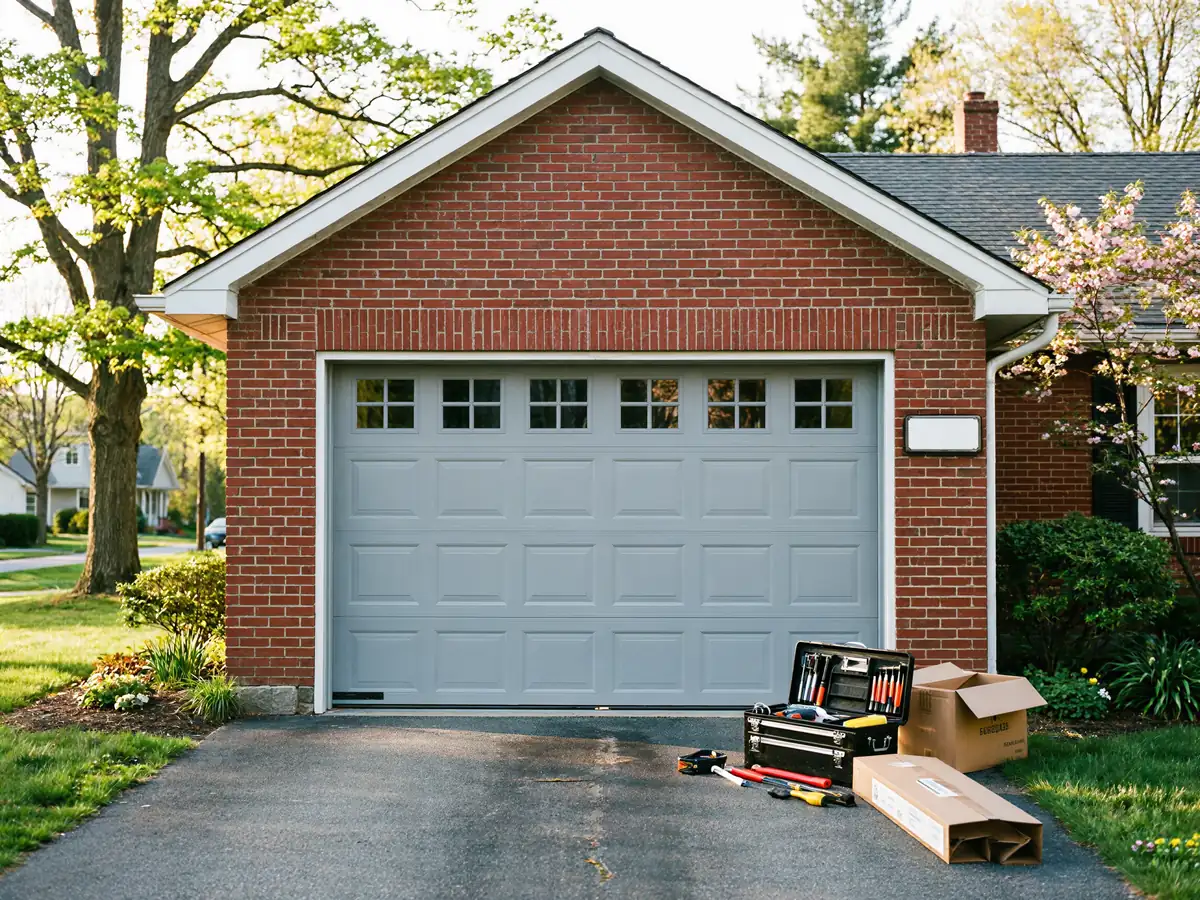
Because Thorndale is covered from West Chester, about 8 miles away, your appointment window includes that drive time on both ends - it's not a same-block callout. Once the crew is on site, removing an old opener and installing a new one is generally a single visit, start to finish, including the safety testing. What stretches a job longer is usually not the opener itself but what's behind it: if the mounting bracket needs rebuilding or the door's springs and rollers need attention first, that gets handled in the same trip rather than scheduling you twice.
The Symptom
The tell in houses from this era is usually noise or hesitation, not outright failure. A chain-drive unit from the 1970s or its first replacement grinding on start-up, a door that reverses halfway up for no visible reason, or an opener that runs fine in summer but stalls or stutters once temperatures drop - that last one tracks directly with this area's severe cold winters and aging lubrication in old gear housings. If your opener has no photo-eye sensors near the floor track at all, that's not a fault, it's an age marker: it was installed before federal law required them, and that alone is reason enough to plan a replacement rather than a repair.
How it works
From “it’s stuck” to “it’s fixed”
01
Tell us what’s wrong
Describe the symptom - won’t open, loud bang, opener runs but the door won’t move.
02
On-site diagnosis
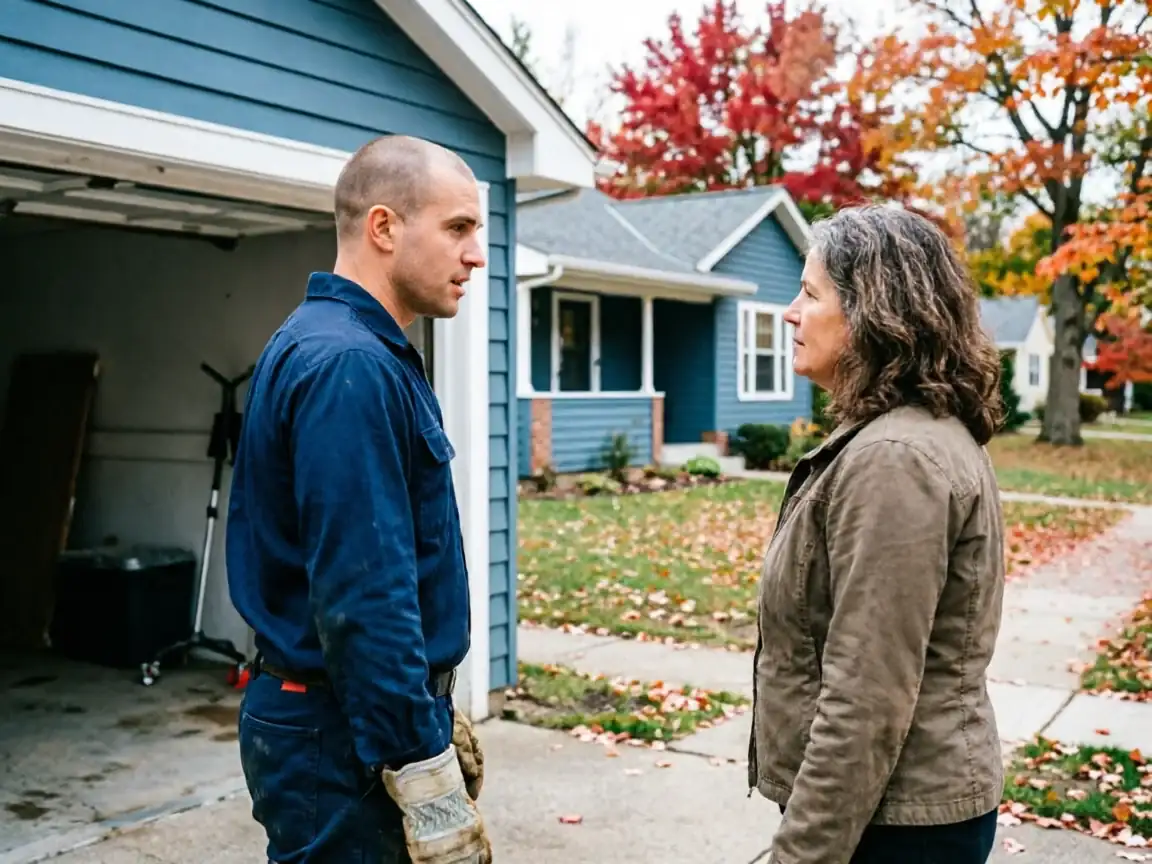
A technician tests the door under power and by hand and finds what actually failed.
03
Clear, up-front plan
You get the fix that’s needed and what drives the cost - before any work starts.
04
Repaired & tested
The repair is done, the door is set true and tested, and the work area left clean.
Not sure which repair your door needs in West Chester, PA? Describe what it’s doing - every job starts with a diagnosis.
Straight answers about garage door repair in West Chester. Still unsure? Ask us directly.
Do you have a shop or location in Thorndale?
No. We're based in West Chester and cover Thorndale from there, about 8 miles out. There's no local depot, so your appointment includes the drive, but the install work itself is the same job we'd do anywhere in the service area.
My garage was built in the 1970s - does the opener need special wiring?
Often, yes. Houses from that era sometimes still run on wiring from before the 1993 federal rule requiring photo-eye safety sensors. If yours is original, a new opener install usually means adding that sensor wiring, not just swapping the motor head.
Why does my opener struggle on cold mornings?
This area sits in a severe cold climate band, and older chain or screw-drive openers lose lubrication performance in low temperatures. That shows up as slow starts, grinding, or a door that reverses partway - a common sign the unit's reaching the end of its service life.