Why Garage Door Springs Fail in West Chester's Older Homes
Most West Chester garages went up between the 1960s and 70s, and cold winters wear out torsion springs fast. See what causes it and how long repair takes.
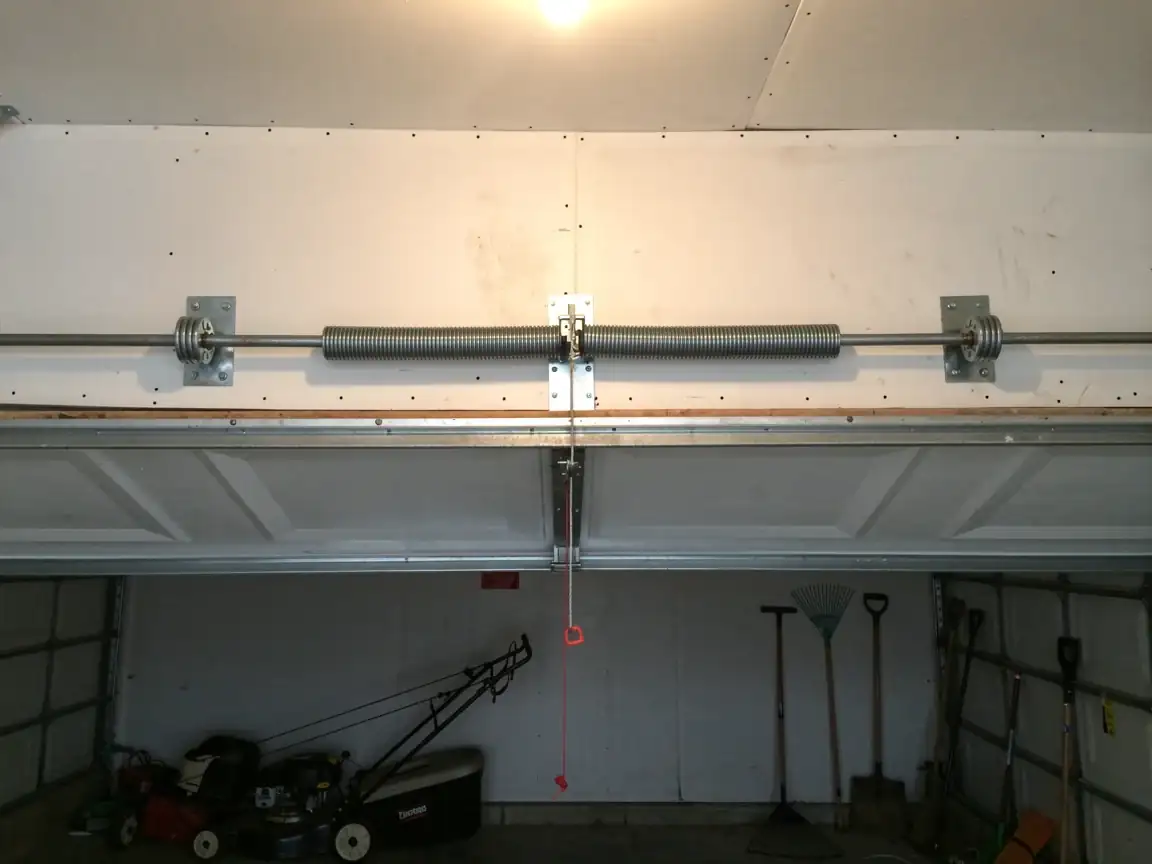
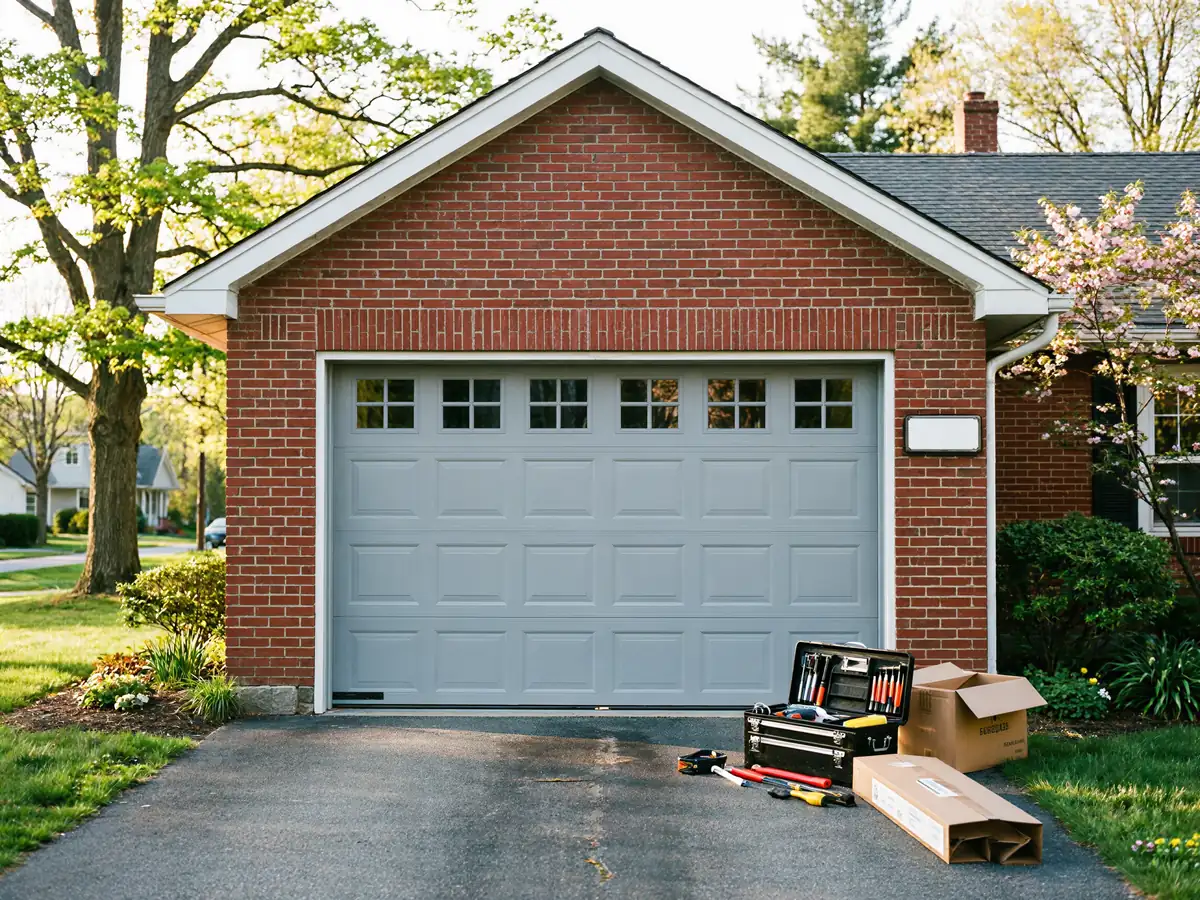
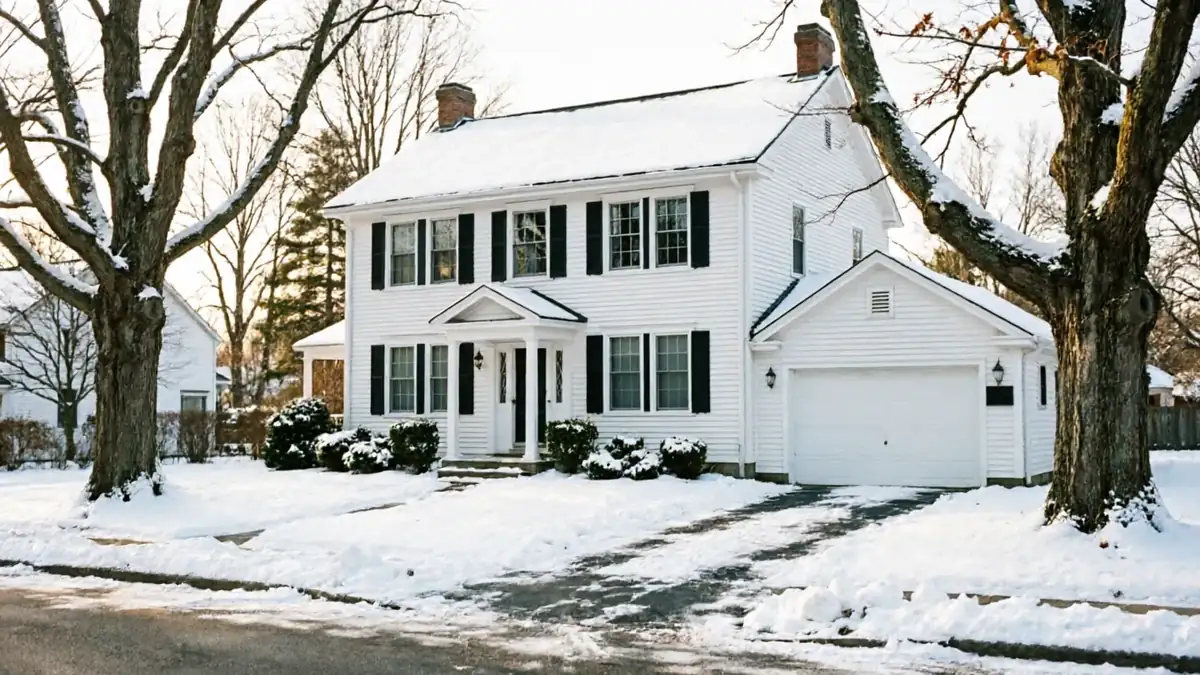
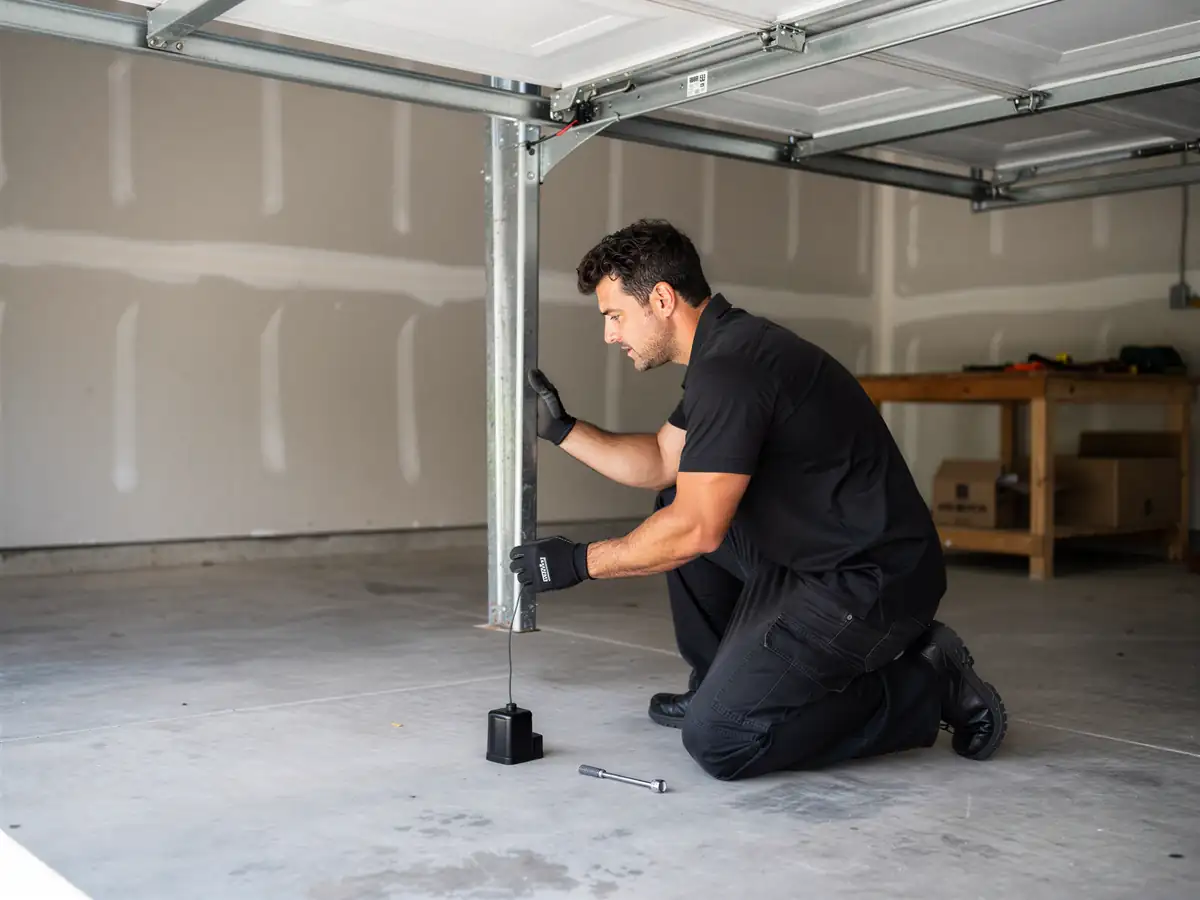
Most of the houses we work on in and around West Chester went up between 1938 and 1996, with the bulk of that stock clustered right around 1960. That matters because torsion springs have a duty cycle - a number of open-close cycles they're rated for - and a spring installed when a 1960s colonial was framed has had sixty-plus years to work through that cycle count, through freeze and thaw, through salted driveways and summer humidity. This area sits in a cold-climate band with severe winters, and cold steel is less forgiving steel. A spring that's lost its temper from decades of contraction and expansion doesn't bend back the way it did when the house was new; it just lets go. Across the 74 named communities this shop covers, the pattern repeats: older tract housing from the 1960s-70s era, original torsion hardware never upgraded, and a hard winter that finishes the job. We also see it on houses that got a new steel door at some point but kept the original spring - a mismatch nobody notices until the door won't lift. If your garage dates to that build window and you haven't touched the spring since, you're in the group most likely to see this fail, usually on the coldest morning of the stretch.
How Long It Takes
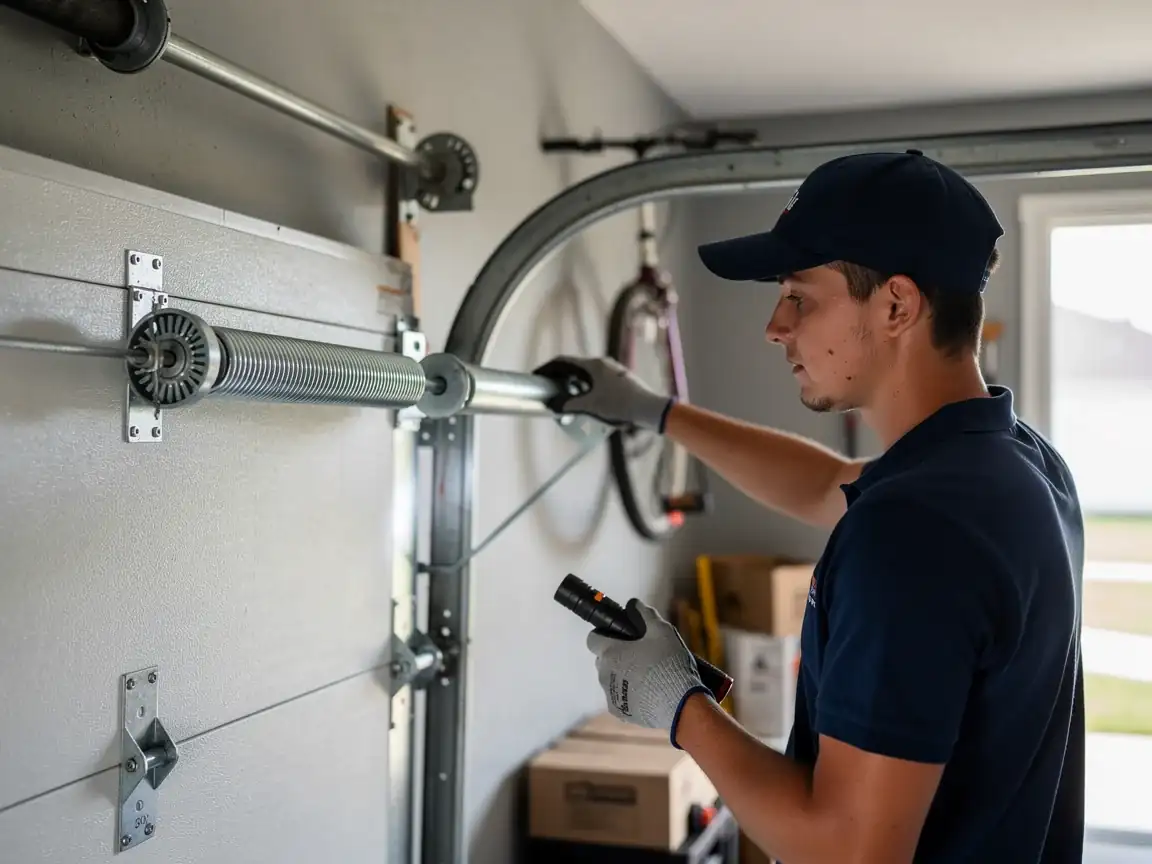
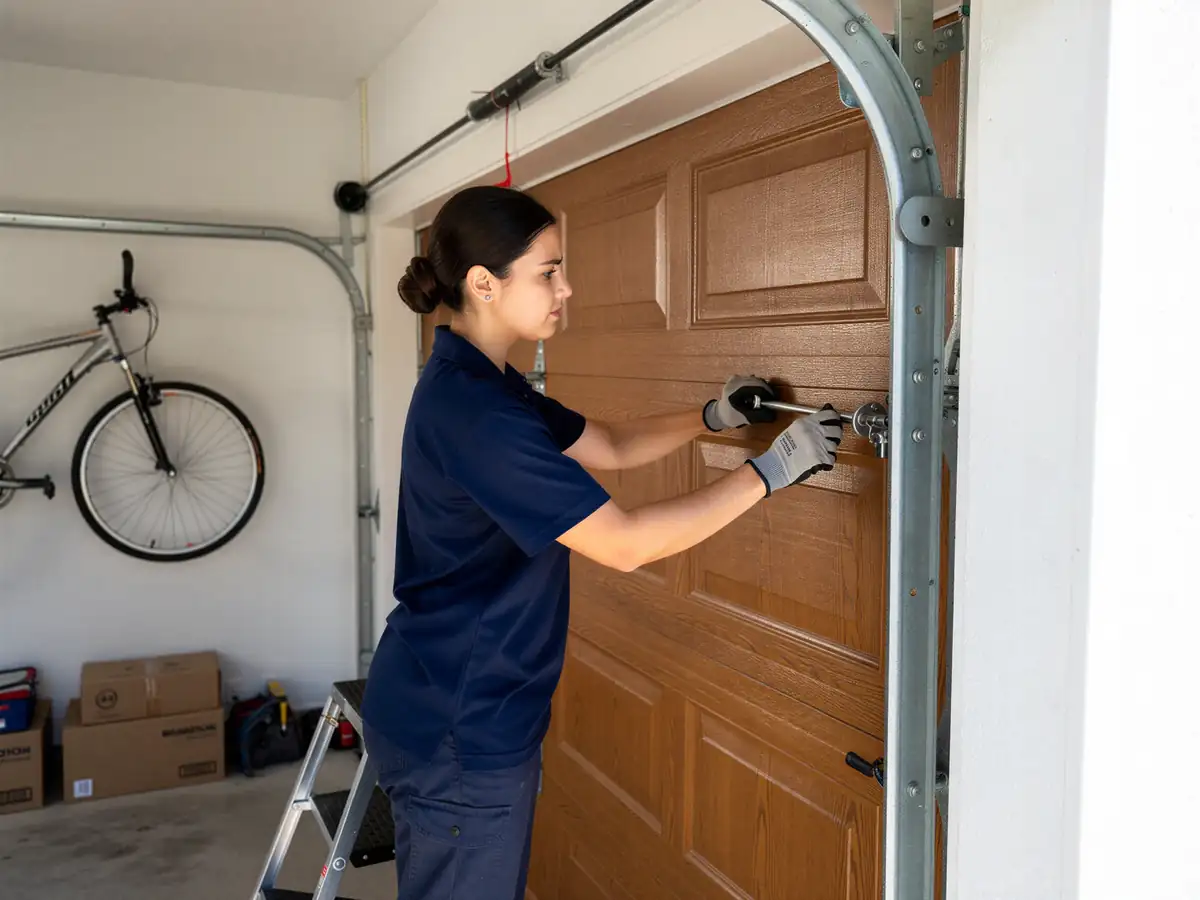
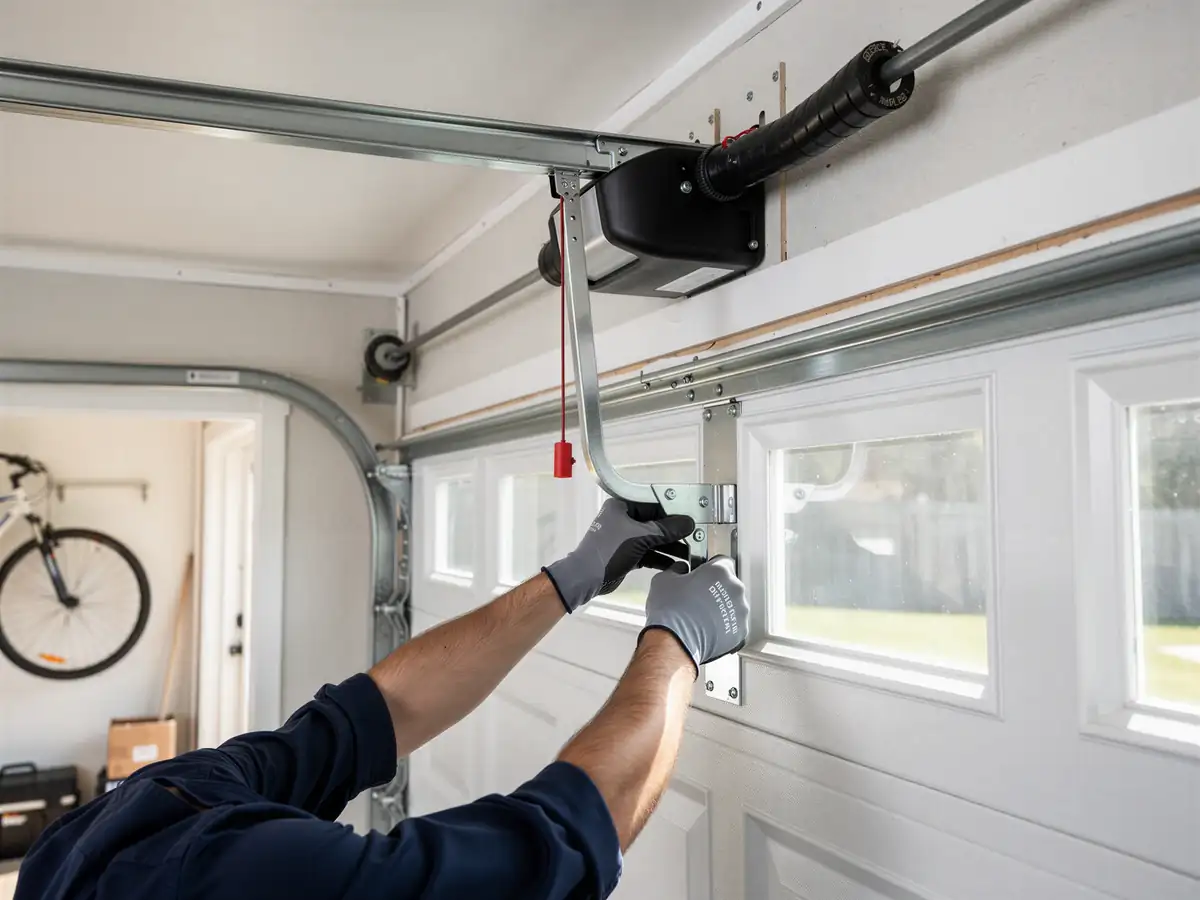
A straight torsion spring swap on a standard double door is usually a single-visit job once we're in front of it - most of the time on-site goes to removing the old spring safely, matching wire size and wind direction, and running the door through enough cycles to confirm it's balanced. What adds time isn't the wrench work, it's sourcing. Houses from this area's 1960s-70s build era sometimes carry odd shaft sizes or drum setups that don't match what's common on newer doors, and matching that hardware correctly takes longer than grabbing a universal part off the shelf. We won't put a spring on a shaft it wasn't sized for just to get it wrapped up faster - that's how you get a second failure in six months. If a cable or a bent track comes with the spring failure, which happens more often on older doors that have been limping along, that adds real time on top of the base job. We'll tell you upfront if we think your repair is a same-visit fix or a return-trip fix once we've seen the hardware, not before.
What the Repair Takes
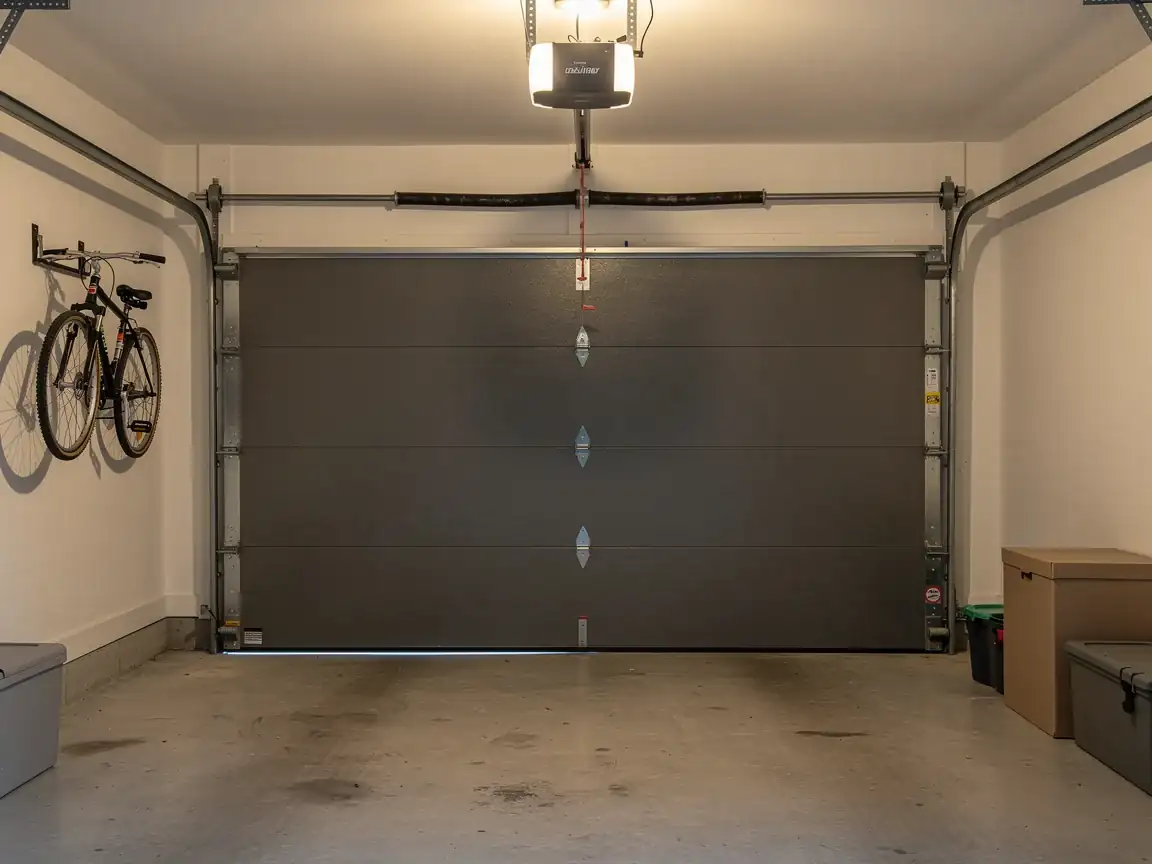
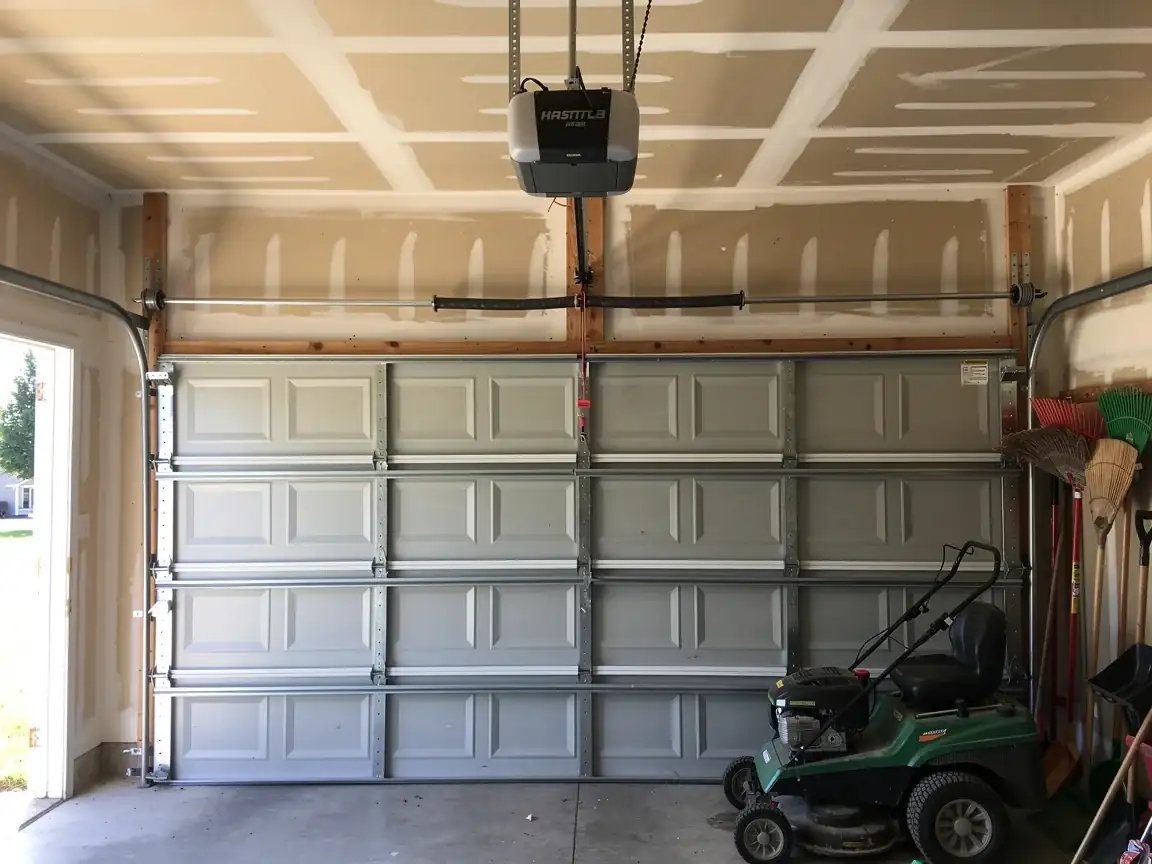
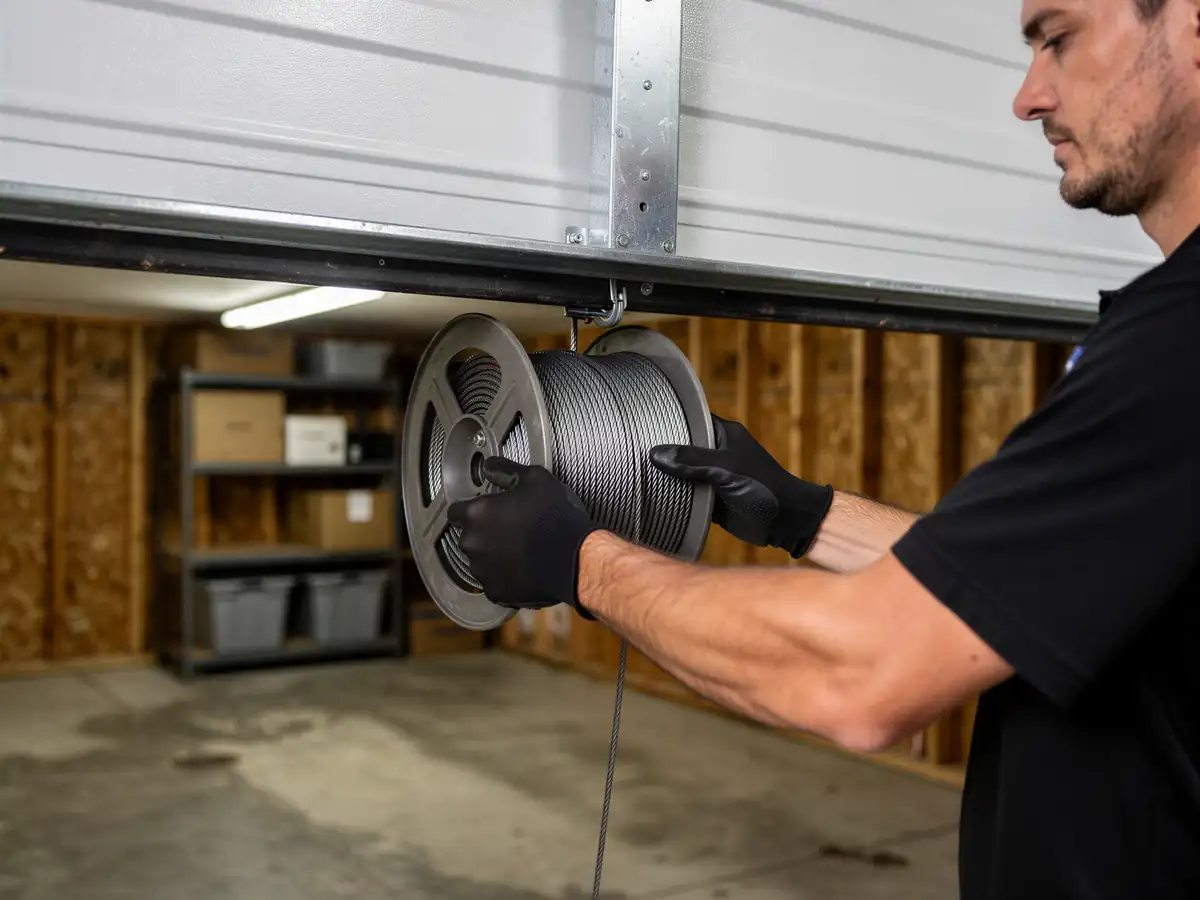
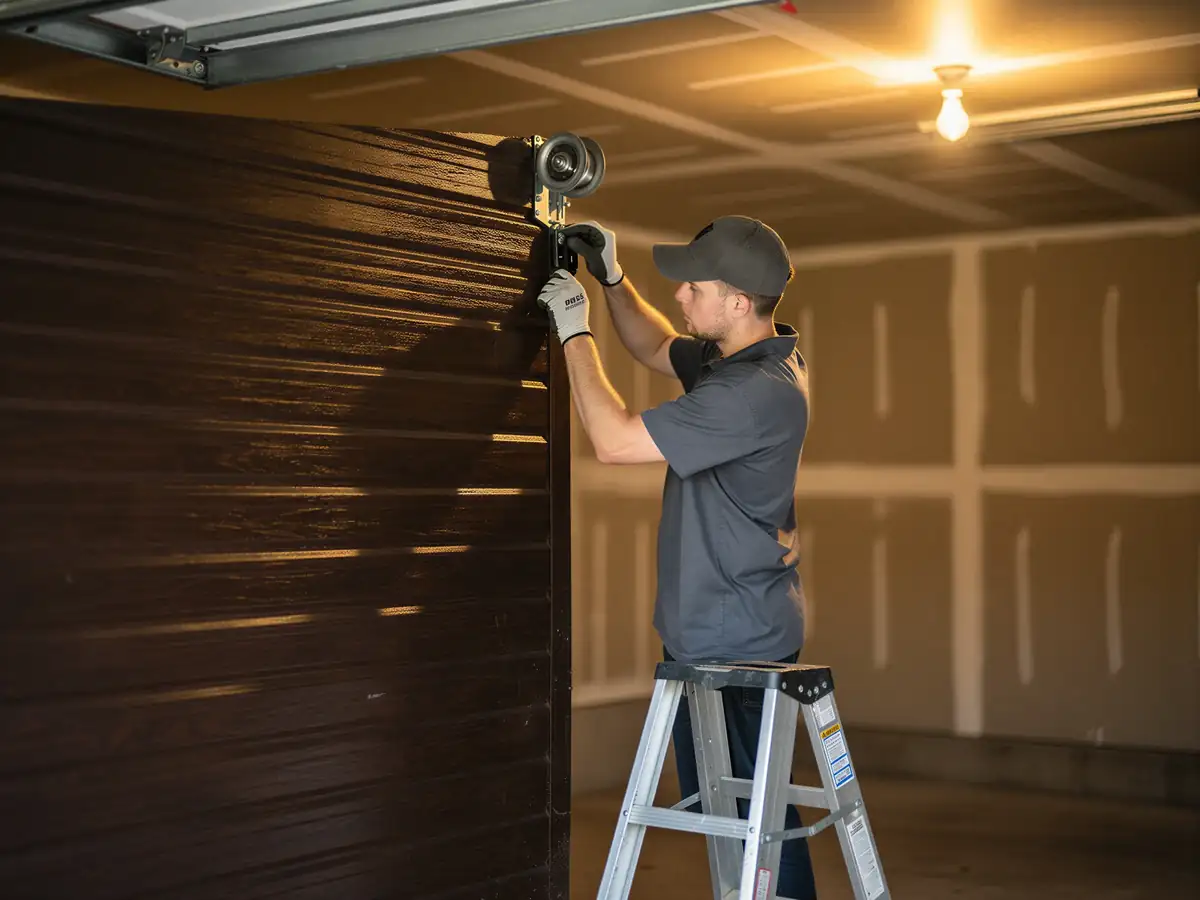
A torsion spring job needs the right wire diameter, the right inside diameter, and the correct wind - left or right - matched to your drum and shaft, plus winding bars, vise grips, and a way to measure the door's actual weight so the spring is sized to lift it, not just resemble the old one. On houses from this area's older stock, that sizing step matters more than usual, since spring dimensions from the 1960s and 70s don't always match what ships standard today. We also check the cables, the end bearing plates, and the center bracket while we're in there, because a spring rarely fails in isolation on a door that old - something else near it is usually also worn thin. Here's the honest limit: we don't carry every obsolete spring size on the truck. If your garage has a nonstandard shaft from that era, sometimes the right part means we order it and come back, rather than force a close-enough spring onto hardware it wasn't built for. That costs you a day or two of patience, but it's better than a spring that's wrong for the door and fails again.
The Symptom
It usually starts small: the opener strains and groans before it lifts, or the door looks like it's hanging crooked, lower on one side than the other. Then one morning it won't lift at all, or the opener tries and the door barely clears the floor before stalling. Some owners hear the bang first - a torsion spring breaking sounds like a gunshot in a closed garage, loud enough that neighbors ask about it. If you pull the release cord and try to lift the door by hand and it feels like dead weight instead of swinging up with some resistance, that's a spring that's no longer carrying its share. On older doors in this area's 1960s-70s housing stock, we also see the door open fine but slam down hard and fast on the way closed - another sign the spring's tension has dropped off even before it snaps outright. Don't keep running the opener against a failed spring; that's how you burn out the motor on top of the spring repair you already need.
How it works
From “it’s stuck” to “it’s fixed”
01
Tell us what’s wrong
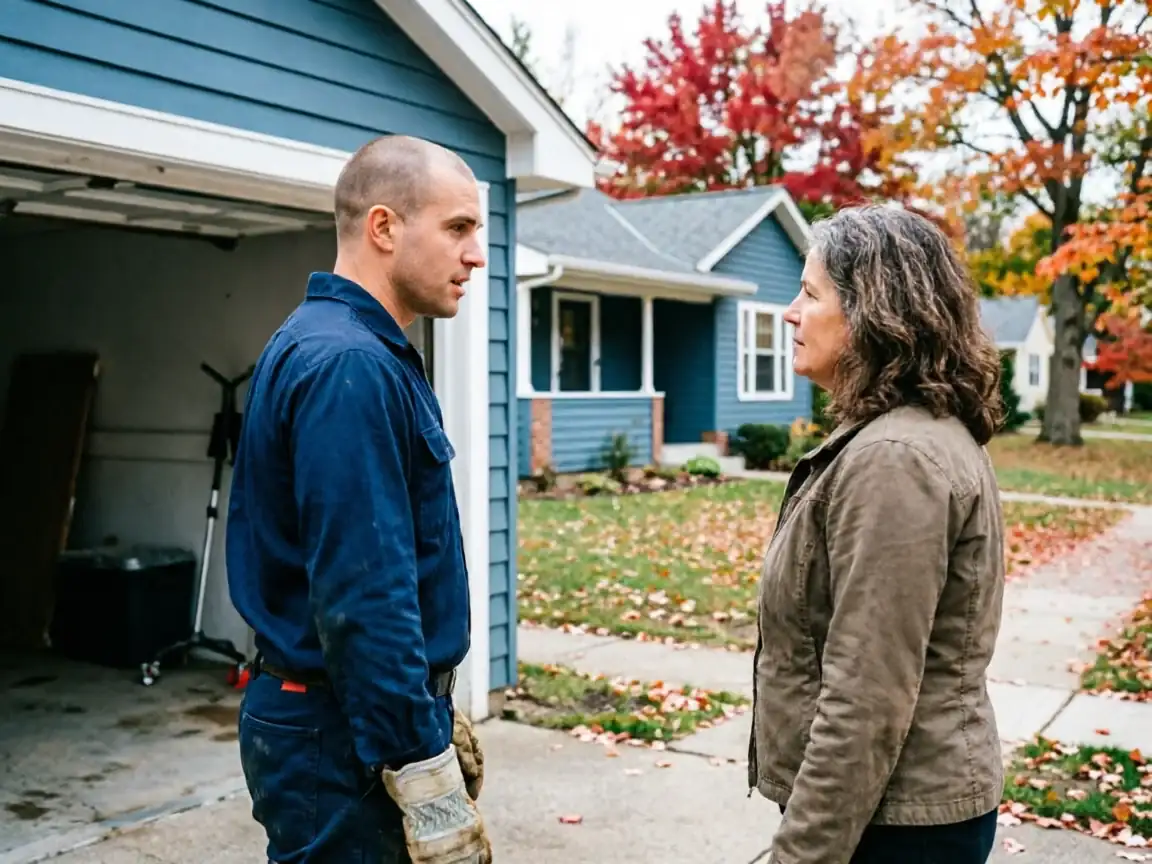
Describe the symptom - won’t open, loud bang, opener runs but the door won’t move.
02
On-site diagnosis
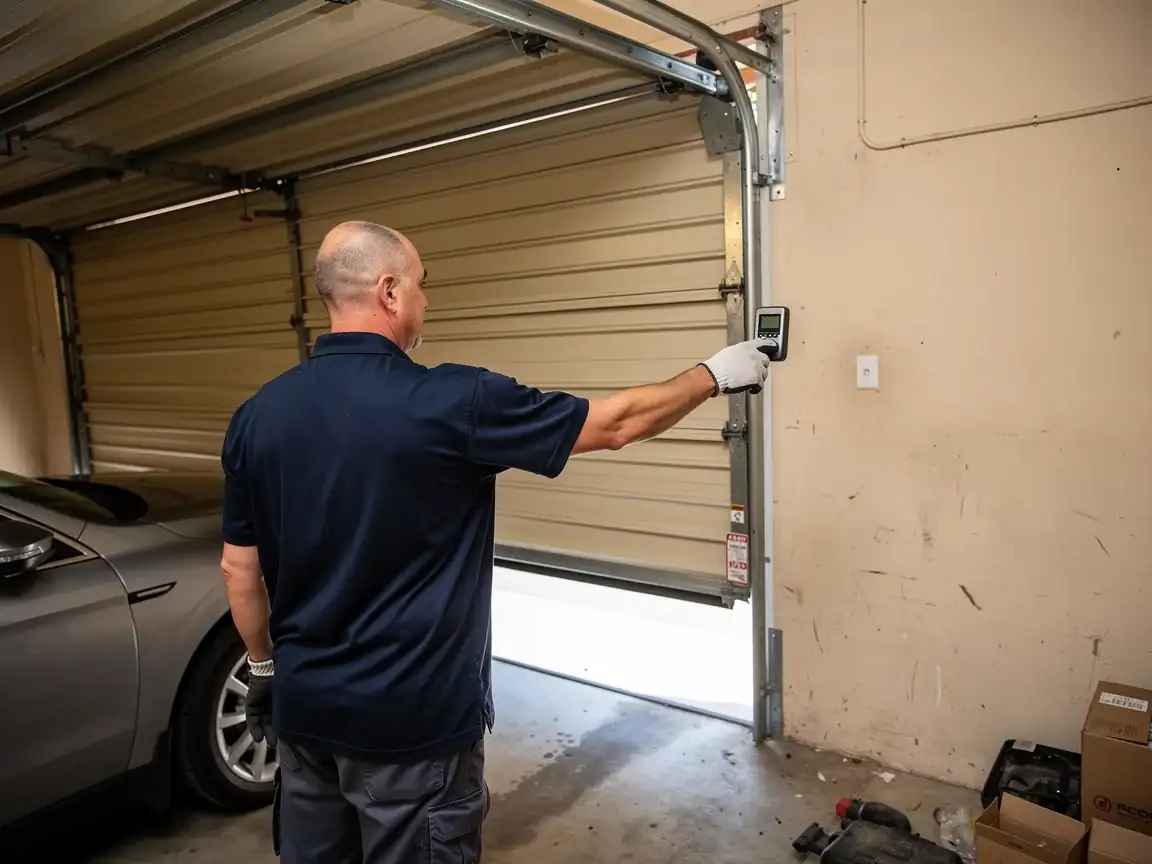
A technician tests the door under power and by hand and finds what actually failed.
03
Clear, up-front plan
You get the fix that’s needed and what drives the cost - before any work starts.
04
Repaired & tested
The repair is done, the door is set true and tested, and the work area left clean.
Not sure which repair your door needs in West Chester, PA? Describe what it’s doing - every job starts with a diagnosis.
Straight answers about garage door repair in West Chester. Still unsure? Ask us directly.
Why do garage door springs seem to break more in cold weather around West Chester?
This area sits in a cold-climate band with severe winters, and cold steel loses flexibility. A spring that's already near the end of its duty cycle from years of use is more likely to snap on a hard freeze than on a mild day, because the metal has less give left in it when it's cold.
My house was built in the 1960s - is my spring original?
It's possible, especially if no one's mentioned replacing it. Most of the housing stock in this area dates to the 1960s and 70s, and original torsion springs from that era often have mismatched sizing compared to what's standard today, which is something we check before fitting a replacement.
Can I just replace one spring if I have a two-spring door?
You can, but most shops recommend replacing both at once on a two-spring setup, since the second spring has logged the same cycles and is usually close behind. We'll look at the condition of both and give you a straight read on whether one or two makes sense for your door.
What if my garage has an odd or discontinued spring size?
It happens on older homes in this area's 1960s-70s build era. We don't stock every obsolete size on the truck, so in that case the job sometimes needs a part order and a second visit rather than forcing a mismatched spring onto your shaft.