Garage Door Care for West Chester's Older Housing Stock
West Chester garage door tips built for homes raised between 1938 and 1996, in a climate cold enough to stress torsion springs, tracks, and door seals fast.
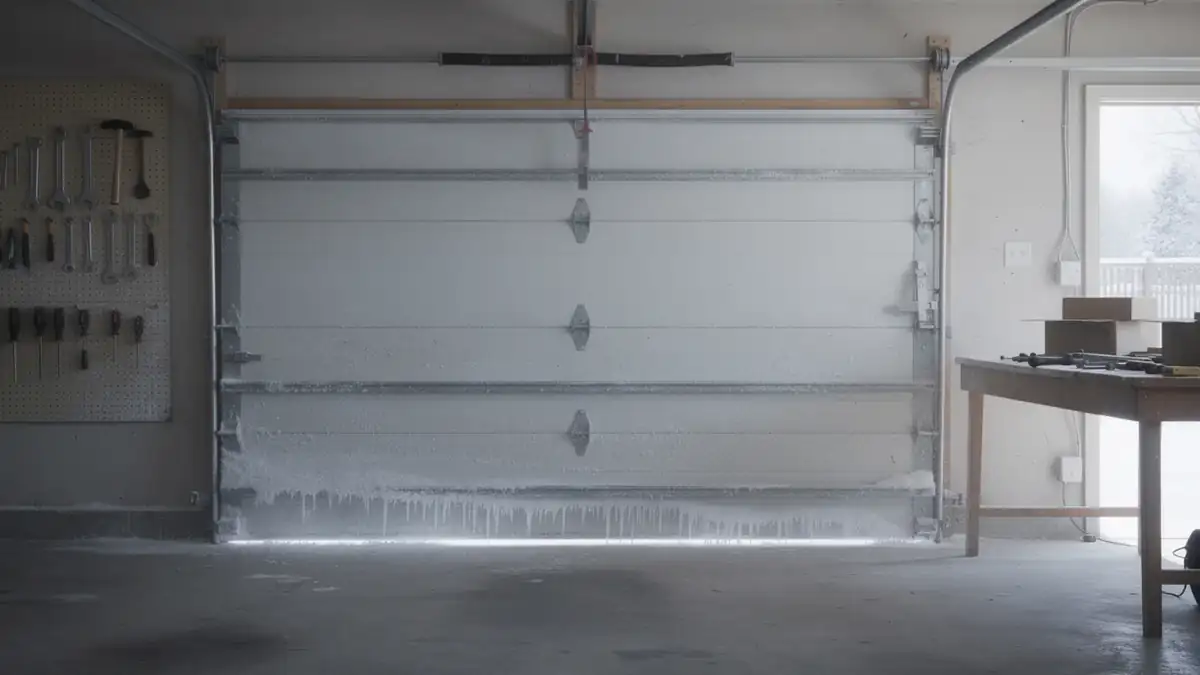
Most of the houses we work on in this area went up between 1938 and 1996, with the typical build year sitting around 1960. That's not a small detail. A door and opener installed on a house from that era was built to a different standard than what goes in today, and across the 74 named communities in this service area, the stock leans heavily toward 1960s and 70s construction. Add to that a climate classified as cold and severe, and you get a predictable pattern: steel tracks contract in hard freezes, torsion springs lose a measurable amount of lift as the metal cools, and old foam or rubber seals around the panel edges harden and crack. None of this is dramatic on its own. It's slow wear that shows up every winter, on the same houses, in the same places - bottom panel gaps, a door that groans going up on the first cold morning, an opener that strains a little more than it used to. The age of the house and the weather it sits in are doing most of the work here, more than anything about the door itself.
What to Check
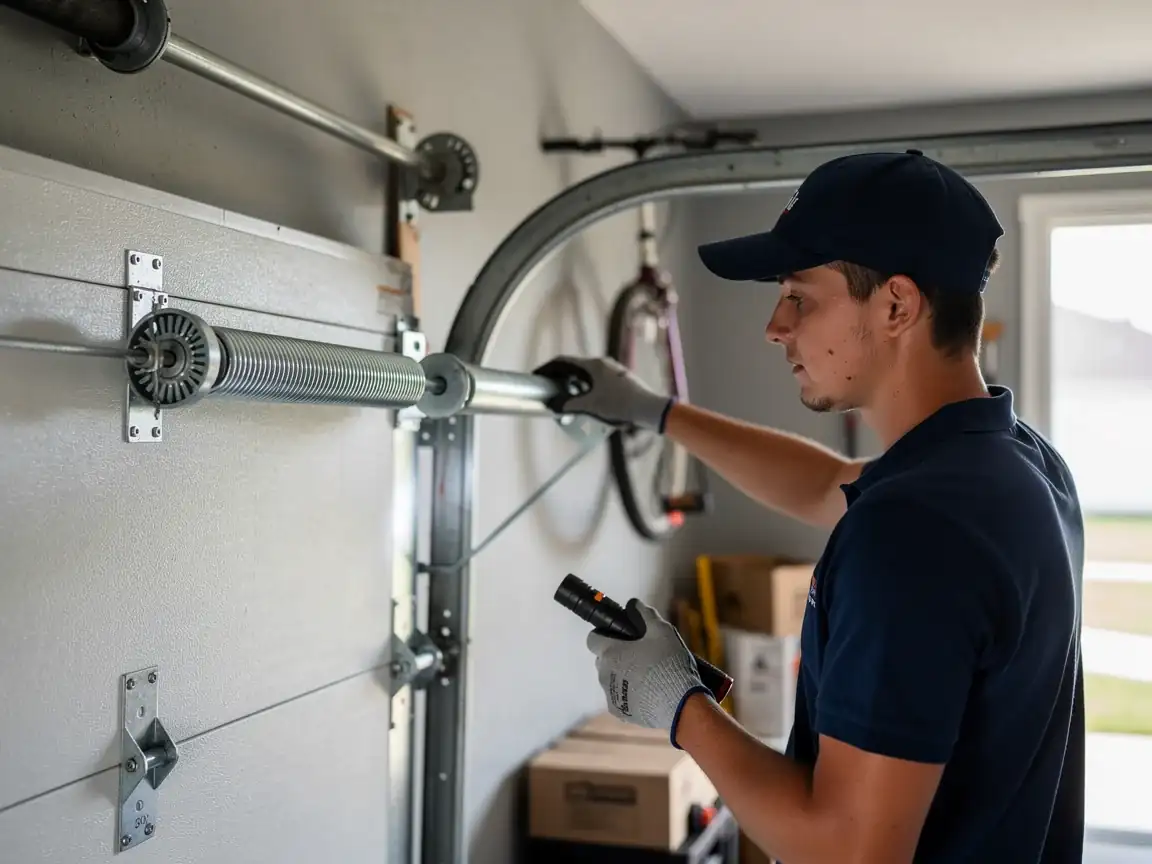
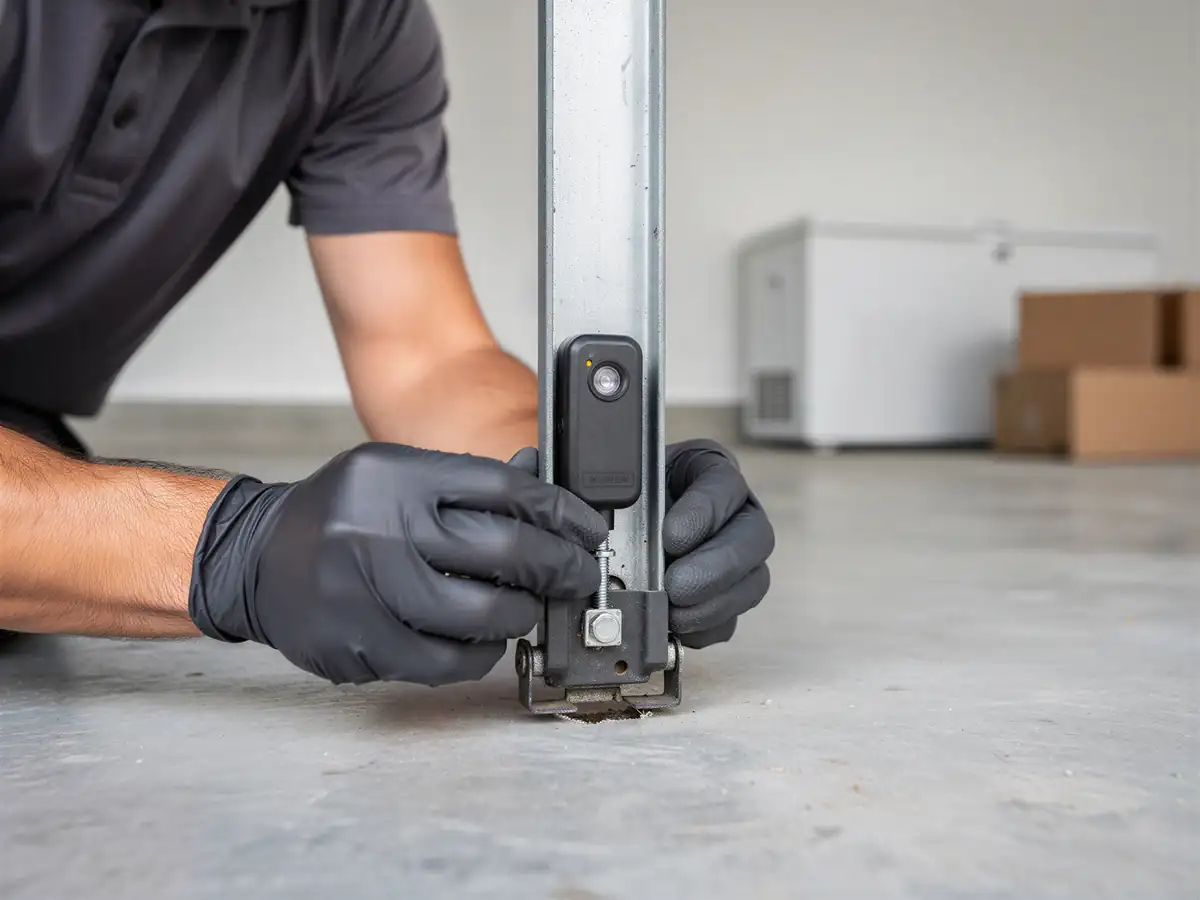
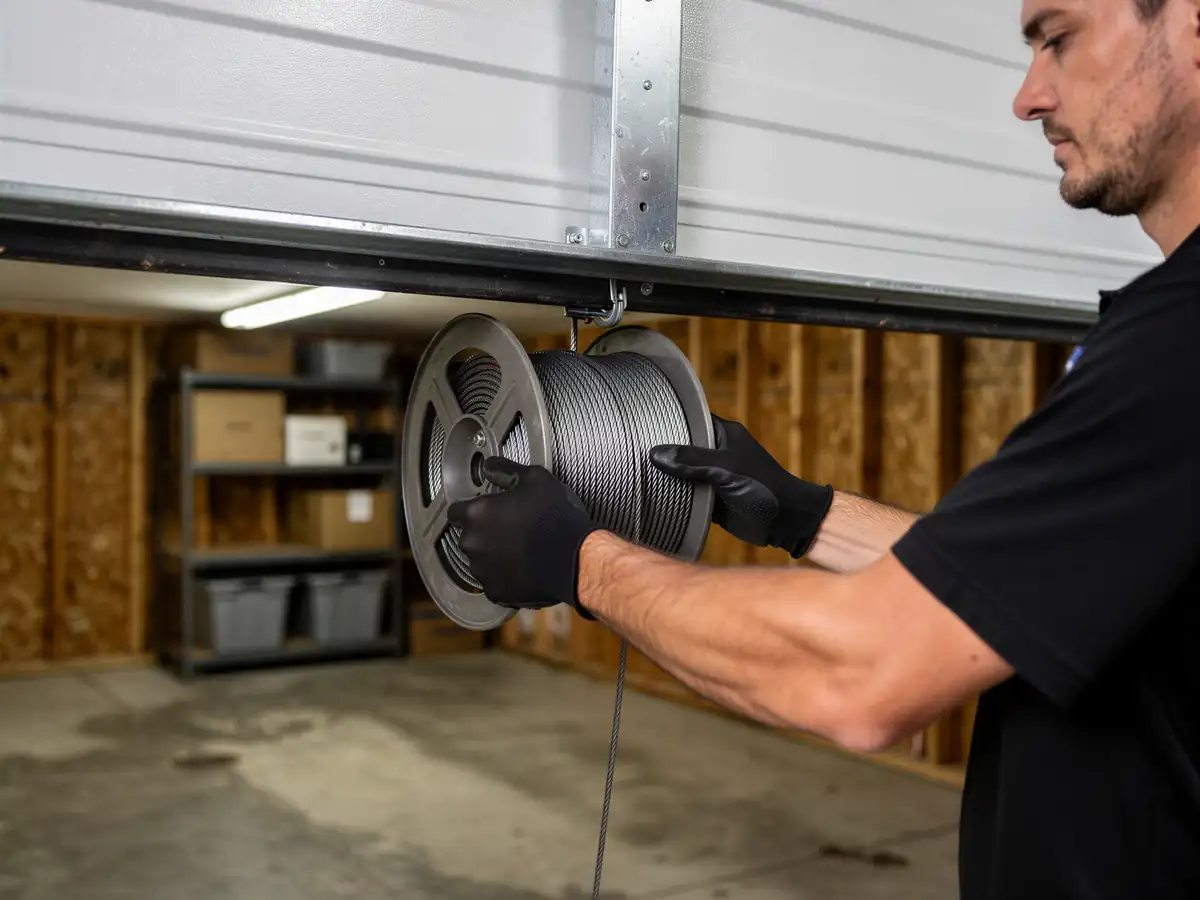
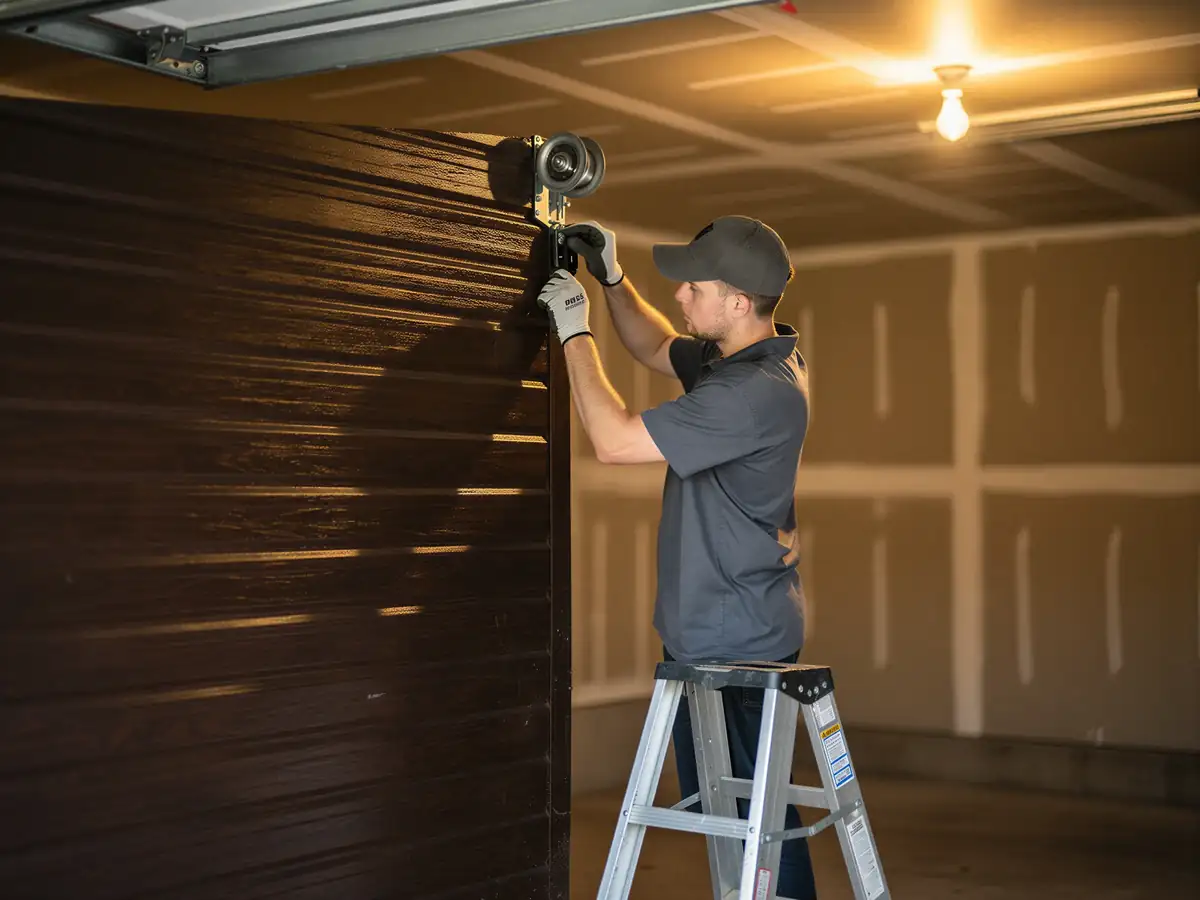
Start at the bottom panel. On a door old enough to predate foam-core construction, a worn or cracked bottom seal lets cold air straight into the garage, and on a 1960s-era steel door that panel is usually thin enough that you can feel the temperature difference by hand. Next, look at the torsion spring - if the door feels noticeably heavier to lift by hand in January than it did in August, that's tension loss from cold, not a sign the spring is about to snap, though it's worth having it checked if the difference is sharp. Check the roller tracks for visible gaps where metal has pulled slightly away from the frame; older mounting hardware on houses from this build era wasn't always set with the shimming that's standard now. Listen for new grinding or popping sounds on the first cold start of the day - thickened grease and stiff hinges are common on doors that haven't been serviced in years. None of these checks require tools. They take two minutes and tell you whether what you're hearing is normal cold-weather behavior or something that needs a call.
When Waiting Is Fine
A door that's slower and a little louder on the coldest mornings, then runs normally again by afternoon, is not an emergency. That's thickened lubricant and a torsion spring running cooler than its rated temperature, and it resolves on its own as the day warms up. Cosmetic cracking on an old rubber bottom seal that isn't letting in daylight or a draft you can feel is also something you can live with for a season rather than rush to replace - on a house built in the 1960s or 70s, a seal that's a little stiff but intact is doing its job. We'll say plainly: we don't push replacement on parts that are still functioning, even original ones. If a torsion spring is original to a 1960s build and still holding tension evenly, that's worth monitoring, not swapping out on a schedule. Lead times on certain legacy spring sizes used on older doors can run longer than people expect, so if you're not dealing with a failure, there's no reason to create one by replacing parts that work.
What Is Going On
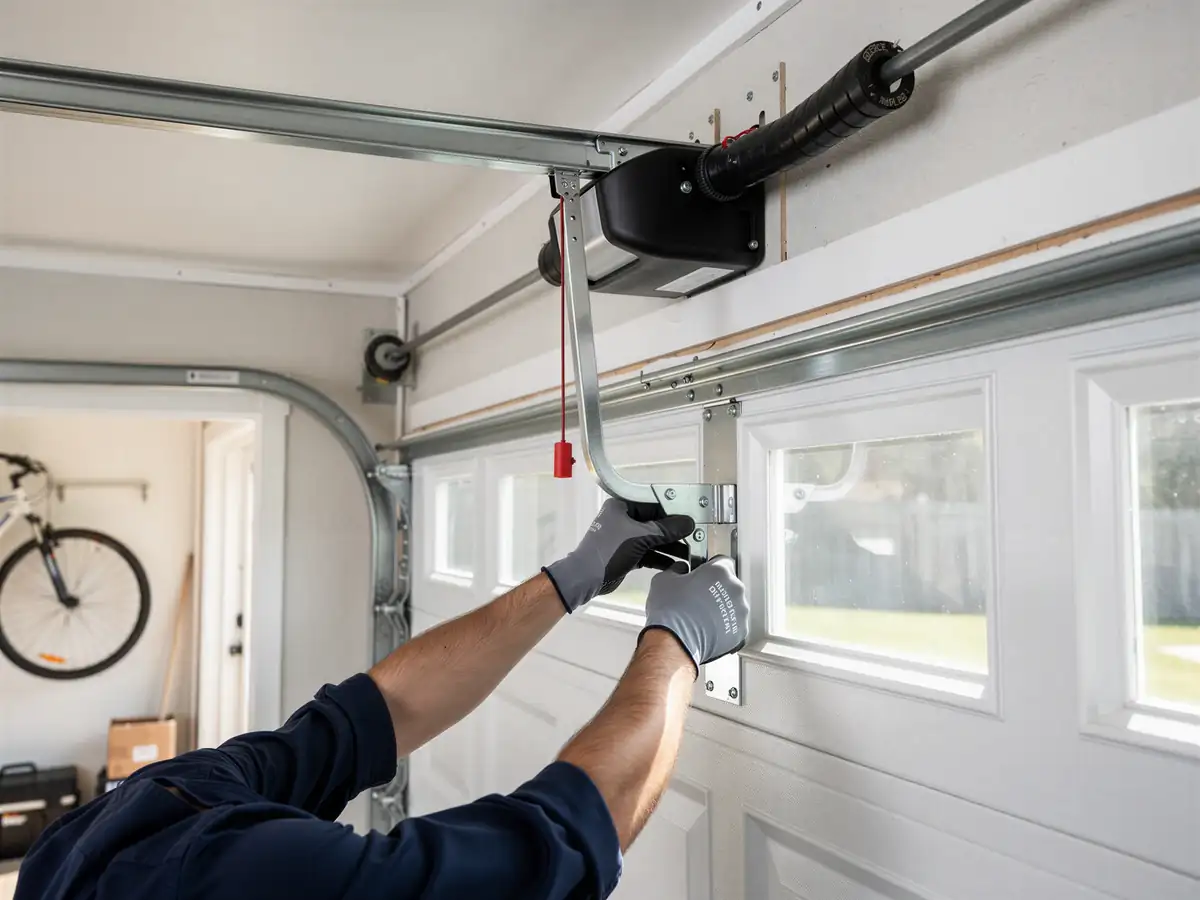
The mechanics are straightforward. Steel contracts as it gets cold, which changes the working tension on a torsion spring by a measurable amount - enough that a door can feel 10 to 15 pounds heavier on a 20-degree morning than it did at 60 degrees. On houses built before 1996, and especially the ones closer to the 1960 median for this area, doors and openers were engineered without the foam-core insulation and sealed bottom brackets that are standard on new installs, so the swing in performance between seasons is wider. Lubricant viscosity thickens in cold too, which is why an opener motor working through stiff rollers on an old track draws harder and sounds different in January. None of this means the hardware is failing - it means hardware built for a different era is doing exactly what it was built to do, just under conditions that stress it more than a modern door would feel. Across this service area, with 51,446 owner-occupied houses and most of that stock dating to the 1960s and 70s, this pattern repeats on block after block every winter.
How it works
From “it’s stuck” to “it’s fixed”
01
Tell us what’s wrong
Describe the symptom - won’t open, loud bang, opener runs but the door won’t move.
02
On-site diagnosis
A technician tests the door under power and by hand and finds what actually failed.
03
Clear, up-front plan
You get the fix that’s needed and what drives the cost - before any work starts.
04
Repaired & tested
The repair is done, the door is set true and tested, and the work area left clean.
Not sure which repair your door needs in West Chester, PA? Describe what it’s doing - every job starts with a diagnosis.
Straight answers about garage door repair in West Chester. Still unsure? Ask us directly.
Why does my garage door feel so much heavier in winter than summer?
Cold steel loses some spring tension, and on an older torsion setup - common on houses built in the 1960s and 70s across this area - that loss is more noticeable because the hardware wasn't engineered with the tolerances modern doors have. A 10-15 pound difference in lift effort between a 60-degree day and a 20-degree morning is normal, not a sign of failure.
Is it worth replacing an original door from a 1960s house just because it's old?
Not automatically. If the panel is sound, the spring holds even tension, and the seals aren't letting in drafts, an original door can keep working for years. Replacement makes sense when the insulation gap is actually costing you on heating, or when hardware starts failing in ways that are hard to source parts for.
My door sounds different on the first cold morning but fine by afternoon - should I worry?
That's thickened grease and a cold torsion spring, both of which loosen up as temperature rises through the day. It's a normal seasonal pattern on older hardware in a cold climate like this one, not an emergency. Keep an eye on it, but there's no need to call until it stops resolving on its own.