Garage Door Opener Installation, Built for West Chester's Older Housing
Opener installs and replacements for West Chester homes built 1938-1996, matched to the cold-climate demands this area's housing stock puts on drive systems.
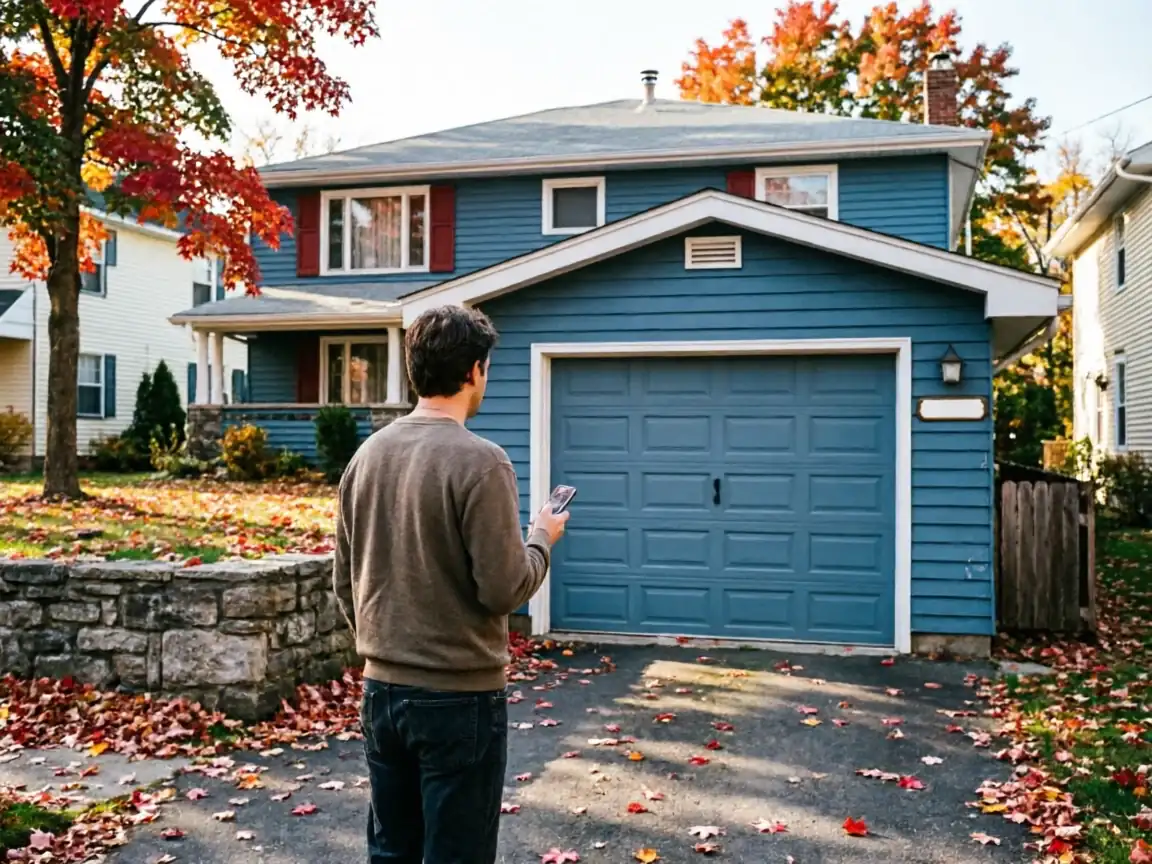
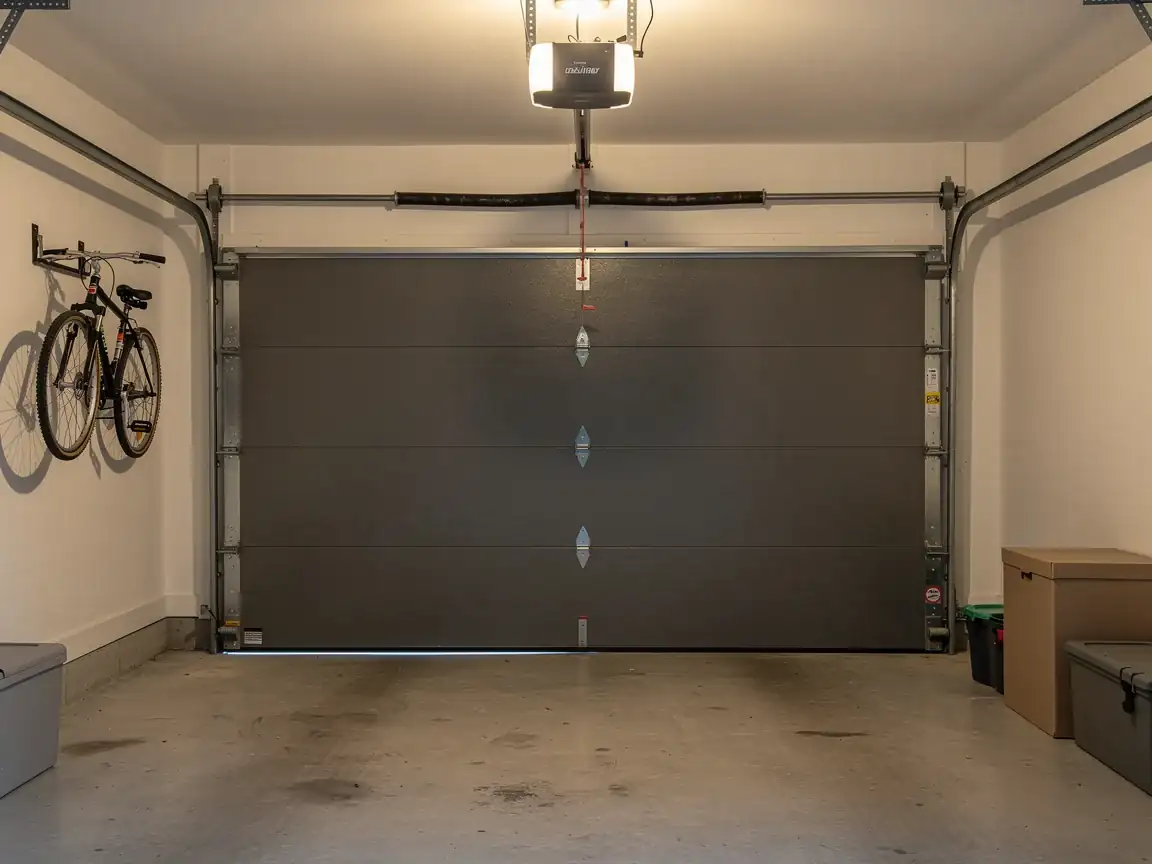
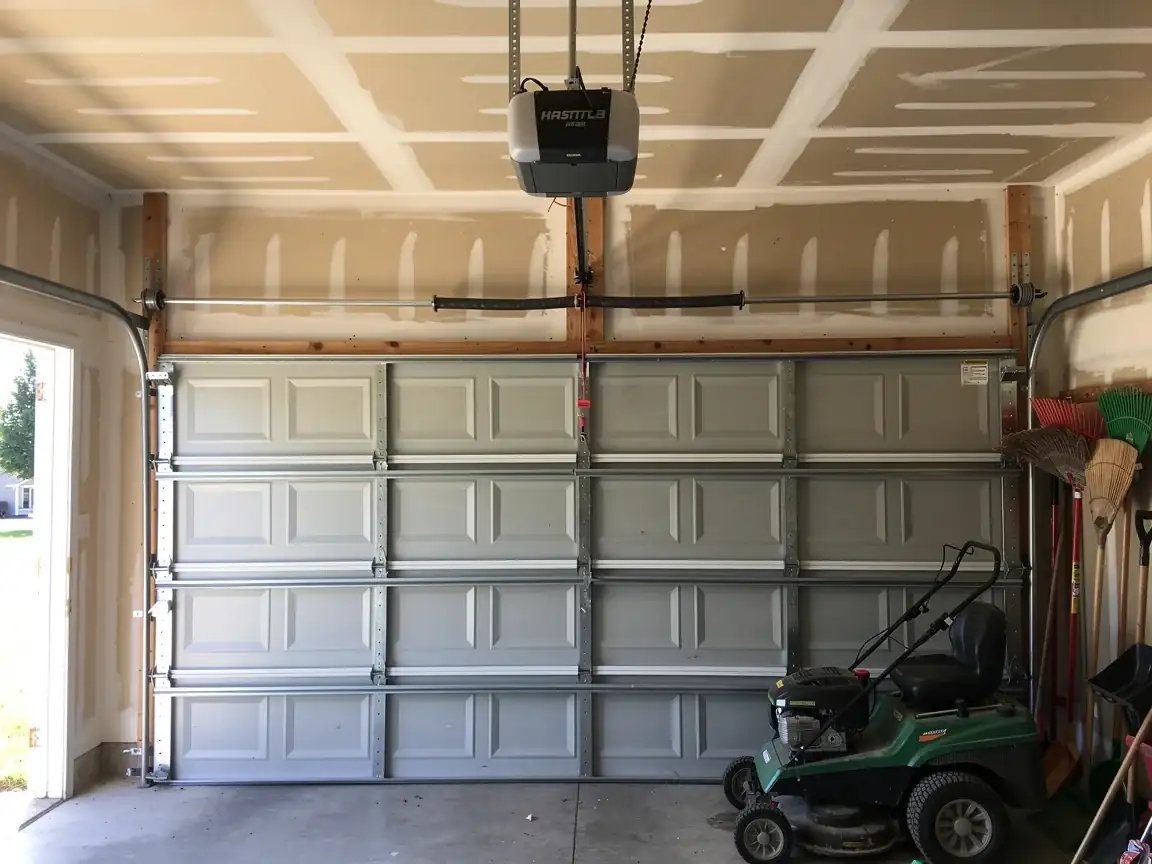
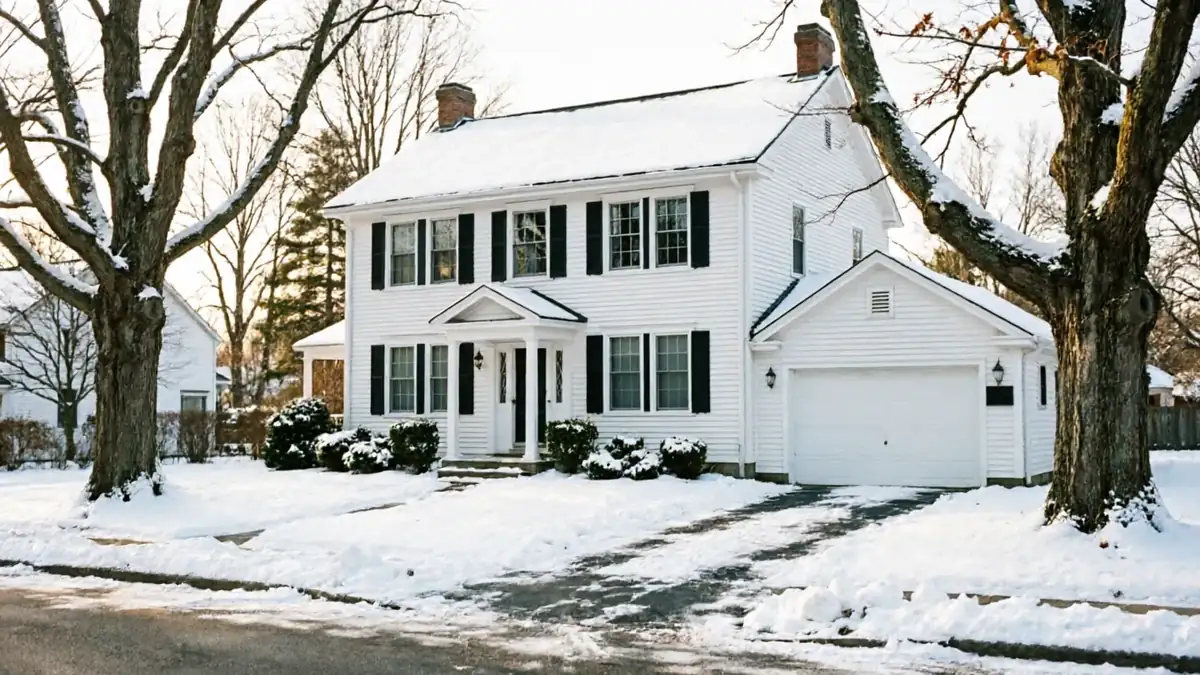
Most of the garage openers we pull out in this area aren't failing because of bad luck. They're failing because of age math. Housing across the service area was built mostly between 1938 and 1996, with the median landing around 1960, and a lot of that stock clusters in the 1960s and 70s across the 74 named areas we cover. A chain-drive opener from a 1970s build, even if it's been replaced once already, is usually running on a header bracket and track angle that was never set up for a modern belt-drive unit or a heavier insulated door.
Then there's the cold. This region sits in a severe cold climate band, which means openers see real thermal cycling every winter - the kind that stiffens grease in gear housings, shrinks chain slack, and puts extra load on a motor that's already working against a door heavier than the one it was speced for decades ago. In homes this old, the opener is rarely the first thing to go. It's usually the third or fourth repair after springs and rollers have already been swapped, and by then the bracket, the wiring, and the safety sensors are all mismatched generations of hardware trying to work together.
How Long It Takes
A straight swap - same mounting point, same door weight class, no structural surprises - is a half-day job for one tech. Add a header reinforcement because the original bracket was sized for a lighter door, or run new low-voltage wiring because the old run was spliced one too many times, and you're into a full day. We don't quote a number until we've seen the header and the existing wiring, because on housing stock this old, what's behind the trim is rarely what the permit drawings (if they even exist) said it would be.
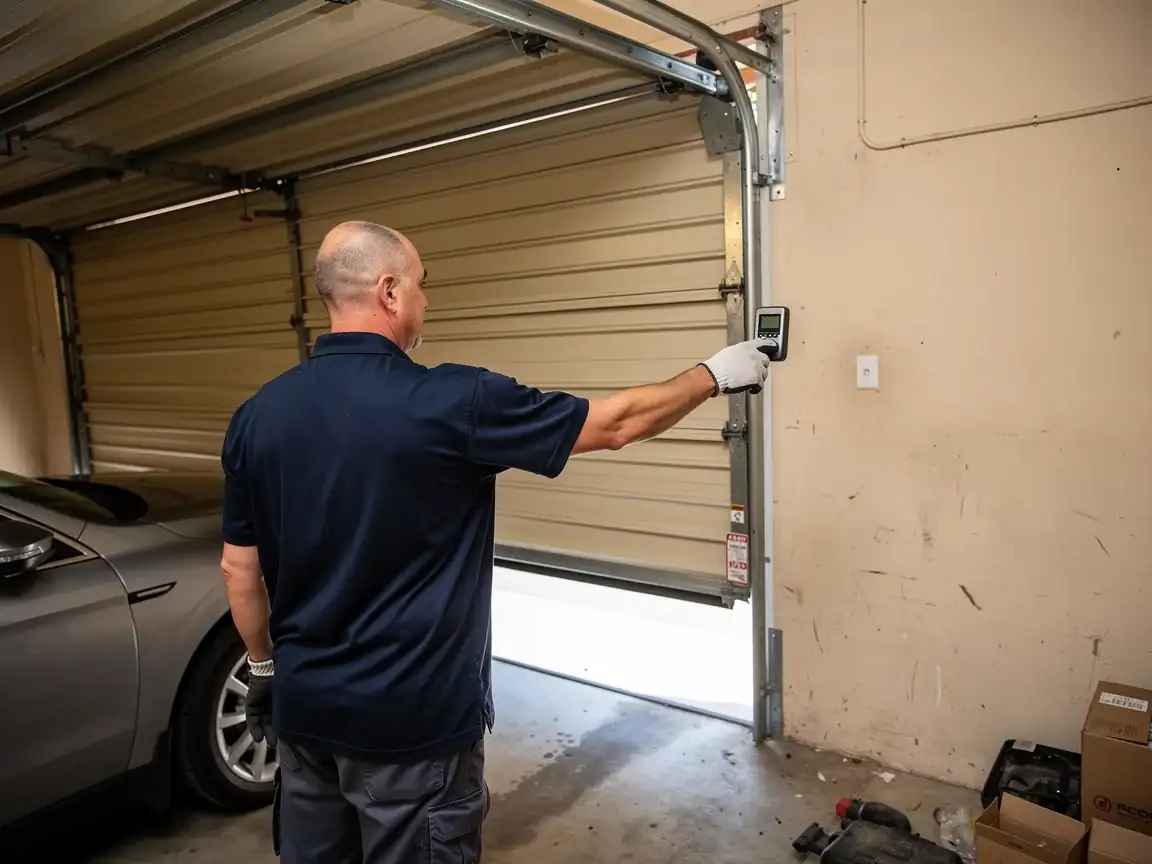
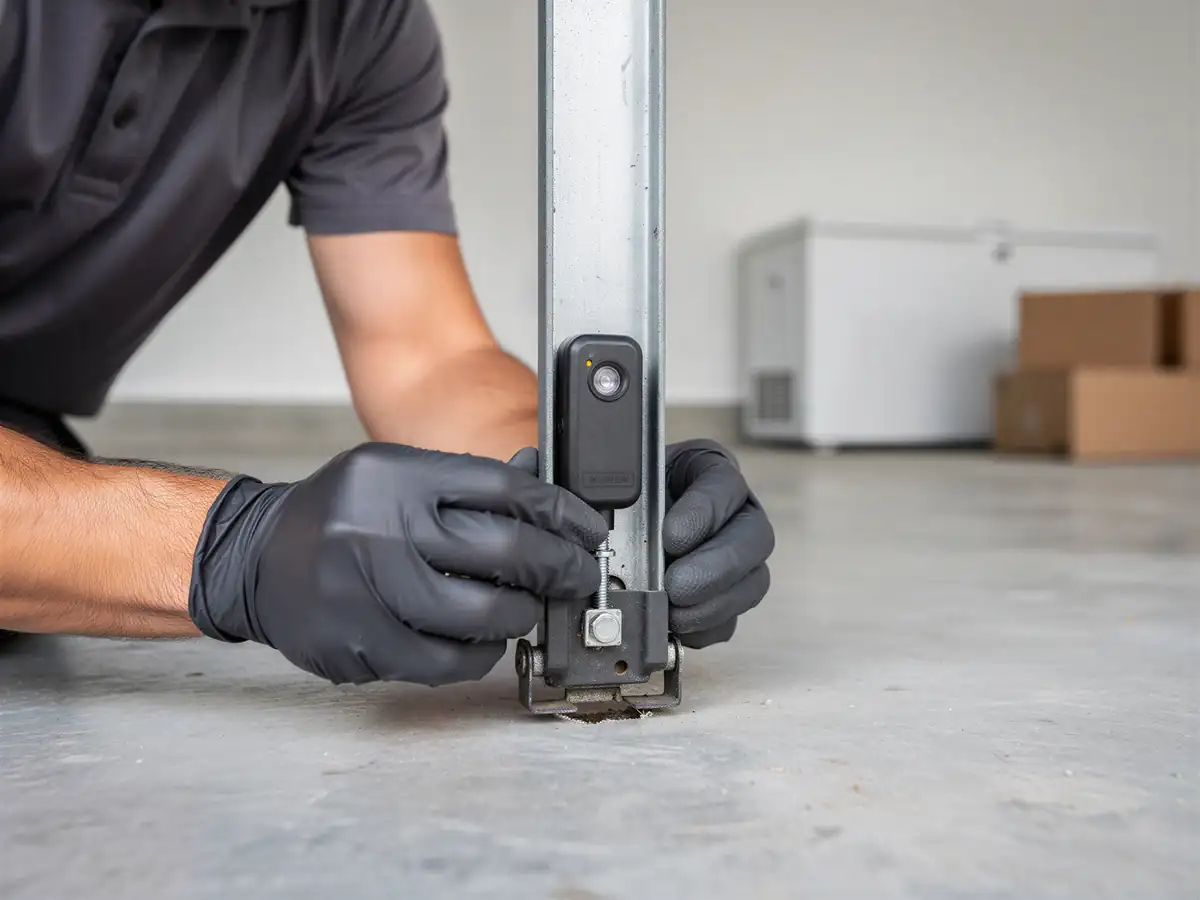
The part that actually eats time isn't the motor mount - it's the safety sensor alignment and travel-limit programming. On older openers being replaced, the photo-eye brackets are often bent, rusted, or missing entirely, and getting a new pair aimed and wired correctly on a track that's thirty-plus years out of true takes longer than bolting on the unit itself.
What the Repair Takes
01
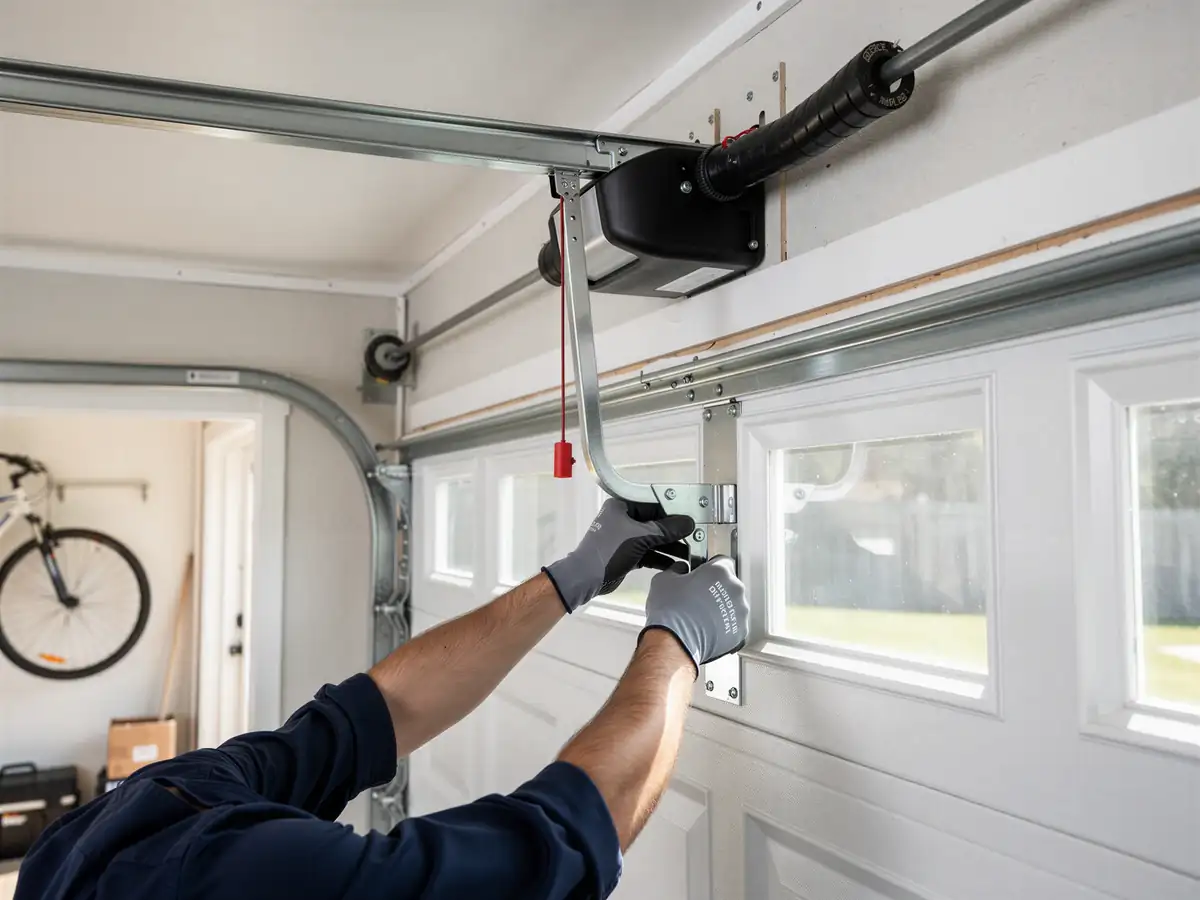
A proper installation isn't just hanging a motor head
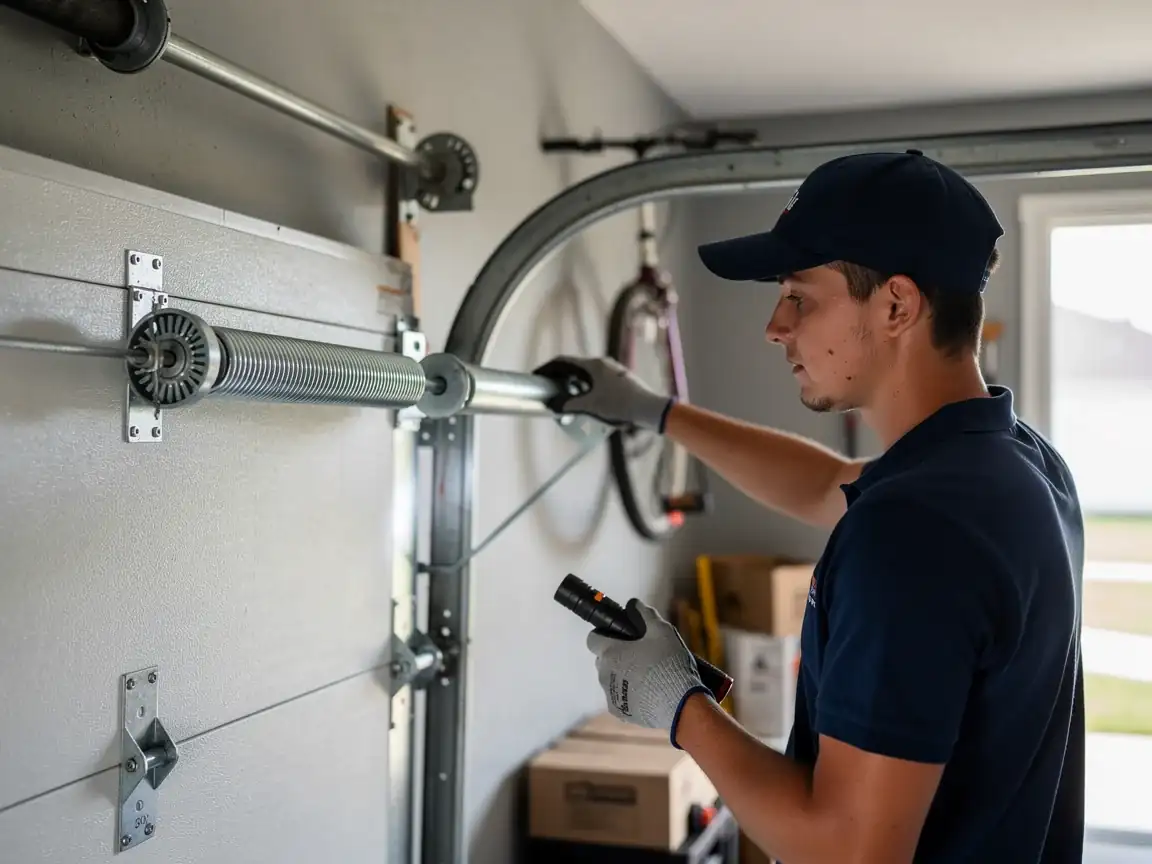
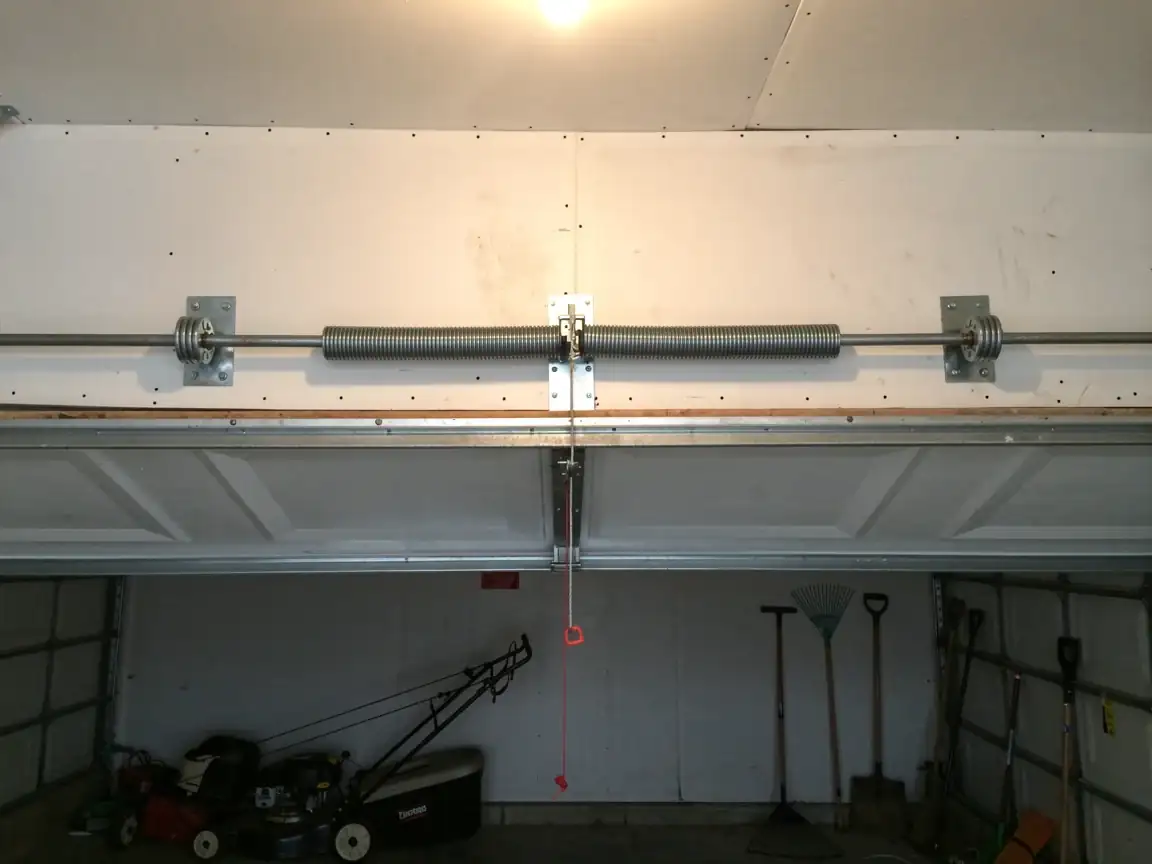
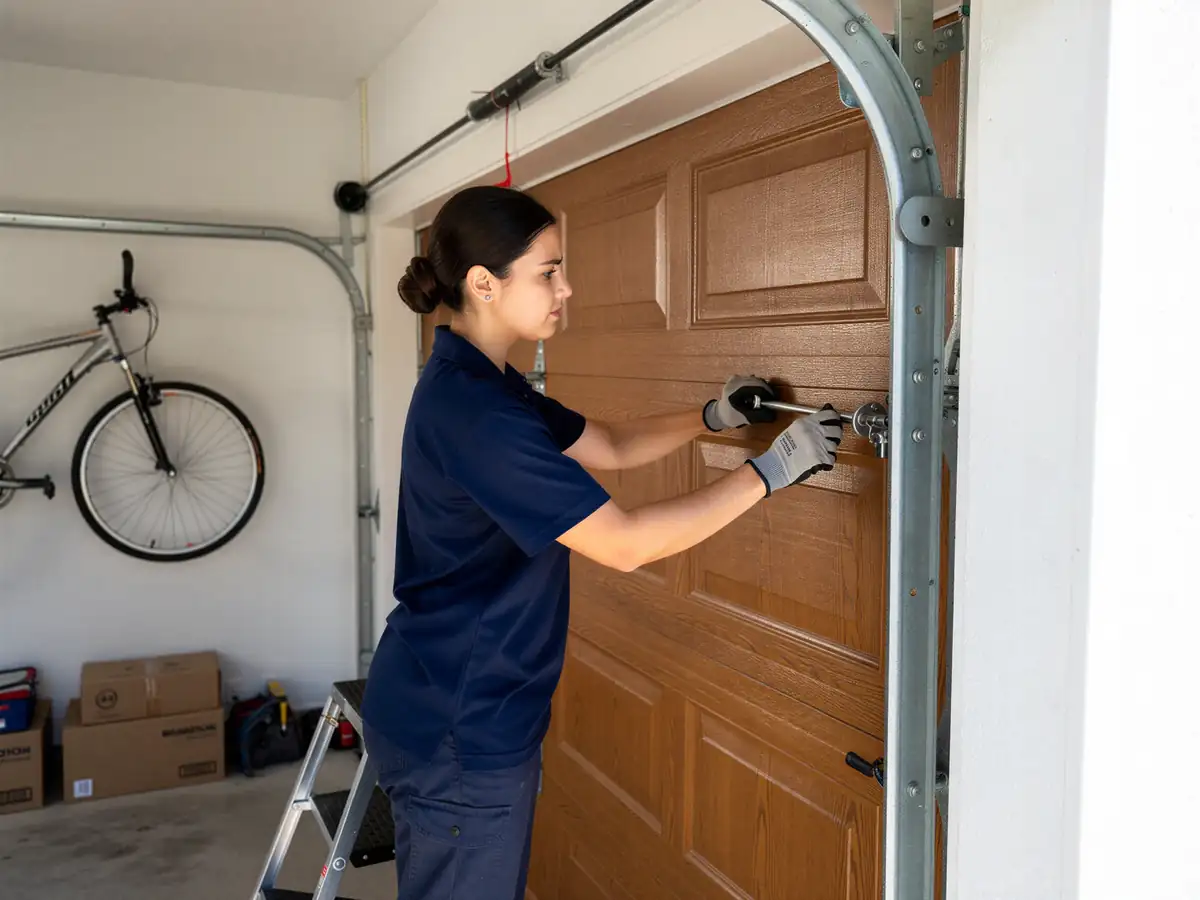
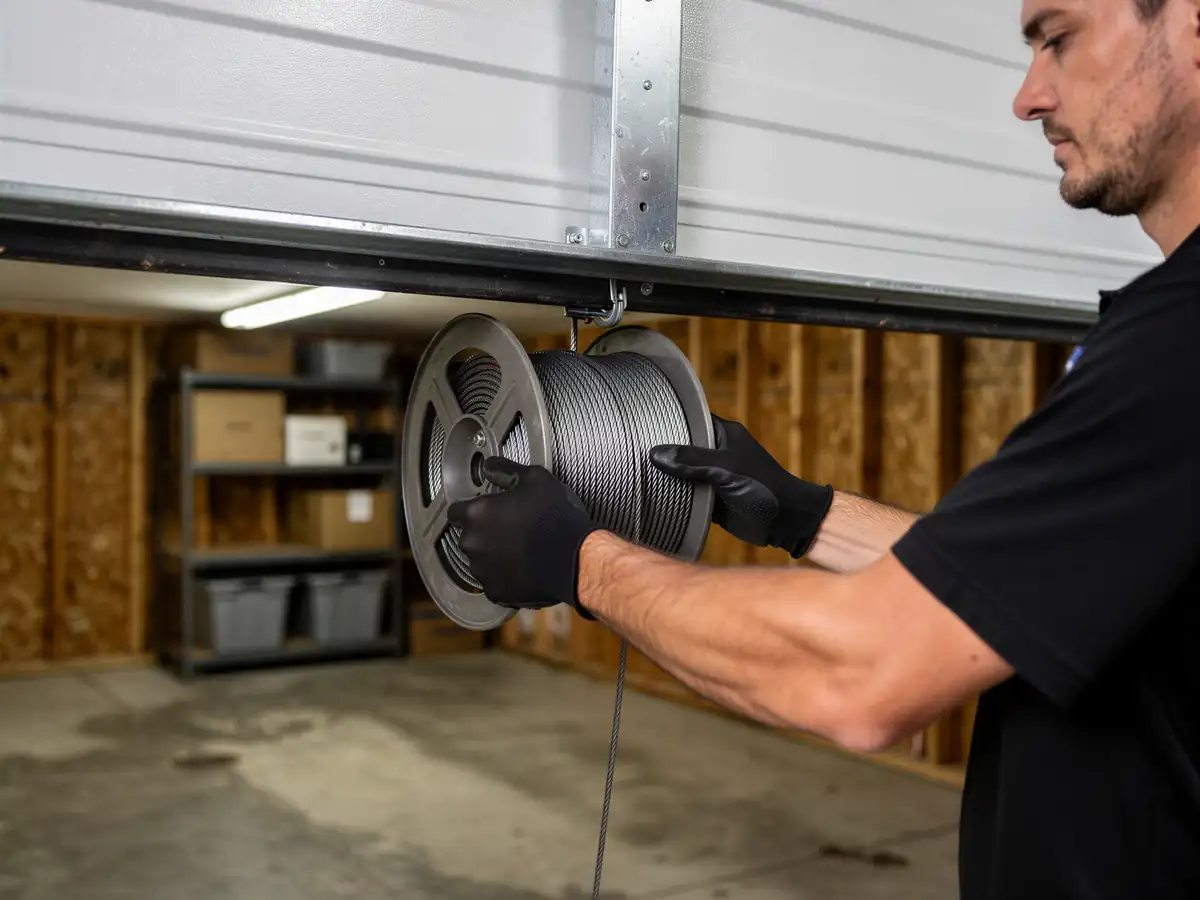
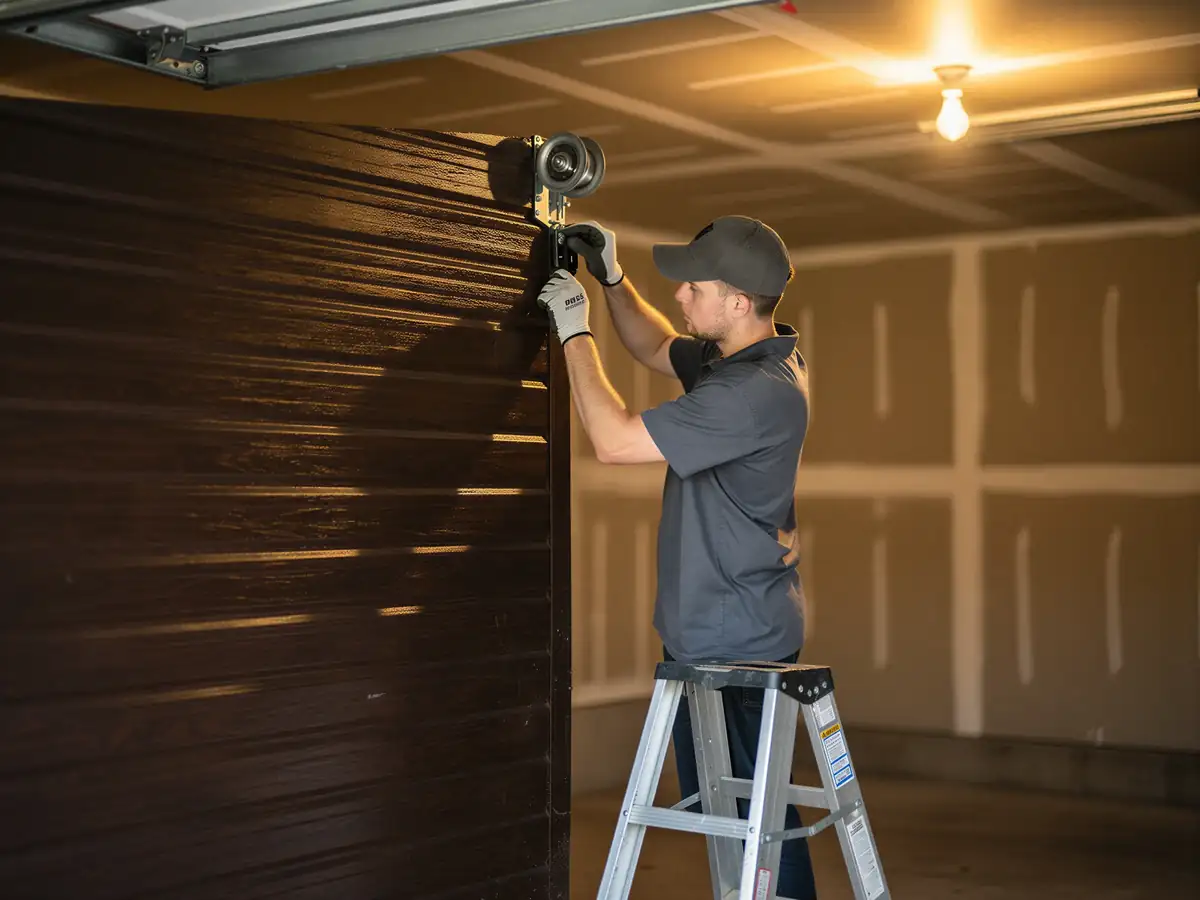
We check the header for rot or undersizing, confirm the door's weight and balance before the new opener ever takes load, replace the drive rail and carriage as a set rather than mixing old and new, and rewire the wall station and safety sensors to current code rather than patching into whatever gauge wire was already there. On a door with worn springs, we're not shy about saying the opener isn't the real problem - we'll tell you if the spring and roller work needs to happen first, because an opener will burn itself out fighting a door that isn't balanced.
02
One honest limitation: we don't install openers on doors we haven't inspected first
If the door itself is near the end of its life - warped panels, a bent track, hardware that's been patched one too many times - putting a new motor on it is a short-term fix that'll fail again inside a year, and we'd rather say that up front than sell a job that comes back.
The Symptom
The calls we get are consistent: the opener runs but the door barely moves, it reverses halfway up for no reason, or it's making a grinding sound that gets worse in cold weather and quiets down once the garage warms up. That cold-weather pattern is a real symptom, not a coincidence - it's the climate band this area sits in doing exactly what it does to aging gear housings and stiff chains.
Another common one: the opener works fine standalone but the wall button and remote stop talking to it, usually because the unit is old enough that its receiver predates the wiring standards used in newer installs. If your opener is original to a house built anywhere near that 1960s median, and it's starting to hesitate, strain, or make noise it didn't used to make, that's the pattern worth having looked at before it quits outright.
How it works
From “it’s stuck” to “it’s fixed”
01
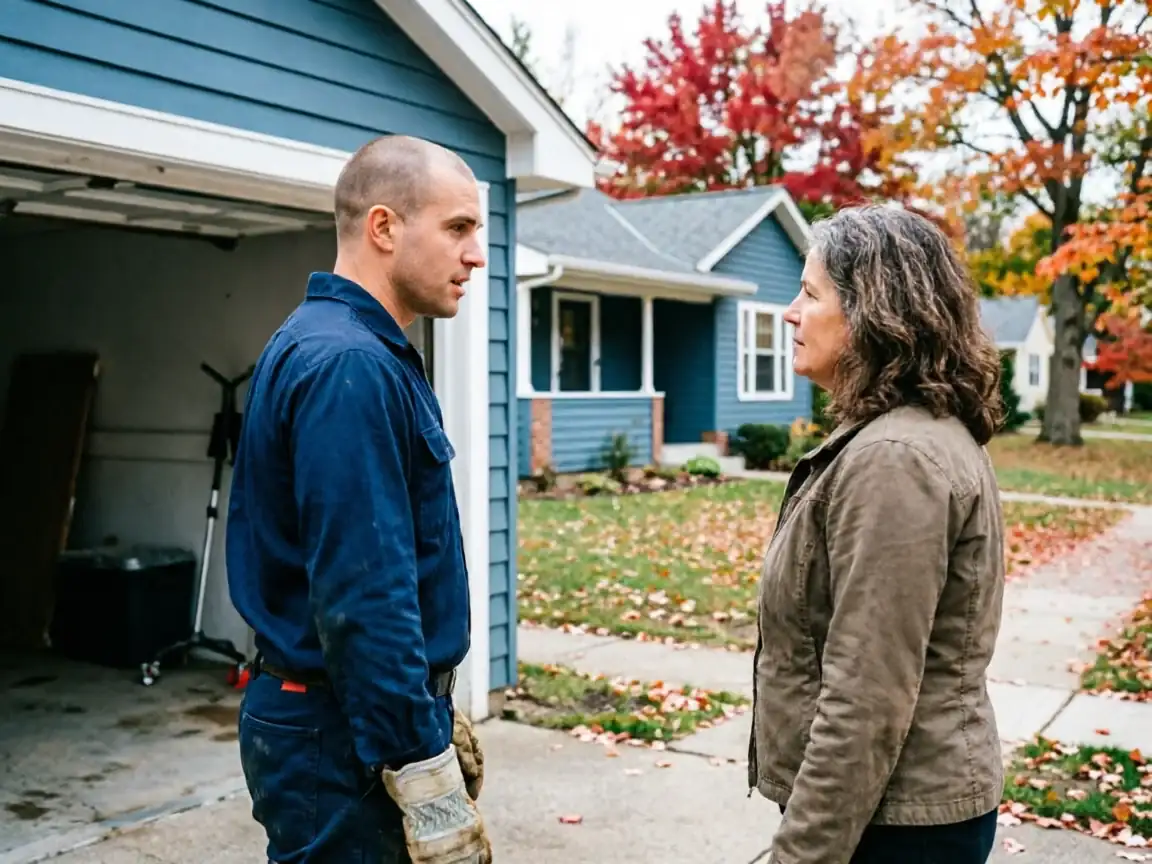
Tell us what’s wrong
Describe the symptom - won’t open, loud bang, opener runs but the door won’t move.
02
On-site diagnosis
A technician tests the door under power and by hand and finds what actually failed.
03
Clear, up-front plan
You get the fix that’s needed and what drives the cost - before any work starts.
04
Repaired & tested
The repair is done, the door is set true and tested, and the work area left clean.
Not sure which repair your door needs in West Chester, PA? Describe what it’s doing - every job starts with a diagnosis.
Straight answers about garage door repair in West Chester. Still unsure? Ask us directly.
How do I know if I need a new opener or just a repair?
If the motor runs but struggles, reverses randomly, or is original to a house built in the 1960s-70s range common in this area, replacement usually makes more sense than patching a worn-out unit. We check the door balance and header first, since those decide whether a new opener will actually last.
Will a new opener work with my old door and track?
Usually yes, but older homes in this area sometimes have header brackets or track angles sized for lighter doors than what's currently installed. We confirm fit before quoting, and reinforce the header if needed rather than forcing a mismatch.
Why does my opener get noisy or weak in winter?
This area sits in a severe cold climate band, and cold stiffens gear grease and shrinks chain slack in older openers. It's a common complaint on units installed decades ago and is often the first sign the drive system needs replacing, not just lubricating.