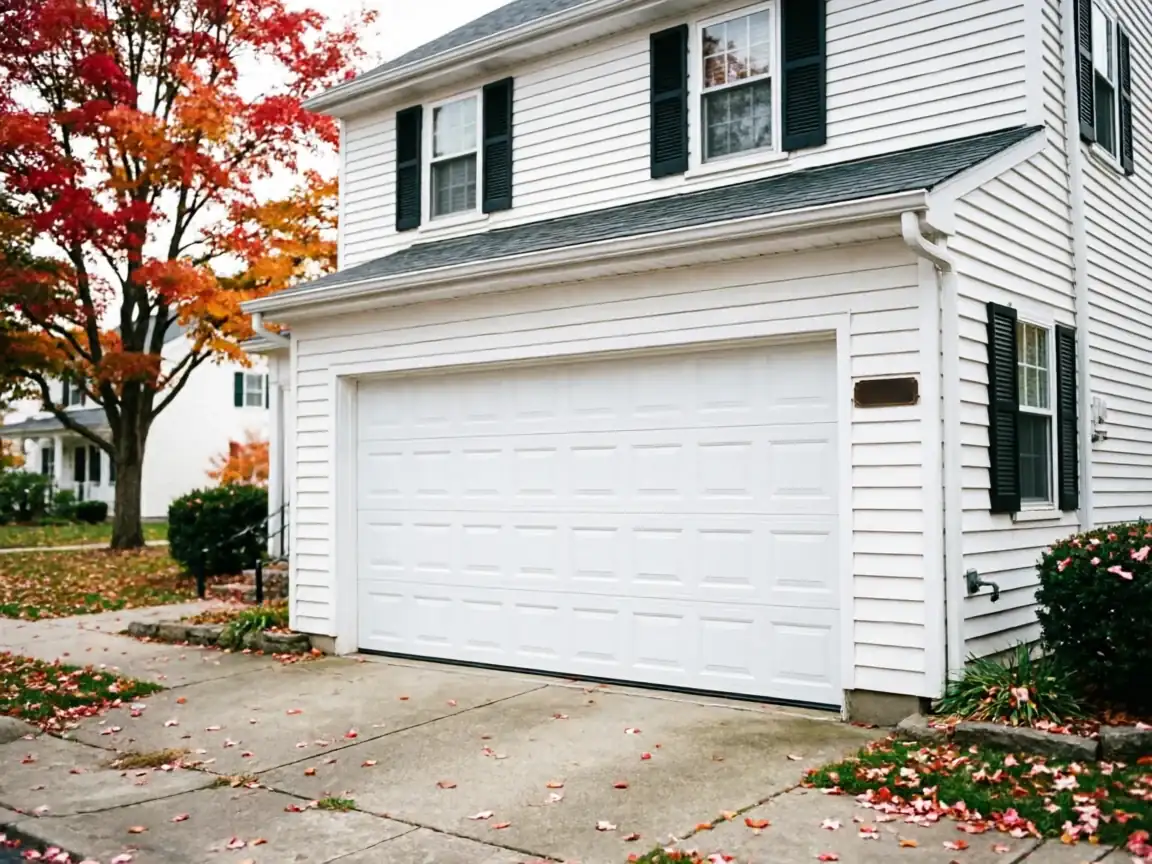
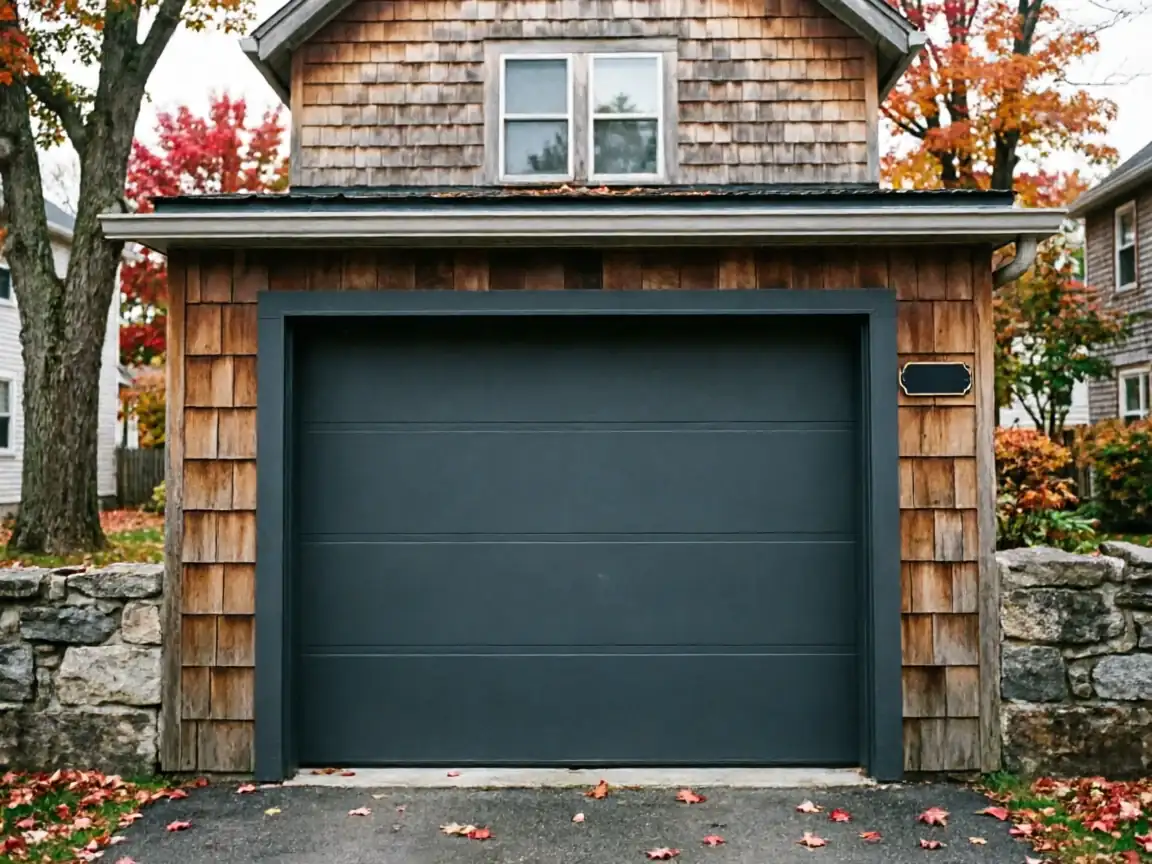
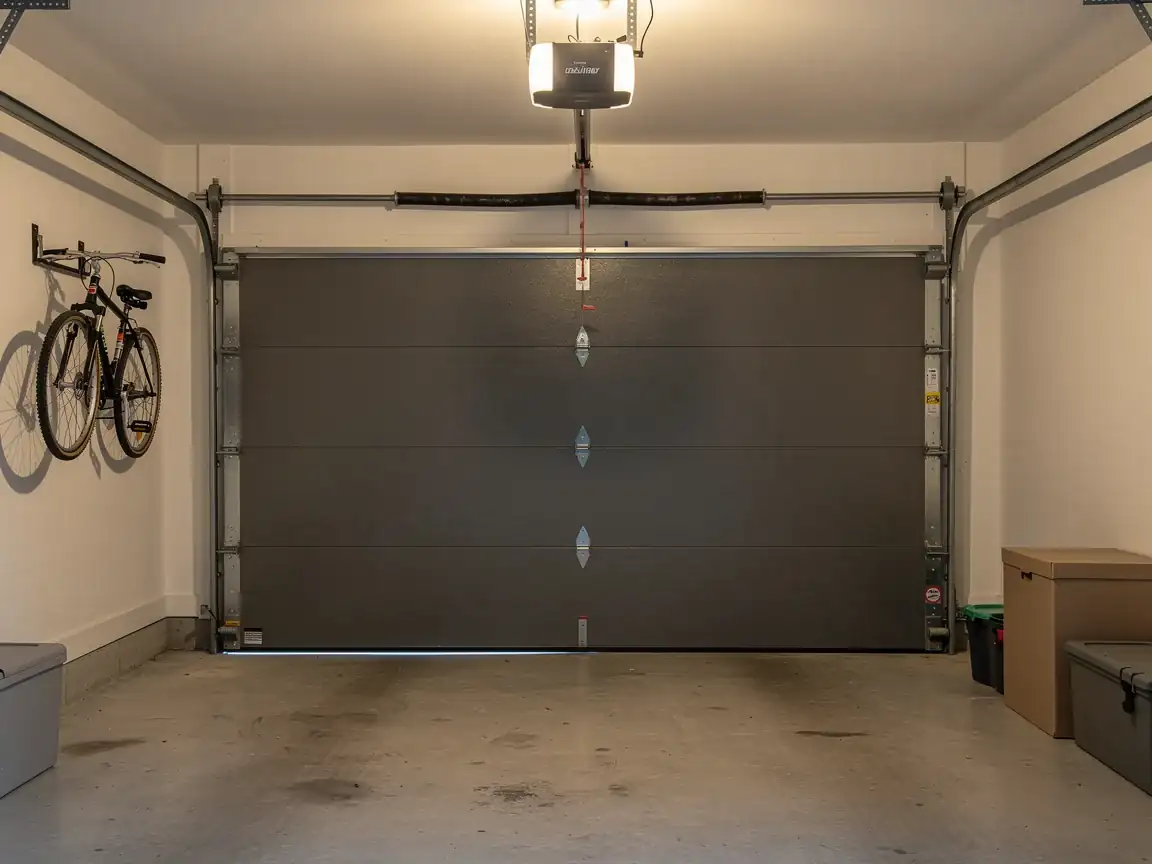
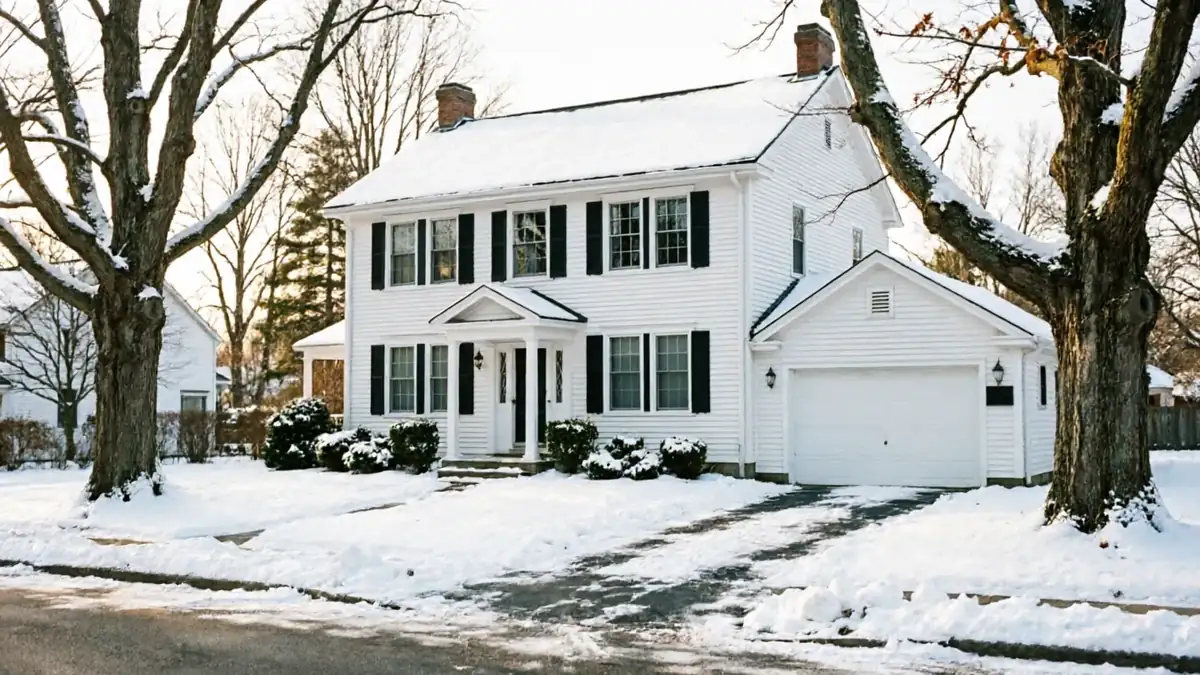
Most of the housing stock in this service area went up between 1938 and 1996, with the median build year sitting around 1960, and that matters for maintenance more than people think. Hardware from that era - torsion springs, pulleys, and lift cables sized to doors nobody makes anymore - ages differently than a door installed in the last ten years. Across the 74 named communities we cover, you see the same pattern repeat: steel panels that have been repainted twice, openers that were swapped in the 90s but tracks and rollers that never were.
The other factor is the cold. This region sits in a severe cold climate band, which means steel contracts hard in January and expands again by July. That cycle works lubricant out of rollers and hinges, dries out weatherseal, and loosens the lag screws holding the track to the jamb. A door that never gets touched after that first install season will start binding on cold mornings long before any part actually breaks.
None of this is dramatic - it's just wear that compounds quietly until a spring lets go or a cable frays. Maintenance is the thing that catches it while it's still a five-minute fix instead of a locked-out garage.
How Long It Takes
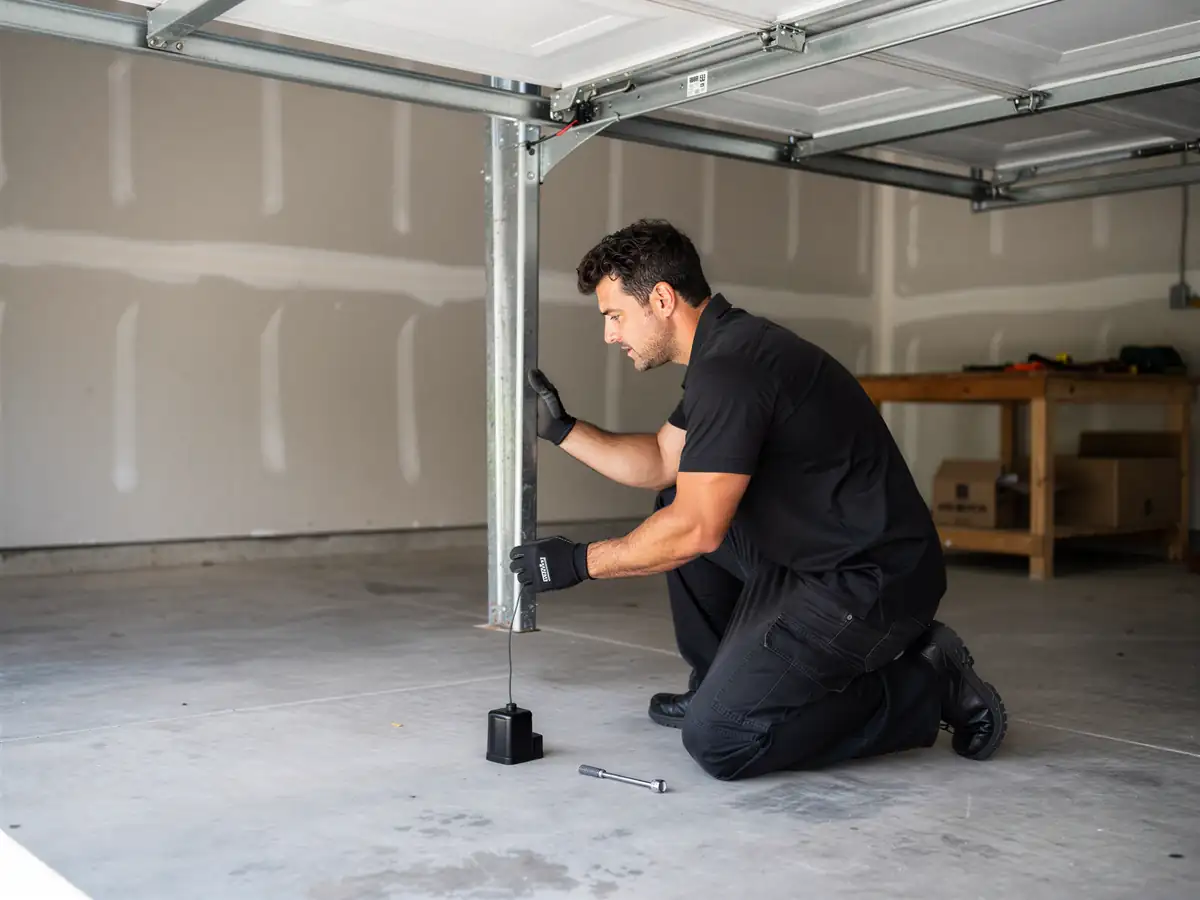
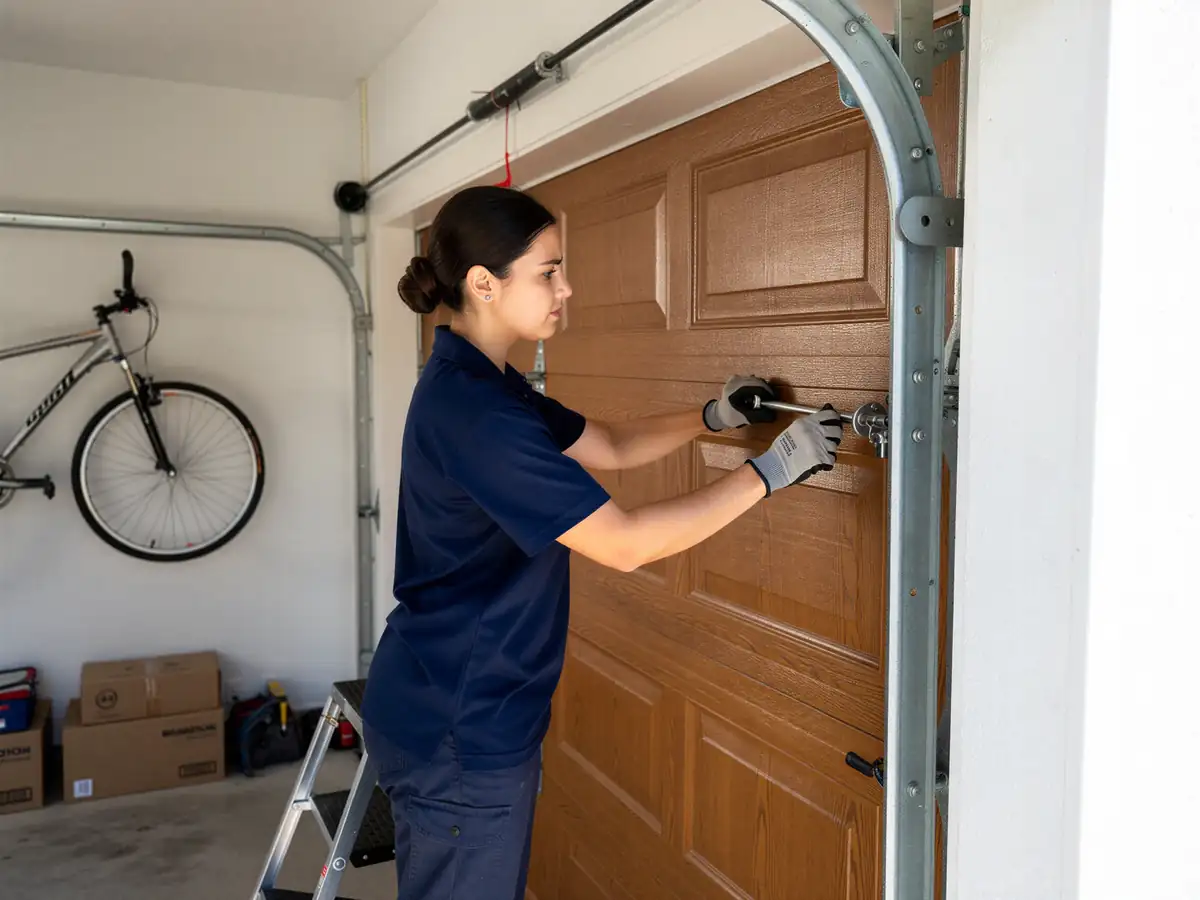
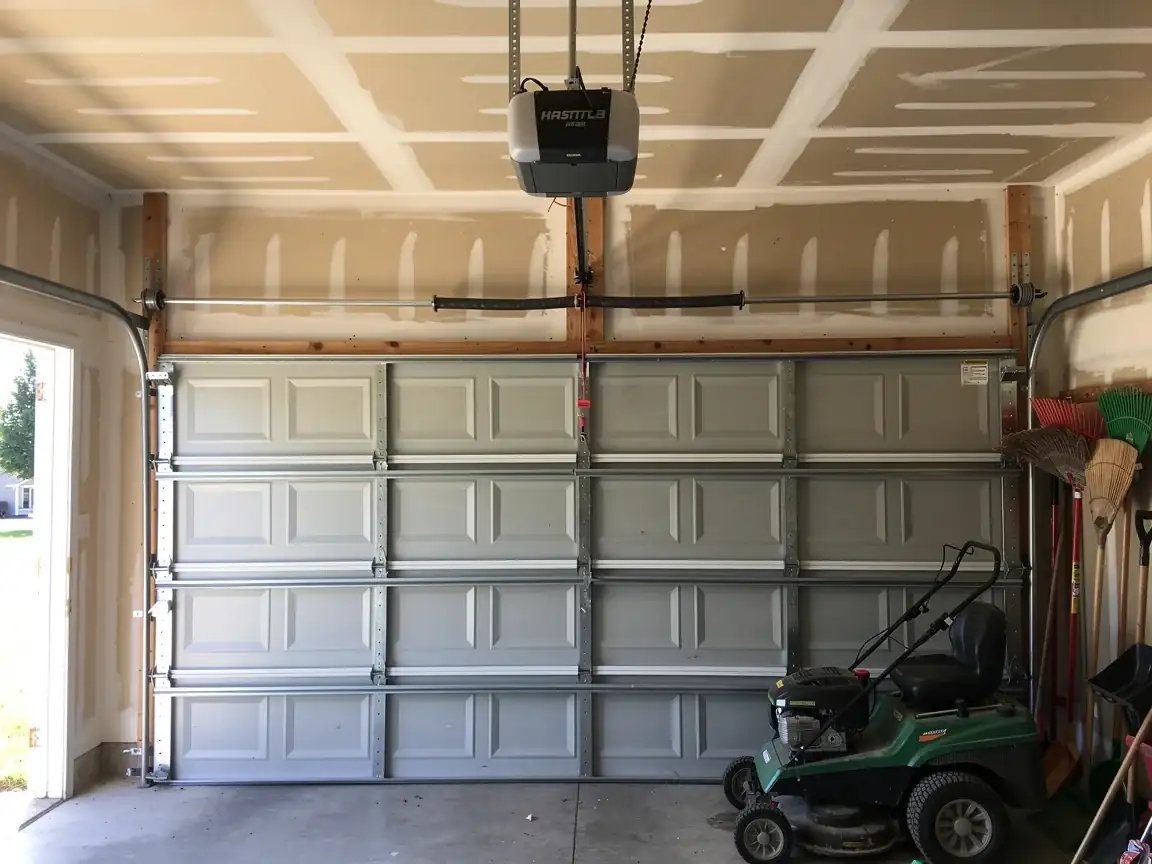
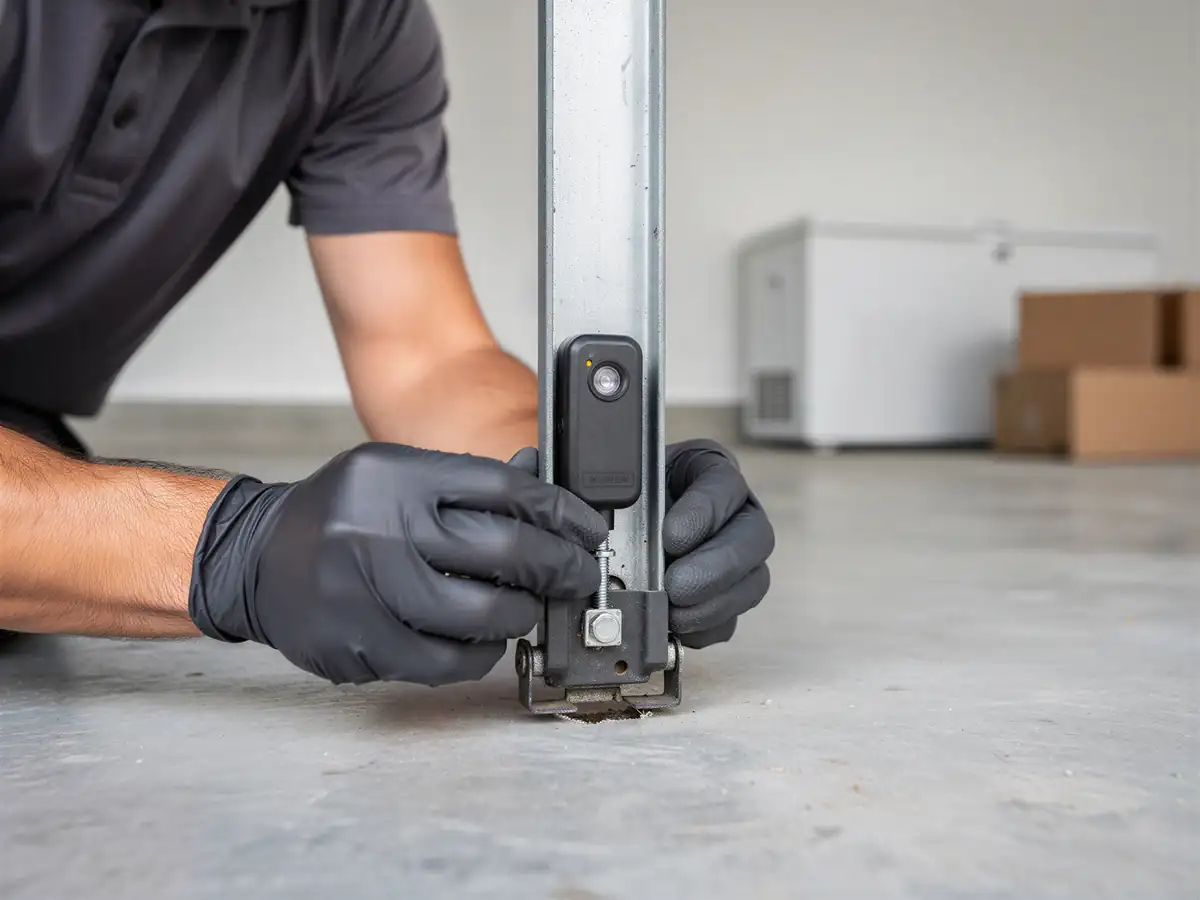
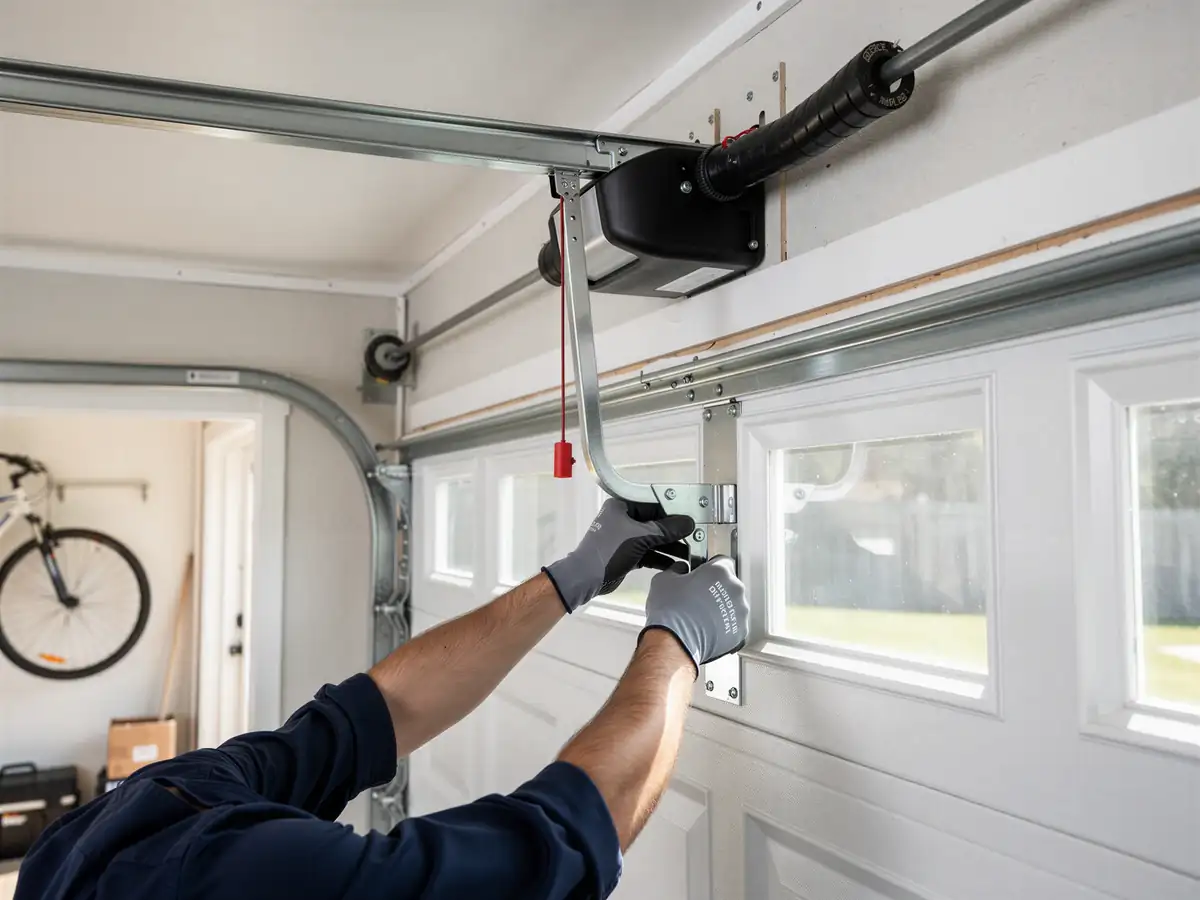
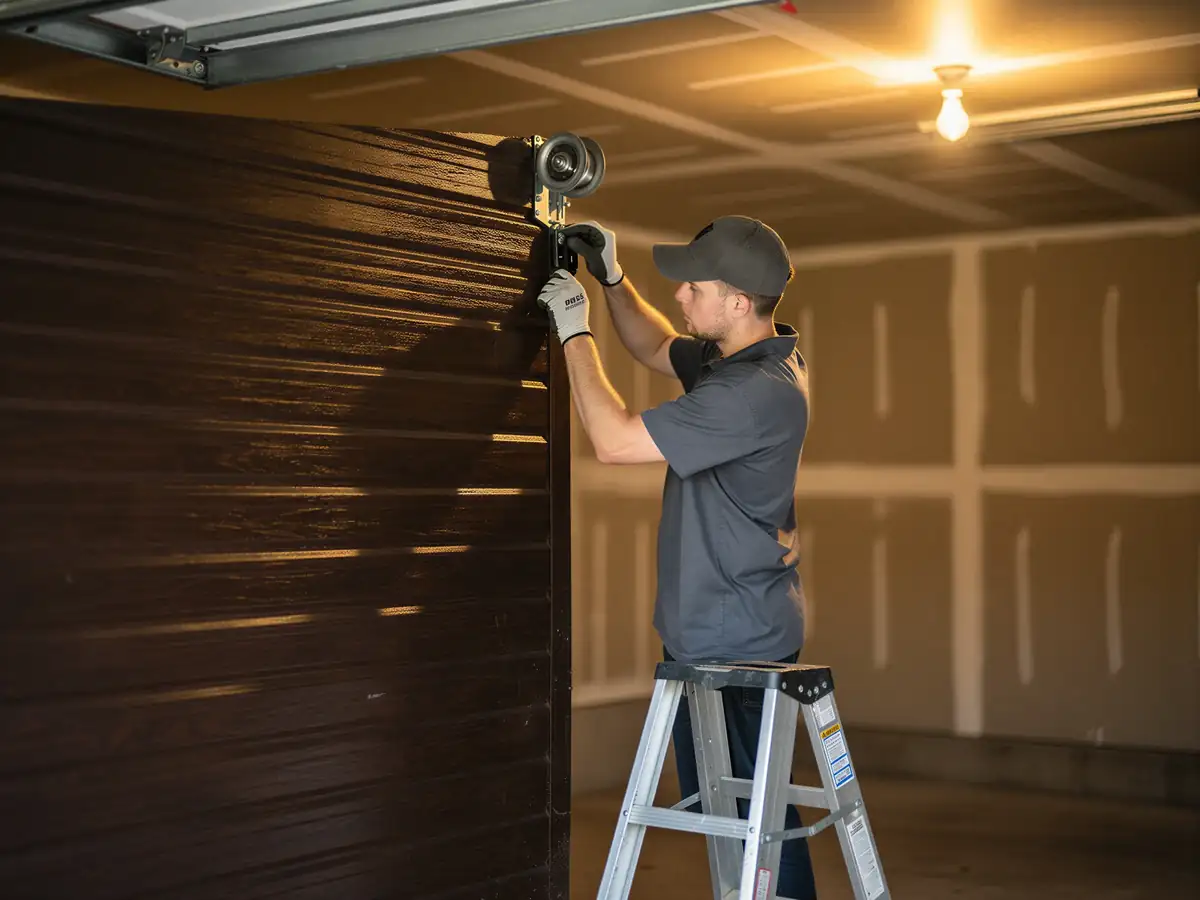
A standard maintenance visit on a single door runs well under an hour once the truck is on site - lubrication, hardware tightening, track alignment check, balance test, and a look at the weatherseal and cable condition. Double doors with older torsion setups, common in the 1960s-and-70s stock across this area, sometimes take a bit longer because there's more hardware to check and often more corrosion to clean off.
We won't pretend every door is the same, though. If the balance test turns up a spring that's already weak, or rollers that are cracked rather than just dry, that's not a maintenance fix anymore - that's a repair, and it gets scheduled as one so it's done right instead of rushed.
For households across the service area's roughly 51,446 owner-occupied houses, the honest answer on timing is: once a year, ideally before the cold months set in, is enough for most doors built on this timeline. Skip two or three years in a row and the visit often turns into a longer repair instead of a quick tune-up.
What the Repair Takes
01
When maintenance turns up a real problem
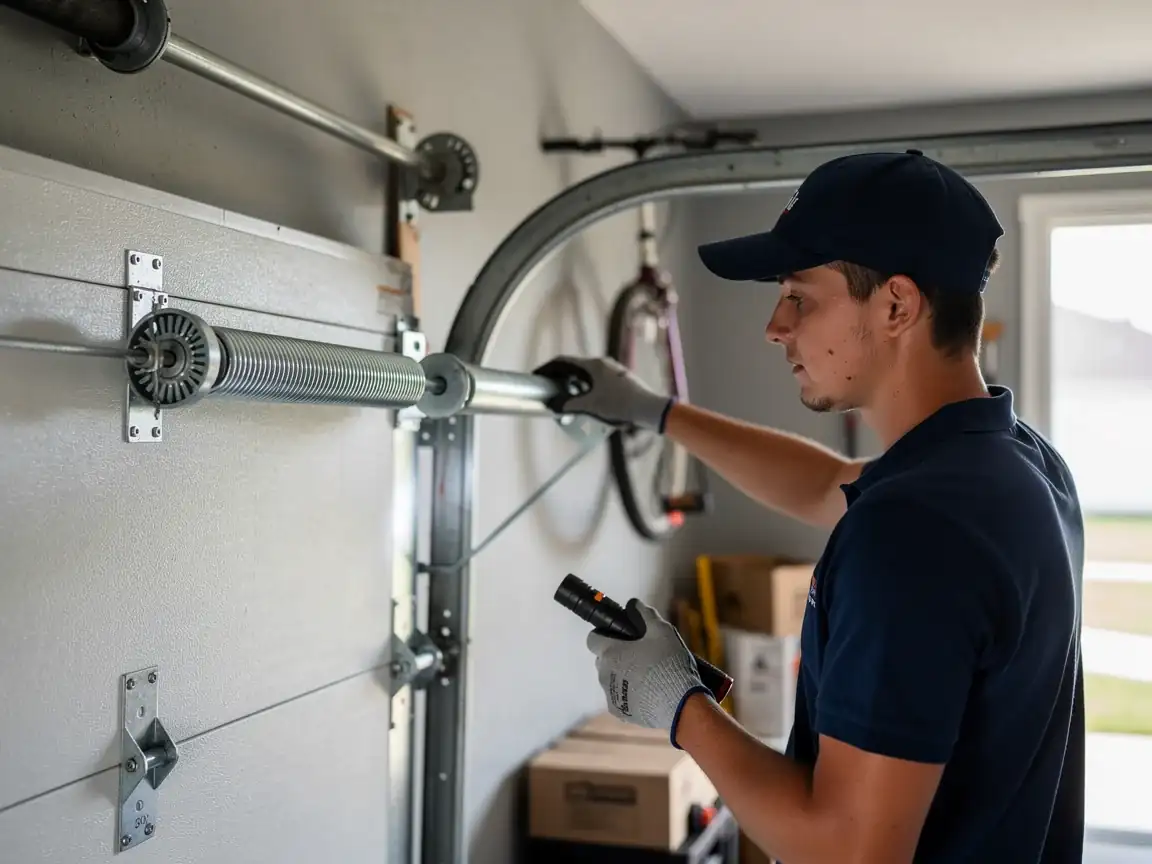
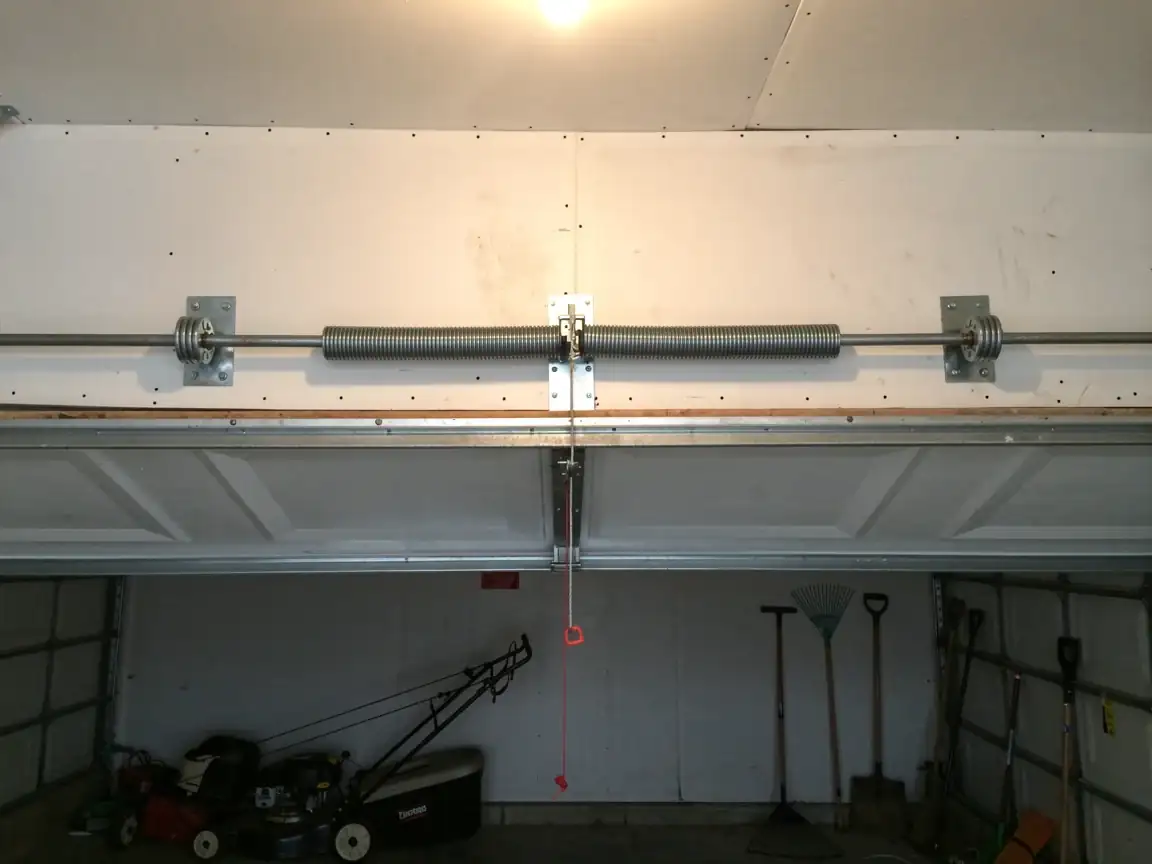
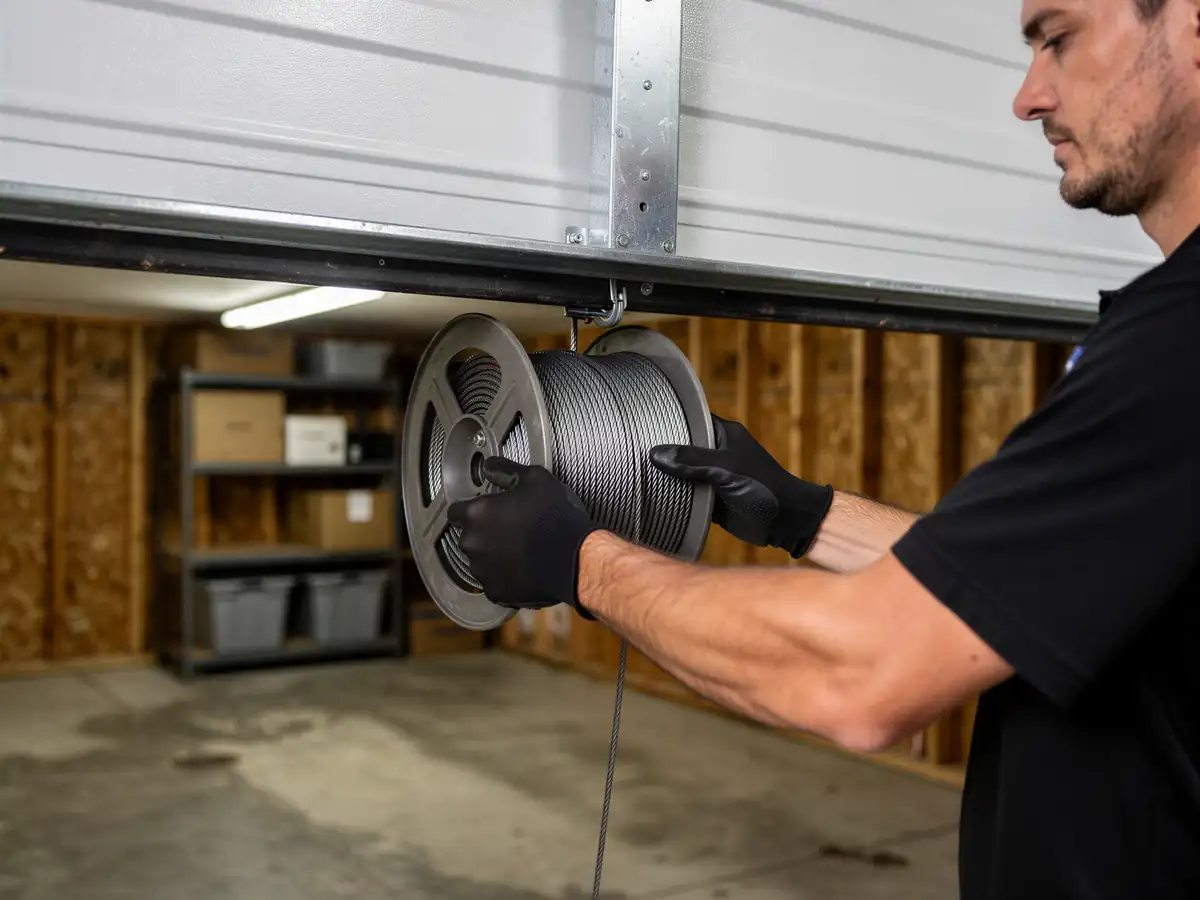
A spring near the end of its cycle count, a cable showing fray, a track bent from years of seasonal contraction - the fix depends on what the door actually has. Original hardware from the 1960s and 70s often uses sizes and mounting styles that newer parts don't match exactly, which means a straight swap isn't always possible. Sometimes the bracket or the track itself needs to come with it.
02
We'll tell you plainly when a repair isn't worth it
A door old enough that its hardware is obsolete and its panels are already dented or rusted through is often cheaper to replace outright than to keep patching, and we'd rather say that up front than bill you for parts that buy another six months.
03
One limitation worth stating clearly: we don't carry every obsolete part on the truck
Some older torsion components have to be special-ordered, and that can add a few days to a repair that would otherwise be same-visit. We'll tell you at the door, not after.
The Symptom
The signs that bring most households in this area to call are consistent: a door that shudders partway up, a spring that's visibly separated, or a door that's suddenly heavier to lift by hand than it used to be. On older torsion setups common to houses built before 1996 here, a loud bang from the garage is almost always a spring letting go - it's startling but rarely dangerous if nobody's near the door when it happens.
Other symptoms show up more gradually: a door that drifts off-level as it closes, rollers that grind instead of roll smoothly, or an opener that strains and reverses partway through the cycle. These are the signs maintenance is built to catch before they become a locked door or a dropped panel.
If your household is one of the roughly 162,229 in the service area with a garage door older than the opener it's paired with, these symptoms tend to show up on the door side first - hardware fatigue, not electronics. That's worth knowing before you assume the opener itself is the problem.
How it works
From “it’s stuck” to “it’s fixed”
01
Tell us what’s wrong
Describe the symptom - won’t open, loud bang, opener runs but the door won’t move.
02
On-site diagnosis
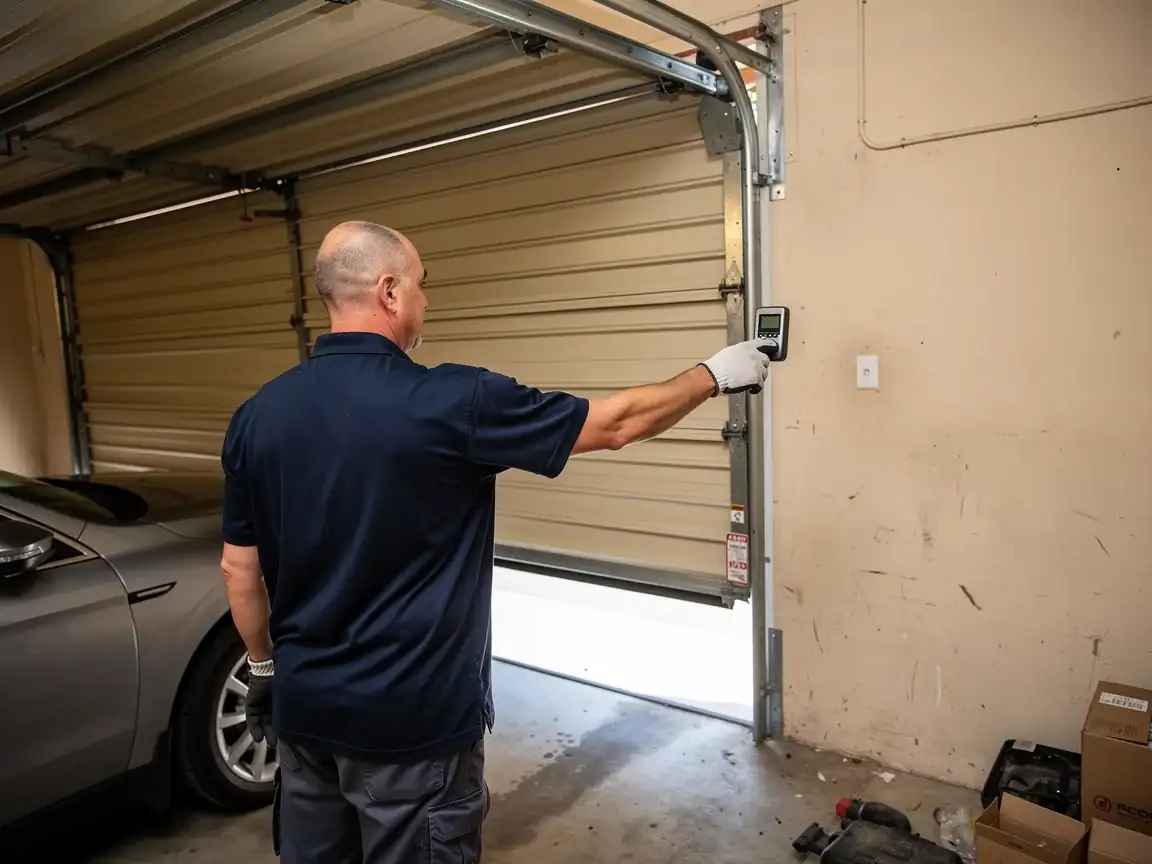
A technician tests the door under power and by hand and finds what actually failed.
03
Clear, up-front plan
You get the fix that’s needed and what drives the cost - before any work starts.
04
Repaired & tested
The repair is done, the door is set true and tested, and the work area left clean.
Not sure which repair your door needs in West Chester, PA? Describe what it’s doing - every job starts with a diagnosis.
Straight answers about garage door repair in West Chester. Still unsure? Ask us directly.
How often should I get my garage door maintained in this area?
Once a year is reasonable for most doors here, ideally before winter. Given the severe cold climate band this region sits in, steel hardware and weatherseal take the hardest hit in the temperature swings between summer and January, so a fall check catches problems before the cold makes them worse.
My house was built in the 1960s - does that affect maintenance?
Yes. A lot of the housing stock across this service area dates from that era, and original torsion hardware on those doors often uses sizes that newer replacement parts don't match exactly. Maintenance on these doors sometimes takes a little longer just to check hardware condition properly.
Is a loud bang from the garage always a broken spring?
Almost always, yes, especially on older torsion setups common in houses built before the 1990s here. It's startling but not usually dangerous if no one is standing near the door. Don't try to operate the door until the spring is checked.
Do you carry all the parts for older garage doors on the truck?
Not always. Some torsion components from older installs are no longer stocked parts and have to be special-ordered, which can add a few days to a repair. We'll tell you at the time of the visit if that's the case rather than after.