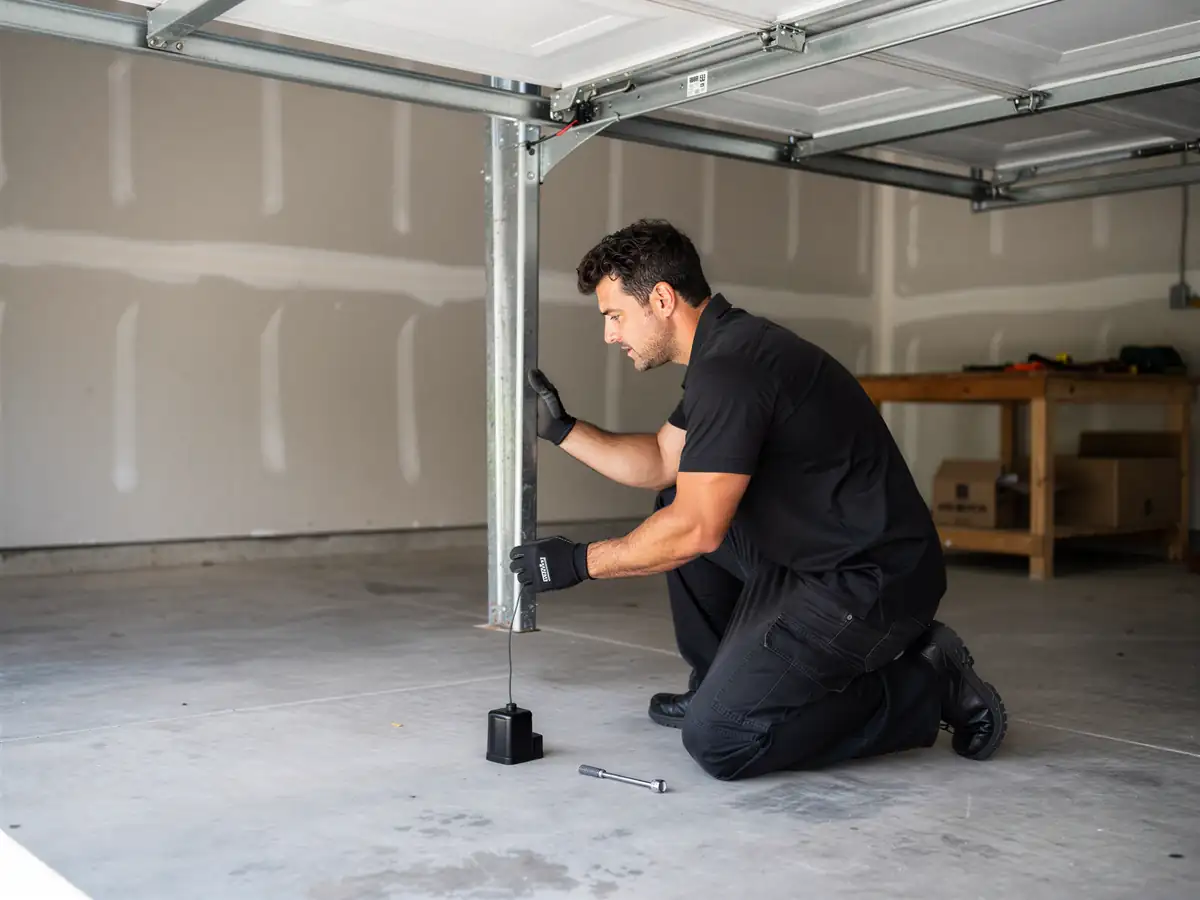
When a Spring Goes in Cold Weather Around West Chester
Why West Chester's 1960s-era garage doors fail when temperatures drop, what to check before you call, and what a severe cold snap actually does to old torsion hardware.
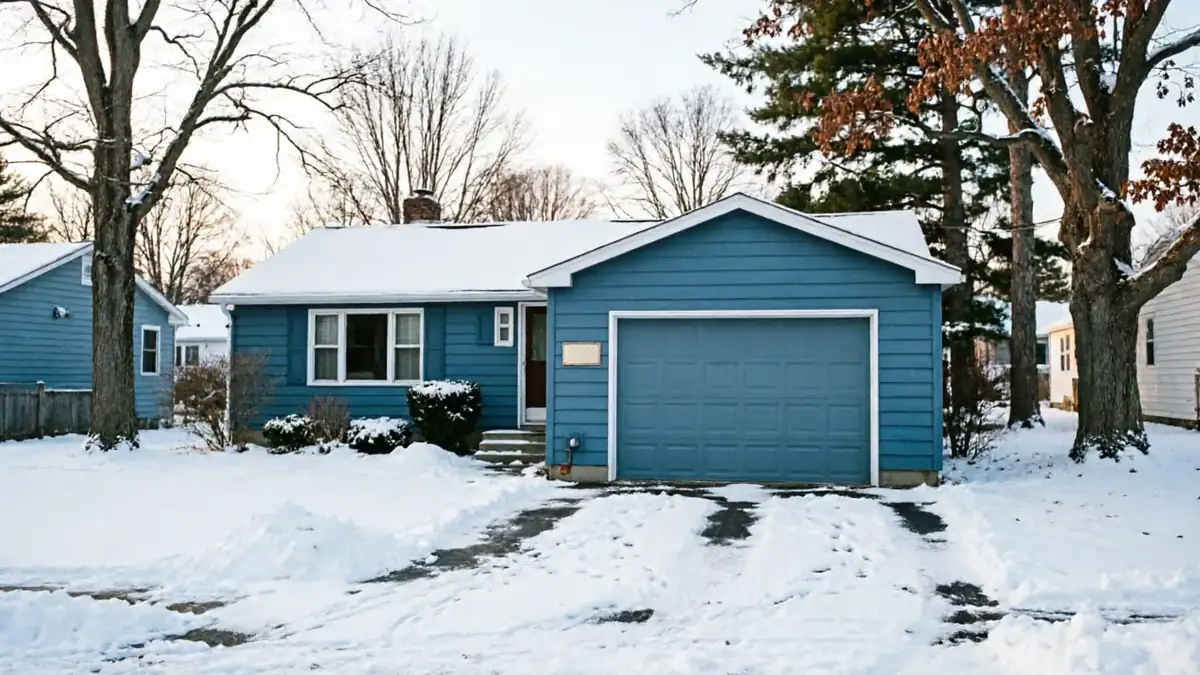
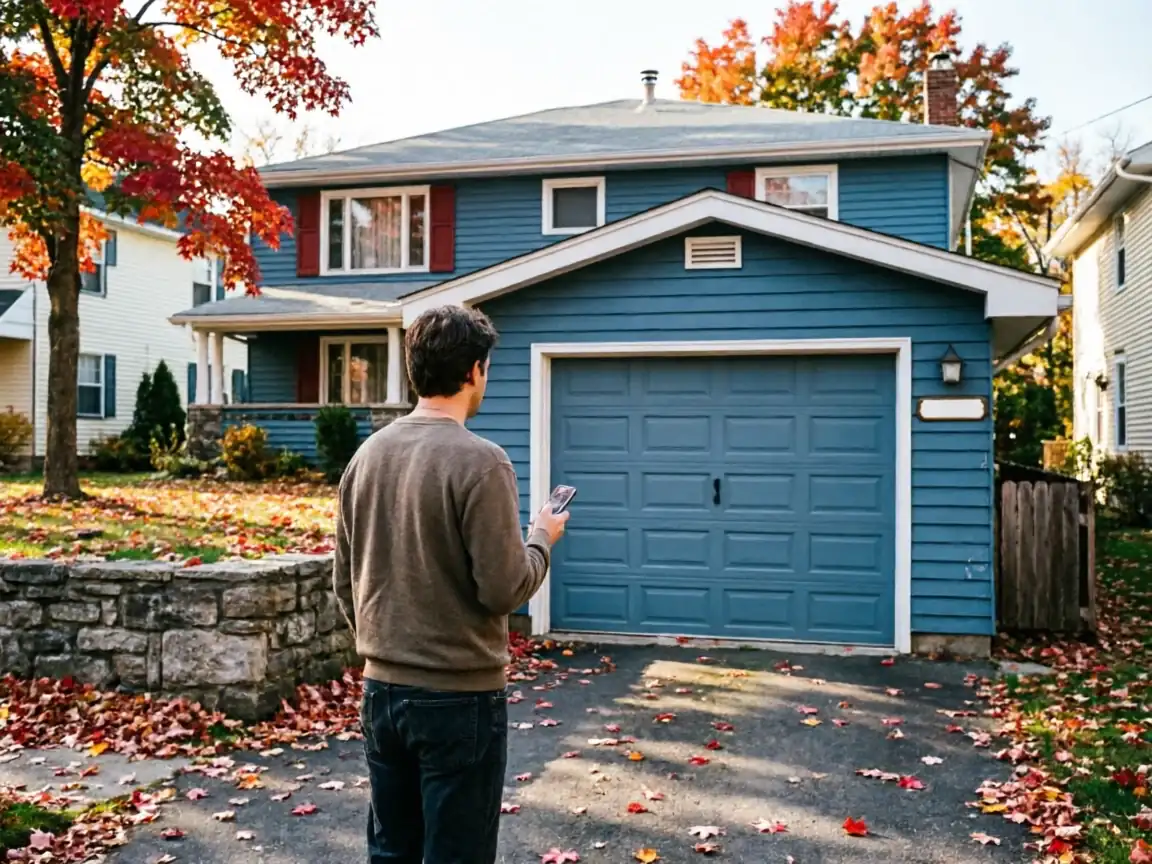
Most of the garage doors we get called on sit in houses built between 1938 and 1996, with the bulk of that stock going up in the 1960s and 70s across the 74 named areas we work in. That matters because a torsion spring installed during that build window has had fifty or sixty winters to fatigue, and this area sits in a severe cold climate band, not a mild one. Steel contracts as it gets cold, and a spring that was already near the end of its coil count loses tension faster in a hard freeze than it would in a mild season. That's not a scare story, it's just what cold steel does. If your house falls into that original construction era and the spring has never been replaced, a cold snap is often the thing that finally breaks it, not the cause of the weak spring in the first place. The age of the spring did the damage; the cold just picked the morning.
What to Check
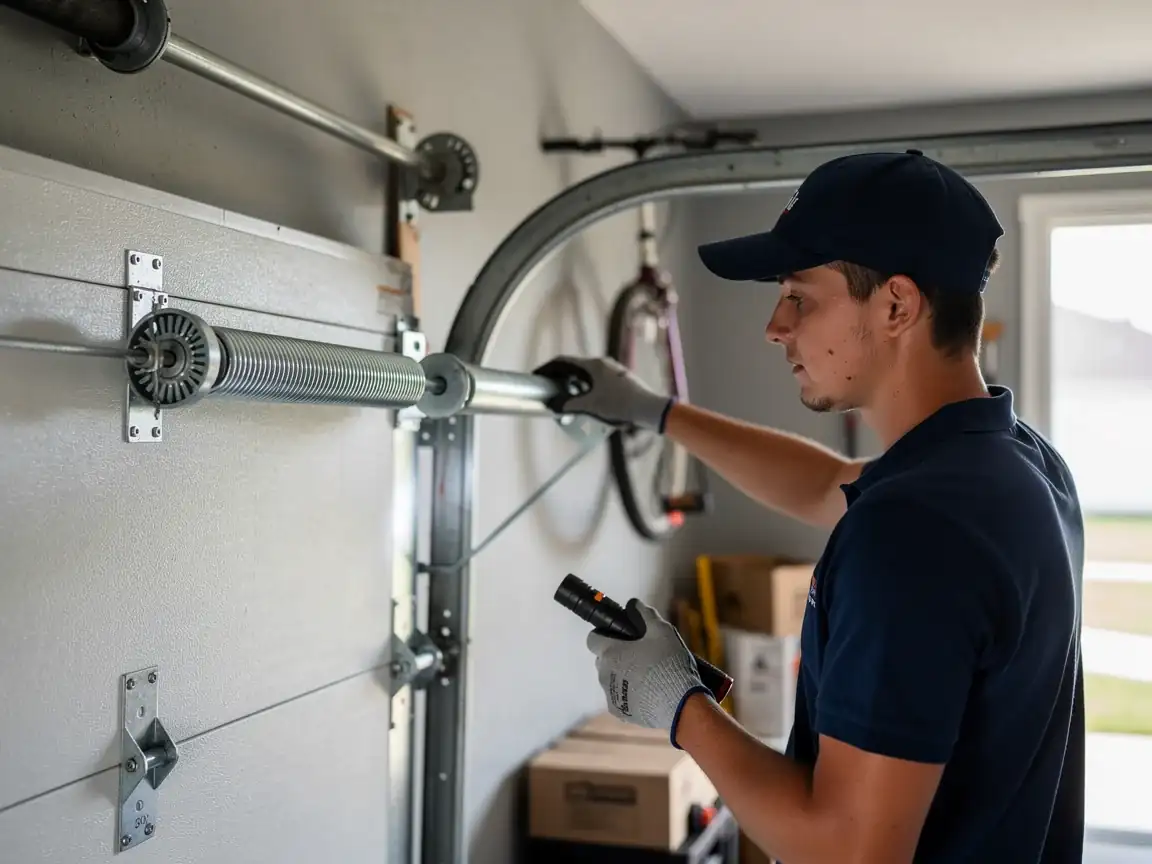
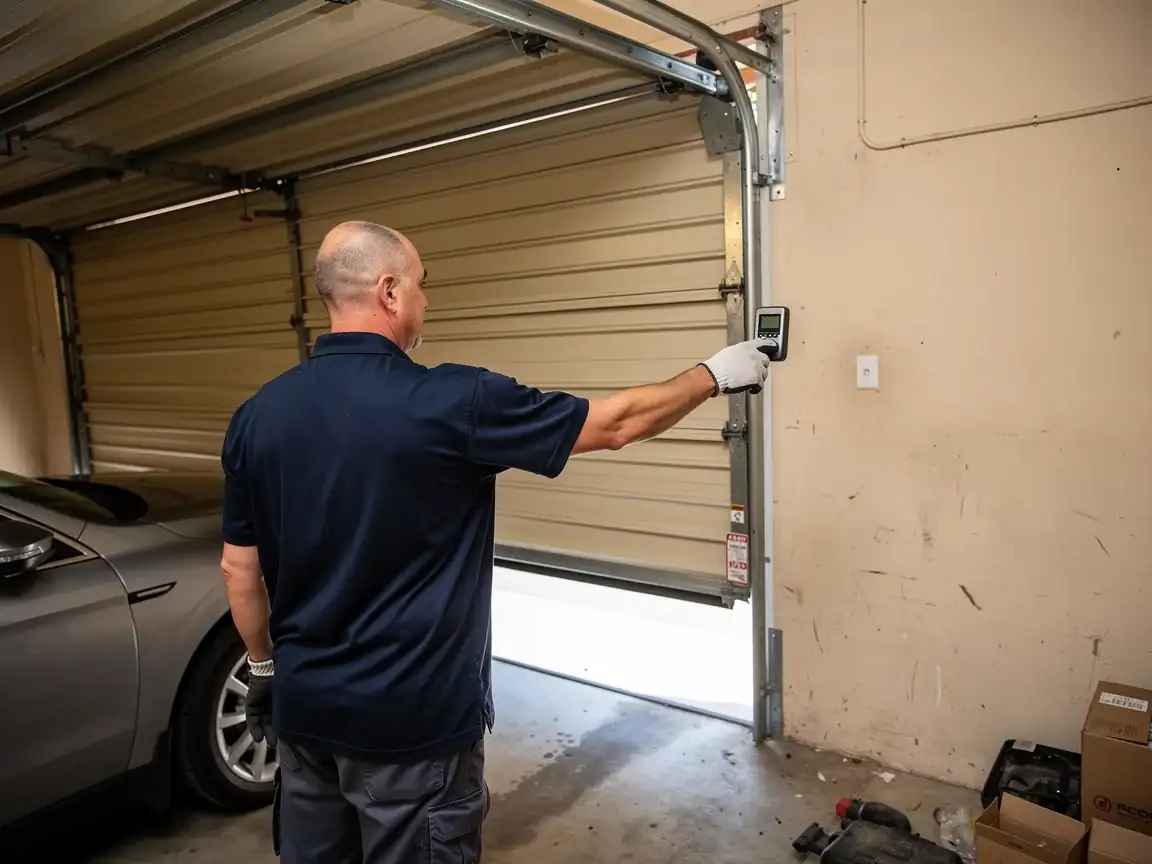
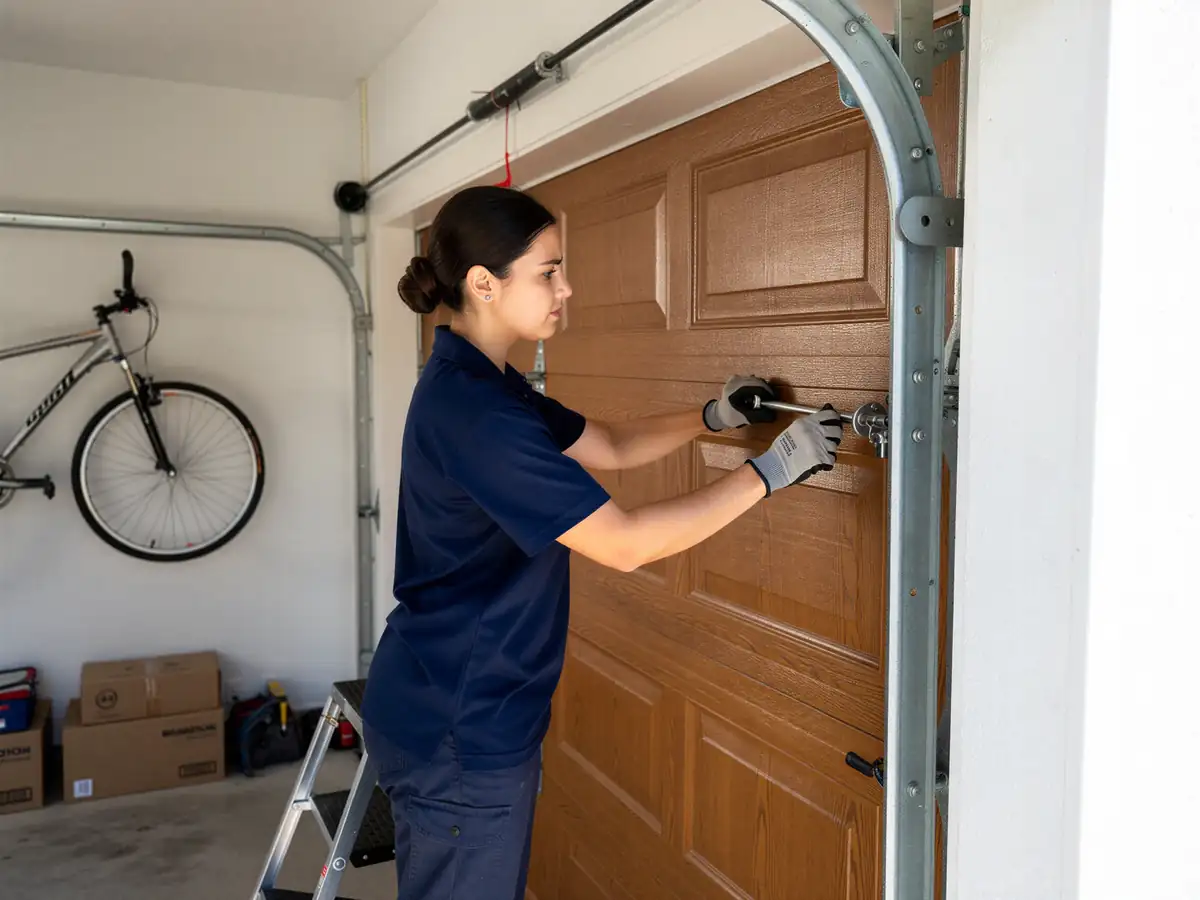
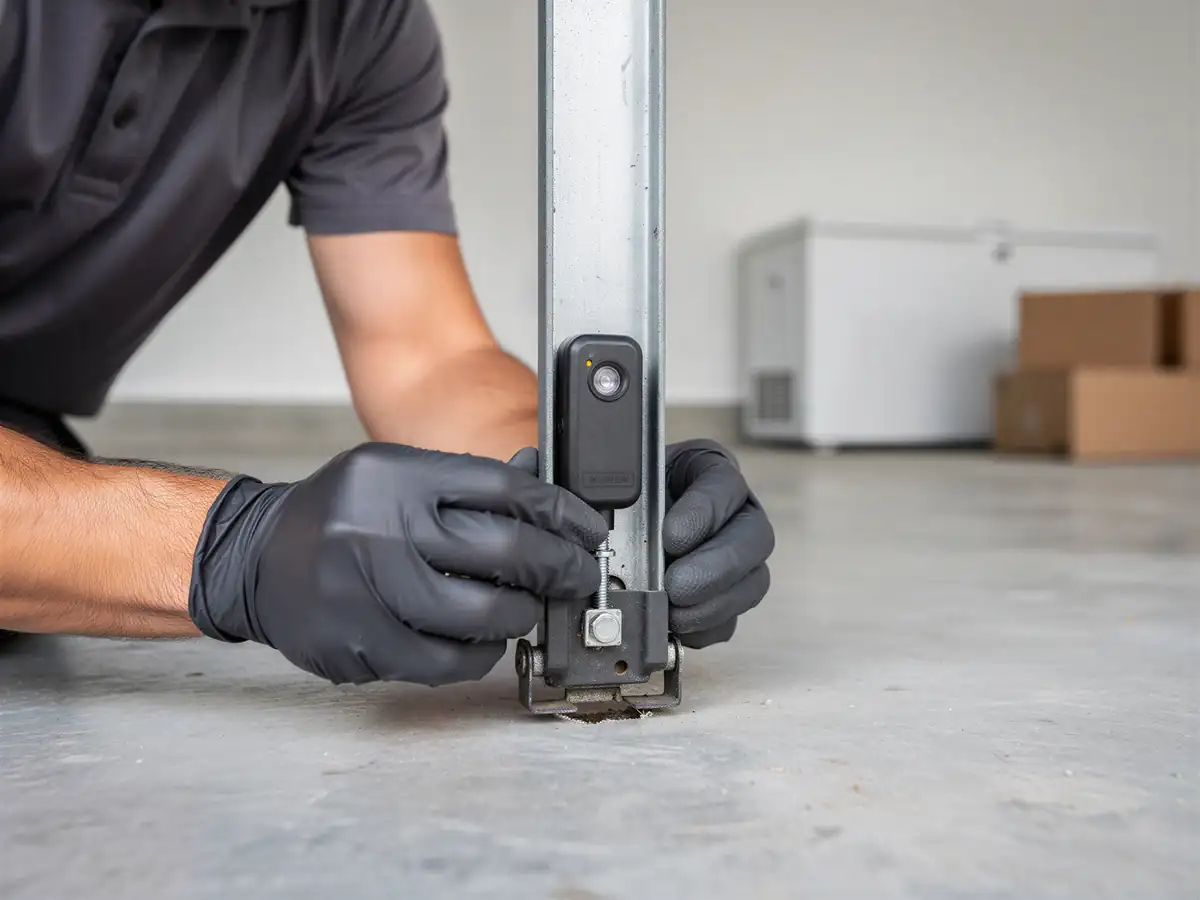
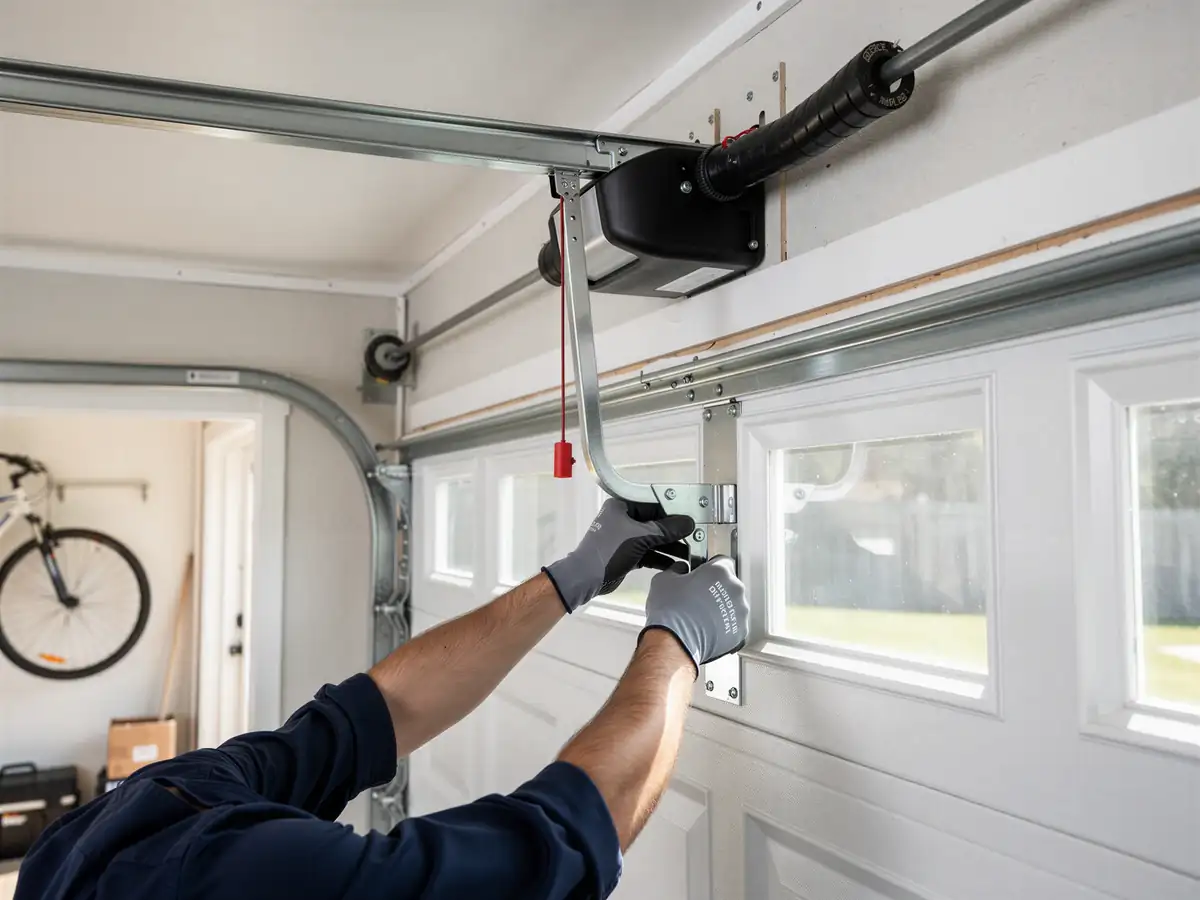
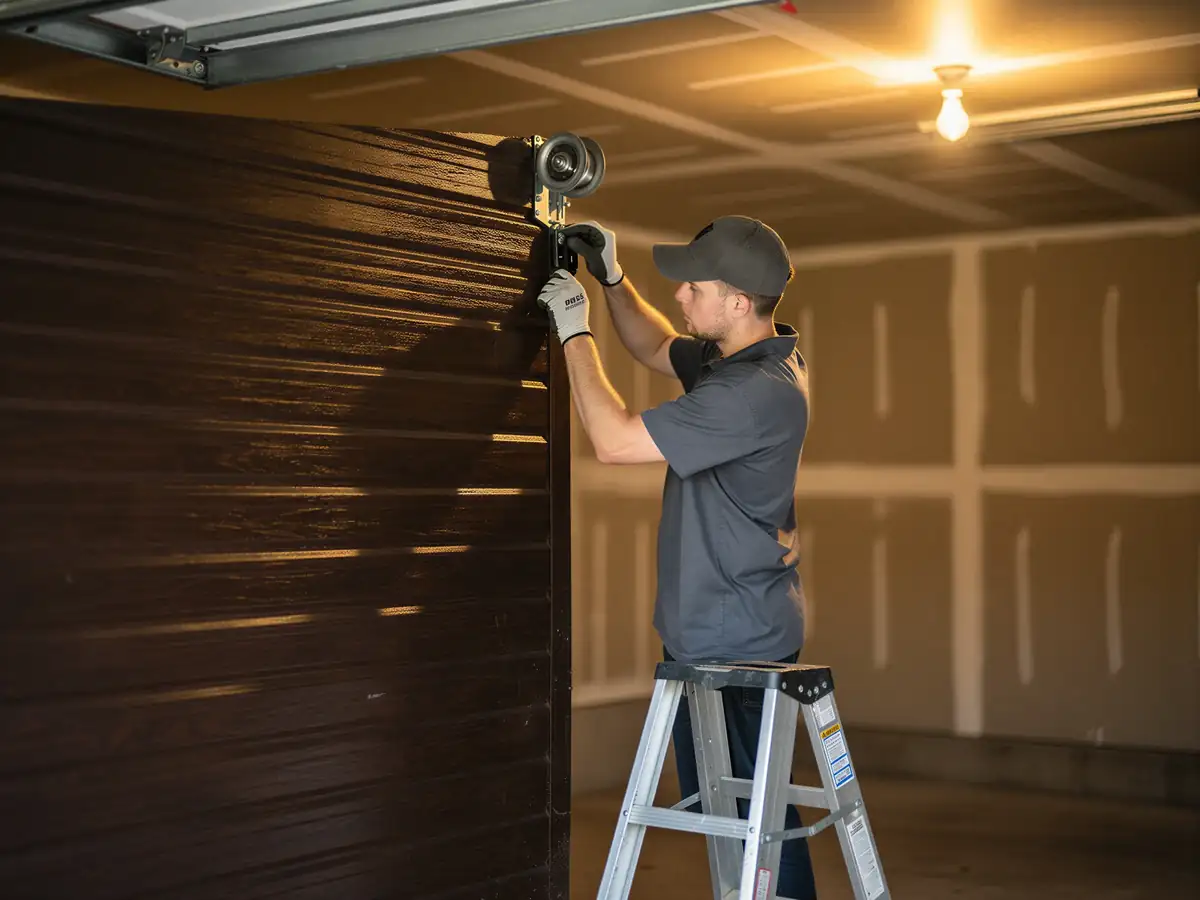
Before you call anyone, look at the spring itself - the coiled bar above the door, not the cables on the sides. A snapped torsion spring shows a clean gap in the coil, and you'll usually hear the bang when it happened. Check whether the door moves at all with the opener; if the opener motor runs but the door doesn't lift, that's consistent with a broken spring carrying none of the weight. Also check the two tracks for ice or frost buildup where rollers sit, which is common on doors built in the mid-century stock we see a lot of in this area, since those tracks weren't always sealed as tightly as newer installs. Don't force the door by hand if a spring has let go - a double door with a broken spring weighs more than most people expect, and the opener alone can't take that load safely.
When Waiting Is Fine
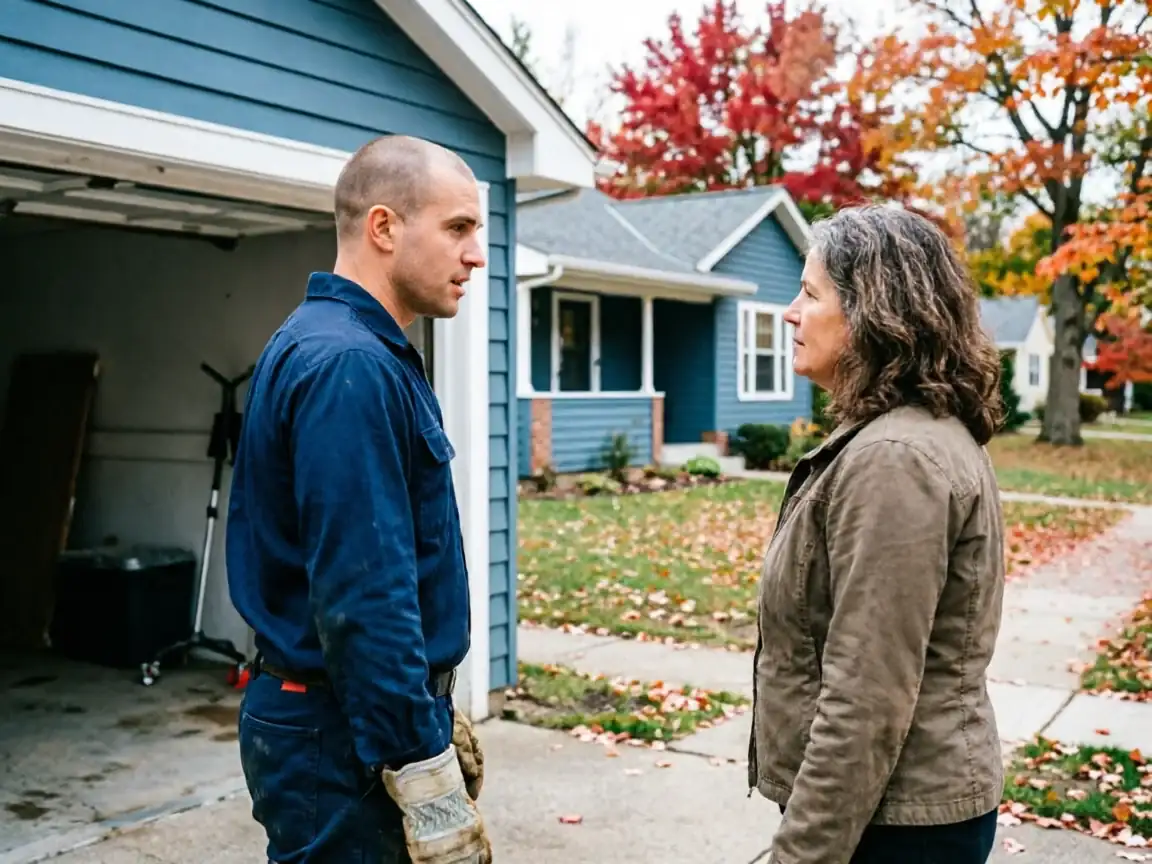
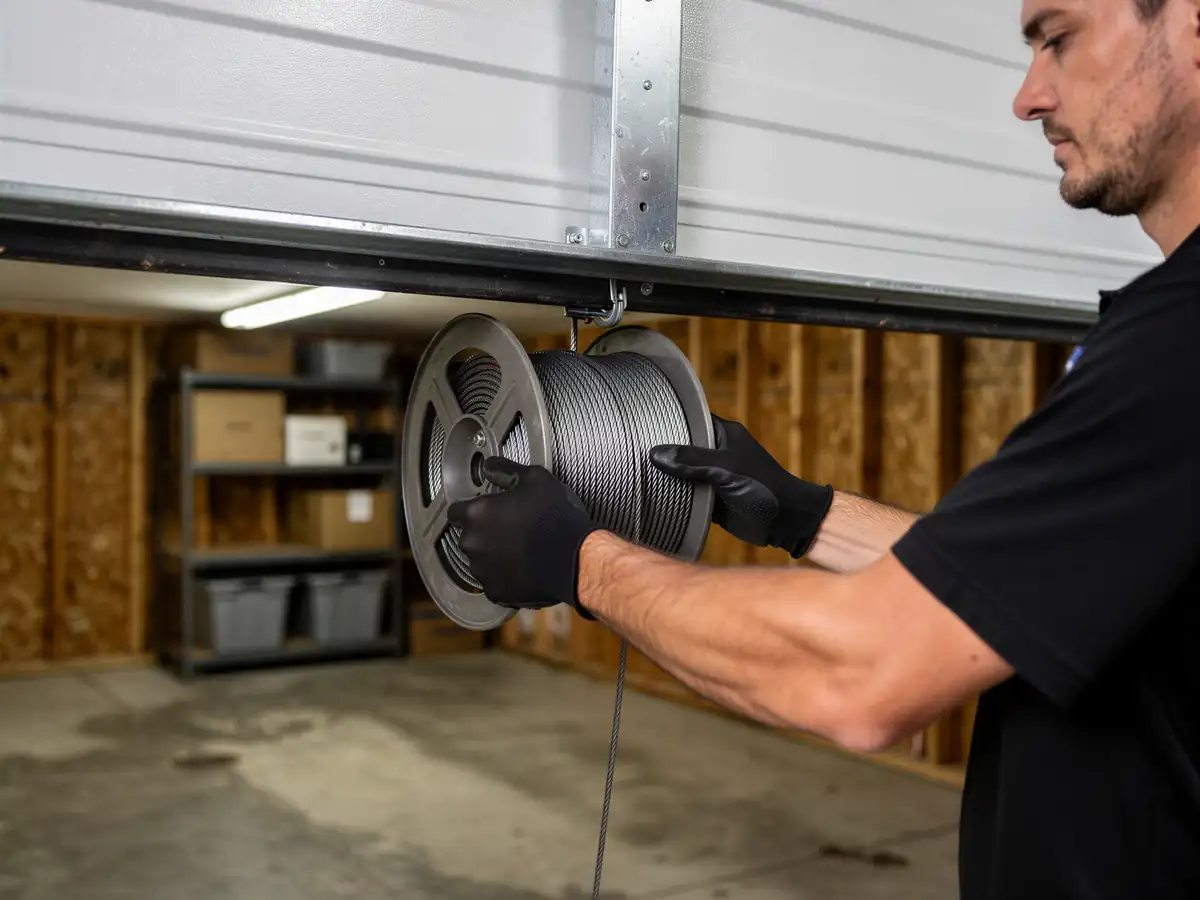
Not every noise or stiff morning means an emergency. If the door is slow to open in the cold but still closes flush and the spring coil looks intact, that's often just stiff lubricant or a slightly tight track, not a failure. Houses from the 1960-median era in this area sometimes have original hardware that's simply sluggish below freezing without being broken. If the door still balances - meaning it stays roughly where you leave it halfway up when disconnected from the opener - the spring is probably still doing its job. Waiting a day or two to schedule a look is reasonable in that case. Where waiting is not fine: a visibly gapped spring, a door that won't budge, or cables that have come loose from the drum. Those get worse, not better, especially once more cold nights hit the same fatigued metal.
What Is Going On
We can't tell you the exact year your spring was last replaced without looking at it, and if your house falls outside the 1938-1996 build range we've seen most often, this pattern may not apply the same way. What we can say is that across the service area's roughly 51,446 owner-occupied houses, a meaningful share are carrying original or long-overdue torsion hardware into a climate that gets genuinely cold, not just chilly. That combination - old steel, hard winters - is why late-season spring calls cluster the way they do. One honest limit: we don't stock every spring size on the truck for every door built in that 40-year window, since torsion specs varied a lot by manufacturer and decade. On an unusual size, the repair sometimes waits on a part.
Straight answers about garage door repair in West Chester. Still unsure? Ask us directly.
Why do garage door springs break more in winter here?
Steel loses flexibility as it gets colder, and this area sits in a severe cold climate band. A spring that's already fatigued from age - common in houses built in the 1960s and 70s, which make up most of the local stock - is more likely to snap on a hard-freeze morning than in mild weather.
How old is a typical garage door spring in this area?
Housing here was mostly built between 1938 and 1996, with a median around 1960, so a lot of original or first-replacement torsion springs are decades old. Spring life depends on cycle count more than age alone, but older hardware in this housing stock is a common factor in winter failures.
Can I replace a torsion spring myself?
We don't recommend it. A torsion spring under tension can cause serious injury if released wrong, and on the double-door systems common in this area's mid-century houses, the bar is also under more load than people expect. This is a job for someone with the right winding bars and clamps.
What if my door is slow but not broken?
If the spring coil looks intact and the door still balances when disconnected from the opener, a sluggish cold-weather door is often just stiff lubricant or a tight track rather than a failure. It's reasonable to wait a day or two to get it looked at in that case.