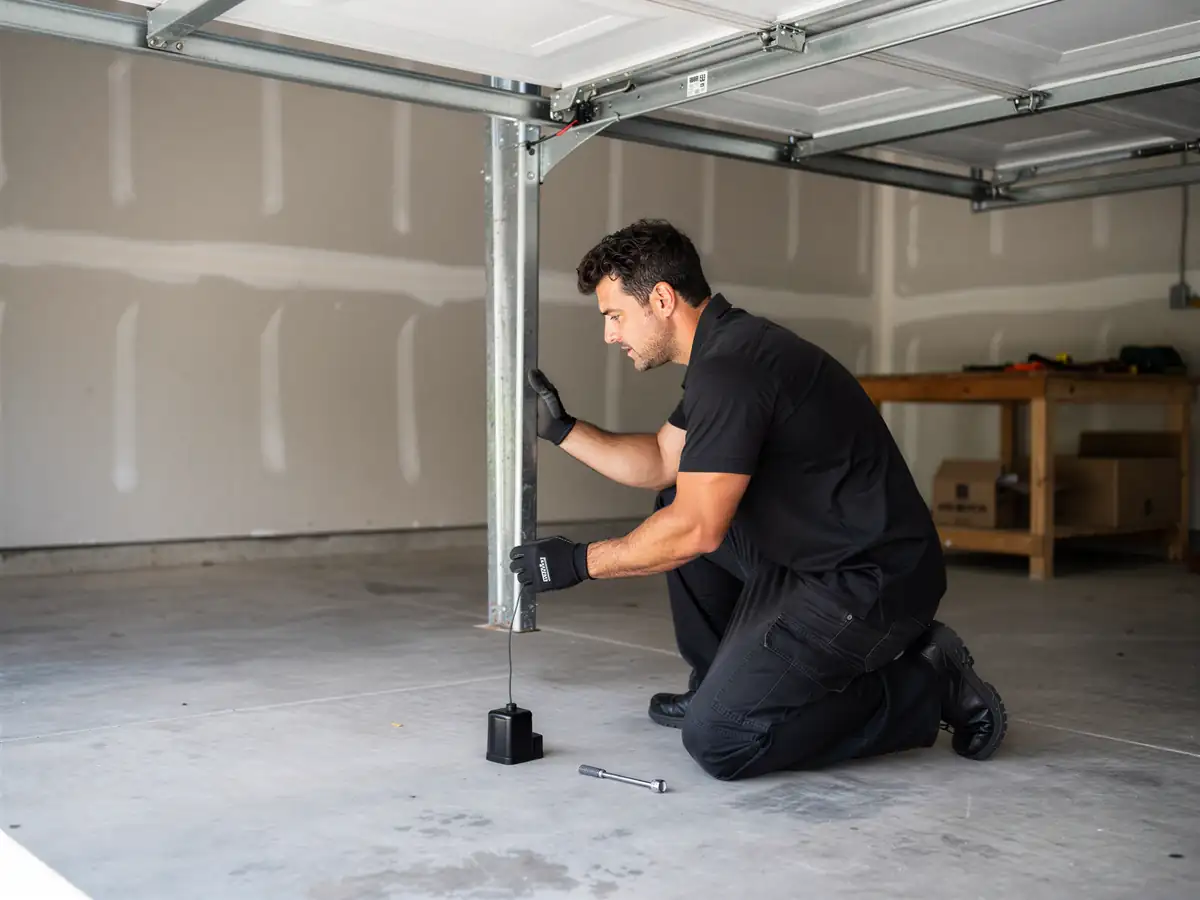
When the Power Cuts Out and Your Opener Won't Move
West Chester homes built mostly in the 1960s and 70s face opener and power issues differently than newer construction. Here's what local wiring age and cold-severe winters mean for your door.
Most houses in this part of West Chester went up between 1938 and 1996, with the bulk of that stock dating to the 1960s and 70s across the 74 named areas we work in. That matters for openers because a lot of those garages were wired once, for one outlet, and never touched again. The opener motor, the light circuit, and sometimes the whole garage run share a single breaker that was sized for a 1960s-era unit pulling a fraction of what a modern opener with a battery backup and Wi-Fi board draws.
West Chester sits in a climate band rated cold and severe. That combination of old wiring and hard winters is the actual story here, not the weather alone. A breaker that's been fine for fifty years can trip the first time a cold snap pushes demand up across the circuit, and when it does, your opener goes dead with no warning. The door itself is usually fine. The power path to it is the weak link in a lot of these older homes.
What to Check
Start at the breaker panel, not the opener. If the garage circuit tripped, reset it once. If it trips again right away, stop and call an electrician - that's outside what a garage door call should touch, and it's an honest limit on what we do. We work on the door and the opener, not your home's wiring.
If the breaker's fine and the opener still won't respond, check whether it has a battery backup. Openers installed in the last several years commonly include one; openers original to a 1960s or 70s build almost never do. No backup means no movement until power's restored, full stop.
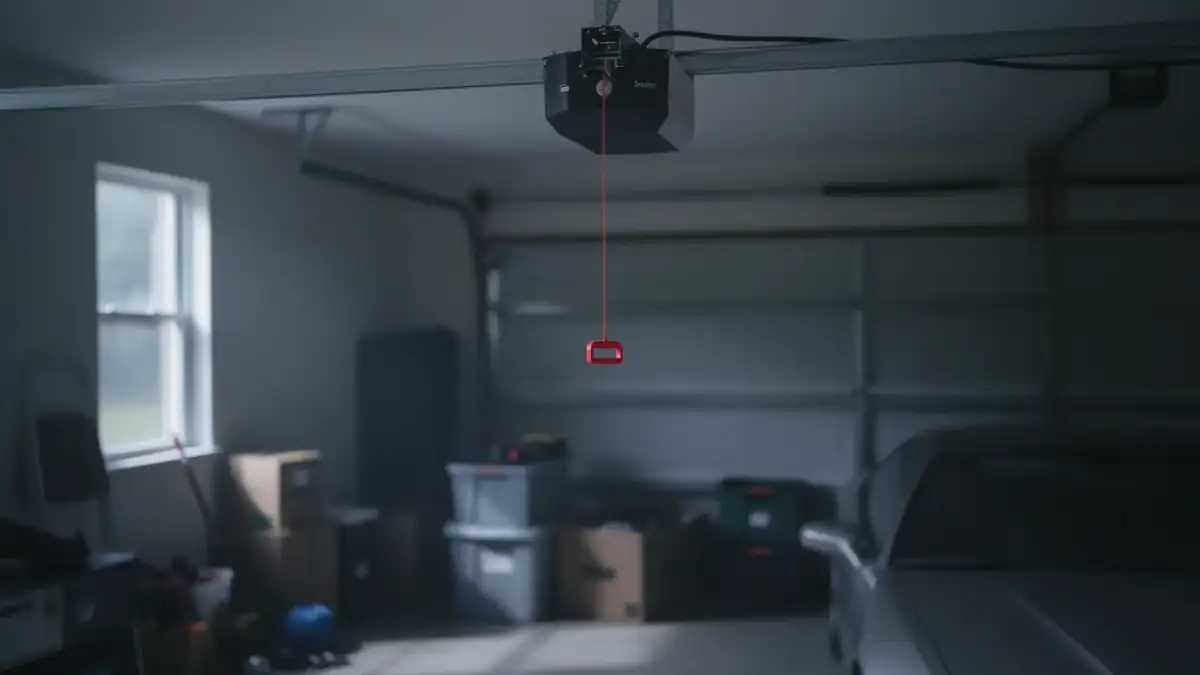
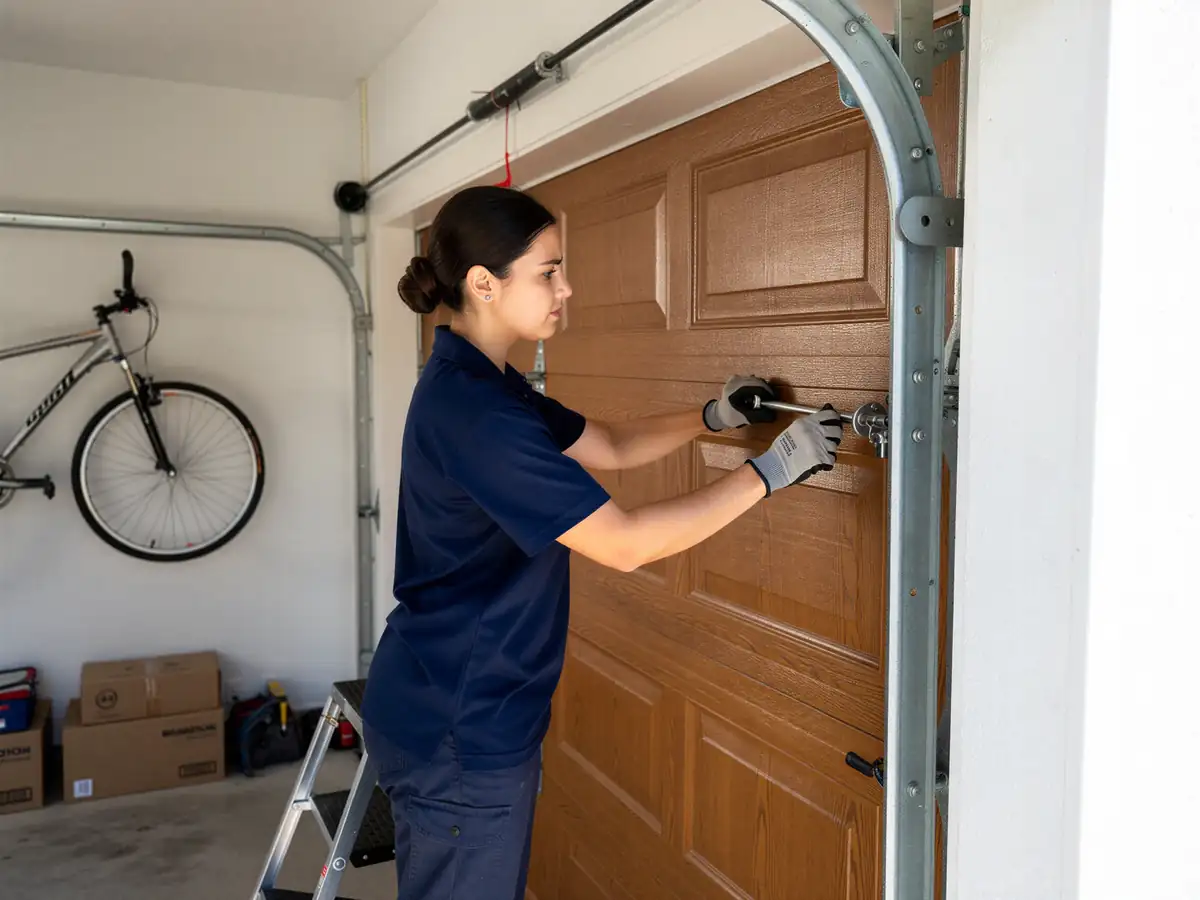
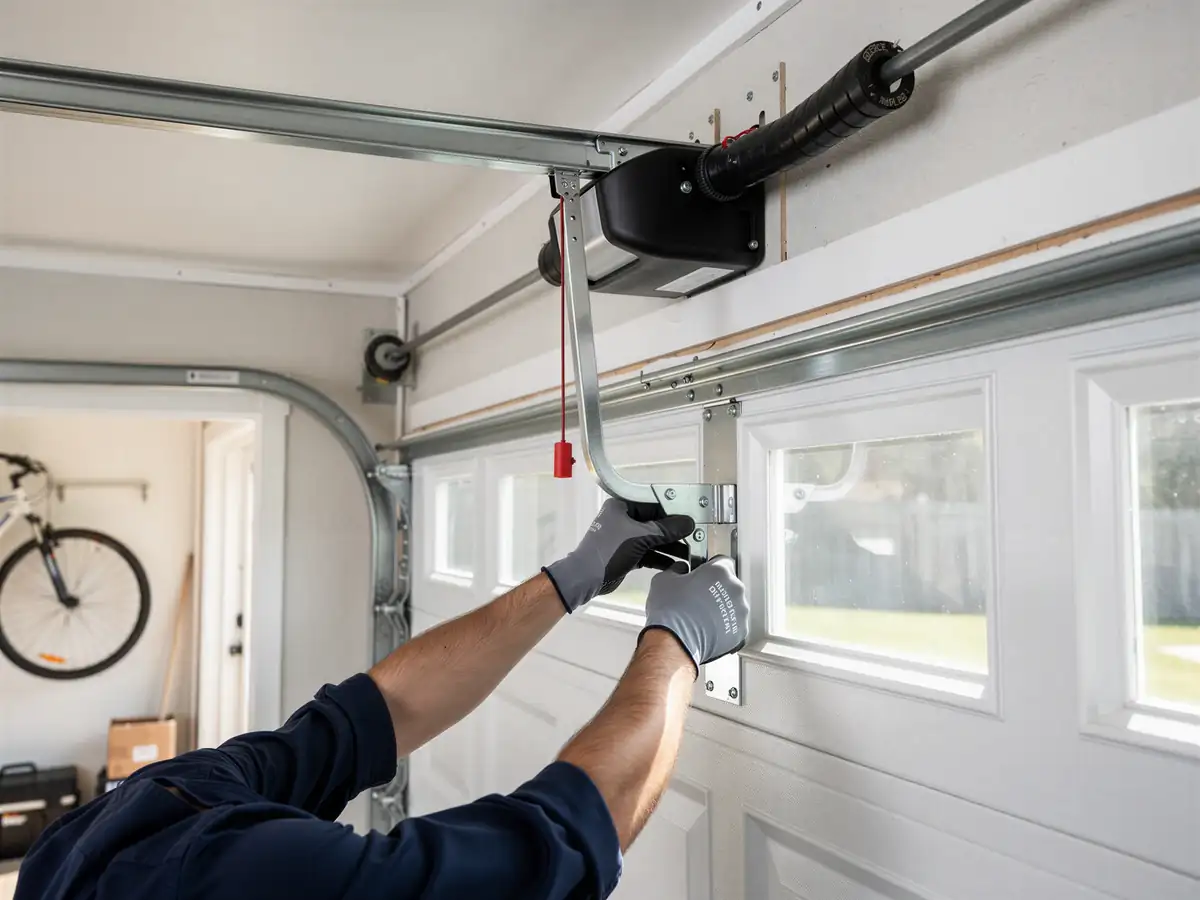
Find your manual release cord - the red handle hanging from the trolley rail. Every opener has one. Pull it straight down to disconnect the carriage from the door so you can lift it by hand. That's your way in or out regardless of what the panel is doing. Test this once when nothing is wrong so you're not learning it in the dark during an actual outage.
When Waiting Is Fine
01
A short outage - the kind where the lights flicker back on in a few minutes
Isn't worth a call. Most openers reconnect to house power on their own and resync without any input from you. If the opener has a battery backup, it'll likely have kept running through the whole thing anyway.
02
If you've reset the breaker once, it held, and the opener now runs normally, you're done
No need to have it looked at just because it tripped once during a cold stretch. That's ordinary behavior for a circuit built for a lighter electrical load than it's carrying now, and it doesn't mean anything is failing.
03
The only reason to call sooner is if the breaker keeps tripping on reset
Or if the manual release cord won't disengage the trolley - that second one means something mechanical is binding, and it's worth a look before you're stuck outside in January trying to force it.
What Is Going On
The mechanism is simple even when the symptom feels alarming. An opener is a motor on a circuit. Cold weather raises the current draw across a lot of older household wiring - insulation and connections degrade over decades, and homes built around the median year of 1960 in this area are now well past the point where original wiring was expected to still be carrying modern loads. Add a hard freeze and an aging breaker, and a trip is the circuit protecting itself, working exactly as designed.
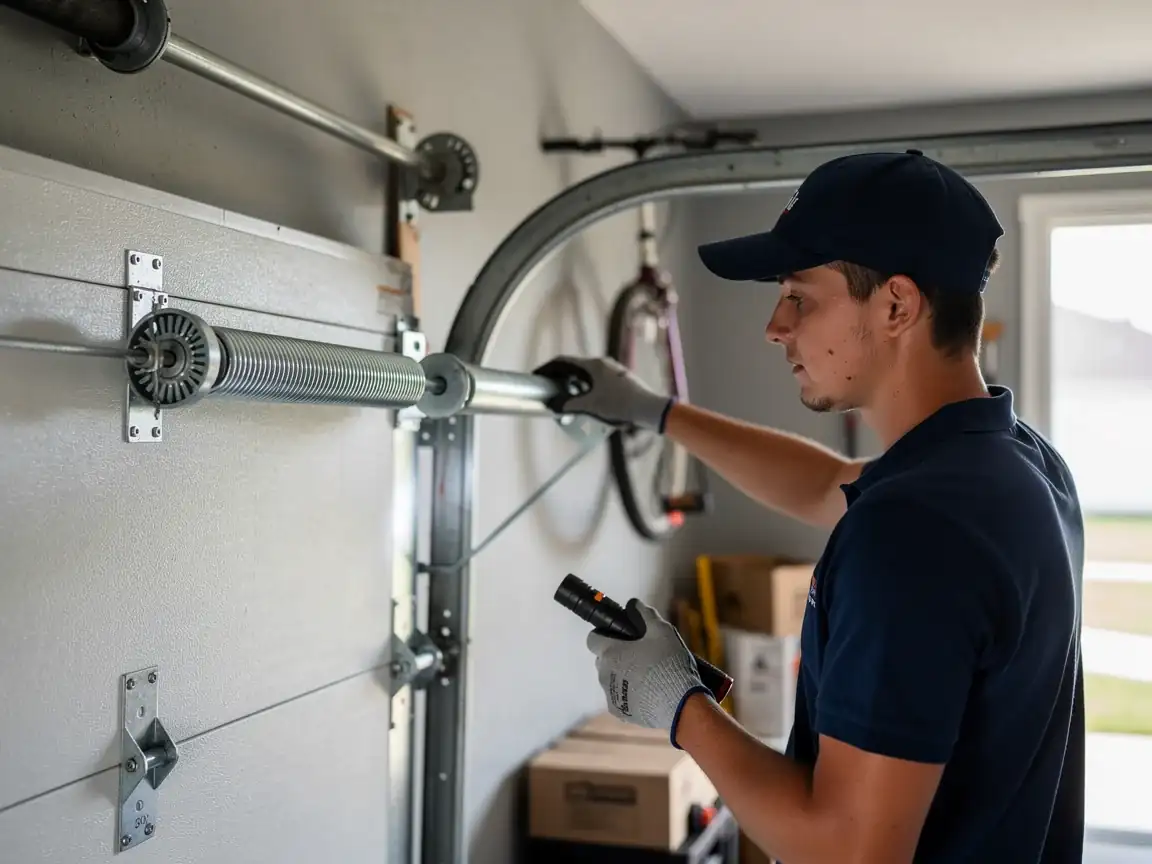
The door and springs aren't part of this failure. They're mechanical, not electrical, and a power cut doesn't touch them. That's why the manual release matters: it separates the one part of the system that depends on power from the one that doesn't. Owners here with household incomes around the area median of $100,000 more often choose to replace a worn opener outright rather than keep resetting breakers on one installed decades ago - not because the old unit is broken, but because the wiring behind it has aged out of matching it.
Straight answers about garage door repair in West Chester. Still unsure? Ask us directly.
Why does my garage opener stop working every time we lose power, even briefly?
If your opener doesn't have a battery backup, any power interruption stops it cold until electricity returns. That's standard for openers installed before battery backups were common, which covers a lot of homes in the area built in the 1960s and 70s. It's not a fault in the opener - it just has no power source besides the wall.
Is it safe to keep resetting a breaker that trips in cold weather?
Resetting it once is fine. If it trips again right away, stop - that's a sign the circuit is undersized or degraded for the load, and it's an electrician's job, not a garage door call. We won't touch panel wiring, but we can tell you whether the opener itself is drawing more than it should.
How do I get my car out if the opener won't run and I don't know where the release cord is?
Look for a red handle hanging from a cord along the rail the trolley rides on, usually near the door end. Pull it straight down and the carriage disconnects from the door, letting you lift it by hand. Test this once in advance so you're not finding it for the first time during an outage.