
placeholder
placeholder
A straight look at what a garage door service call actually checks in West Chester, where most houses date to 1960 and winters run cold enough to stiffen hardware fast.
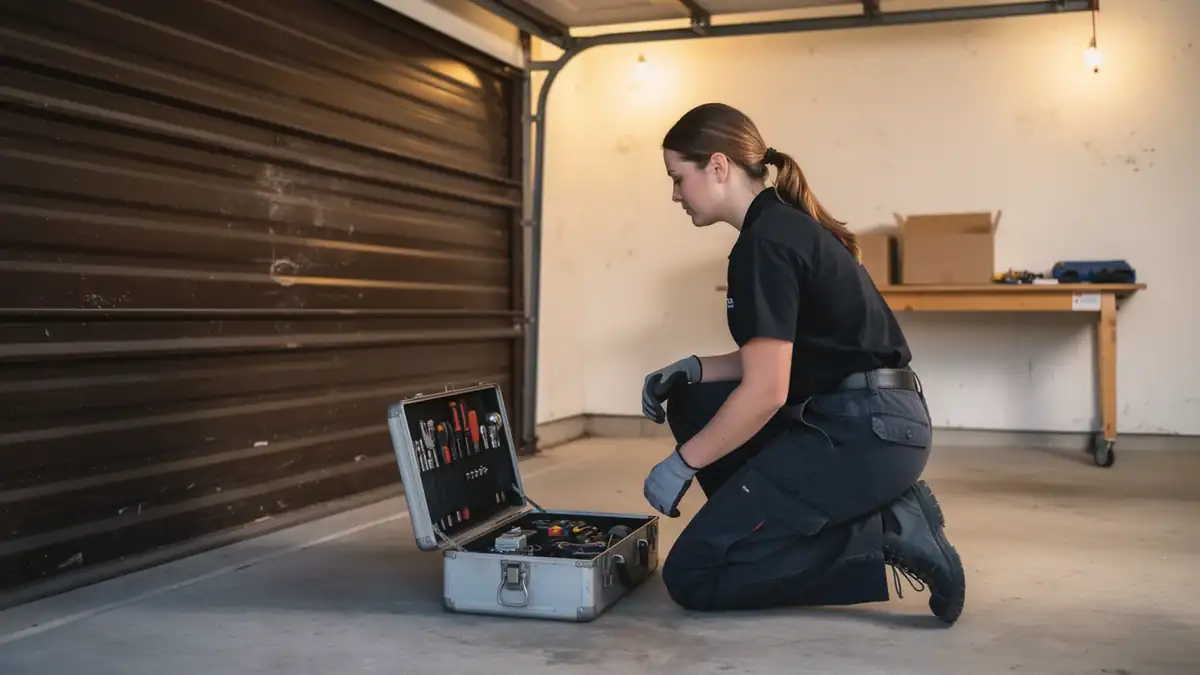
West Chester sits in a cold-climate band with real winter severity, and most of the housing stock in this service area was built between 1938 and 1996, with the median landing around 1960. That combination matters more than people think. A torsion spring rated for a certain cycle count wears faster when it's cycling through hard freezes every winter for sixty-some years. Steel tracks installed in the 1960s and 70s weren't built with today's insulated doors in mind, and the galvanizing on older hardware thins out after decades of temperature swings. When we get a call from a house in this area, we're not just checking a generic list - we're checking parts that have likely been doing their job, unmaintained, since Eisenhower or Nixon was president. Towns like Exton, Downingtown, and Lionville sit in the same pocket of pre-1996 construction, so the pattern repeats block to block. The cold doesn't cause the failure by itself, but it accelerates whatever was already marginal: a cable starting to fray, a roller bearing that's dry, a spring at the end of its cycle life. That's the backdrop for every service call we run out here.
On a standard call we check spring tension and condition first, since original one- and two-piece torsion setups from the 1960s-70s era are common across the 74 named areas we cover and they don't forgive decades of cold-weather cycling. We check the cables for fraying at the drum end, the rollers for flat spots or cracking (plastic rollers from that era go brittle in the cold), and the track alignment, since older track gauges sometimes don't match what's stocked for replacement today. We also check the opener's force settings - a door that's gotten heavier from moisture absorption in an old wood panel will trip a decades-old opener's safety reverse more often, which homeowners usually read as
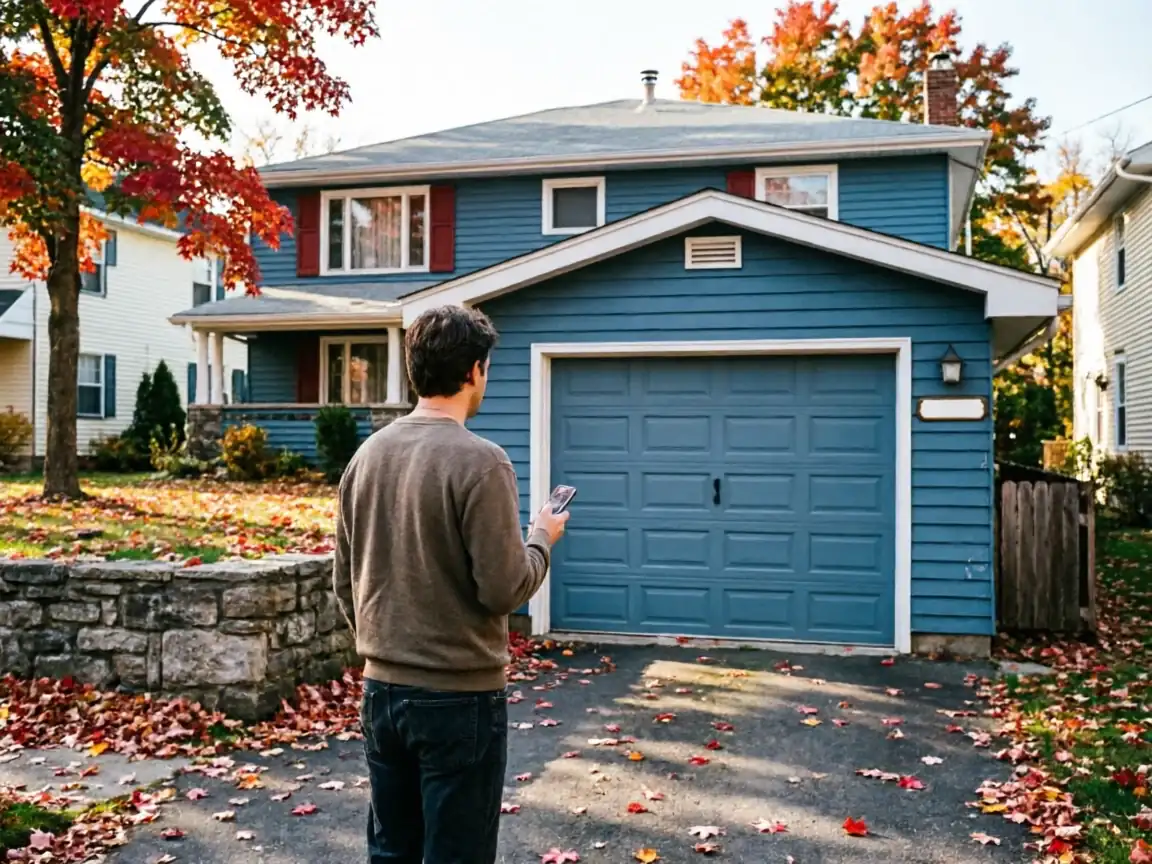
Describe the symptom - won’t open, loud bang, opener runs but the door won’t move.
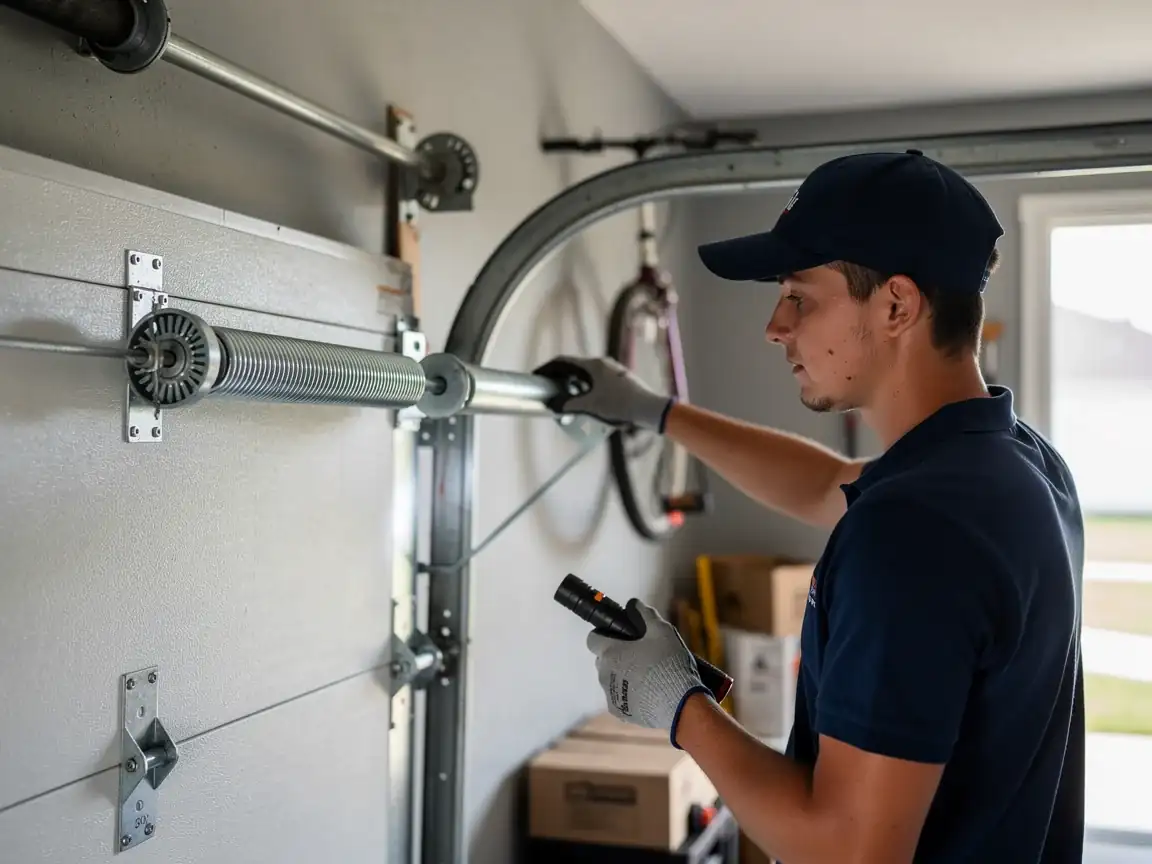
A technician tests the door under power and by hand and finds what actually failed.
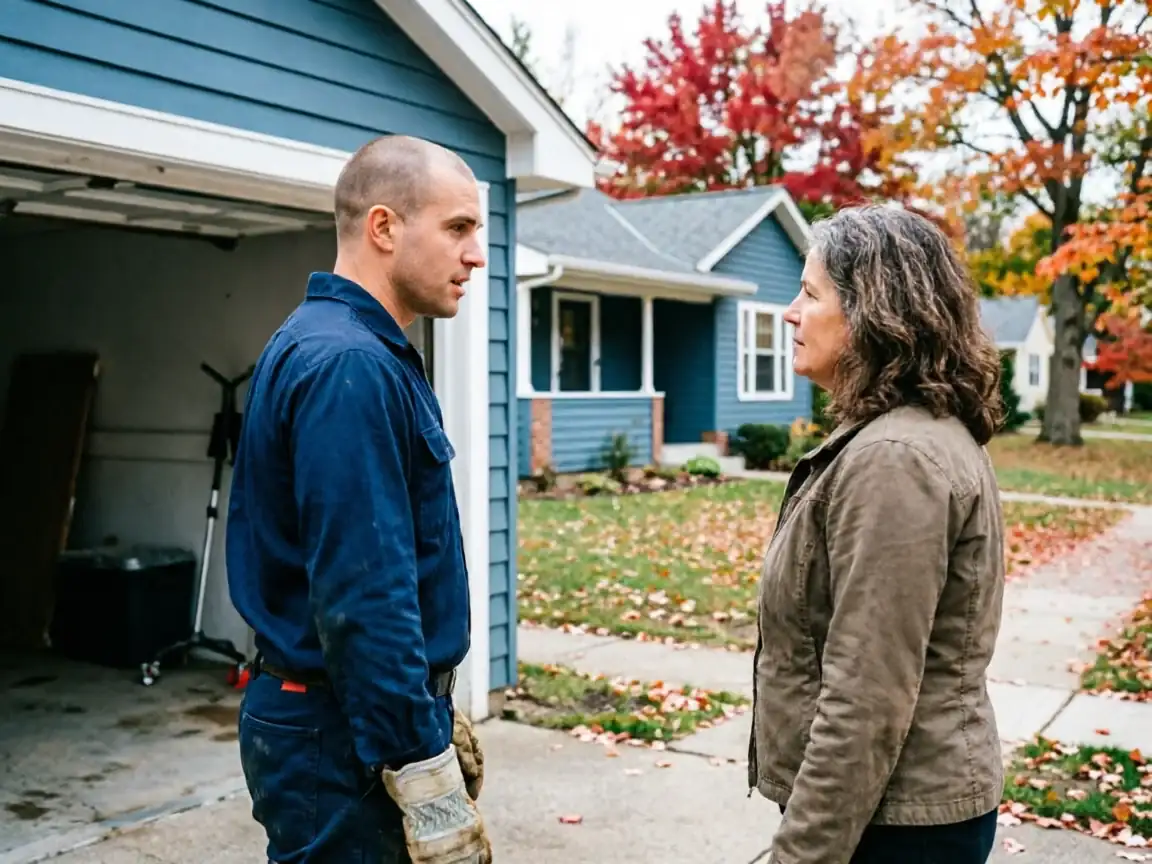
You get the fix that’s needed and what drives the cost - before any work starts.
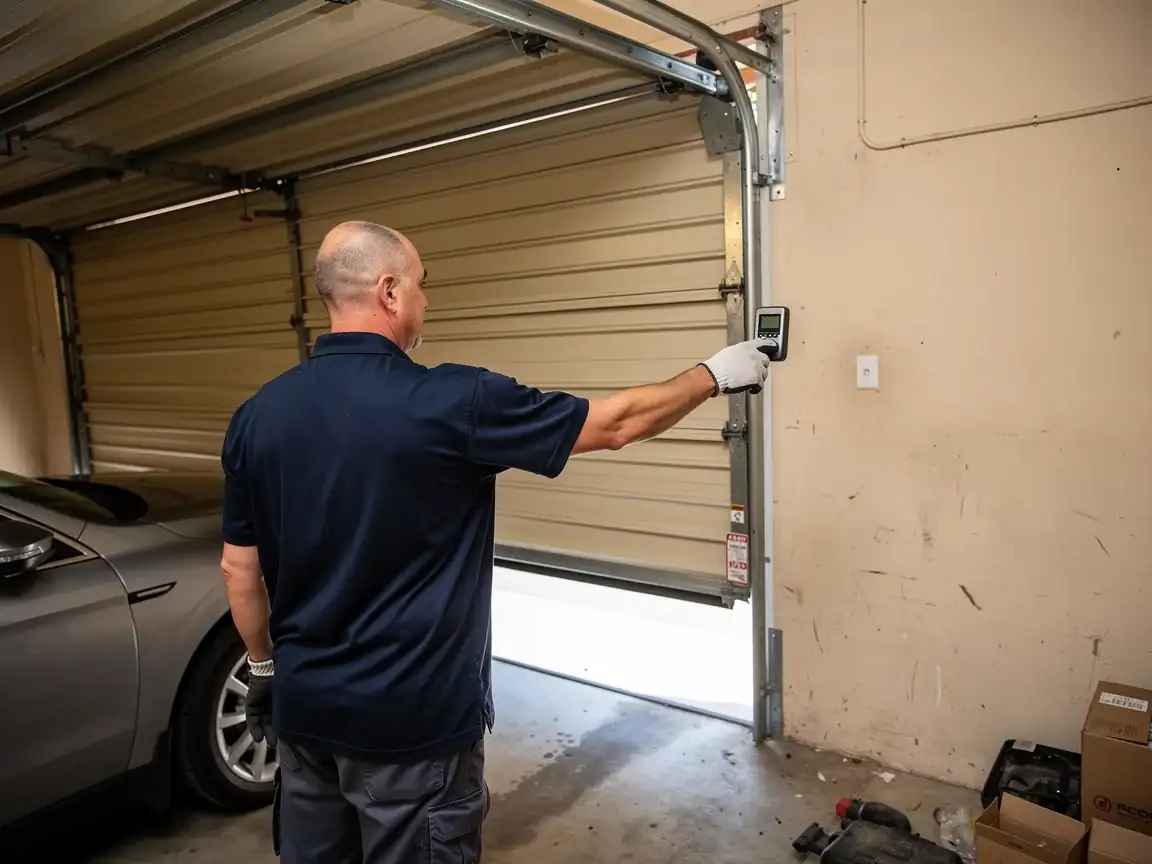
The repair is done, the door is set true and tested, and the work area left clean.
Repair and installation work for West Chester homes and businesses.
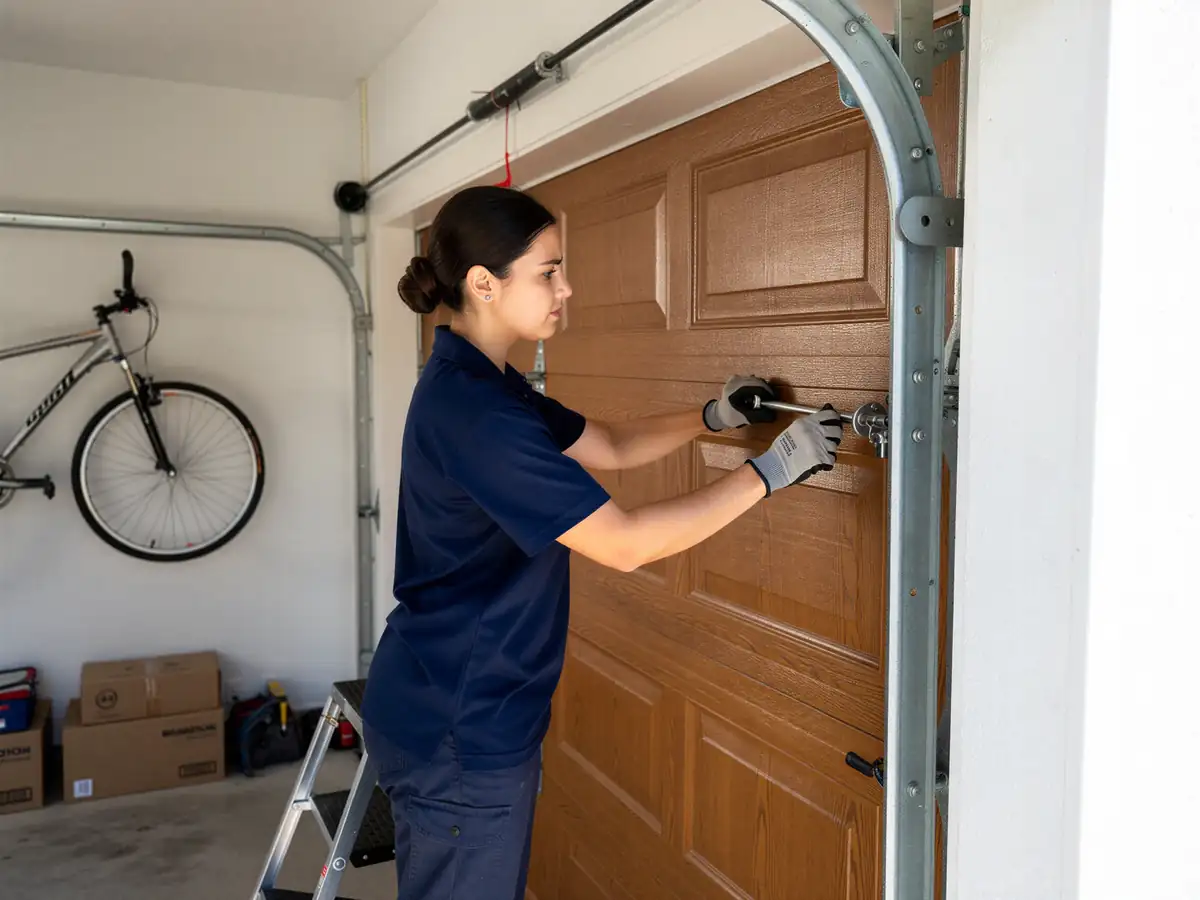
Broken torsion springs and tired 1960s-70s openers are common across West Chester's older housing stock. Here's what causes it, what the repair involves, and how long it runs.
Learn more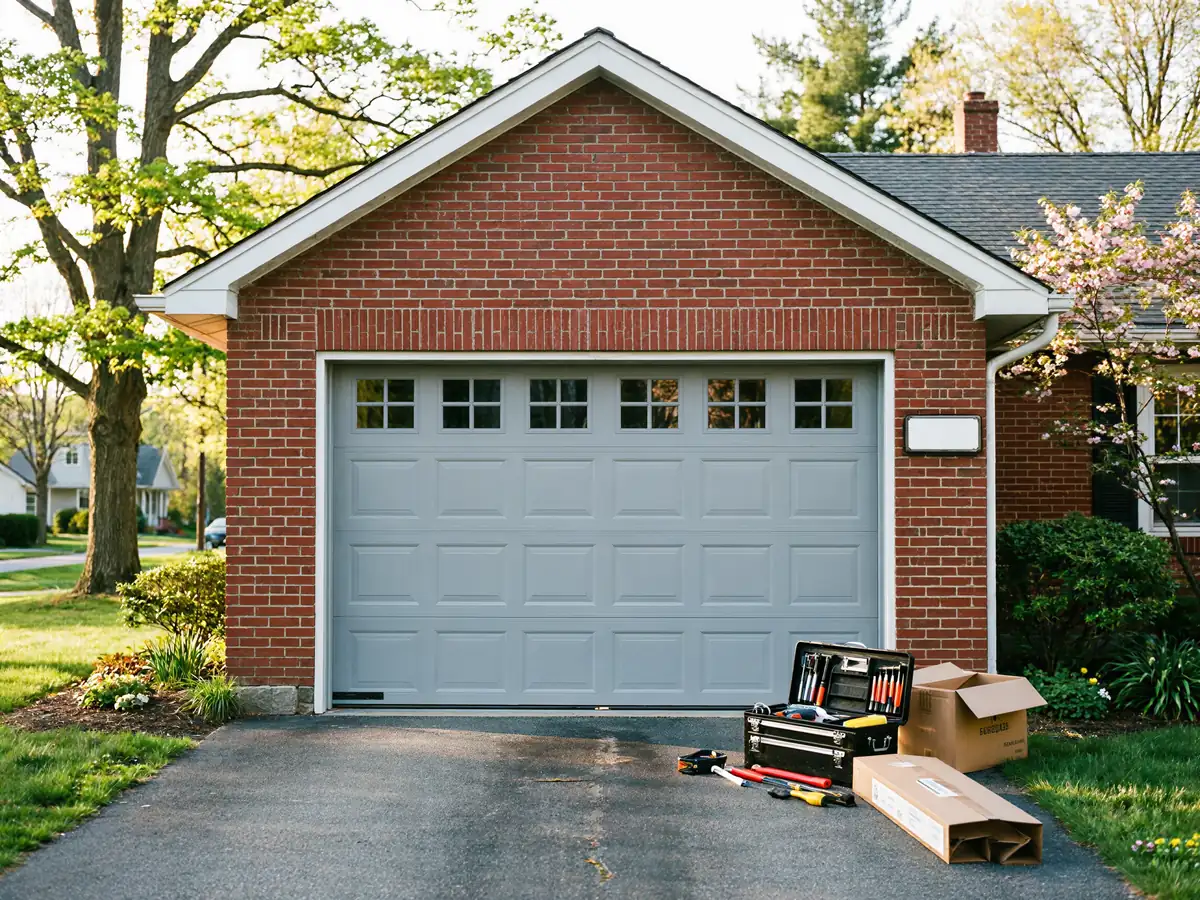
New garage door installation for West Chester homes built 1938-1996, matched to older openings and sized for cold-climate hardware. Serving West Chester, PA.
Learn more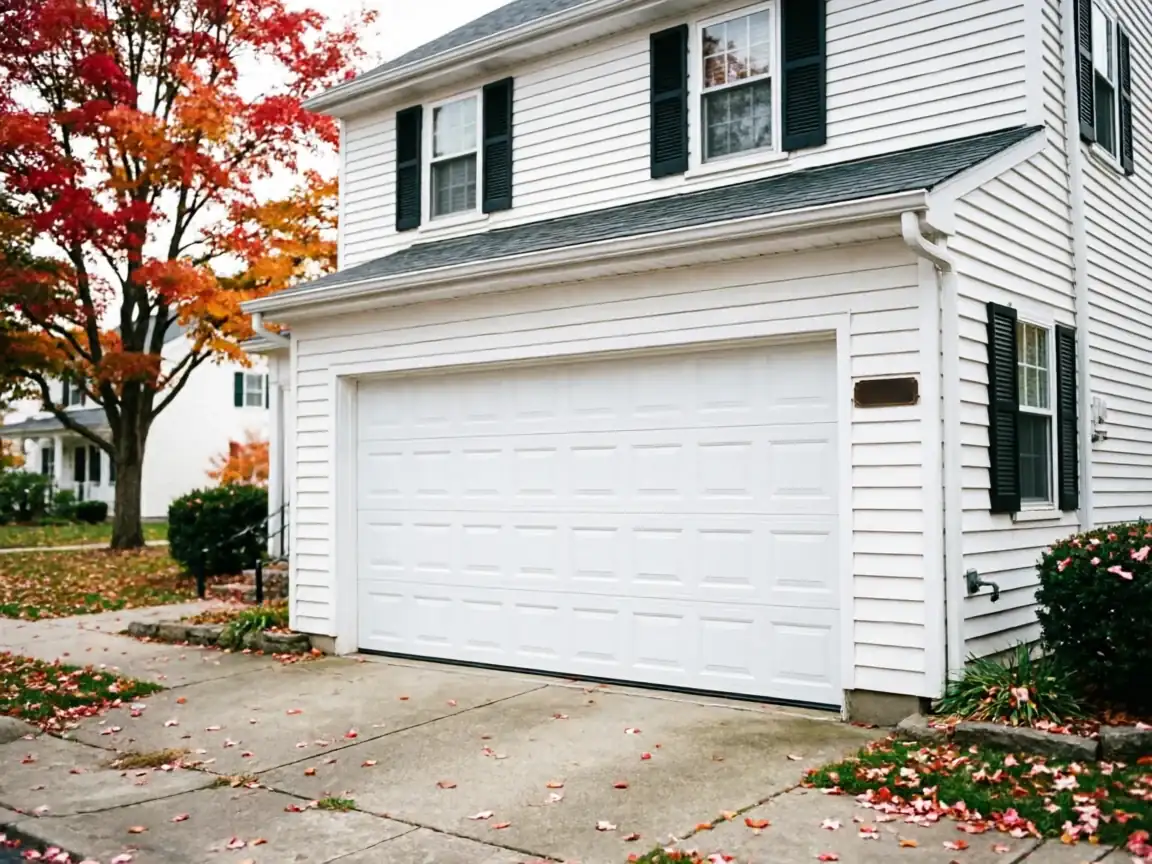
Most West Chester garages went up between the 1960s and 70s, and cold winters wear out torsion springs fast. See what causes it and how long repair takes.
Learn more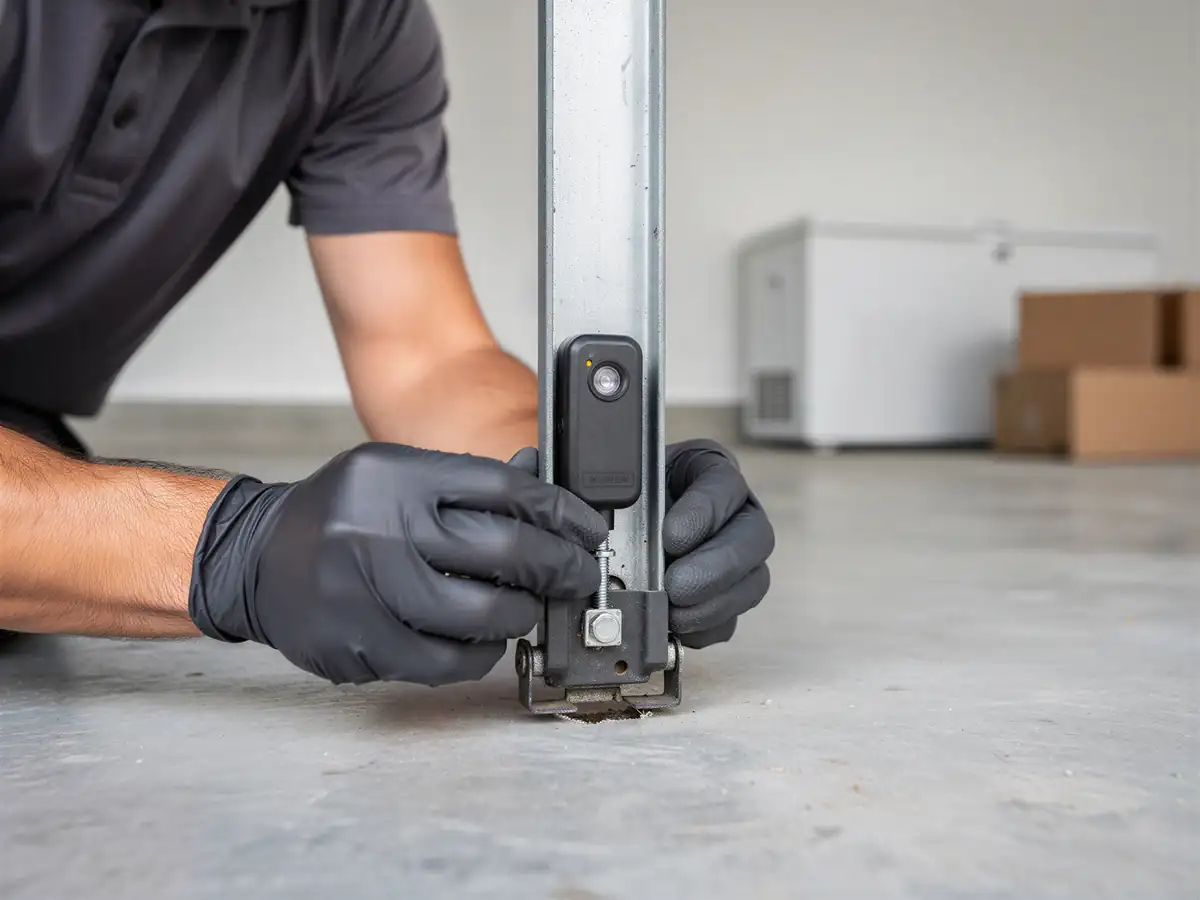
Opener repair for West Chester homes built 1938-1996, where cold winters and original hardware push openers past their limit. Same service across the area.
Learn more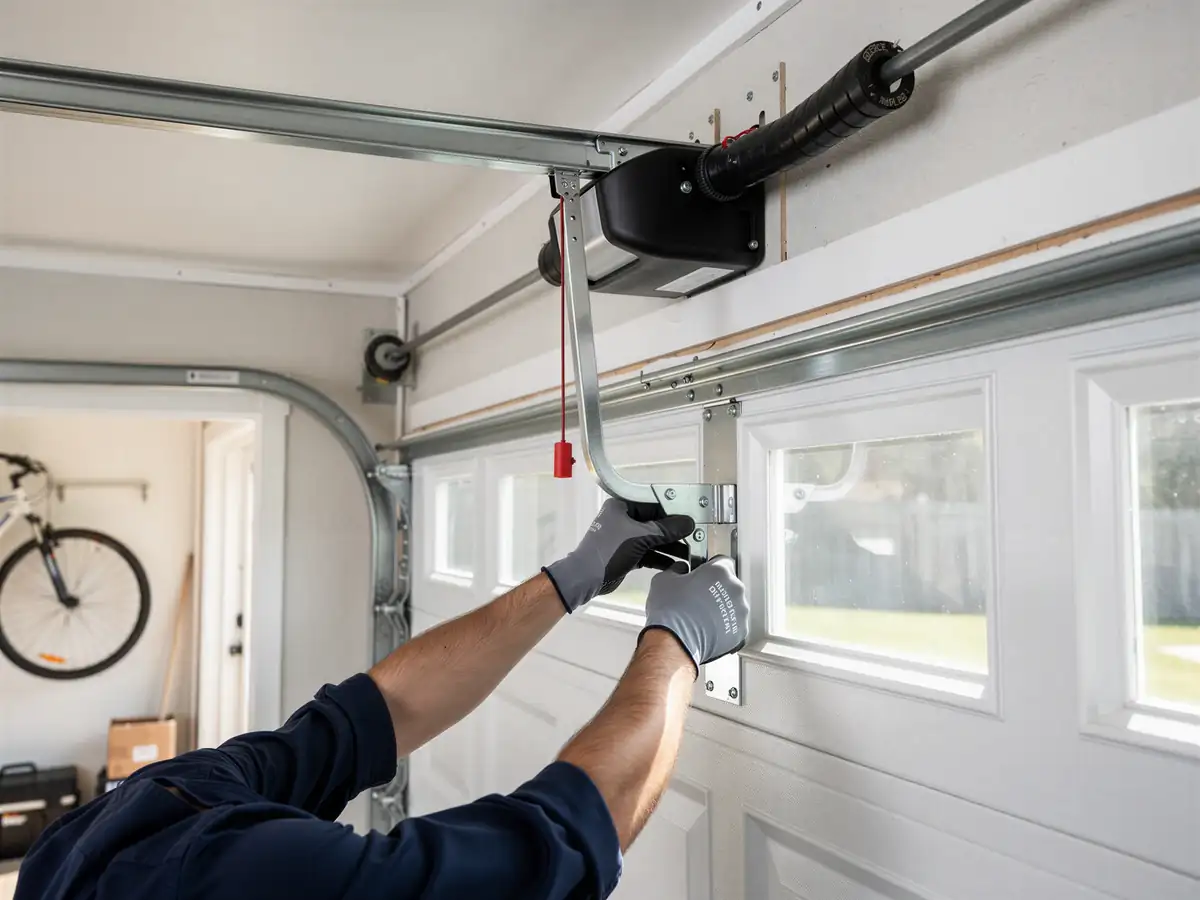
Opener installs and replacements for West Chester homes built 1938-1996, matched to the cold-climate demands this area's housing stock puts on drive systems.
Learn more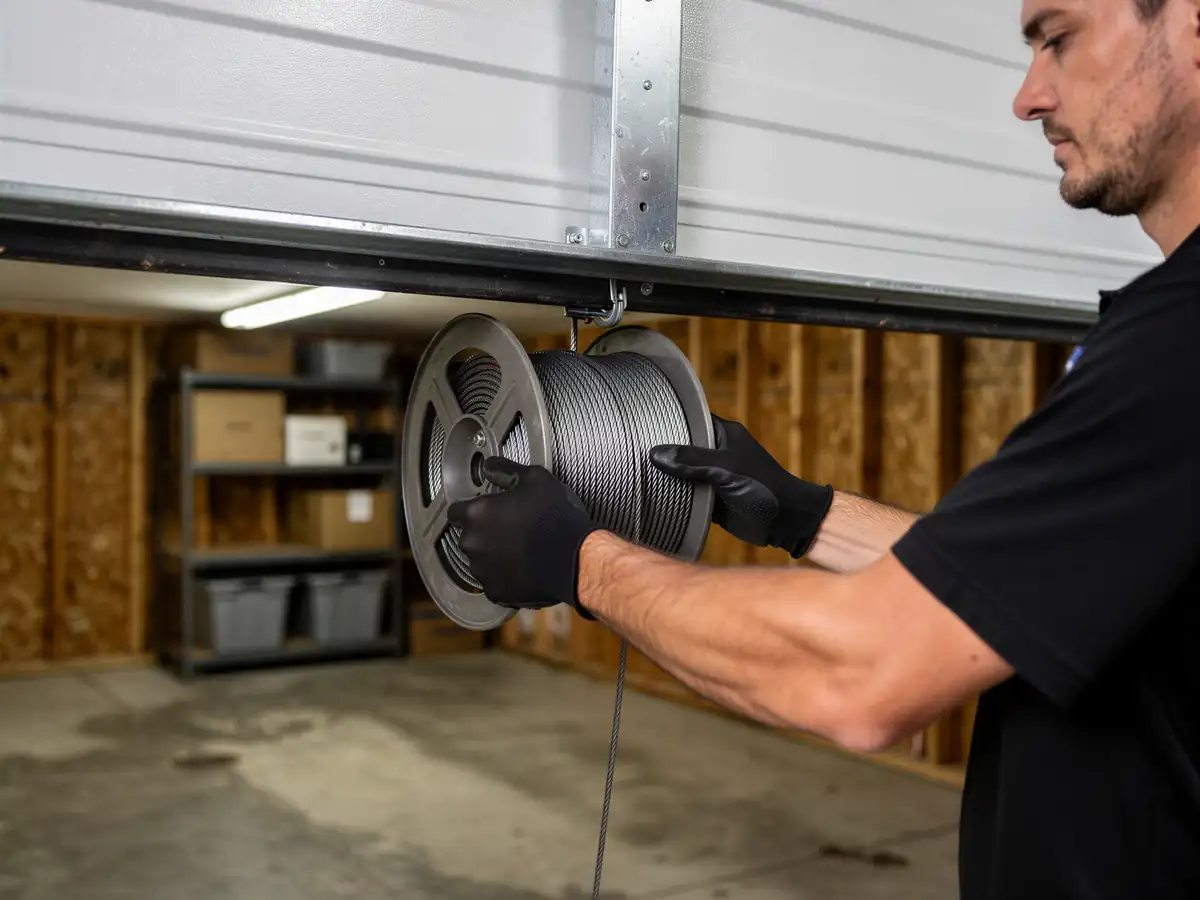
Broken or frayed garage door cables are common in West Chester's 1938-1996 housing stock. Same-system diagnosis, parts on the truck, straight talk on repair vs. replace.
Learn more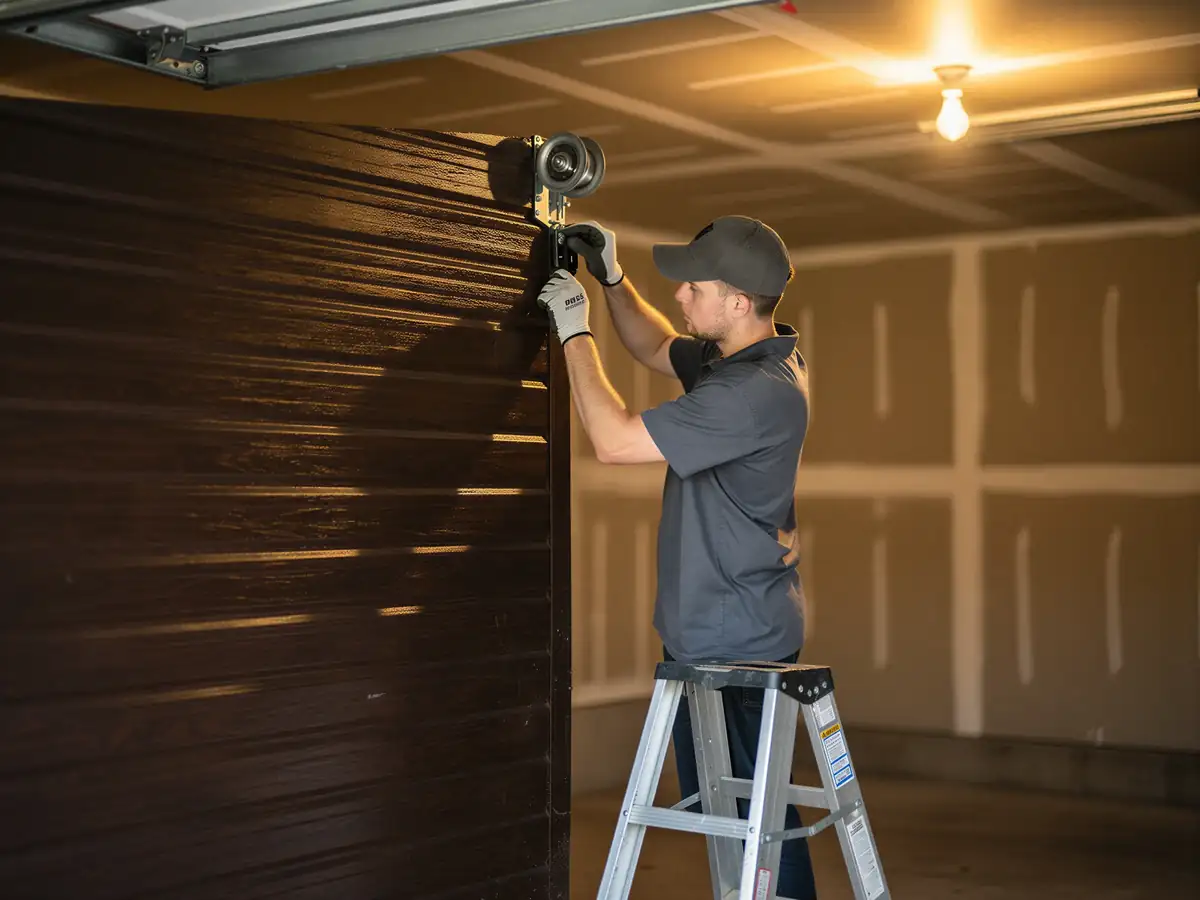
Worn rollers on 1960s-era West Chester homes grind and bind through cold winters. We replace them with steel or nylon rollers built for the climate band here.
Learn more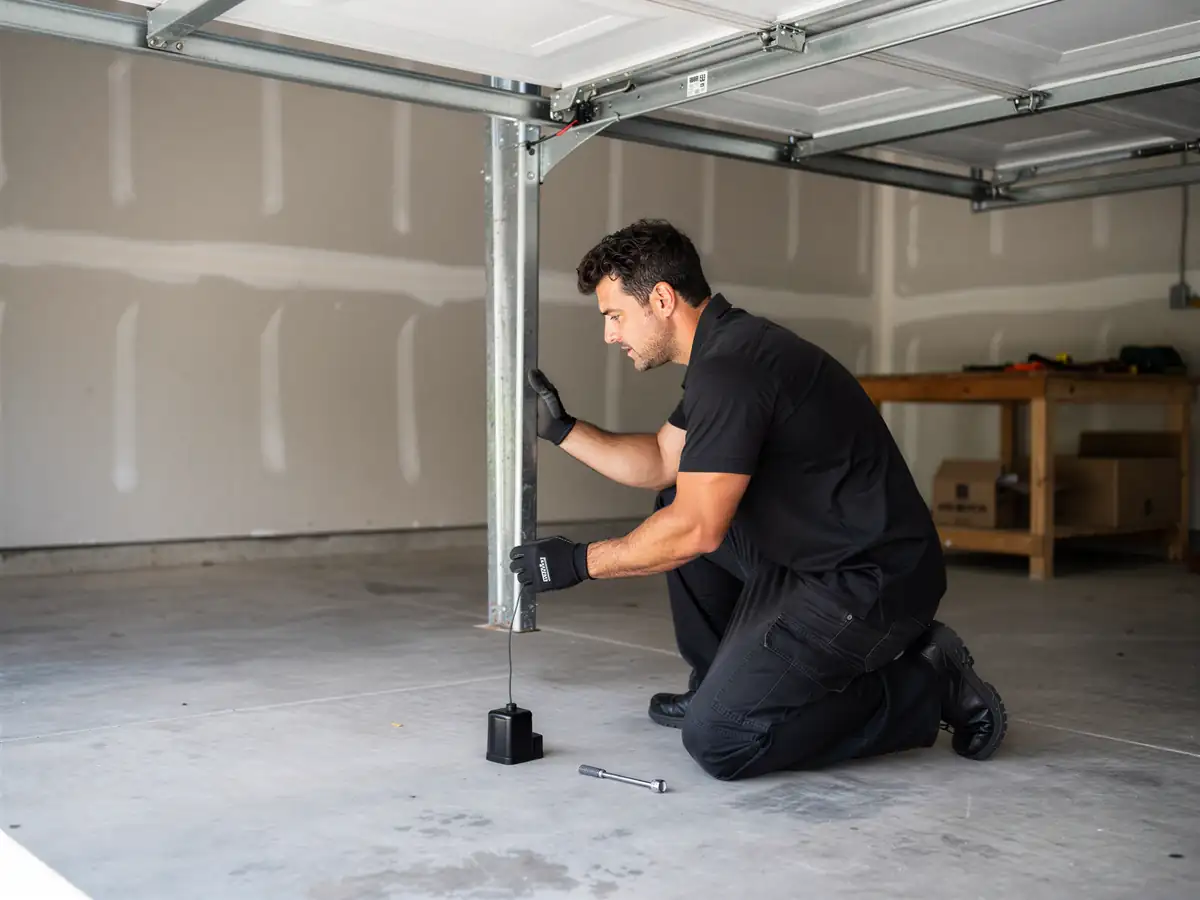
Serving West Chester and nearby towns with garage door maintenance built around 1960s-era housing stock and the region's cold, humid winters.
Learn moreStraight answers about garage door repair in West Chester. Still unsure? Ask us directly.
placeholder
Tell us what it’s doing and where you are in West Chester - we’ll take it from there.