Roller Replacement for Lionville's 1980s Garage Doors
Lionville homes built mostly in the 1980s still run original steel rollers. We replace worn rollers on the trip out from West Chester - here's what that job involves.
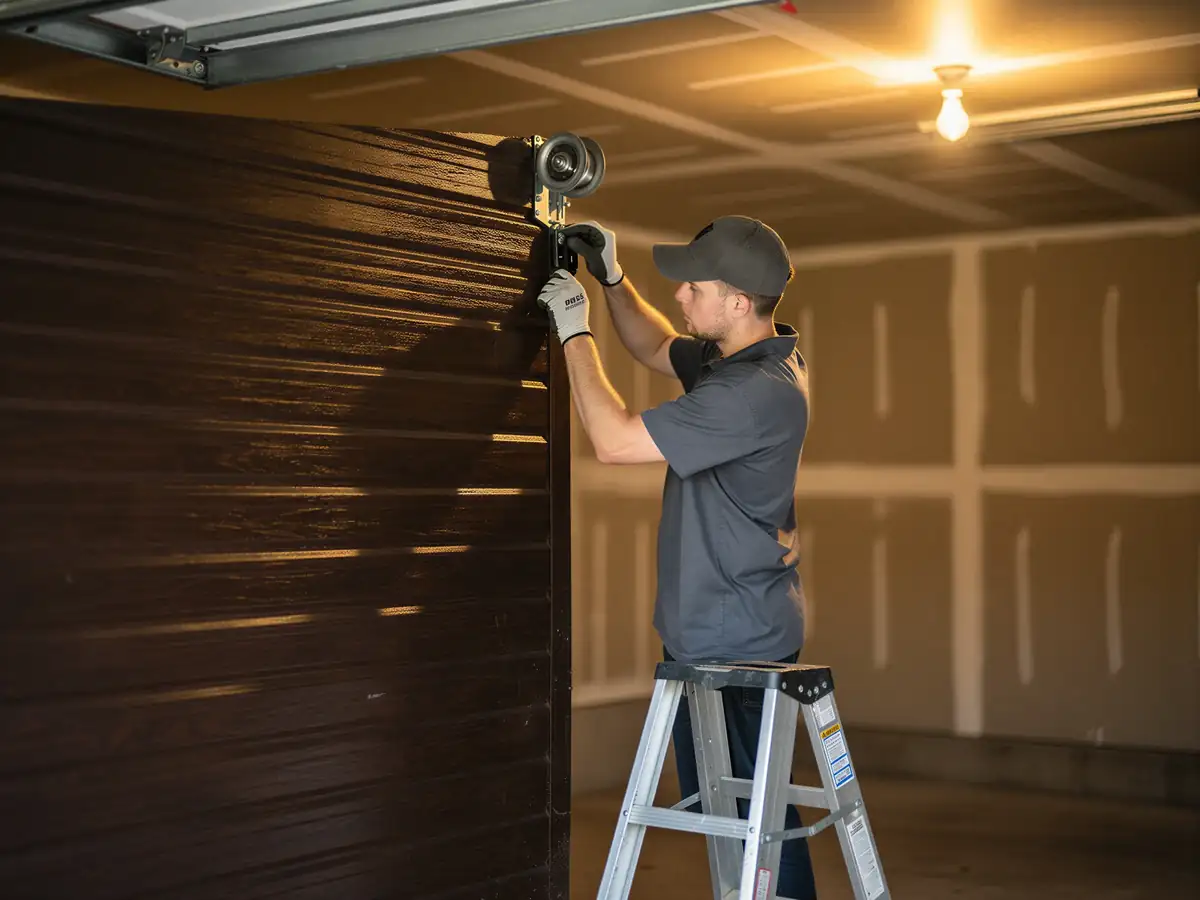
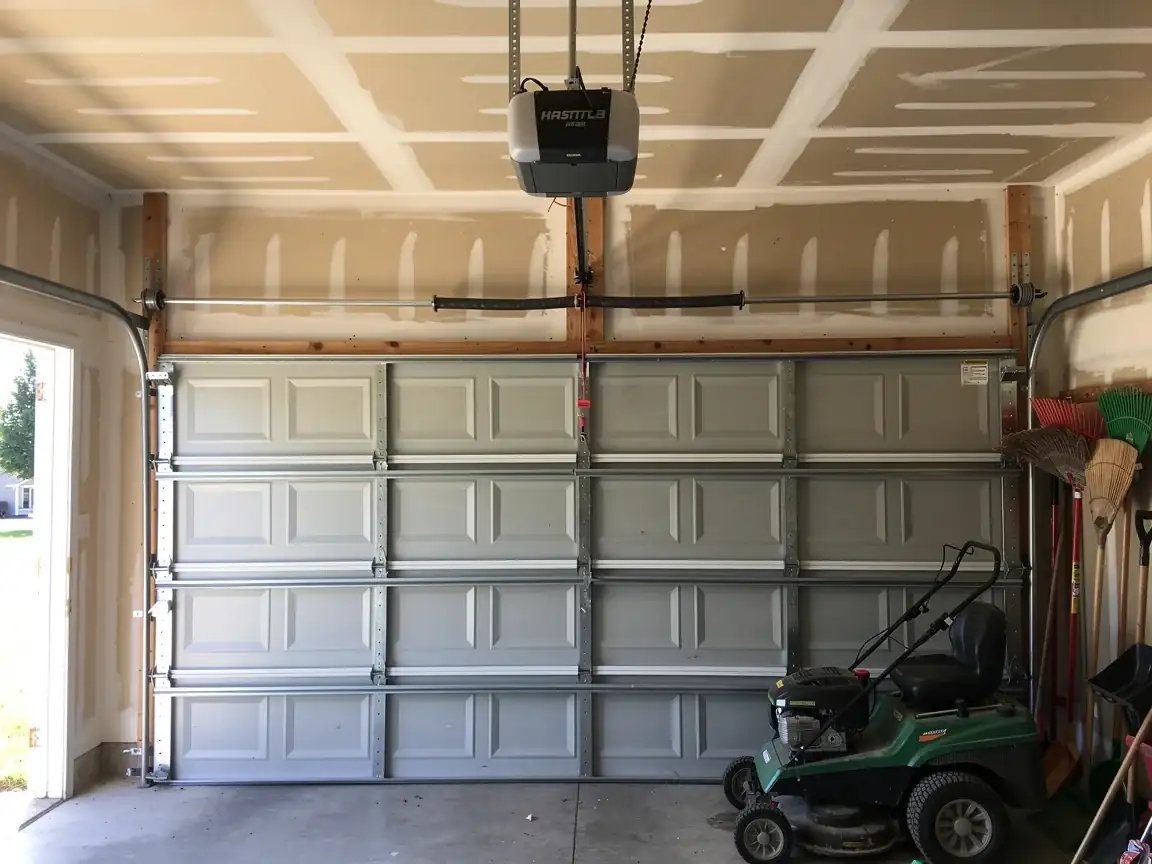
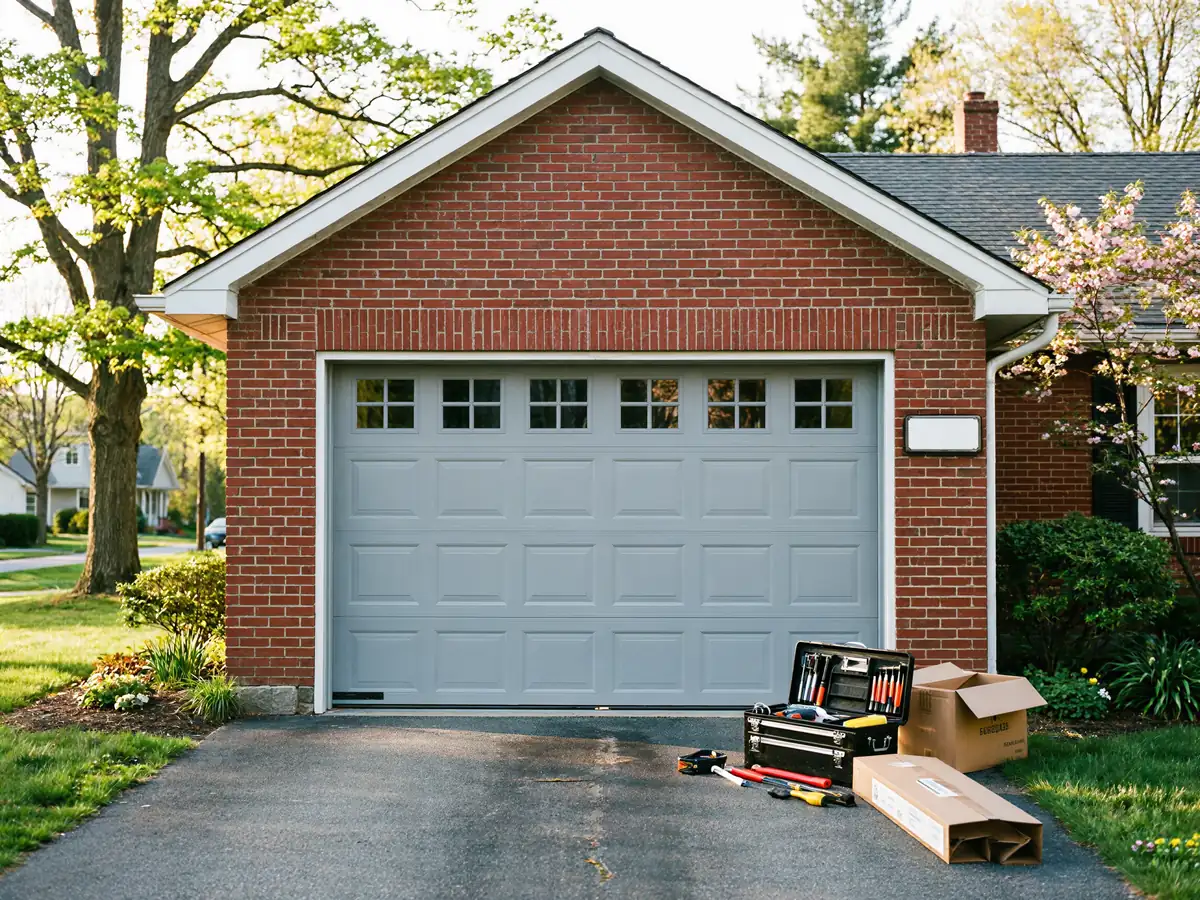
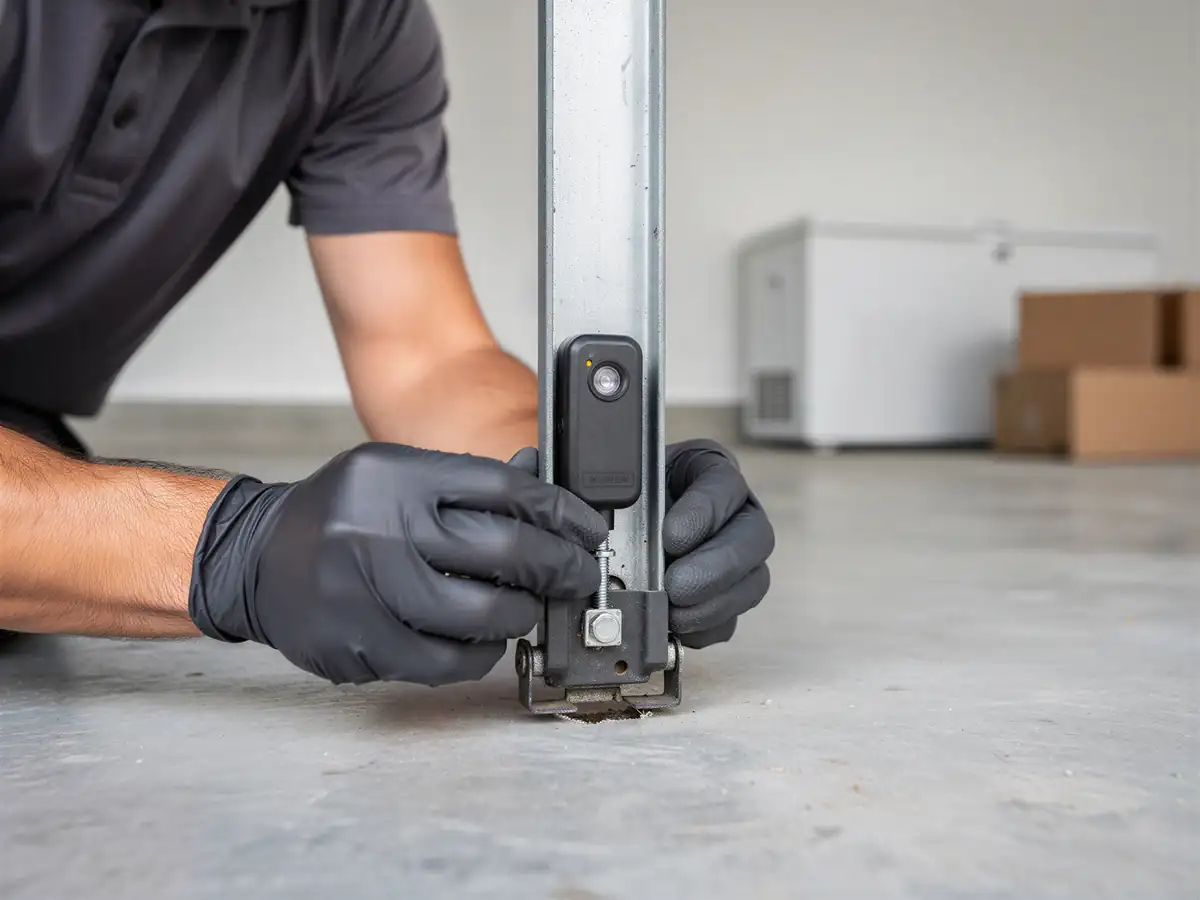
Most of the doors we see in Lionville went up when the neighborhood was built out around 1980, which means they're still running the rollers that came with the house: galvanized steel on a steel stem, sometimes with a plain bushing instead of a sealed bearing. We carry both 7-ball and 10-ball nylon rollers with sealed bearings, plus the steel stem versions for owners who want to match what's already there rather than upgrade the whole set. We also bring the stuff that actually gets missed - new end bearing plates if the track-side bracket has worn oval, and lubricant rated for the kind of cold Lionville gets most winters, since the wrong grease just gums up and attracts grit. If a track section is bent from a roller that jumped it, we carry straight replacement sections too, because swapping rollers into a bent track just repeats the failure.
How Long It Takes
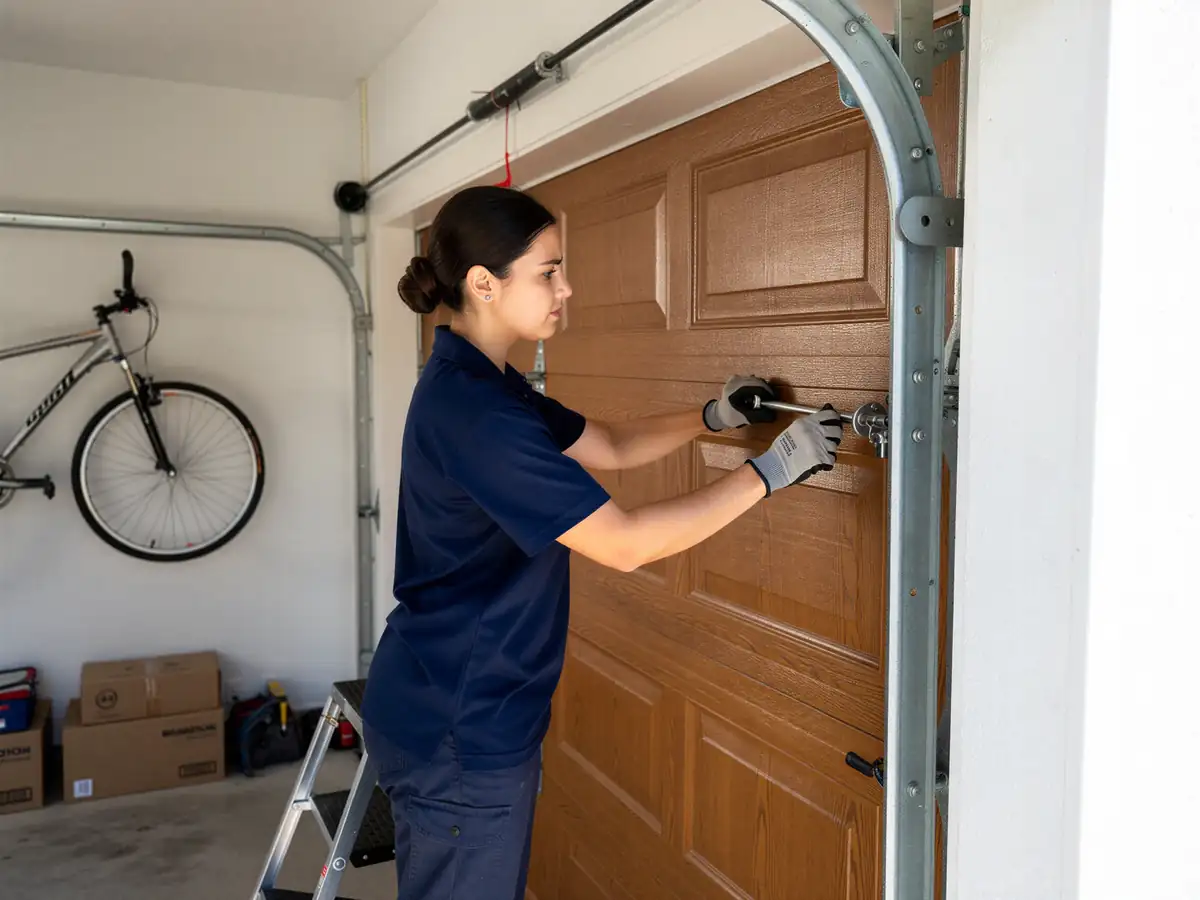
A full set of ten or twelve rollers on a standard double door, done from the truck, is a straightforward job - most of the time goes into working each roller out of the track one at a time rather than forcing the door off its hinges. Houses from this era in Lionville often have the original hinges too, and those sometimes need a light penetrating oil soak before a roller stem will pull free without snapping the hinge leaf. If a bearing has frozen solid and the stem shears off inside the hinge, that adds time, because now we're drilling out a stuck pin instead of a clean swap. We don't quote a fixed window here since every door's hinge condition differs, but a straightforward set of worn rollers is a same-visit fix once we're on site.
Doing It Yourself
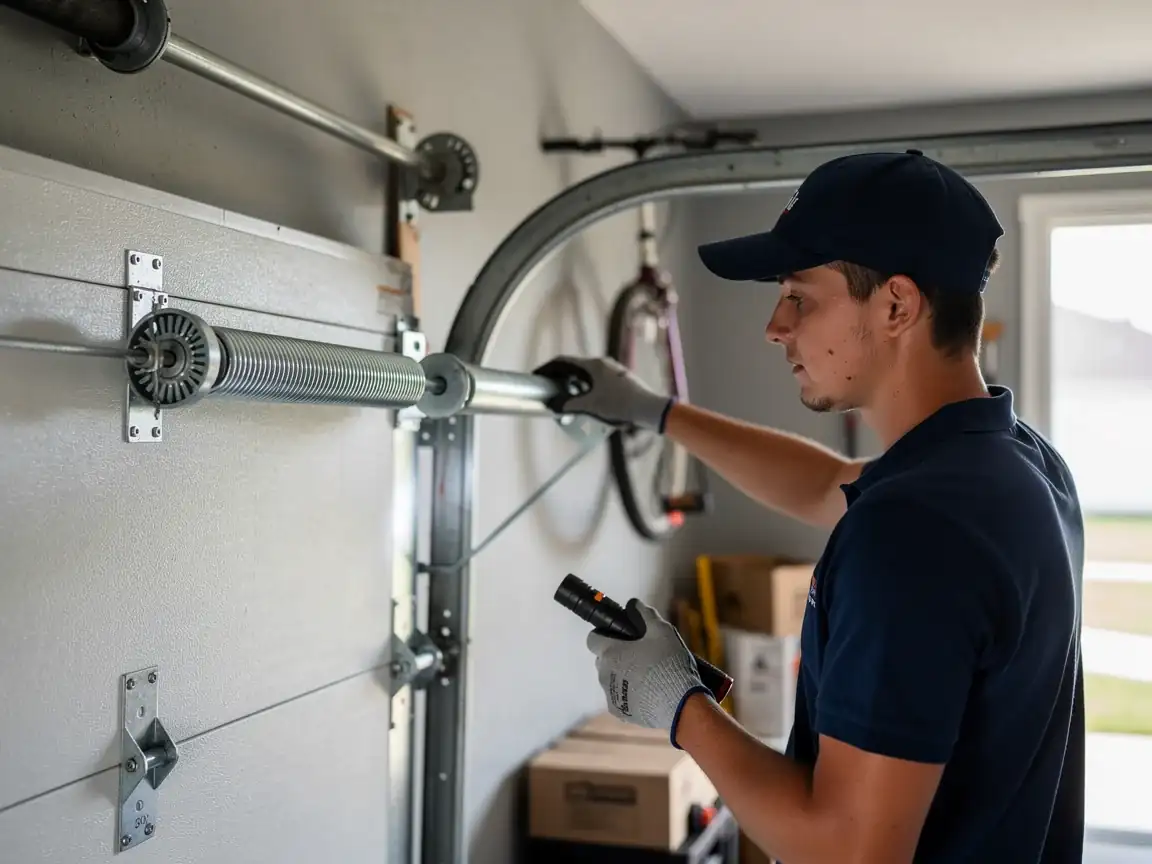
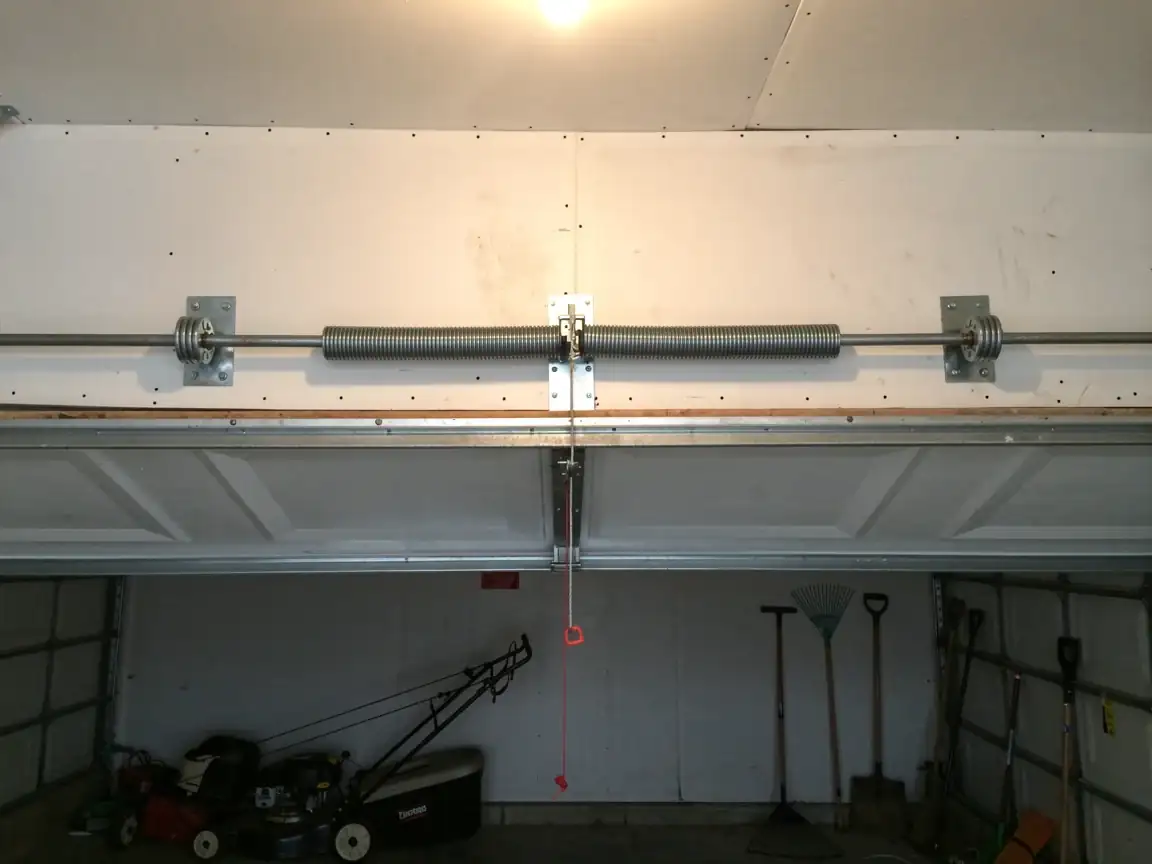
Replacing a bottom roller on an open track section is a reasonable weekend job for someone comfortable with hand tools. The rollers that sit inside the vertical track near the top of the door, under spring tension, are a different story - pulling those requires relieving tension first, and on a door this age the spring itself may be original equipment that's well past its rated cycle count. We'd rather you call for those than find out the hard way what a torsion spring does when it lets go unexpectedly. If you're doing the easy ones yourself, match roller stem length to your existing hardware; a stem that's a quarter inch too long will bind in a 1980s-era bracket that wasn't made to today's tolerance.
What It Costs
We don't have a published price list for this job to quote here, and giving you a number without seeing the door and its hinges would be a guess dressed up as a quote. What we can tell you is that the job scales with how many rollers have failed versus how many are still fine, and whether hinges or track sections need replacing alongside them. Lionville's median household income sits a little under the broader service area's at $96,381, and that's worth mentioning only because it tells us most jobs here are repair-and-replace, not full-door upgrades - owners want the rollers fixed, not an excuse to buy a new door.
What Causes It Around Here
The pattern we see on Lionville calls is age catching up with original hardware. A house built around 1980 is pushing toward its roller hardware's fourth decade, and steel rollers on plain bushings wear from the inside - the bushing goes first, then the stem starts riding off-center and chewing at the track. Add in winters cold enough that nylon rollers from a cheaper replacement round can crack rather than flex, and you get the noisy, jumpy door that's usually the first complaint we hear. It's not a Lionville-specific defect, it's a Lionville-specific age bracket - a neighborhood built mostly in one decade tends to fail in that same decade's hardware all at once.
How it works
From “it’s stuck” to “it’s fixed”
01
Tell us what’s wrong
Describe the symptom - won’t open, loud bang, opener runs but the door won’t move.
02
On-site diagnosis
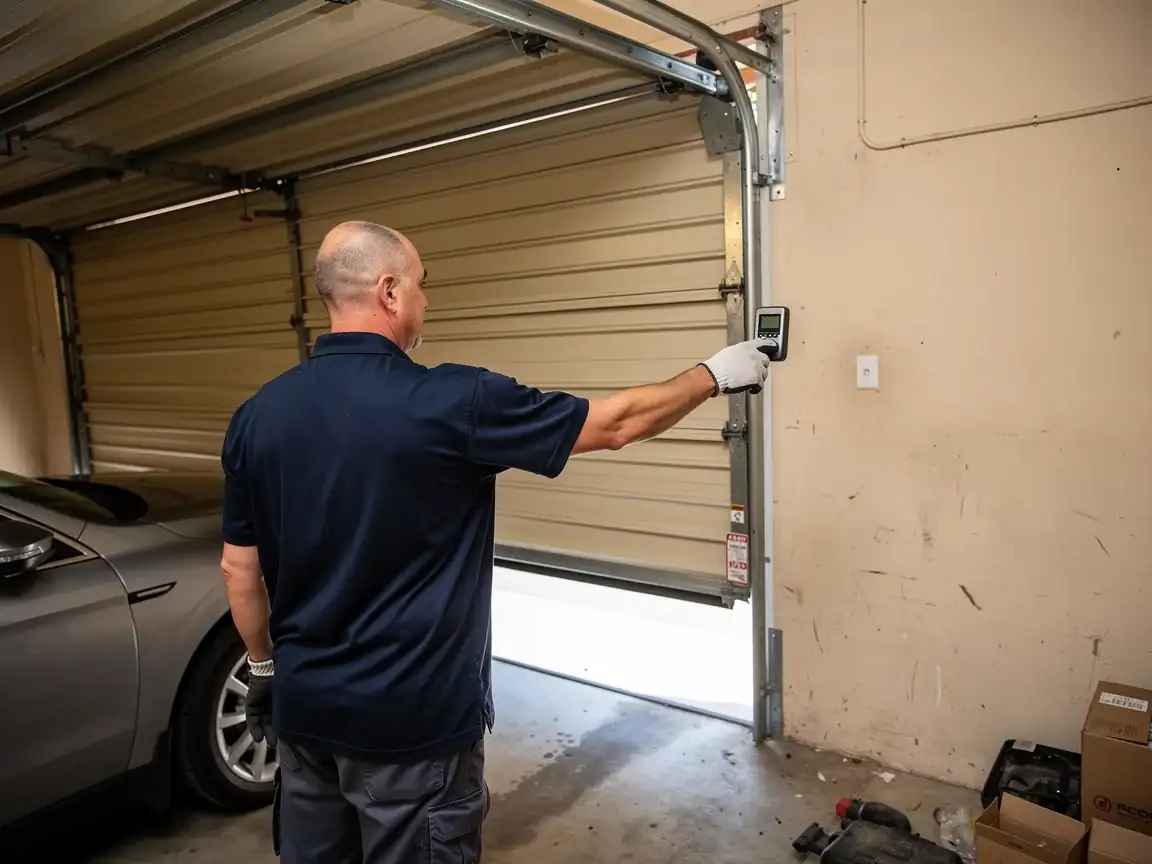
A technician tests the door under power and by hand and finds what actually failed.
03
Clear, up-front plan
You get the fix that’s needed and what drives the cost - before any work starts.
04
Repaired & tested
The repair is done, the door is set true and tested, and the work area left clean.
Not sure which repair your door needs in West Chester, PA? Describe what it’s doing - every job starts with a diagnosis.
Straight answers about garage door repair in West Chester. Still unsure? Ask us directly.
Why do so many Lionville garage doors make the same grinding noise?
Most houses in Lionville date to around 1980, so a lot of doors are still on their original steel rollers. Those wear out around the same age across the whole neighborhood, which is why we get a cluster of similar-sounding calls rather than one-off failures.
Should I replace all the rollers or just the noisy ones?
If your rollers are original to a 1980-era door, the ones that aren't failing yet usually aren't far behind. We'll look at wear on the full set when we're out and tell you honestly if a partial swap makes sense or if you're better off doing them all at once.
Do you have a shop or depot in Lionville?
No - we run this job out of West Chester, about 7 miles away. There's no separate branch here, just a truck that comes to you with roller stock already loaded.
Can cold weather actually crack a roller?
Yes, particularly cheaper nylon rollers in a severe-cold climate like this one. The plastic gets brittle in deep cold and a roller that flexed fine in October can chip or split in January. Sealed-bearing nylon rated for cold holds up better than the bargain kind.