Lionville's homes cluster around 1980, later than much of the West Chester area - which means a different generation of opener hardware failing in different ways. Here's what that means for a repair.
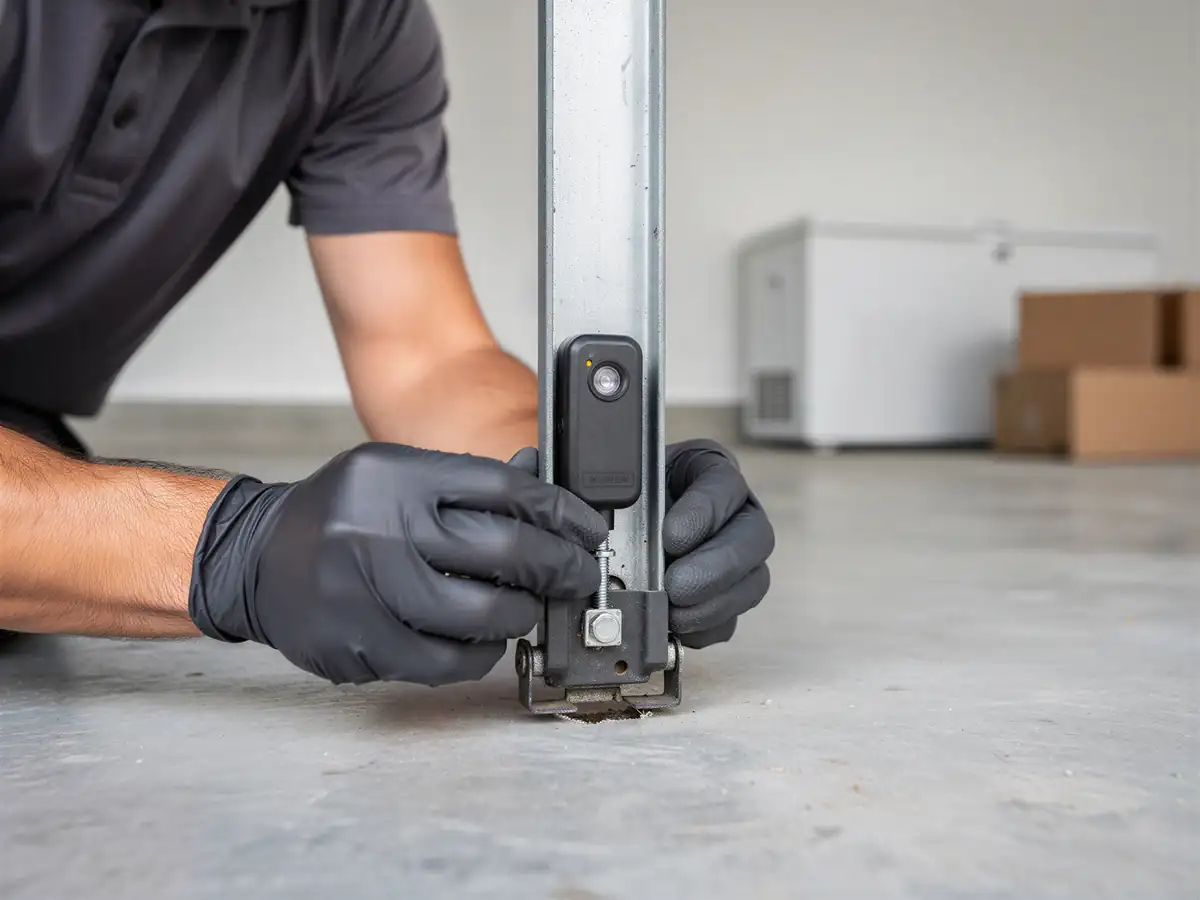
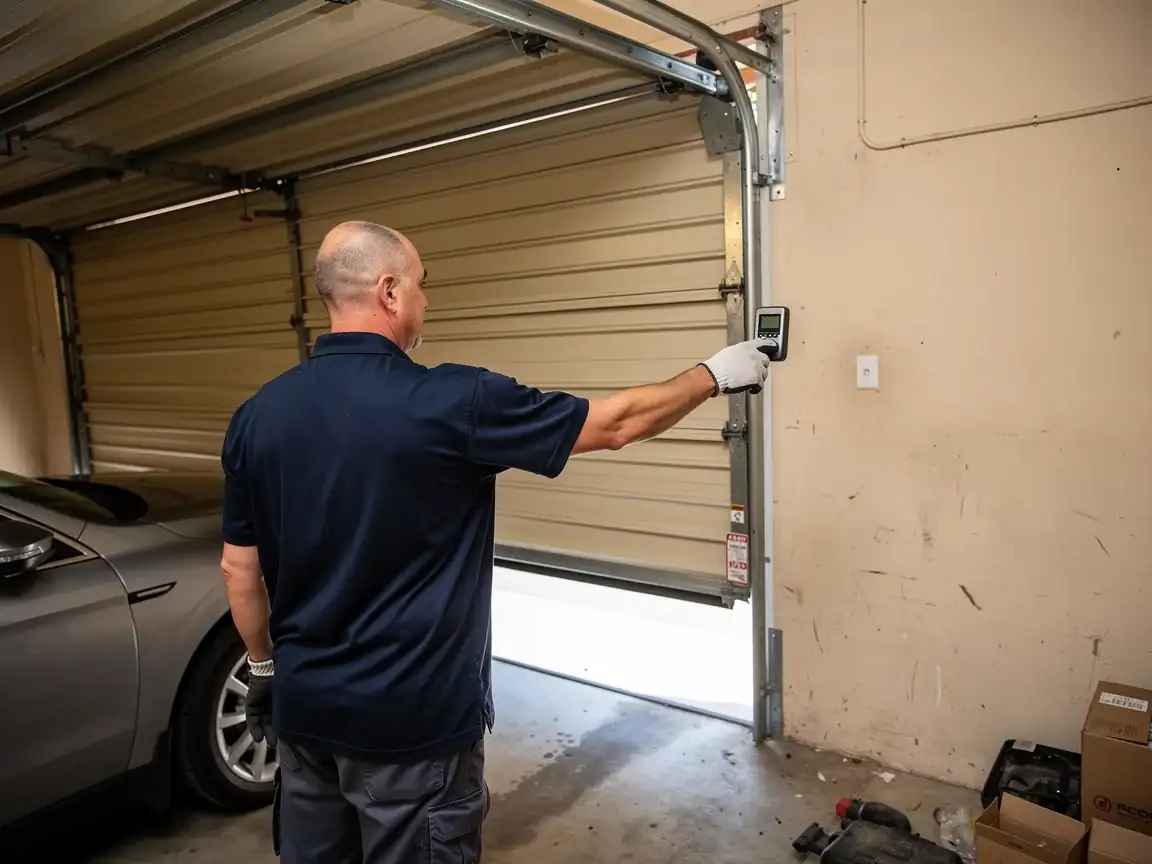
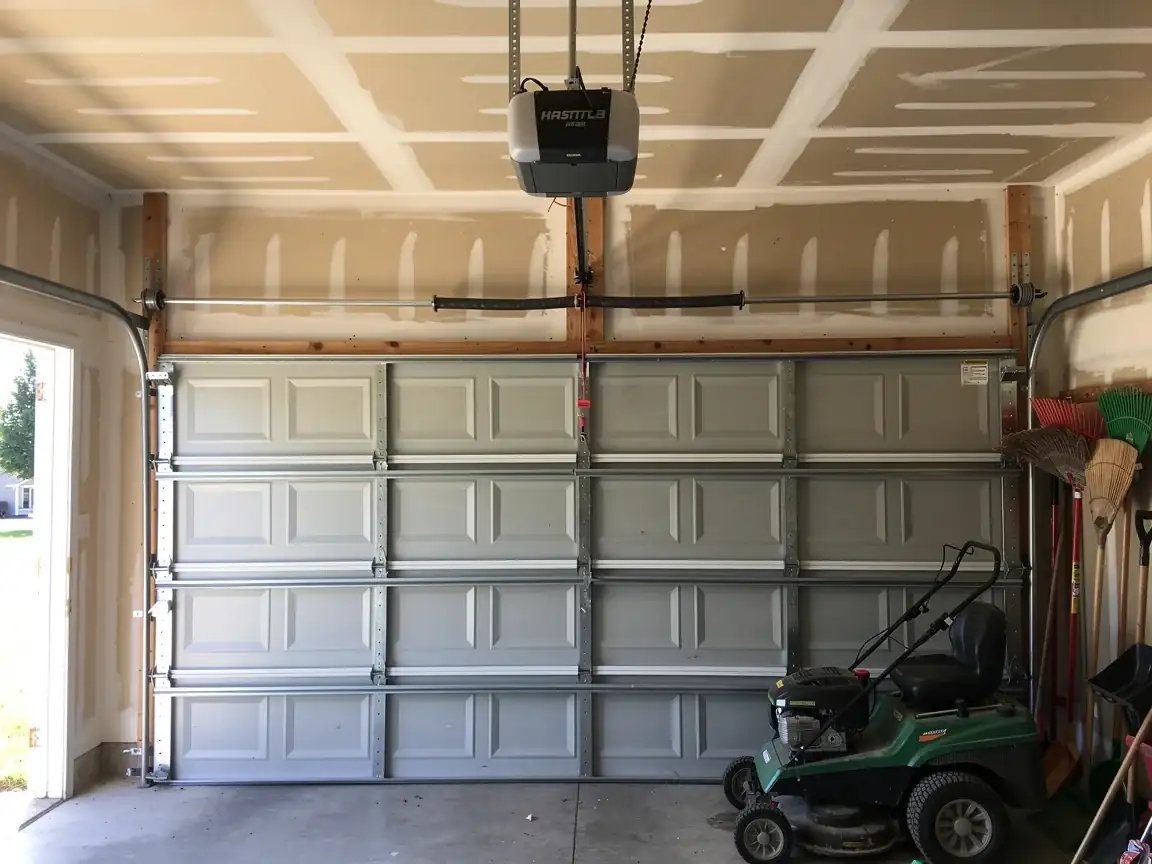
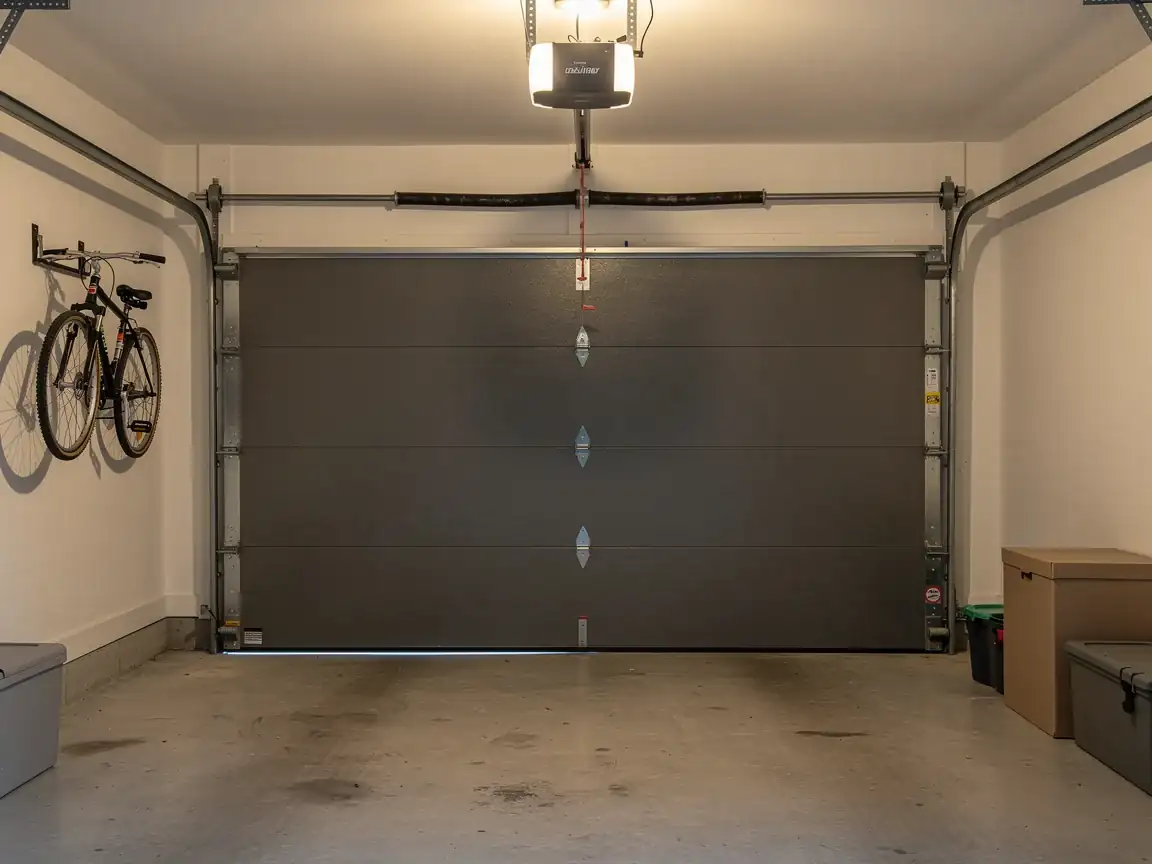
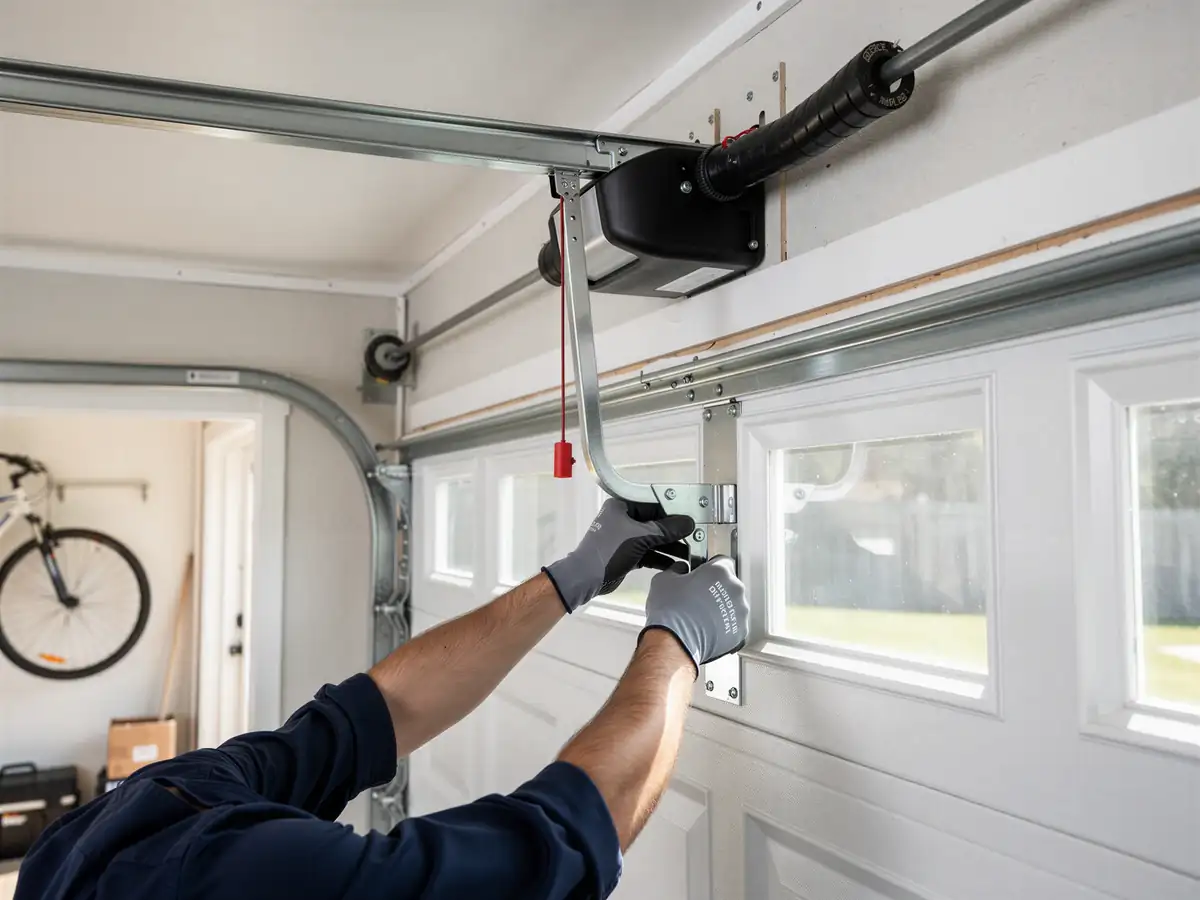
West Chester is 7 miles out, so when the truck rolls up for an opener call in Lionville, it's stocked for what actually breaks on a house built around 1980 rather than the older stock closer to the city, where median construction runs back to 1960. That gap matters more than it sounds. A lot of Lionville's original openers were installed before the 1993 federal rule that required photo-eye safety sensors on every new garage door opener, which means a meaningful share of these homes have already been through at least one full opener swap, and what's on the wall now is a second- or third-generation unit - chain drive or belt, logic board instead of a simple relay, and a photo-eye pair that may have been retrofitted rather than original. The truck carries replacement logic boards, drive gears, trolley carriages, and photo-eye sensor kits that fit the openers common to that install period, plus the remotes and keypads that pair with them. What it doesn't carry is a guess - if the opener on the wall is a model nobody's made parts for in years, replacement gets priced instead of patched.
How Long It Takes
Most opener calls split into two kinds of jobs, and the housing age in Lionville tips the odds toward the faster one. A dead capacitor, a stripped drive gear, misaligned photo eyes, or a logic board that's lost its memory are each under an hour once the tech is on site and has diagnosed it - these are the common failures on openers installed or replaced in the last couple decades, which fits most of what's running in this area. The slower job is a full opener replacement, usually because the unit is old enough that parts are discontinued or the motor itself has burned out. That's closer to a couple hours including mounting, wiring, and setting the travel limits and force settings so the door doesn't slam or stall. Nothing here is instant - the drive from West Chester is part of the timeline, and no appointment window changes that distance.
Doing It Yourself
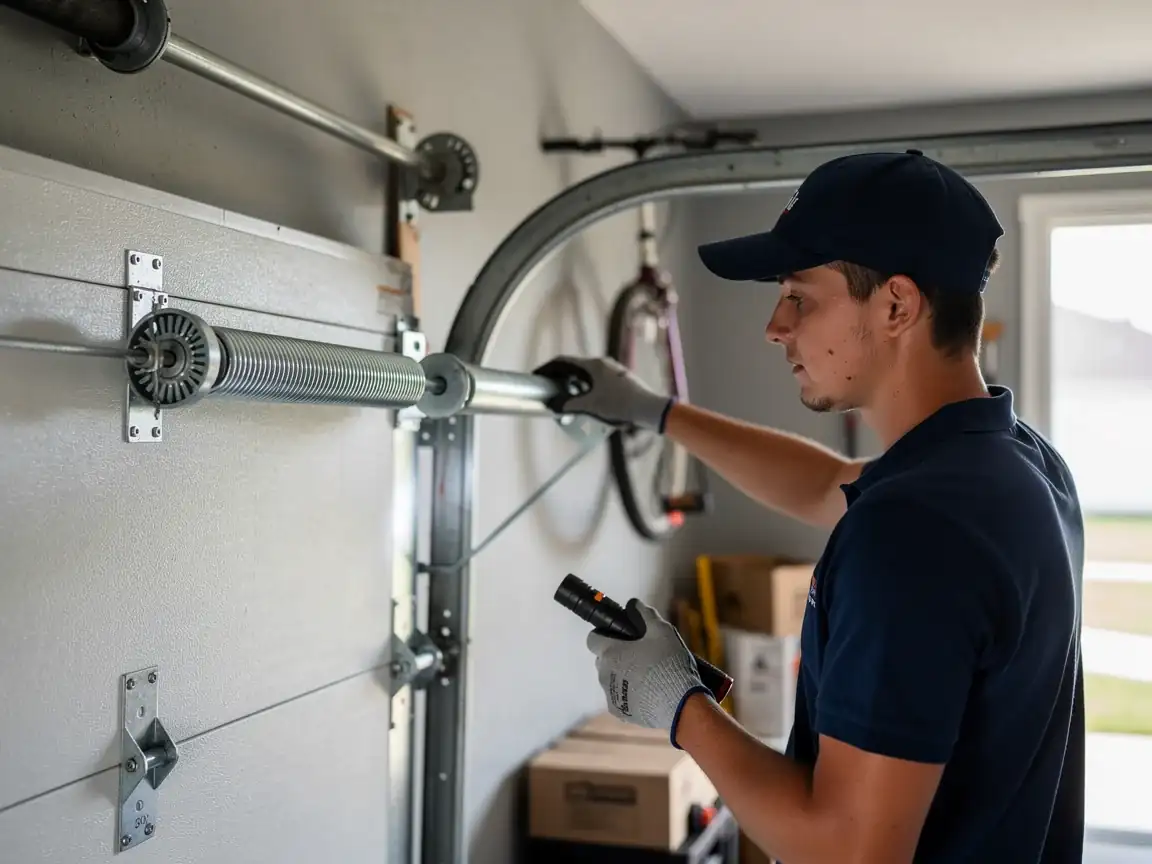
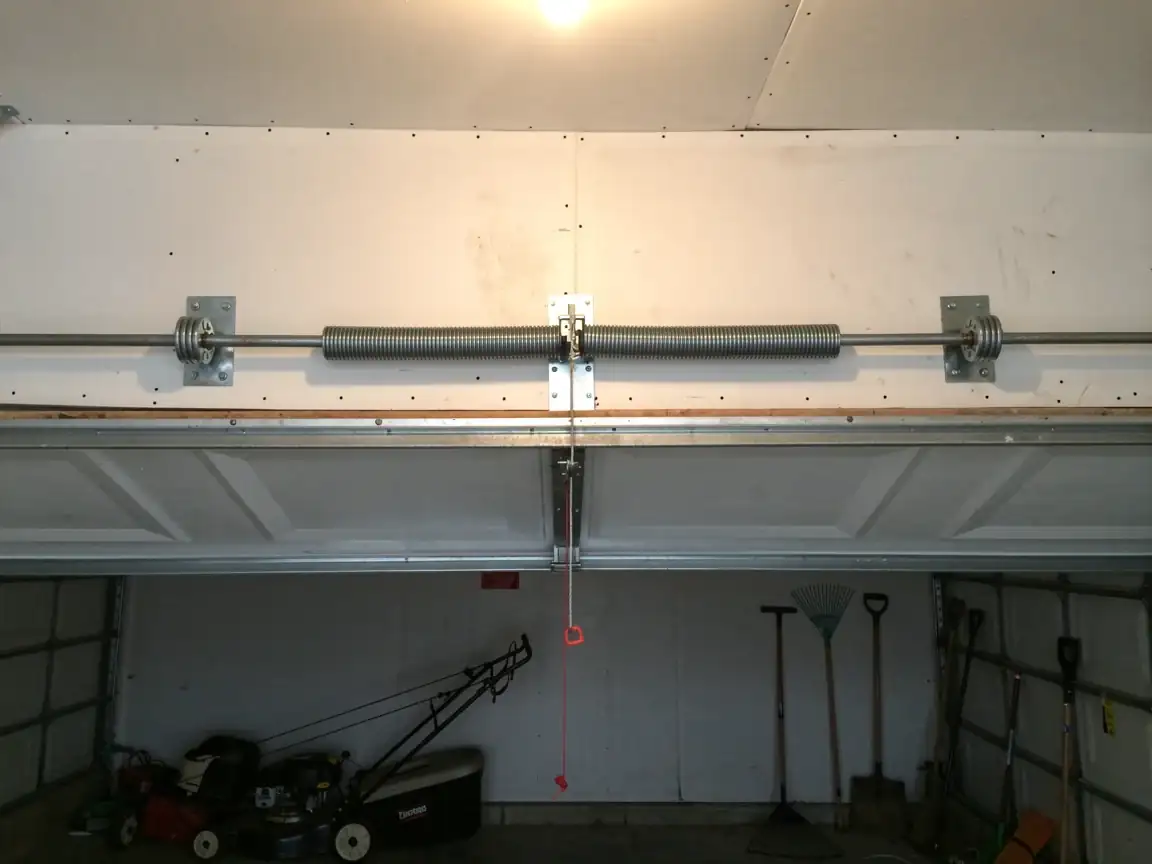
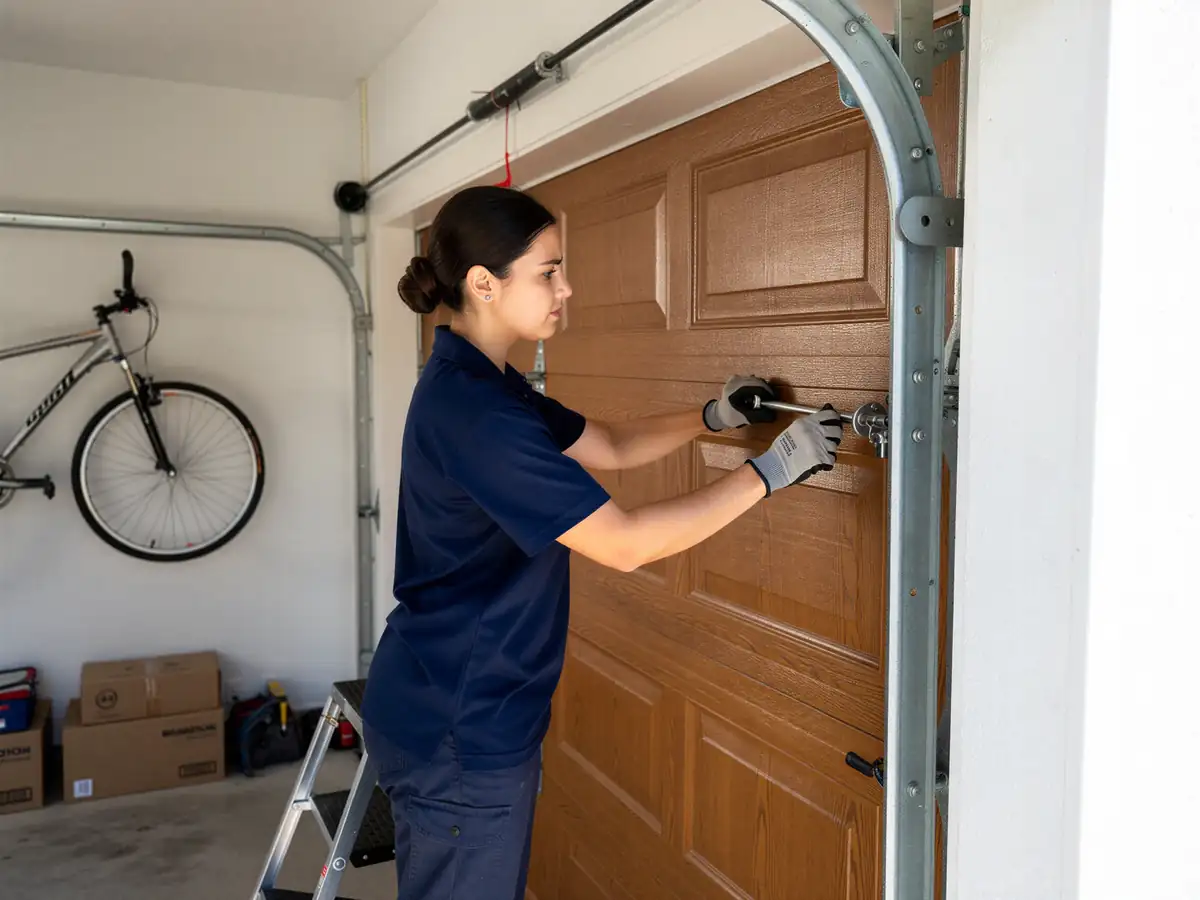
Reprogramming a remote, replacing the lightbulb, or clearing a dirty photo-eye lens - fair game, and plenty of Lionville homeowners handle those without a call. What's not worth attempting is anything involving the opener's drive mechanism while the door is under spring tension, or rewiring the wall control if you're not sure which low-voltage terminals do what. Opener logic boards are cheap to replace and expensive to fry by guessing wrong on a connection. If the opener trips the breaker repeatedly or the motor hums without moving the door, that's a sign of a seized gear or a failing capacitor, not something to force past with a reset button.
What It Costs
We don't have a posted price list for opener repair specific to this job, and giving you one here would be a guess, not a fact. What does shape the number is whether the fix is a part swap (gear, board, sensor, capacitor) or a full unit replacement, and that split runs differently in Lionville than it does on an older street closer to West Chester, because fewer of the openers here are old enough that parts are simply gone. Median household income in Lionville runs $96,381, close to the $100,000 figure for the wider service area, and that's relevant mainly in one way: cost-of-repair decisions here tend to lean toward fixing a working opener rather than replacing it outright, since the parts for a 1980s-or-newer unit are usually still available.
What Causes It Around Here
This area sits in a cold-climate zone with real winter severity, and opener failures track that. Cold makes grease stiffen in the drive screw or chain, which puts extra load on the motor and capacitor every time the door tries to open on a frigid morning - that's a steady, repeatable failure pattern, not a one-off. Combine that with the housing stock: a median build year of 1980 means most of Lionville's openers are past their first replacement cycle, so a lot of these calls are an opener reaching the end of a second lifespan rather than an original unit limping along from the 1960s, which is more the pattern closer to West Chester. The two causes compound - an aging motor working harder every cold snap fails sooner than the same motor would in a mild climate.
How it works
From “it’s stuck” to “it’s fixed”
01
Tell us what’s wrong
Describe the symptom - won’t open, loud bang, opener runs but the door won’t move.
02
On-site diagnosis
A technician tests the door under power and by hand and finds what actually failed.
03
Clear, up-front plan
You get the fix that’s needed and what drives the cost - before any work starts.
04
Repaired & tested
The repair is done, the door is set true and tested, and the work area left clean.
Not sure which repair your door needs in West Chester, PA? Describe what it’s doing - every job starts with a diagnosis.
Straight answers about garage door repair in West Chester. Still unsure? Ask us directly.
Why is my opener different from my neighbor's in an older part of West Chester?
Housing age. Lionville's median build year is 1980, roughly two decades newer than much of the wider service area, which runs a 1960 median. That later build date means openers here are more likely to be second-generation units with photo-eye sensors already built in, rather than retrofits bolted onto an original 1960s install.
How far out does the truck have to come for an opener repair here?
West Chester is about 7 miles from Lionville. That distance is part of scheduling a visit, though it doesn't change what's diagnosed or repaired once the tech is on site.
Is it worth fixing an opener from the 1990s or should I replace it?
Depends what's failed. A bad capacitor, worn gear, or dead sensor is usually a straightforward repair. A burned motor or a board with no parts supply left means replacement makes more sense - we'll tell you which one it is rather than defaulting to either.
Does cold weather actually affect garage door openers?
Yes. This area sits in a severe cold climate band, and stiff grease in the drive mechanism during winter puts extra strain on the motor and capacitor every cycle. It's a steady contributor to opener failure here, not just an occasional fluke.