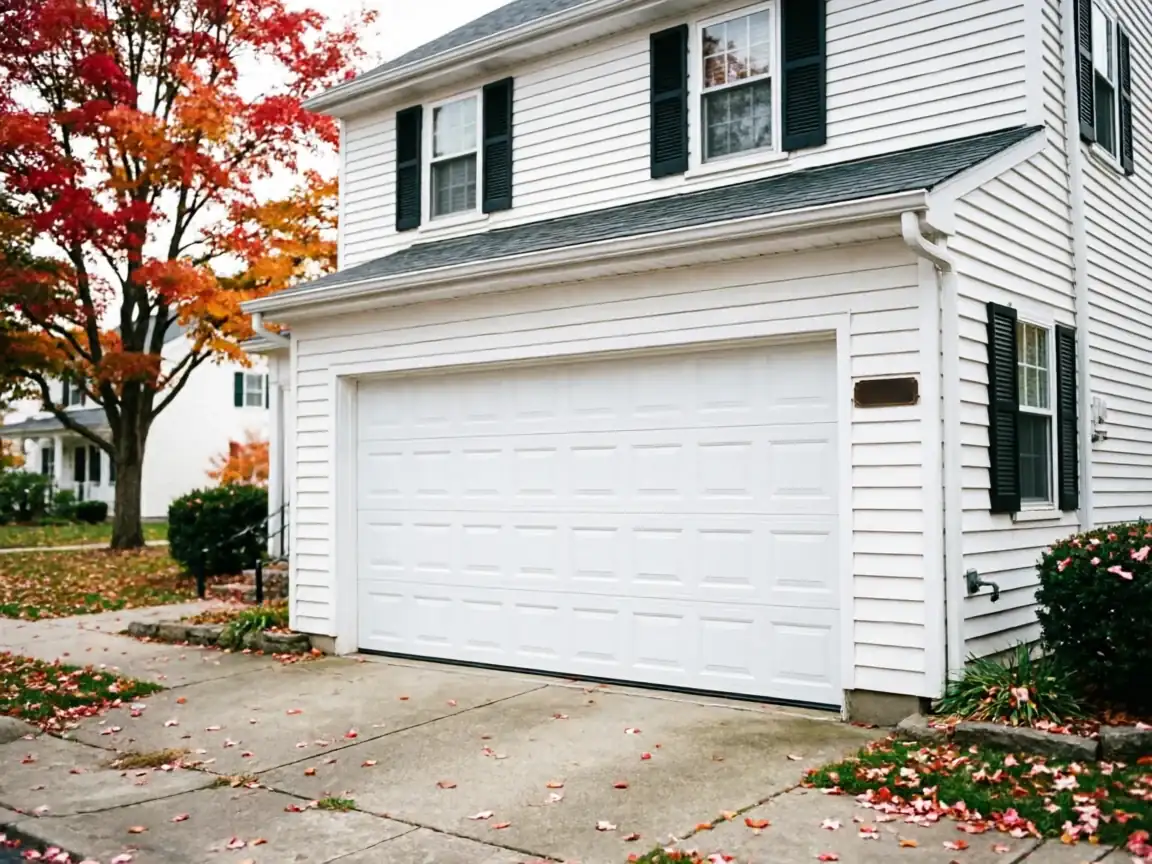
Lionville's roughly 3,071 households sit in a town built mostly around 1980 - later than much of the West Chester area. Here's what that means for upkeep, 7 miles from our shop.
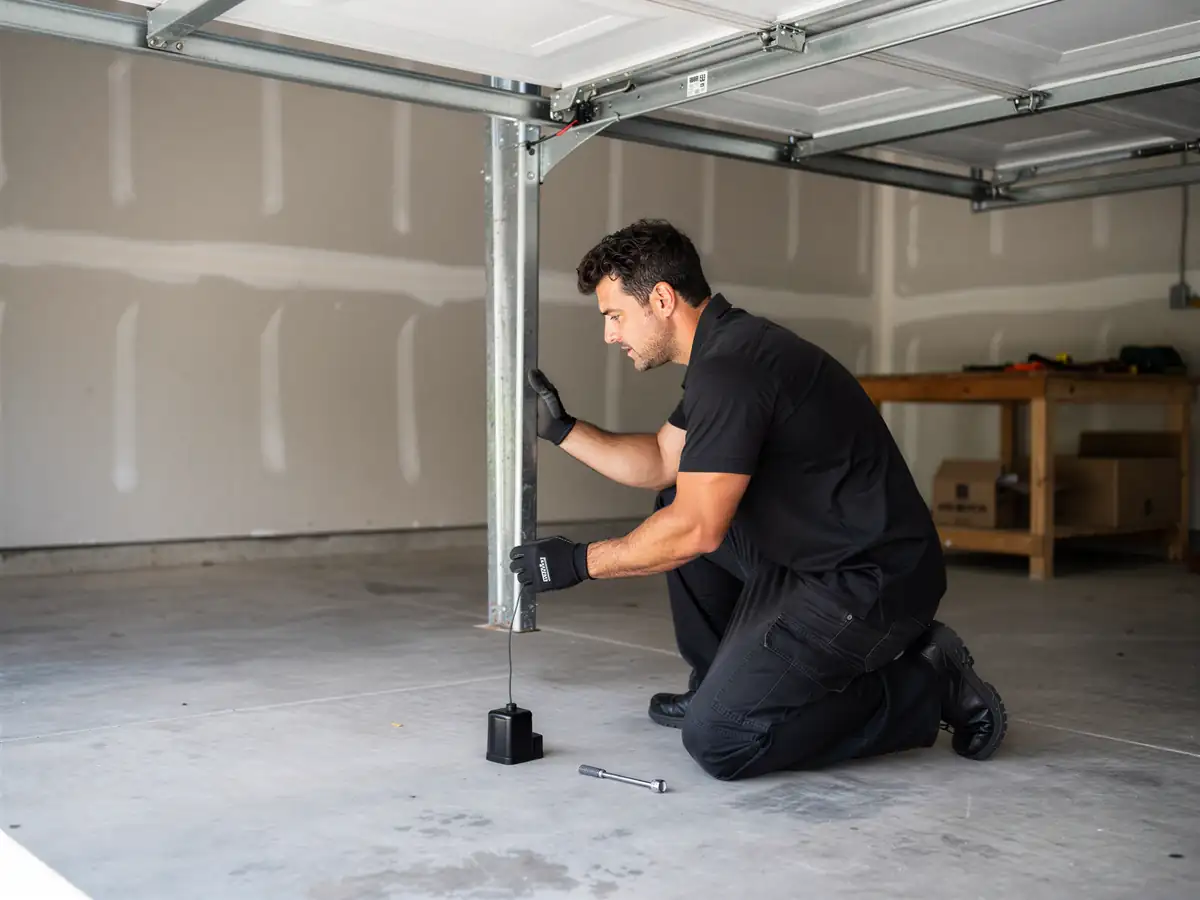
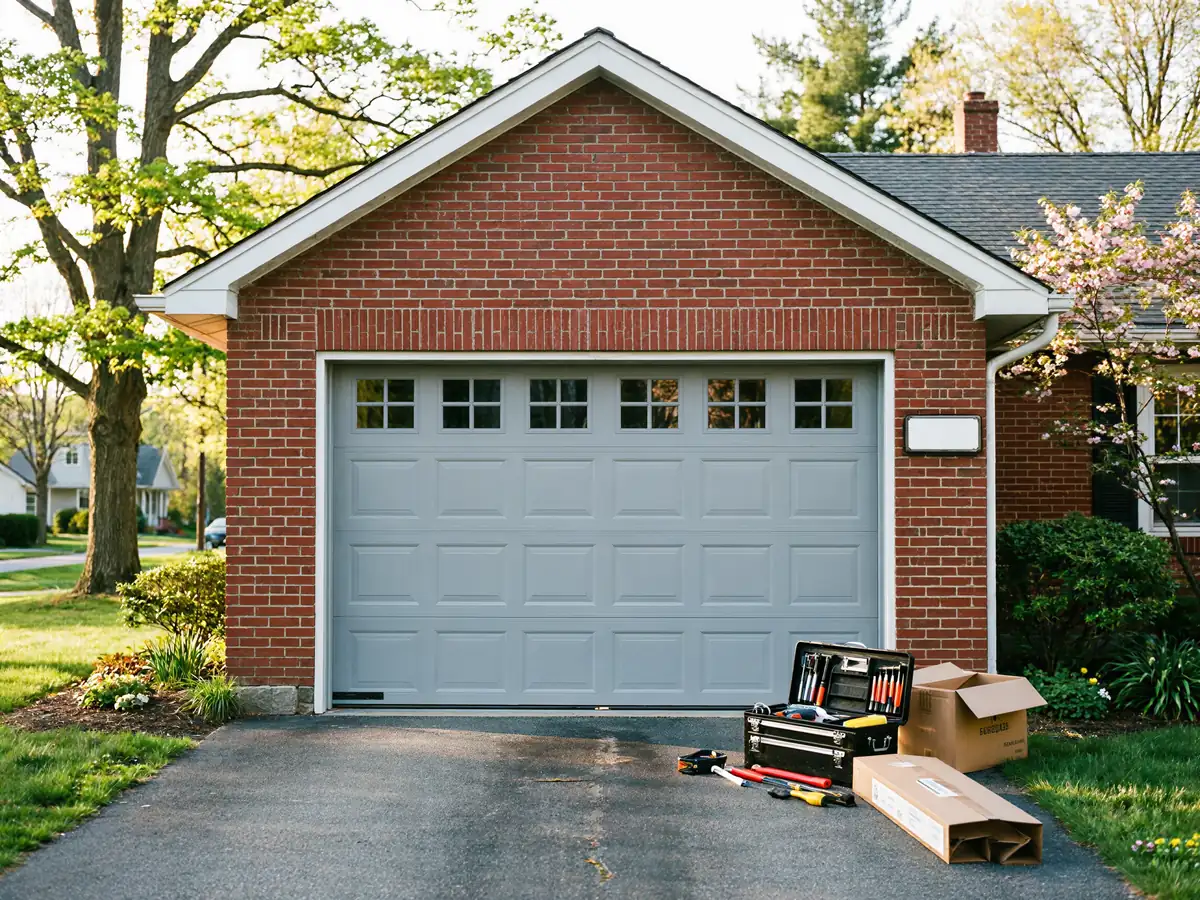
Lionville is a small town by the numbers - about 3,071 households, which is a fraction of the 162,229 across the whole service area we cover out of West Chester. That size matters for what a maintenance visit looks like. We're not running a crew that lives five minutes away; we come from West Chester, about 7 miles south, so a tune-up truck carries what a 1980-era door setup actually needs rather than a wide mix for every decade of housing stock.
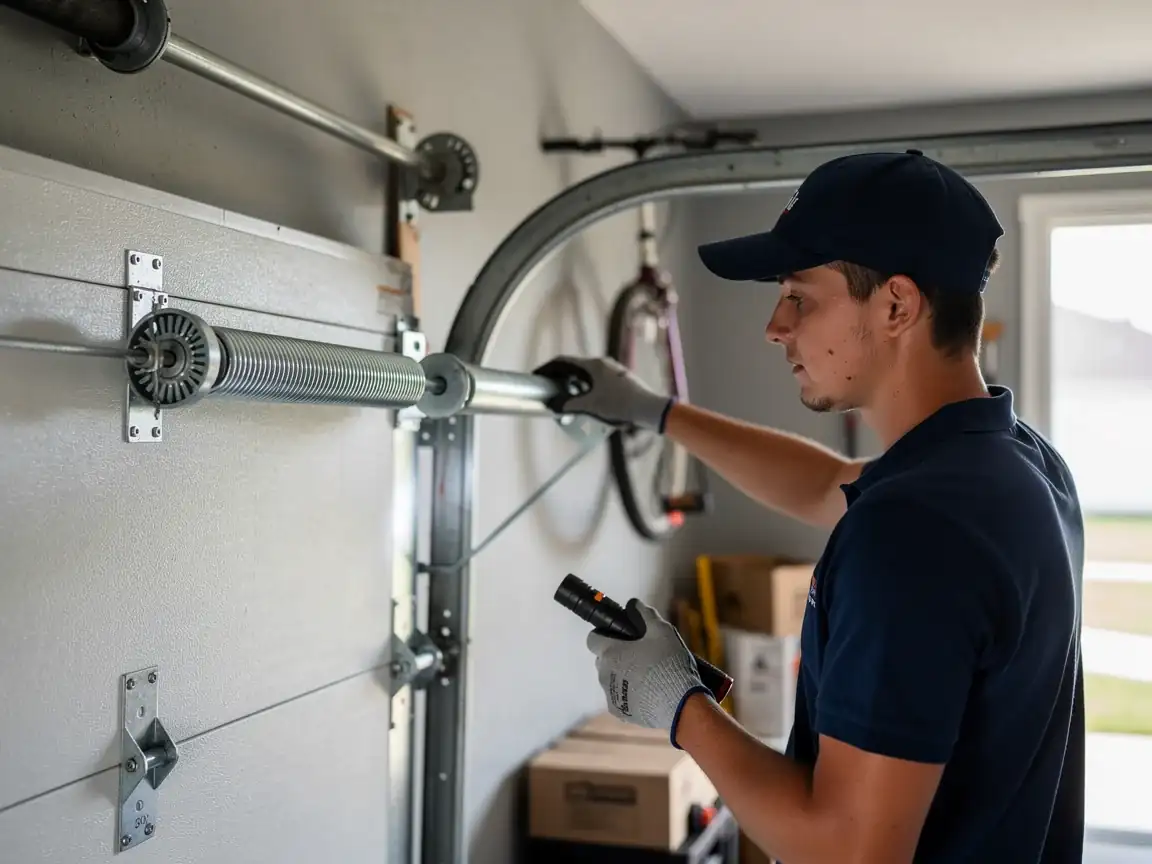
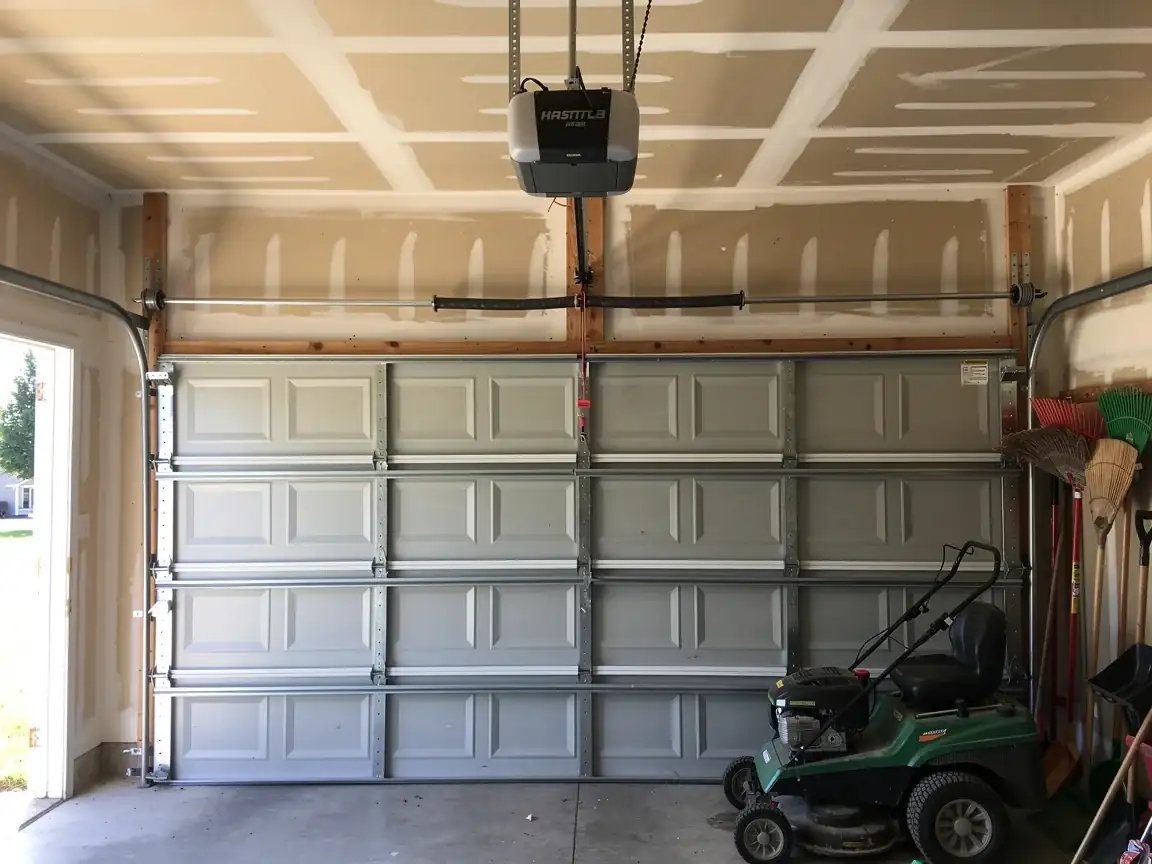
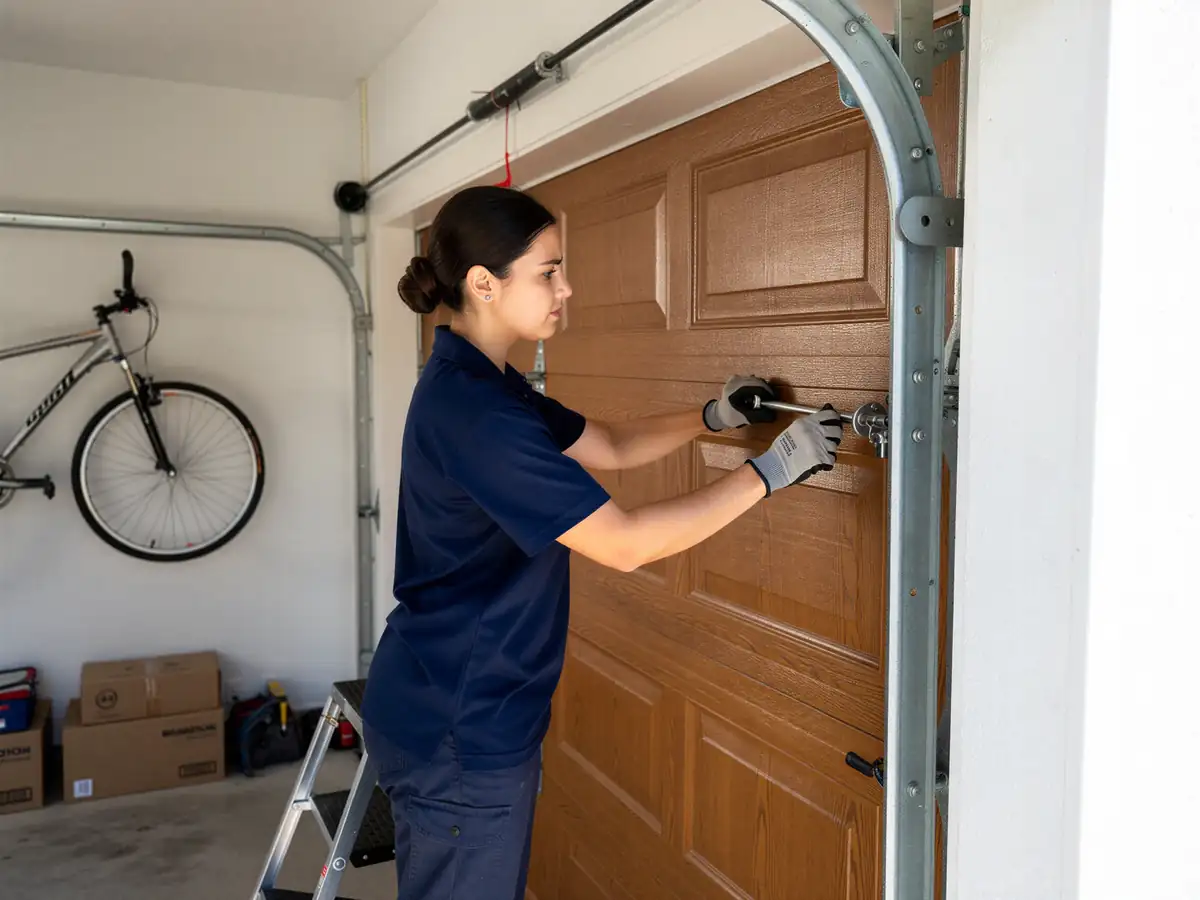
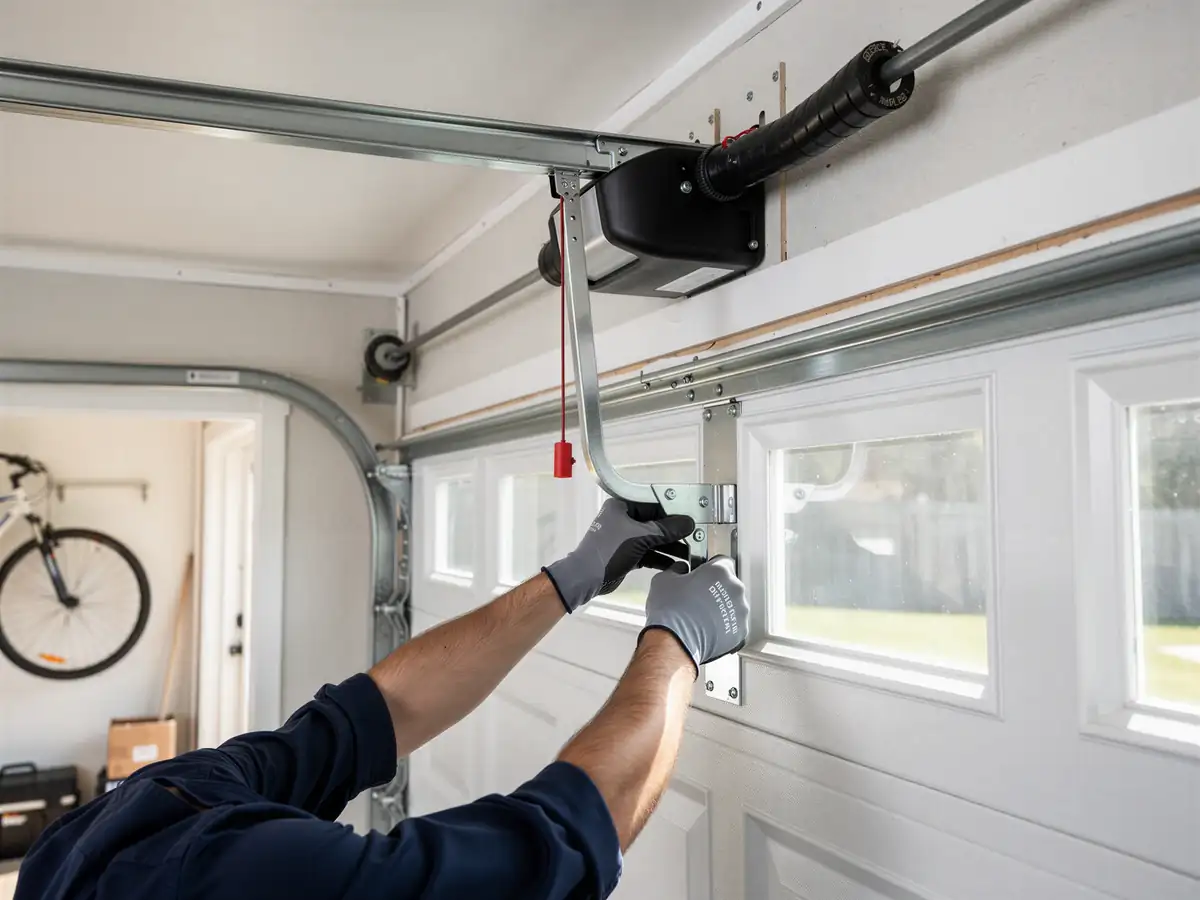
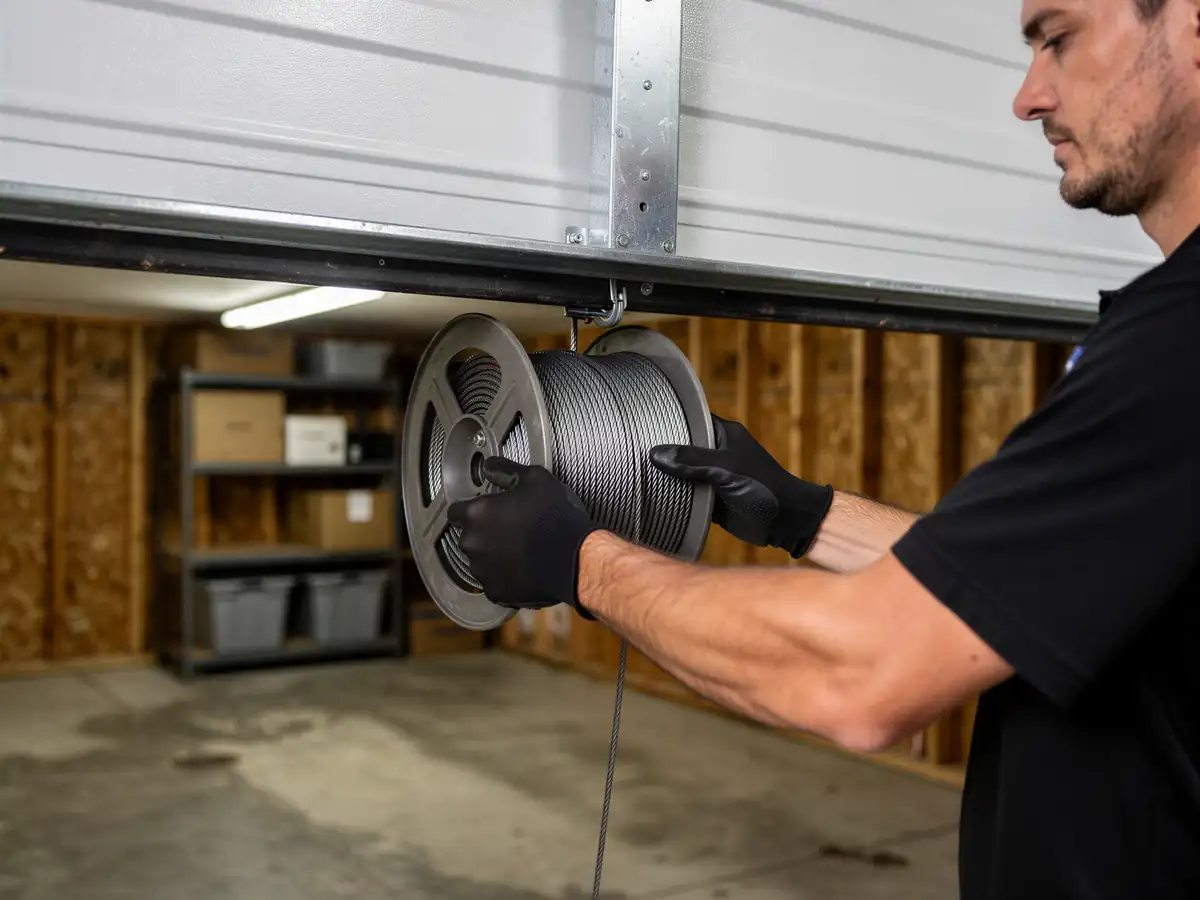
Most Lionville homes went up around 1980, later than the 1960 median for the broader area. That means steel sectional doors on torsion or extension springs, factory-built opener brackets, and galvanized hardware that's now pushing 40+ years old in a lot of houses. The truck carries torsion springs in common residential sizes, nylon and steel rollers, lift cables, and lubricant rated for cold-weather swings, plus the sockets and winding bars that torsion work actually requires. We don't carry every obsolete part for 1930s-60s one-piece doors here the way we might for older pockets of the territory - Lionville's stock is more uniform than that.
How Long It Takes
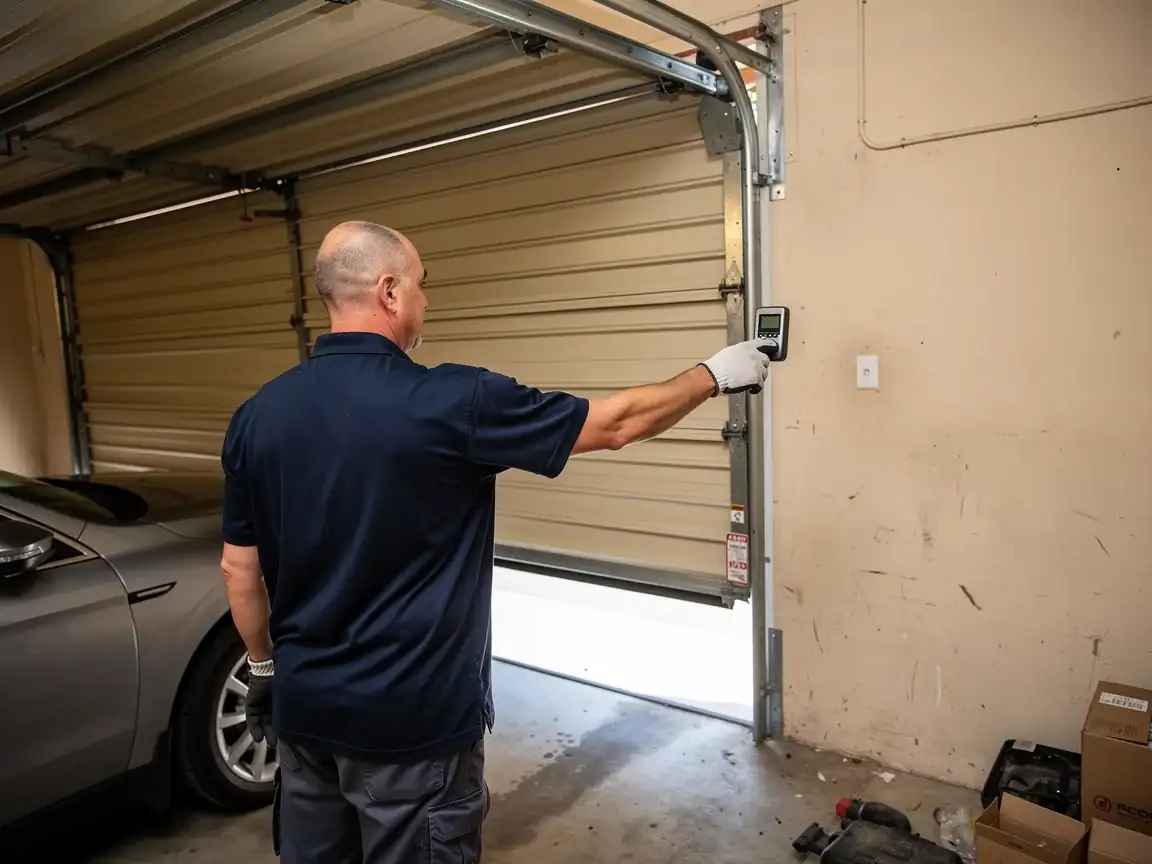
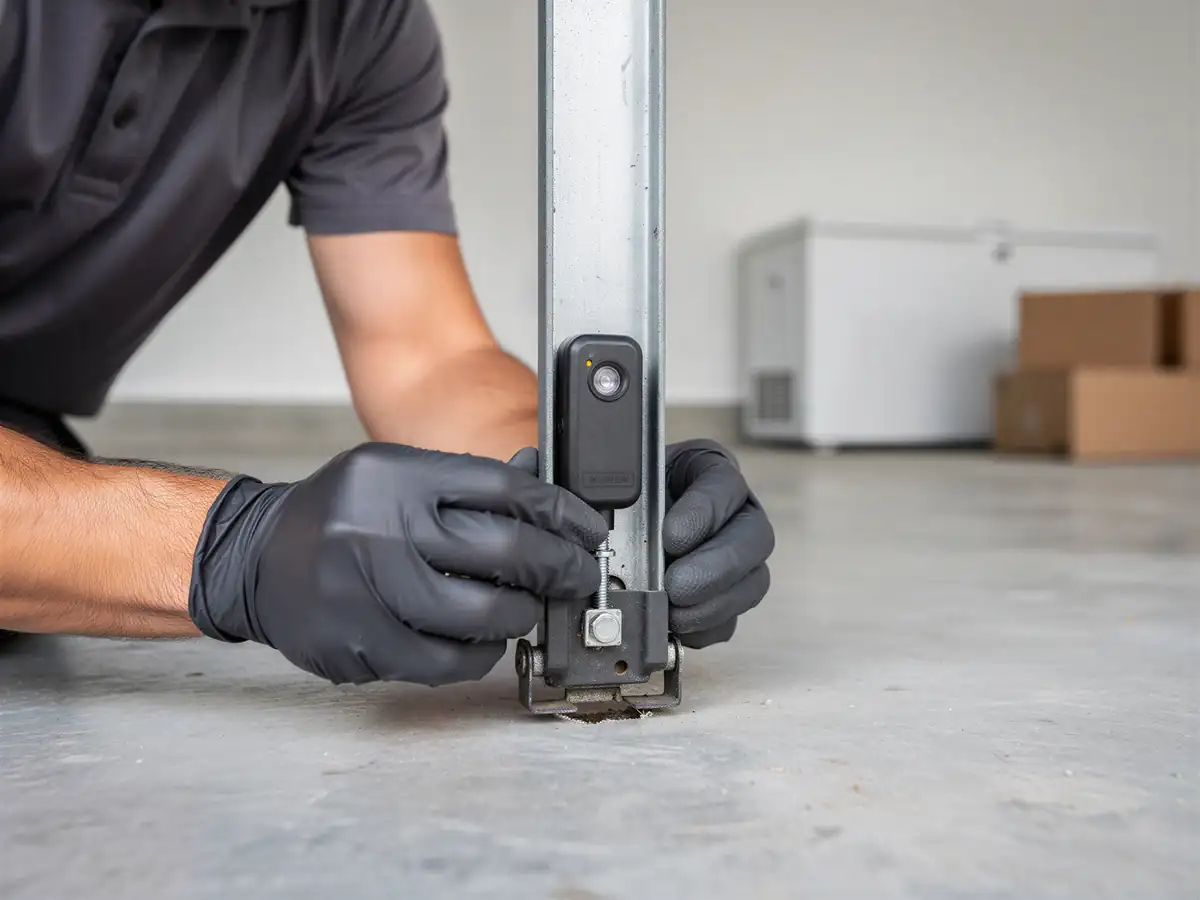
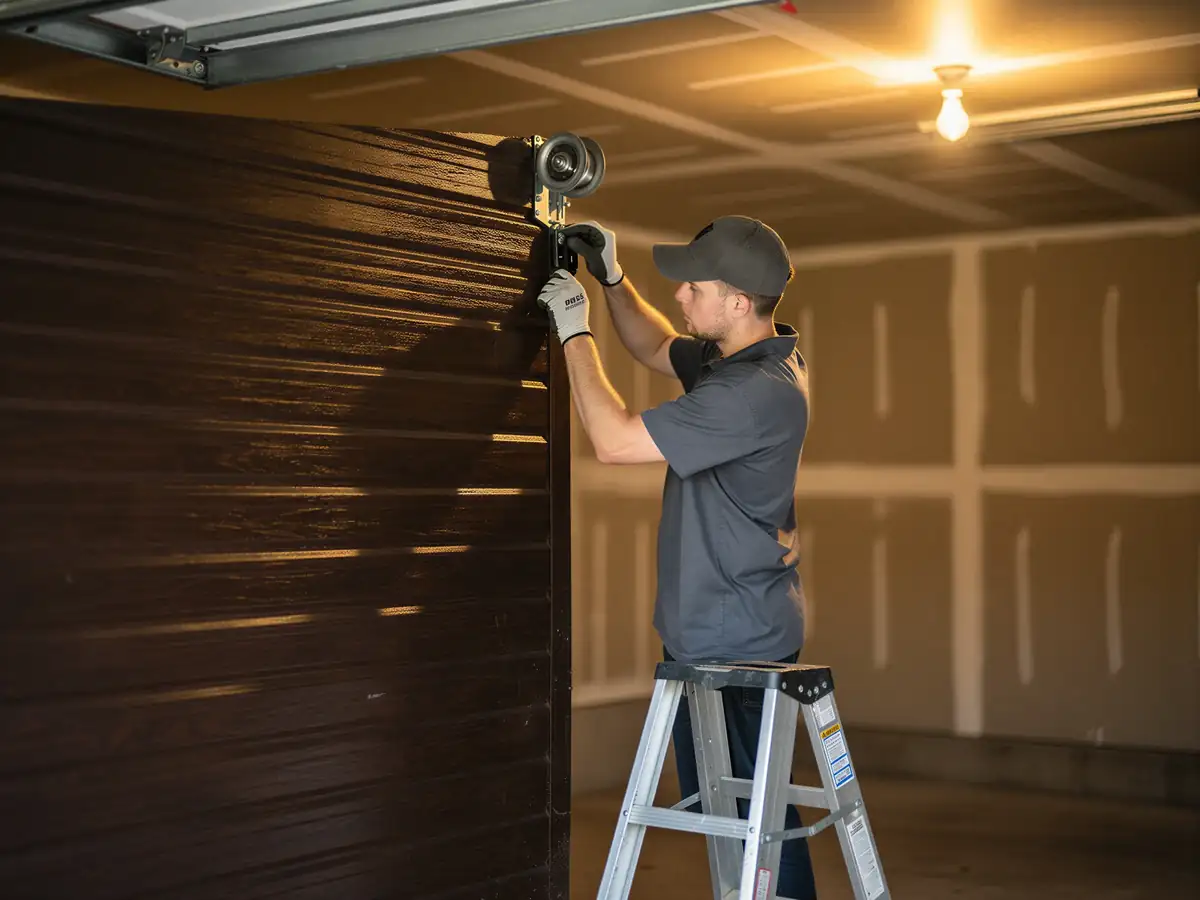
A standard maintenance visit - spring check, track alignment, roller and hinge inspection, opener force and safety-reversal test, hardware tightening - runs about the same length of time here as anywhere in the service area, since the work itself doesn't change much with the town. What does shift slightly is how often a given Lionville door needs more than routine maintenance. Homes built closer together in age, like this town's 1980 median, tend to hit certain failure points around the same calendar year: openers from the same build era losing their logic boards, springs rated for a certain cycle count wearing out in the same decade.
If the inspection turns up a cracked panel, a spring near the end of its rated life, or opener wiring that's brittle from age, that's a separate conversation and a separate job, not part of the maintenance visit itself. We'll tell you on the spot rather than let it turn into a surprise.
Doing It Yourself
01
Plenty of what keeps a 1980s-era door running is homeowner work
Wiping down and lubricating rollers and hinges twice a year, checking that the auto-reverse safety feature still stops the door on contact, vacuuming track debris, and listening for new noises before they become new problems. None of that requires a torsion spring tool or a service call.
02
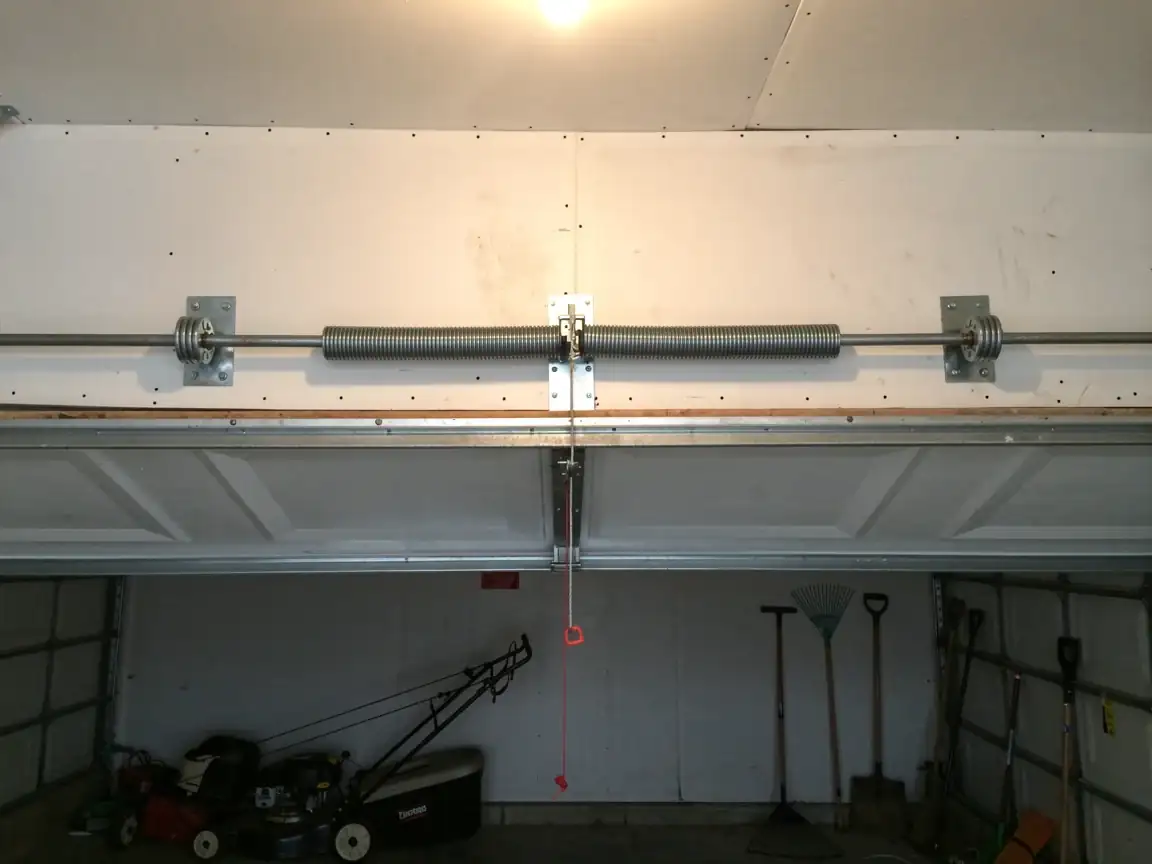
What you shouldn't touch yourself is the torsion spring itself
These doors are old enough now that the springs are original or one replacement cycle in, and a spring under tension that lets go while you're adjusting it can break a wrist or worse. If a cable is frayed, a panel is bent enough to bind the track, or the opener is grinding instead of running smooth, that's a call, not a weekend project. We'd rather talk you through what's safe to do yourself than have you learn the hard way what isn't.
What It Costs
We don't have a flat number to publish here that would hold up honestly across every door in Lionville - a steel sectional with a single torsion spring is a different job than a double door with two springs and a tired opener, and the facts we work from don't include a service-area price list we can quote without guessing. What we can say is that household income in Lionville, at $96,381, runs close to the broader area's $100,000 median, so the jobs that come up here tend to track the same range as the rest of the territory rather than skew toward either end.
If you want an actual number, the honest path is a look at the door in person - age, spring count, and opener condition decide the cost more than the town does.
What Causes It Around Here
The 1980 median build year is the thing to pay attention to in Lionville. A door and opener installed around then, even if replaced once since, is old enough that springs are near or past their rated cycle count, and opener motors from that generation and the next don't have the diagnostic lights newer units do - they just get slower, then louder, then quit. Compare that to older pockets of the service area, built closer to 1938-1960, where the issue is more often a one-piece door on side hardware nobody makes parts for anymore. Lionville mostly skips that problem; it has a different one.
The cold climate across this whole region plays a role too - stiff grease, ice-swollen wood jambs on older frames, and sudden temperature swings that shrink metal tracks just enough to bind a roller. None of that is unique to Lionville, but combined with a housing stock that's mostly one generation old, it adds up to springs and opener gears as the two things that fail first here, more than panels or track.
How it works
From “it’s stuck” to “it’s fixed”
01
Tell us what’s wrong
Describe the symptom - won’t open, loud bang, opener runs but the door won’t move.
02
On-site diagnosis
A technician tests the door under power and by hand and finds what actually failed.
03
Clear, up-front plan
You get the fix that’s needed and what drives the cost - before any work starts.
04
Repaired & tested
The repair is done, the door is set true and tested, and the work area left clean.
Not sure which repair your door needs in West Chester, PA? Describe what it’s doing - every job starts with a diagnosis.
Straight answers about garage door repair in West Chester. Still unsure? Ask us directly.
How often should a Lionville garage door get serviced?
Once a year is standard for most doors, twice a year if the door gets heavy daily use. Given that most homes here date to around 1980, an annual check catches spring wear and opener fatigue before they turn into a stuck door on a cold morning.
Do you have a shop in Lionville?
No - we're based in West Chester, about 7 miles south, and travel out to Lionville and the surrounding towns for maintenance and repair calls. There's no local branch or depot here.
Why does my opener from the 1990s still work but feel slow?
Openers from that era were built to run, not to self-diagnose. A slow, grinding motor usually means the gear or drive system is wearing out, not failing outright. It's worth having it checked before it stops mid-cycle.
Is my torsion spring something I can replace myself?
No. Torsion springs hold significant tension and letting one go while working on it can cause serious injury. This is one job we'd always tell you to leave to a trained tech, regardless of how handy you are with other home repairs.