Do you have a shop or office in Downingtown?
No. We're based in West Chester and drive the roughly 6 miles out to Downingtown for every job. There's no local depot, so scheduling is built around that drive rather than a walk-in counter.
Downingtown has 3,510 households and houses built mostly in the 1960s. We drive out from West Chester to fix the springs, openers, and tracks that era throws at us.
Downingtown is a smaller slice of the territory we cover from West Chester - 3,510 households, not the full 162,229 across the service area. That size matters: it means the truck isn't guessing at what a neighborhood needs, because the housing here runs narrow in age. Median year built is 1964, which puts most garage doors and openers in the same generation of hardware.
We stock torsion springs sized for the single and double doors that went into houses built in that window, along with the roller and cable hardware that matches side-mounted torsion setups from the era. Extension spring conversions still turn up in homes that never got upgraded, and we carry the drums and cables for those too.
Opener boards are the other half of the truck. A house built in 1964 has usually been through two or three openers since, so we carry logic boards and belt/chain drive kits across several brands rather than betting on one. What we don't carry is anything exotic - if a door needs a part we don't stock, we say so up front and get it ordered rather than padding the invoice with a workaround.
We cover Downingtown from our West Chester base, about 6 miles out. There's no branch or drop-off point in town - a technician drives in, does the job, and drives back. That's true of every town we reach this way, but it means the time slot you get is built around the drive, not around a local queue.
Booking works the same whether the job is a snapped spring or a full door swap: tell us what the door is doing (or not doing), give us the make if you know it, and we schedule a truck with the right stock already loaded based on what houses in this part of the county typically need. If you're not sure what's wrong, that's fine - a seized opener and a broken spring often look identical from the kitchen, and we sort out which on arrival.
Houses here cluster around 1964, which means a lot of doors are on their second or third opener but still running original or near-original track and spring hardware. That mismatch causes real problems: a modern opener bolted to a track that's sagged half an inch over sixty years will strain the motor and trip the safety sensors, and the owner usually blames the opener.
That doesn't change what a job costs, but it does shape the calls we get - more requests to repair a part than replace the whole door, and more questions about whether a cheaper fix will actually hold. Sometimes it will. A worn roller or a bent hinge is a real repair. A track that's rusted through from fifty winters of road salt runoff usually isn't, and we'll tell you that instead of billing for a patch that fails in a year.
Lubricating rollers and hinges, tightening loose bolts on the track brackets, and testing the auto-reverse safety feature are all fine to do yourself, and worth doing a couple times a year regardless of the house's age. None of that requires a call.
What we don't recommend touching: torsion springs, period. On a door from the 1960s stock common in Downingtown, the spring is often original-spec and under enough tension to cause serious injury if it lets go while you're working on it. Cable replacement carries the same risk since it's tied to the same tensioned system. If the door is binding, slow, or making a grinding noise on the track, that's a call, not a weekend project.

Describe the symptom - won’t open, loud bang, opener runs but the door won’t move.
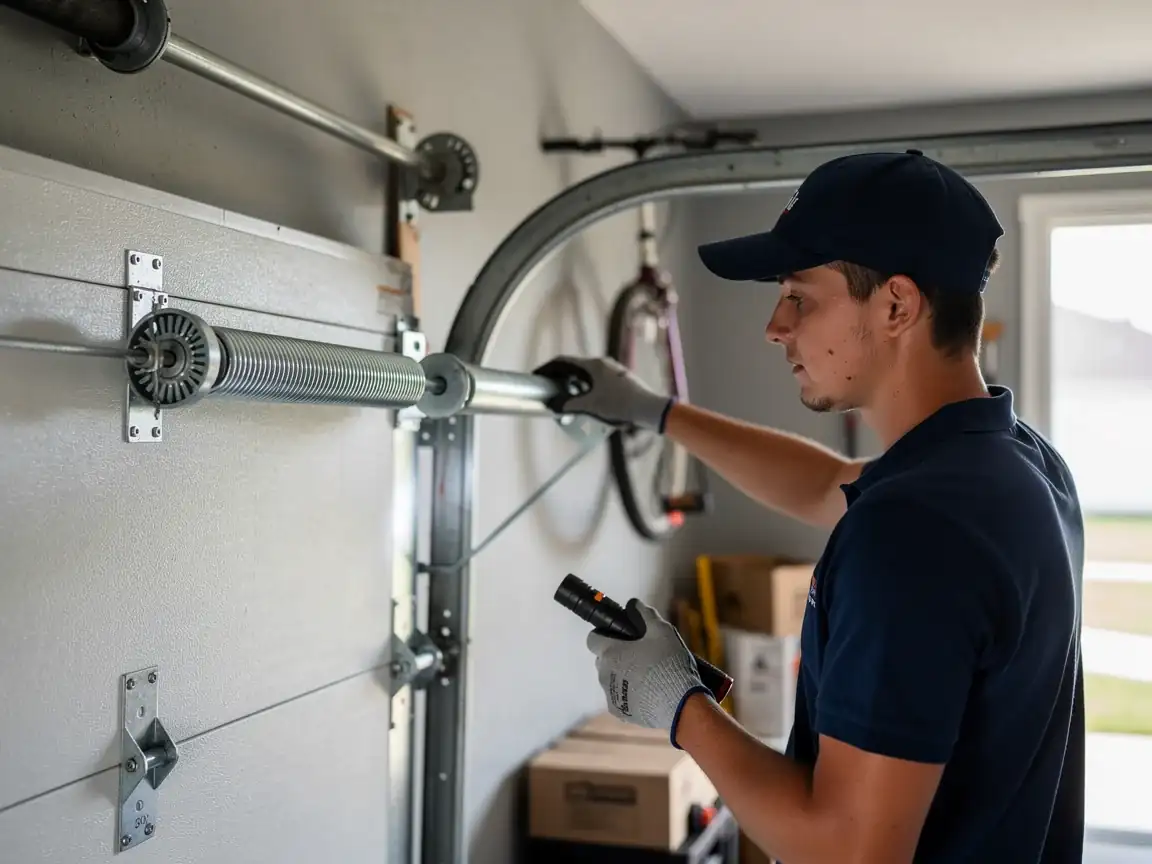
A technician tests the door under power and by hand and finds what actually failed.
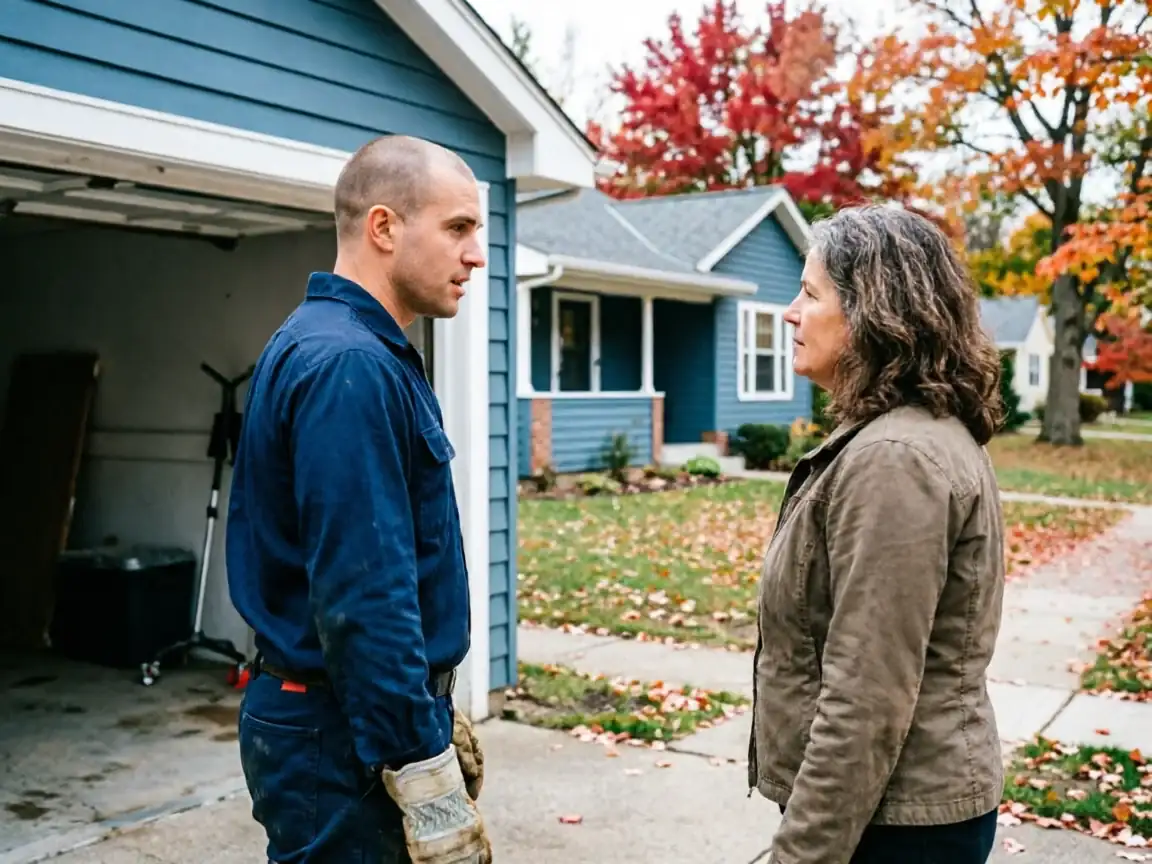
You get the fix that’s needed and what drives the cost - before any work starts.
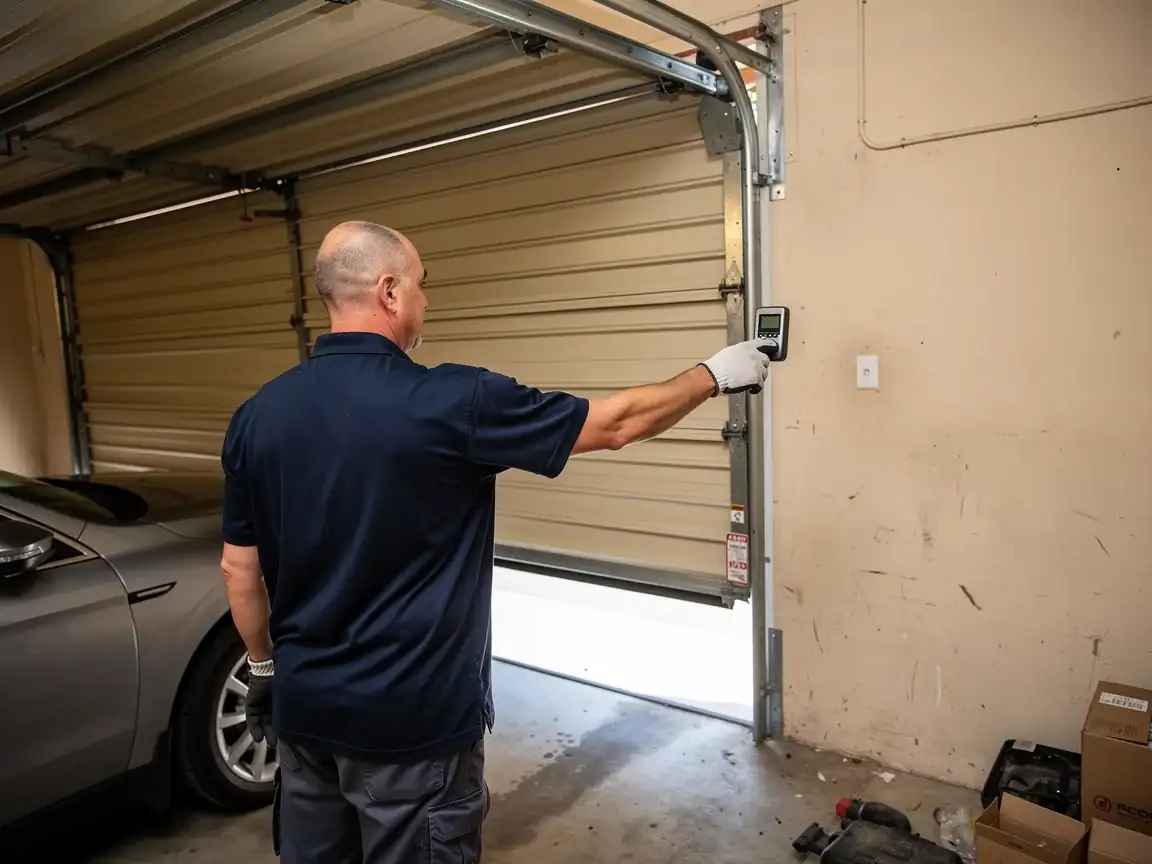
The repair is done, the door is set true and tested, and the work area left clean.
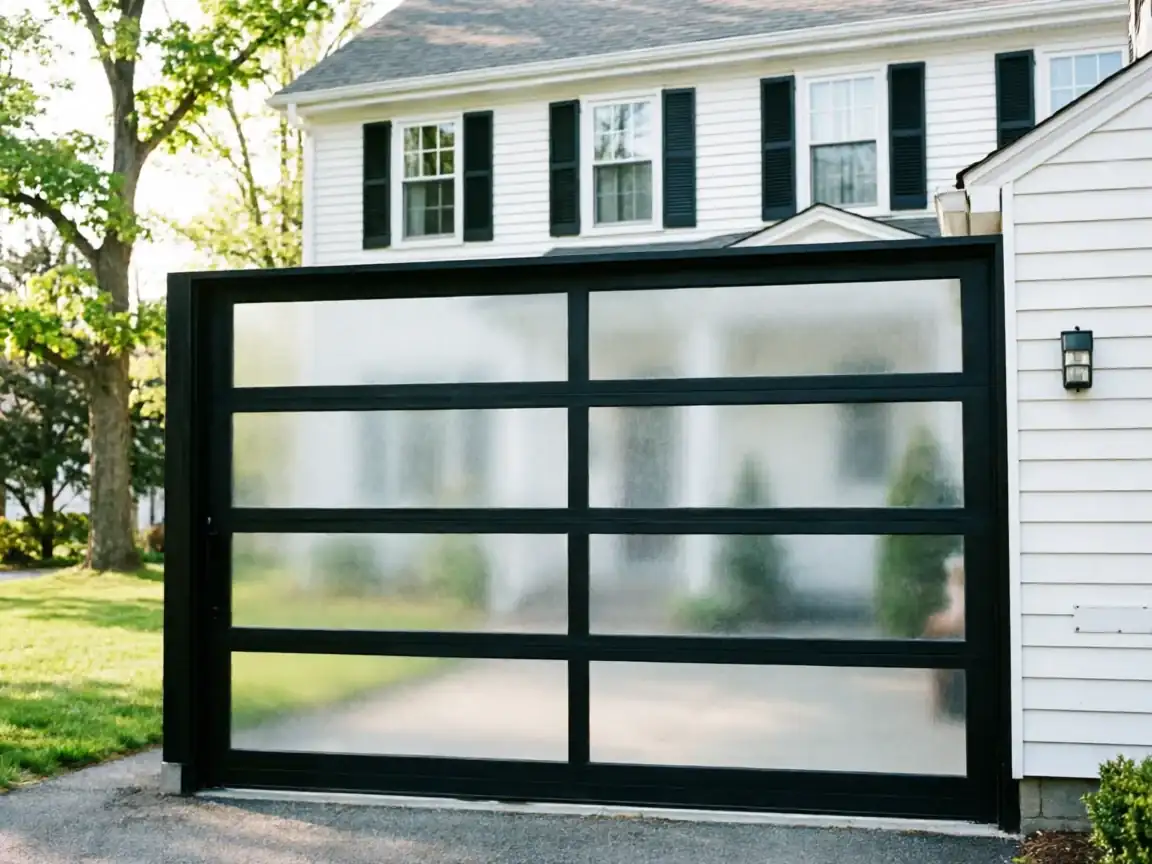
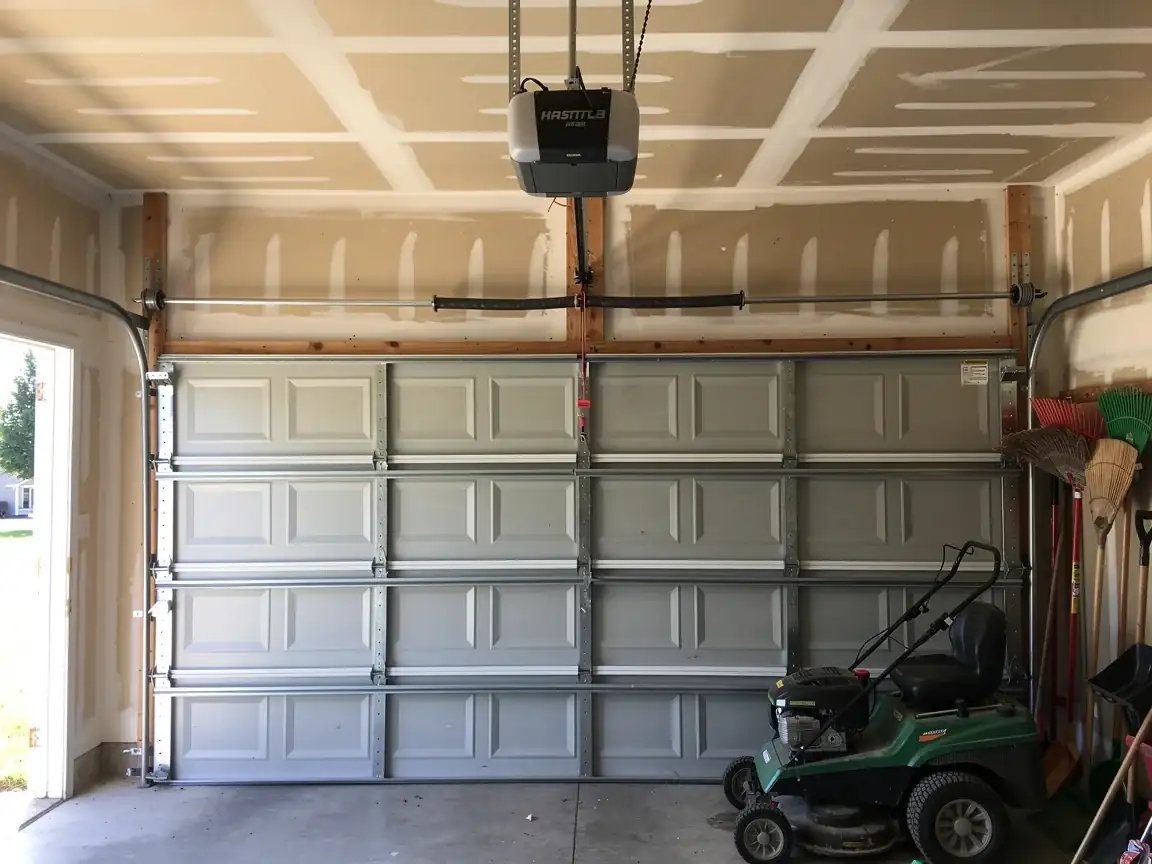
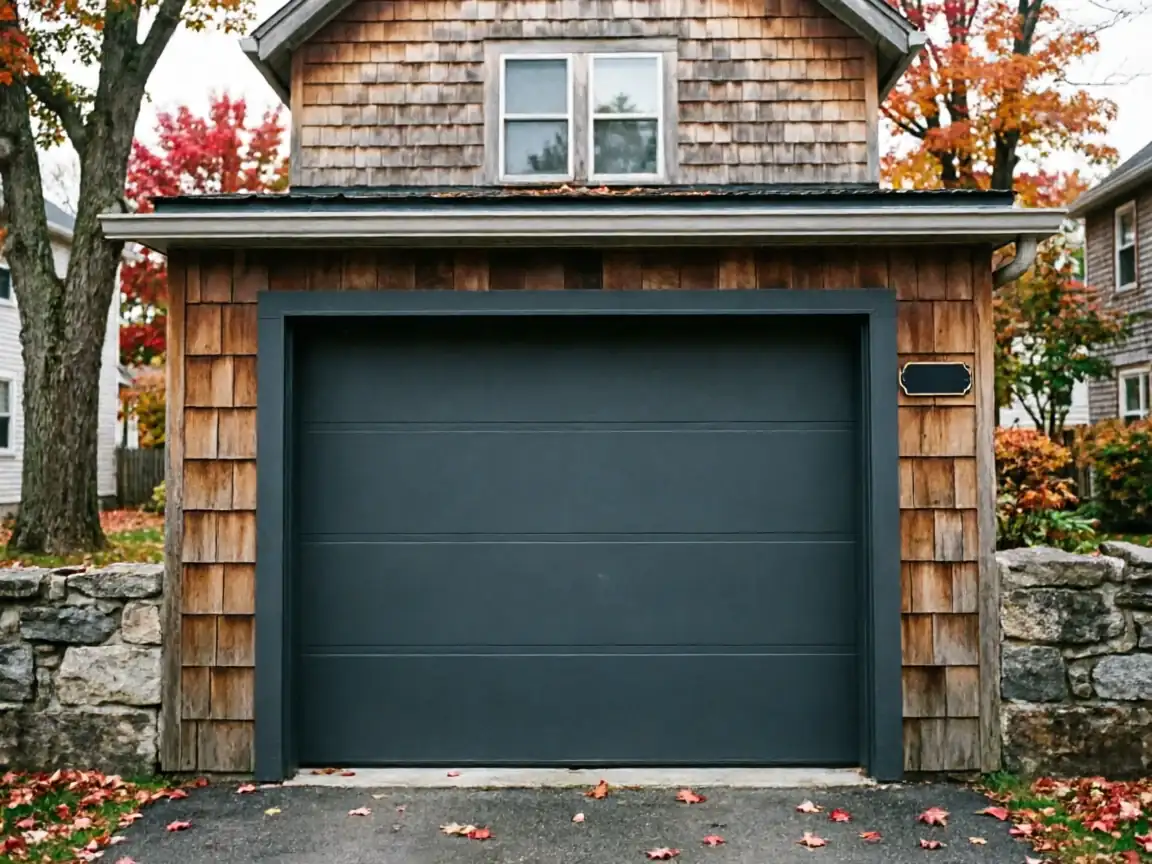
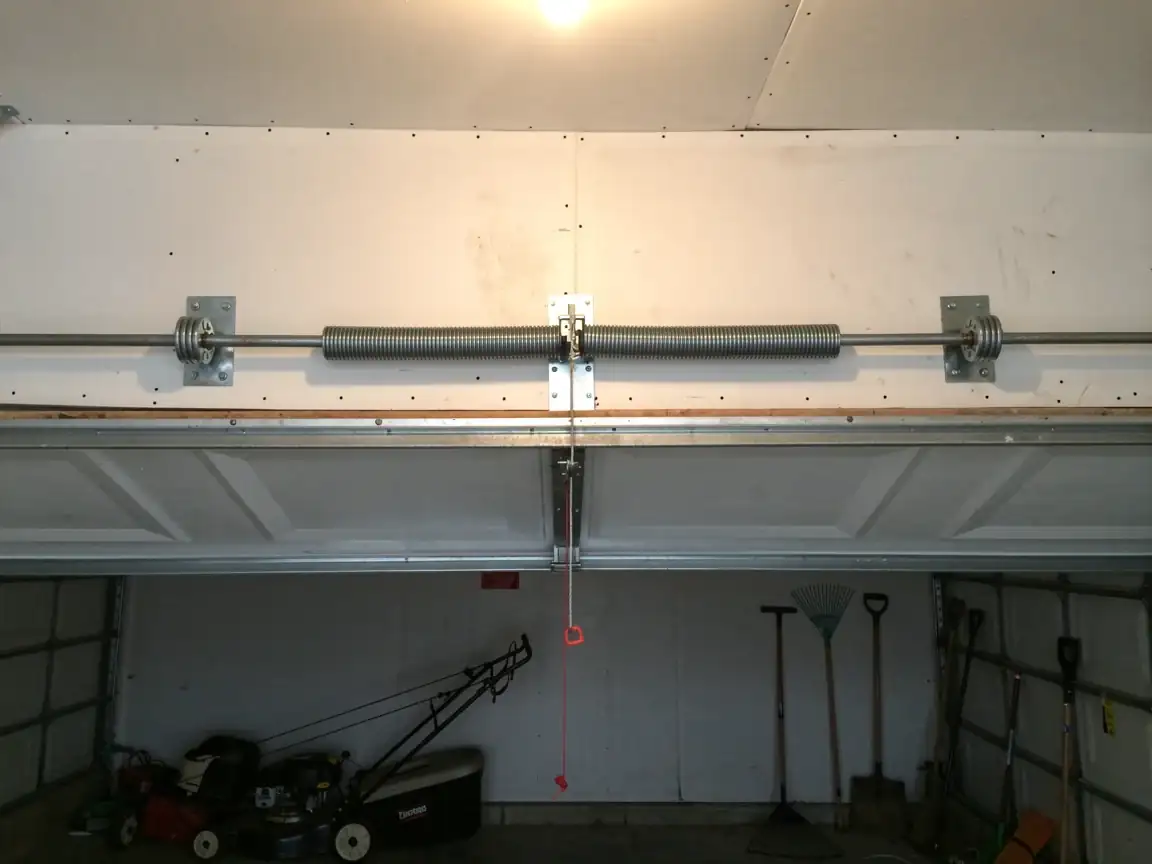
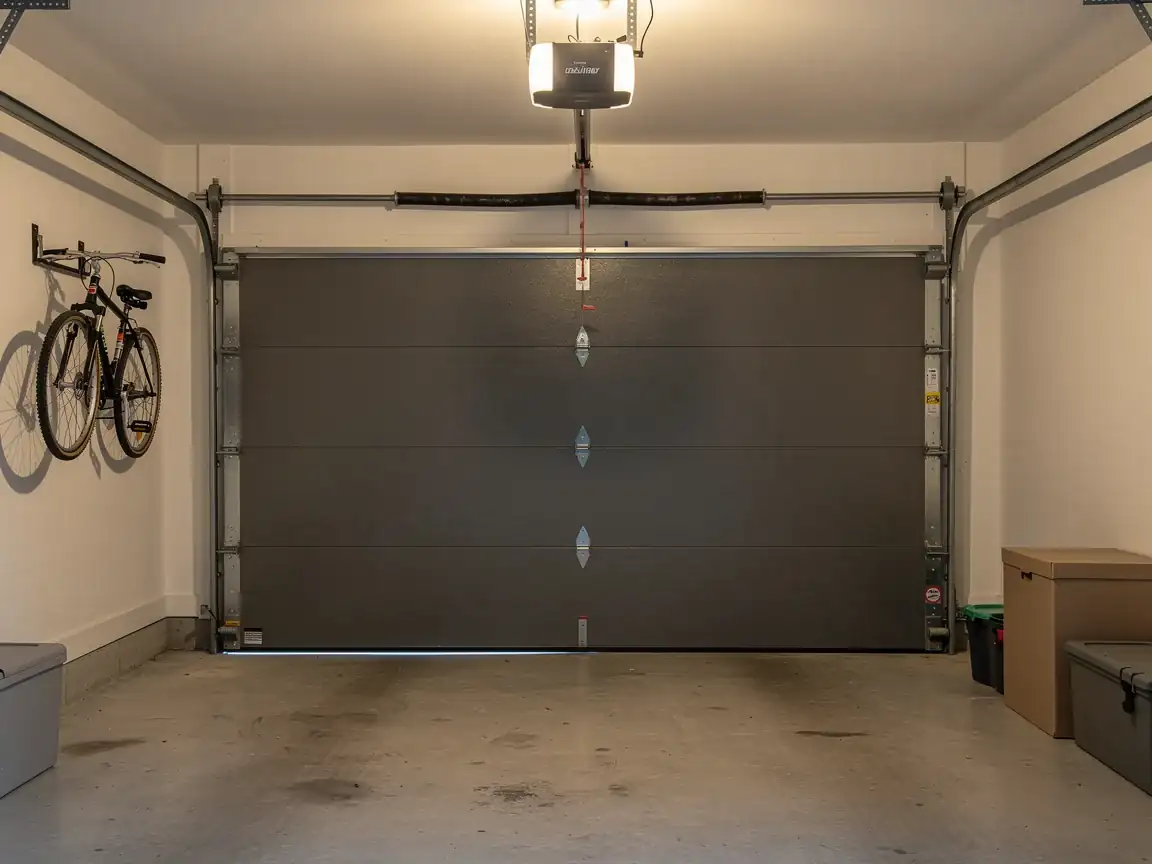
Illustrative styles - sectional, insulated steel, carriage, and commercial doors.
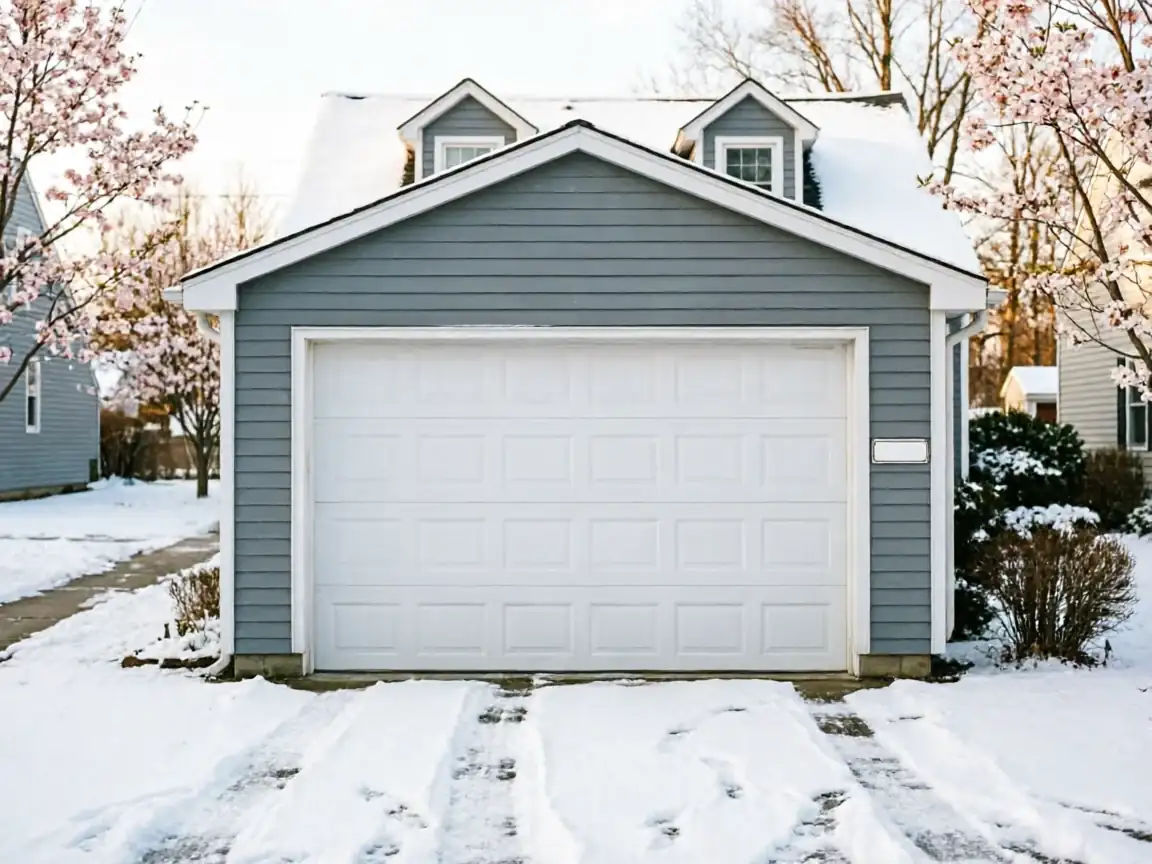
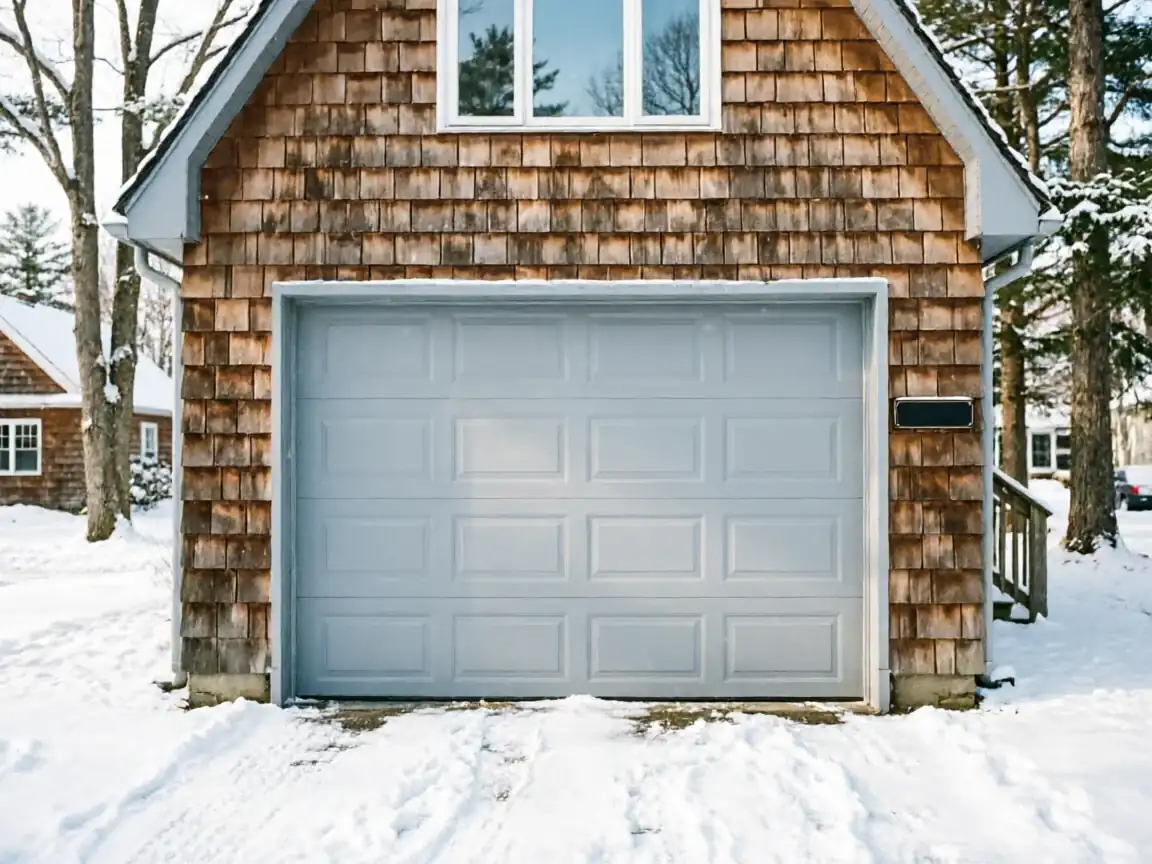
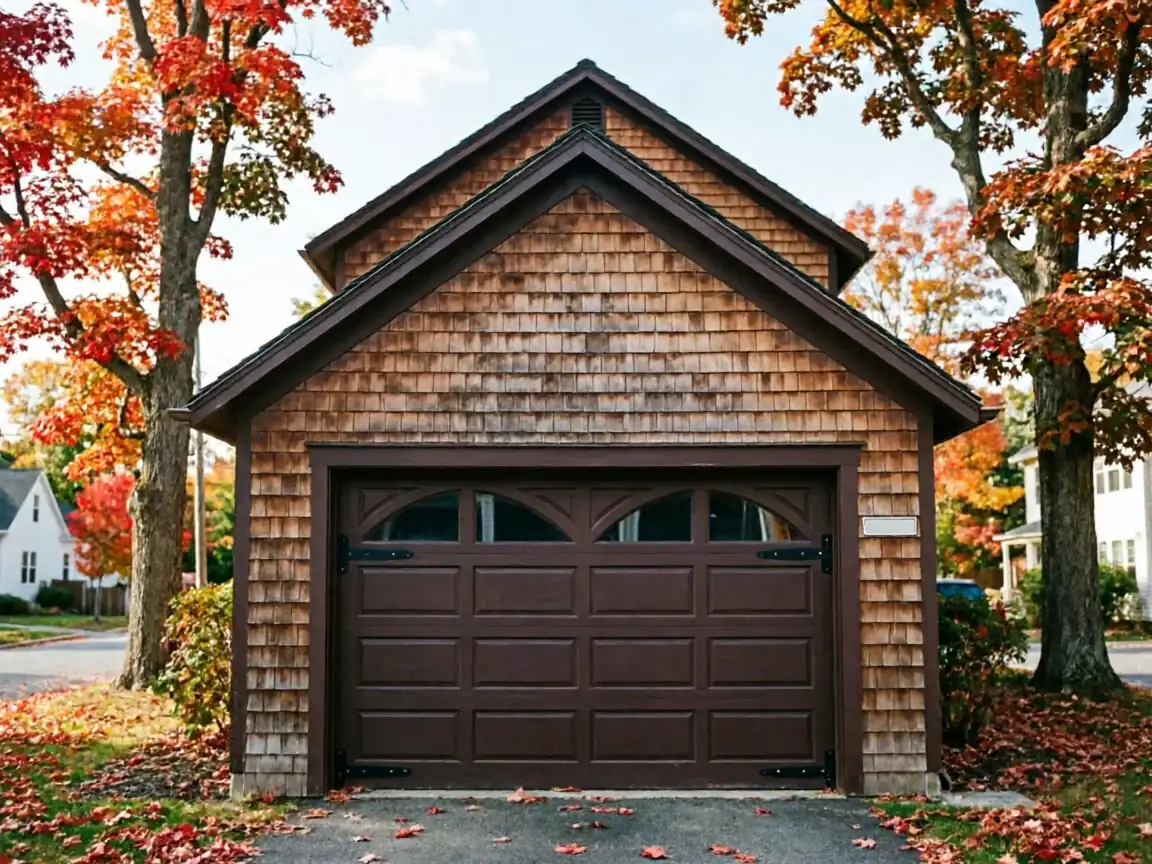
Other work we do for Downingtown homes - each page covers that job for Downingtown specifically.
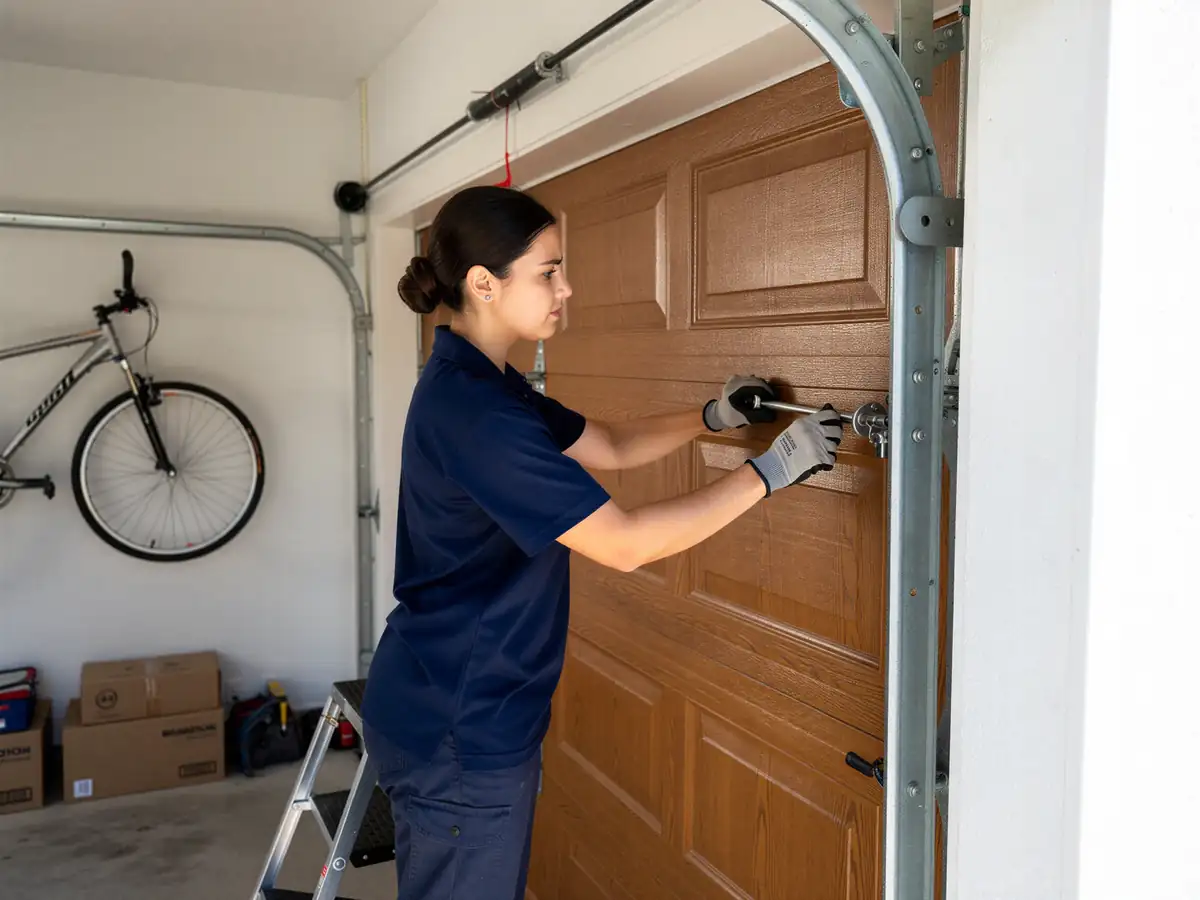
Six miles from our shop, Downingtown's 1960s housing stock means specific spring and track failures. Here's what the truck carries and how booking works.
Learn more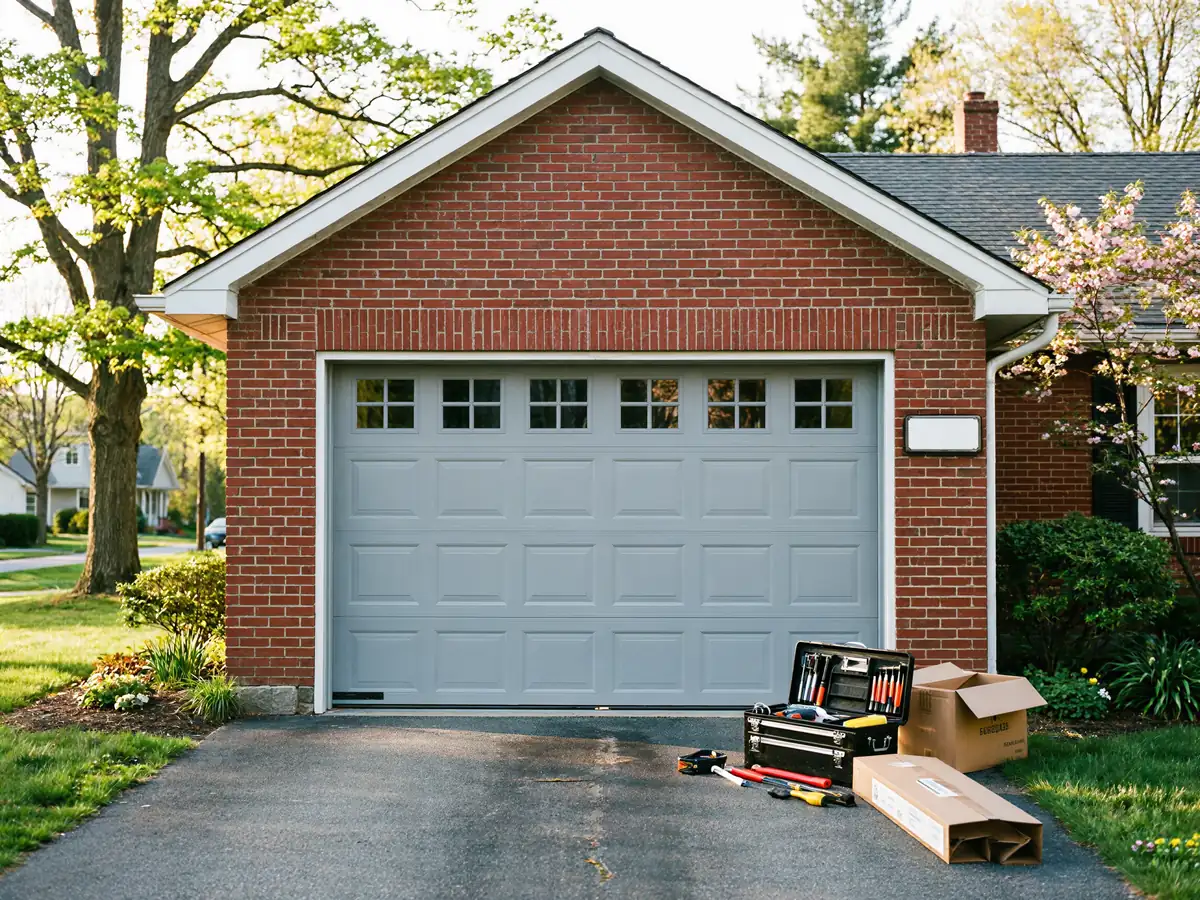
New garage door installation for Downingtown homes built around 1964. What the West Chester truck carries, how the repair-or-replace math works at local income levels, and what to expect.
Learn more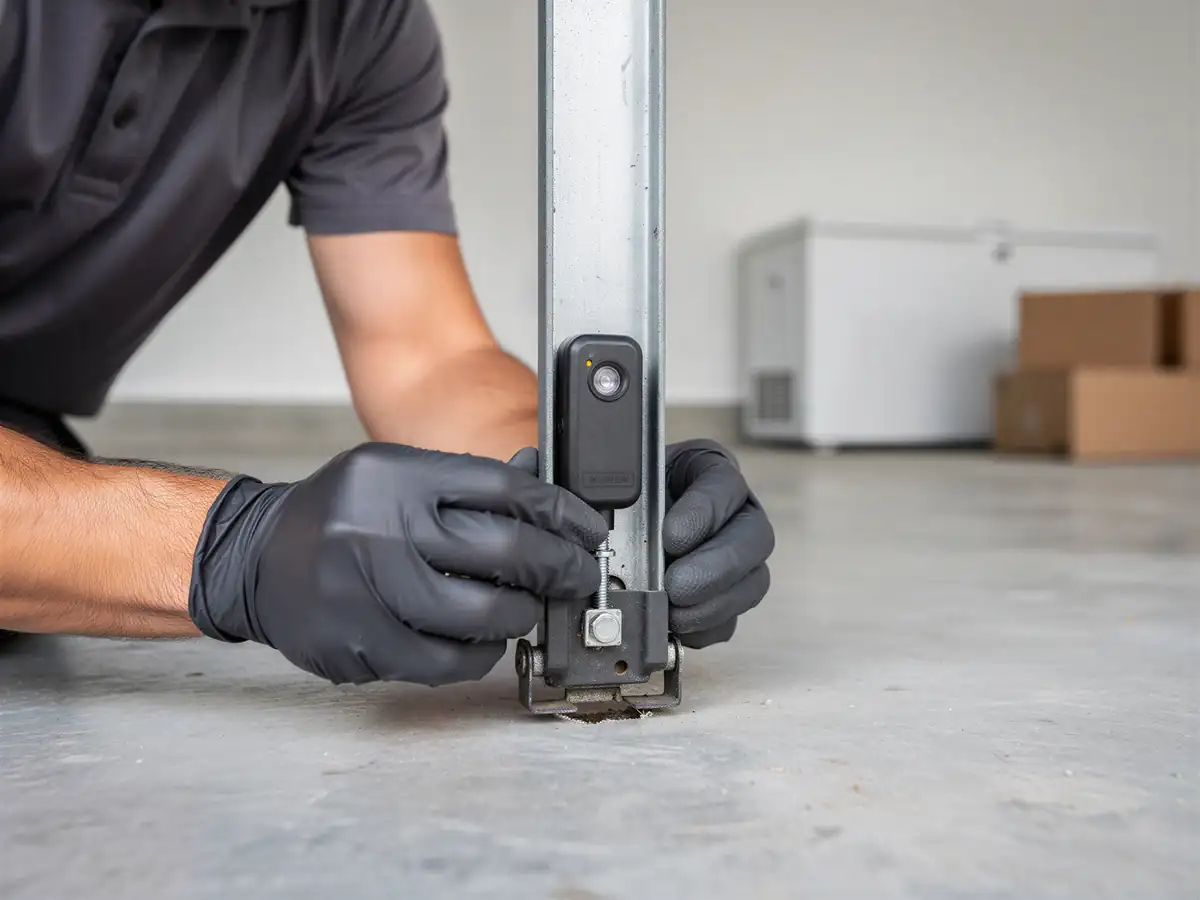
Opener repair for Downingtown's 1960s-era garage doors - chain-drive units, aging logic boards, and retrofit safety eyes. Service from our West Chester crew, 6 miles out.
Learn more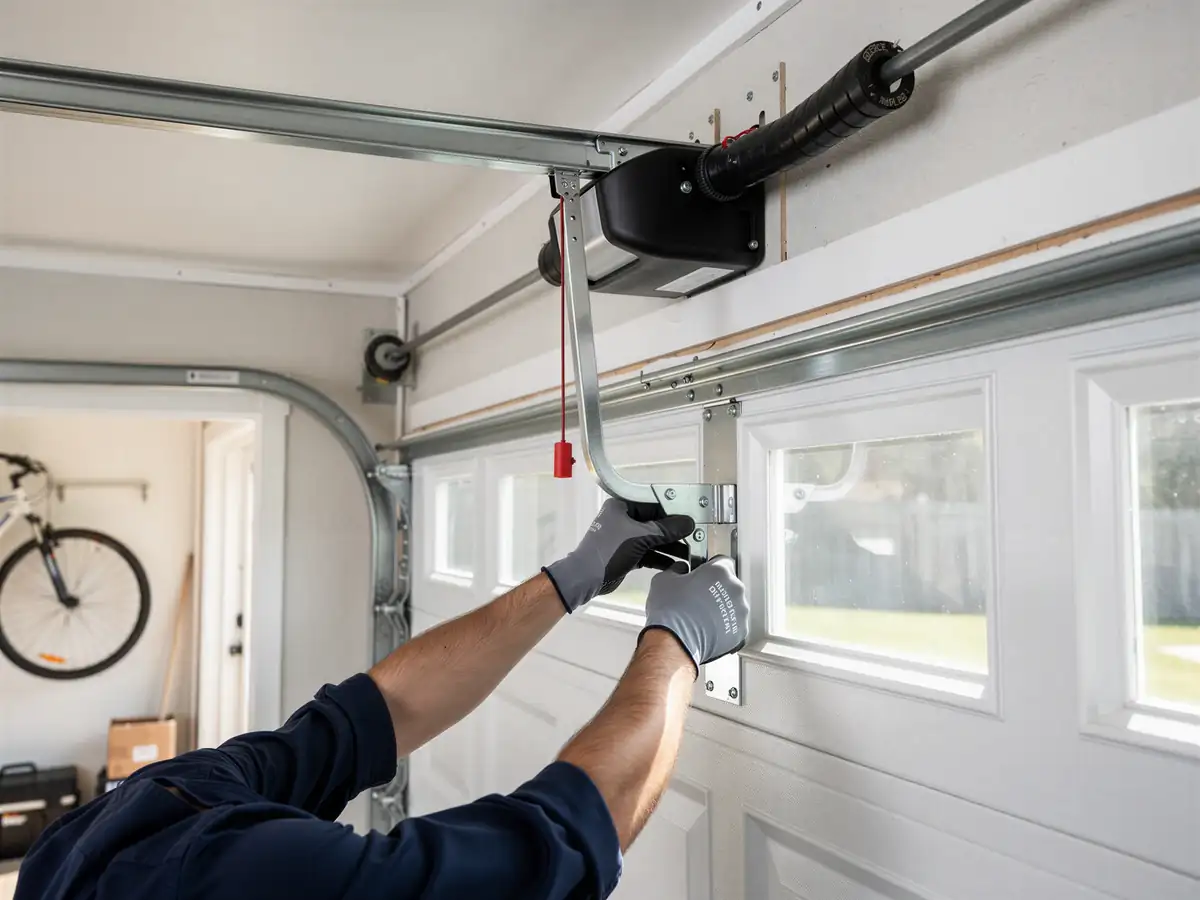
Opener installs for Downingtown's 1960s housing stock. Original hardware, cold-climate strain, and what a 6-mile trip from West Chester actually covers.
Learn more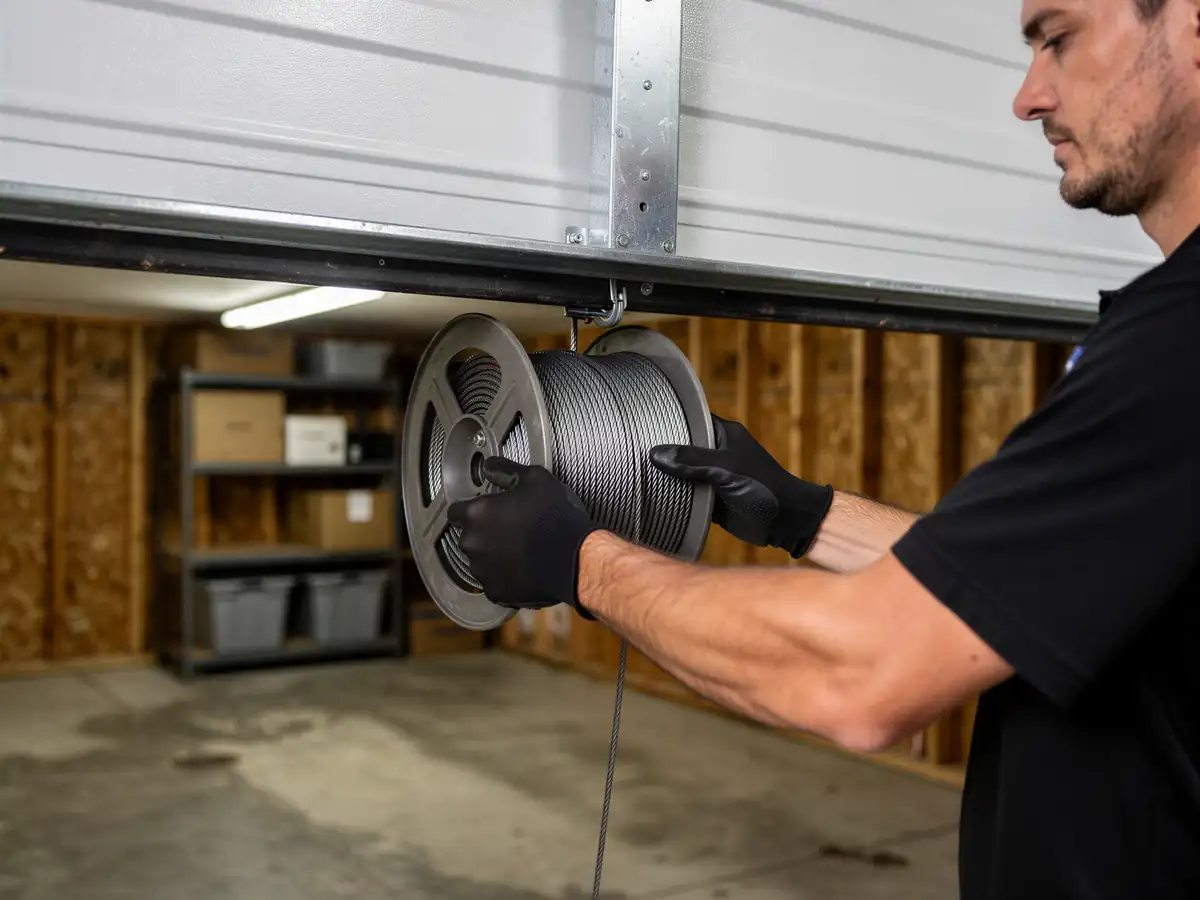
Downingtown's garage doors run a few years newer than the service area norm. We cover frayed and snapped cables here, six miles out from West Chester.
Learn more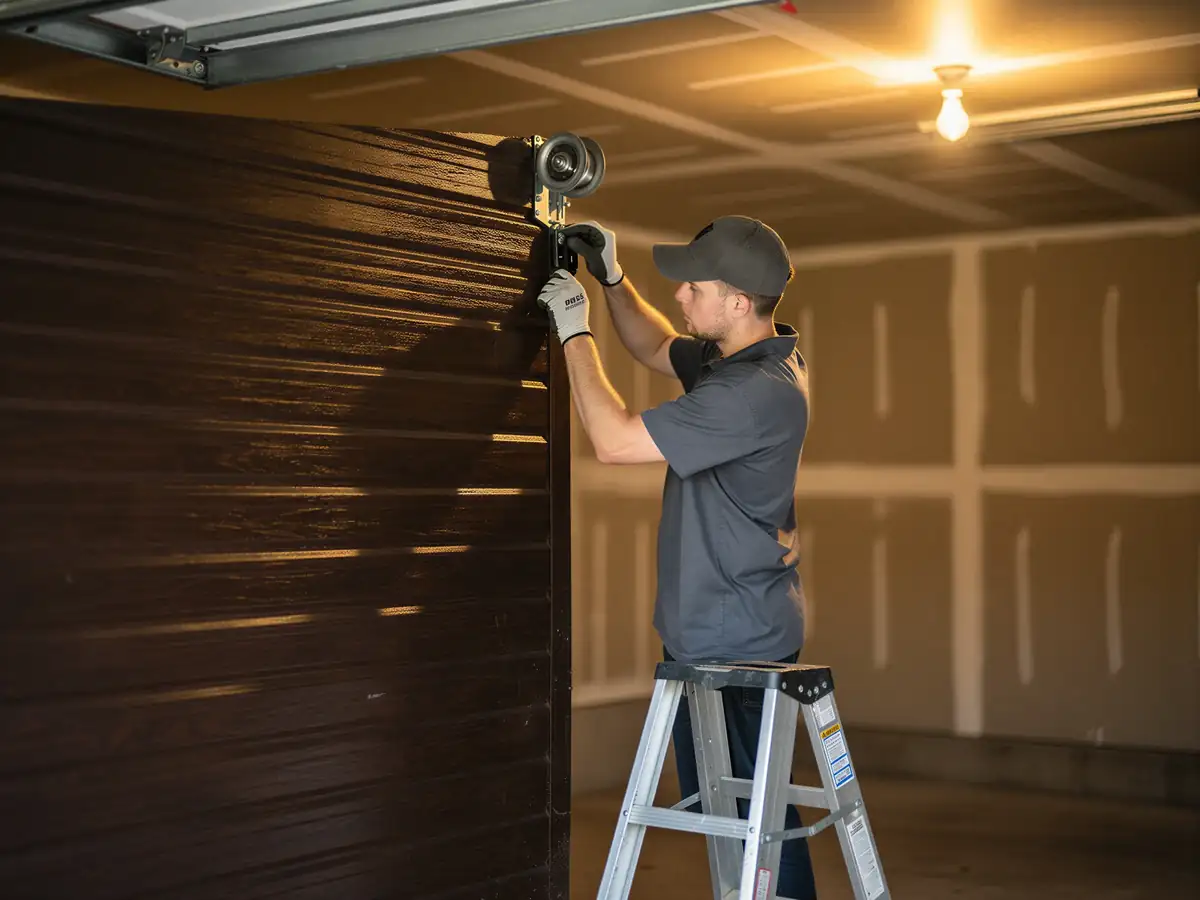
Downingtown homes built around 1964 still run steel rollers on bare steel track. We bring sealed nylon rollers out from West Chester, 6 miles away, and swap them same visit.
Learn more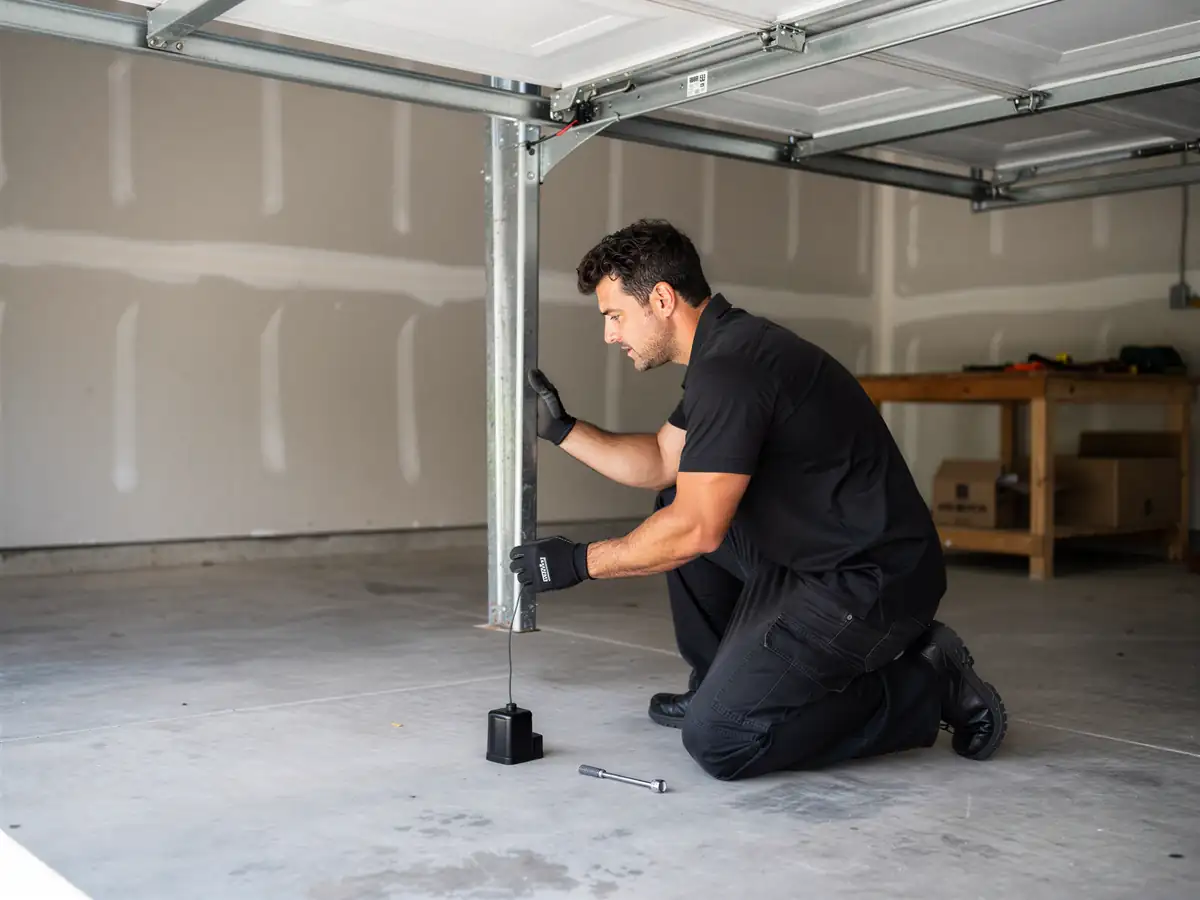
Downingtown homes built around 1964 run original-era hardware well past its service life. West Chester Garage Door Pros drives 6 miles out to tune up what that housing stock needs.
Learn moreStraight answers about garage door repair in West Chester. Still unsure? Ask us directly.
No. We're based in West Chester and drive the roughly 6 miles out to Downingtown for every job. There's no local depot, so scheduling is built around that drive rather than a walk-in counter.
Most houses in town went up around 1964, so a lot of the original torsion and extension spring setups from that era are still in place, sometimes under openers that have been replaced two or three times since.
Depends on what's failing. A worn roller or loose hinge is a straightforward repair. A track rusted through after decades of winters usually isn't worth patching - replacement ends up cheaper over time. We'll tell you which one you're looking at.
We don't recommend it. Torsion springs hold a lot of stored tension, and that doesn't change based on the age of the door. It's one of the few jobs on a garage door that's genuinely dangerous to do without the right bars and experience.
Tell us what it’s doing and where you are in West Chester - we’ll take it from there.