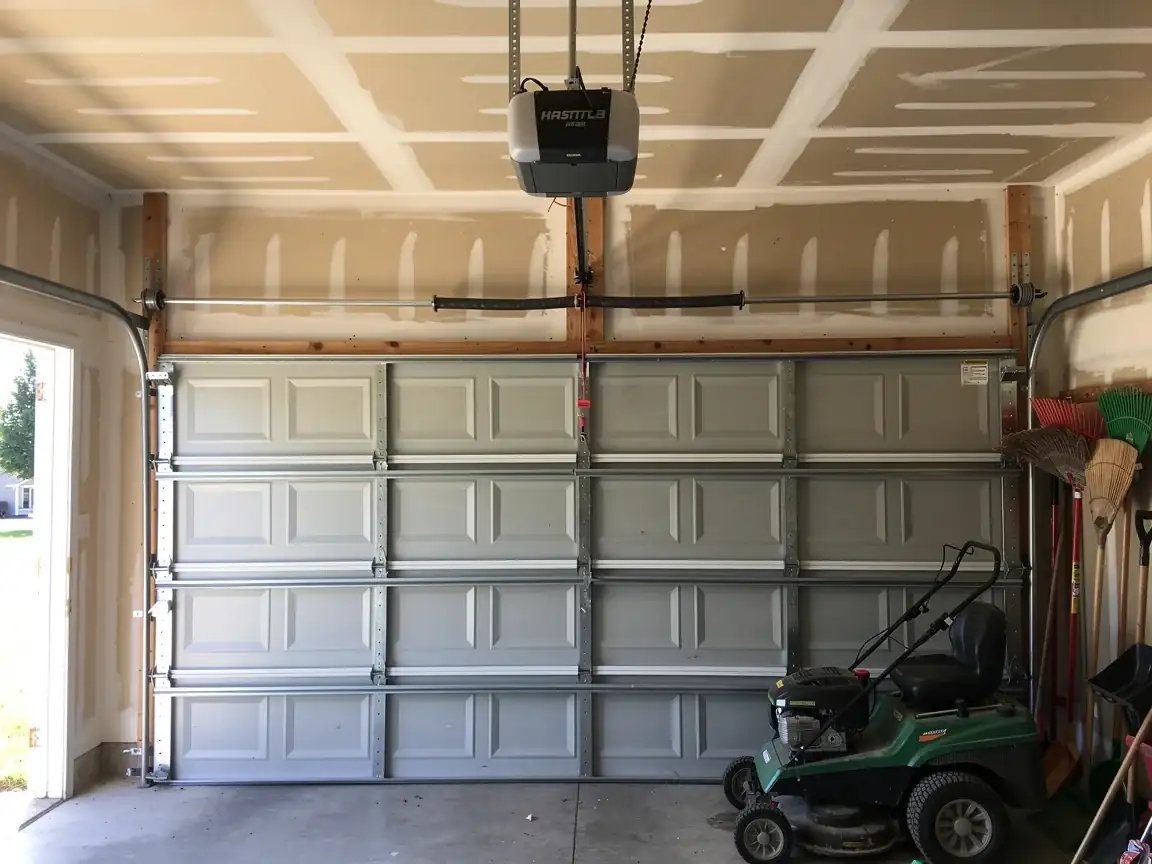
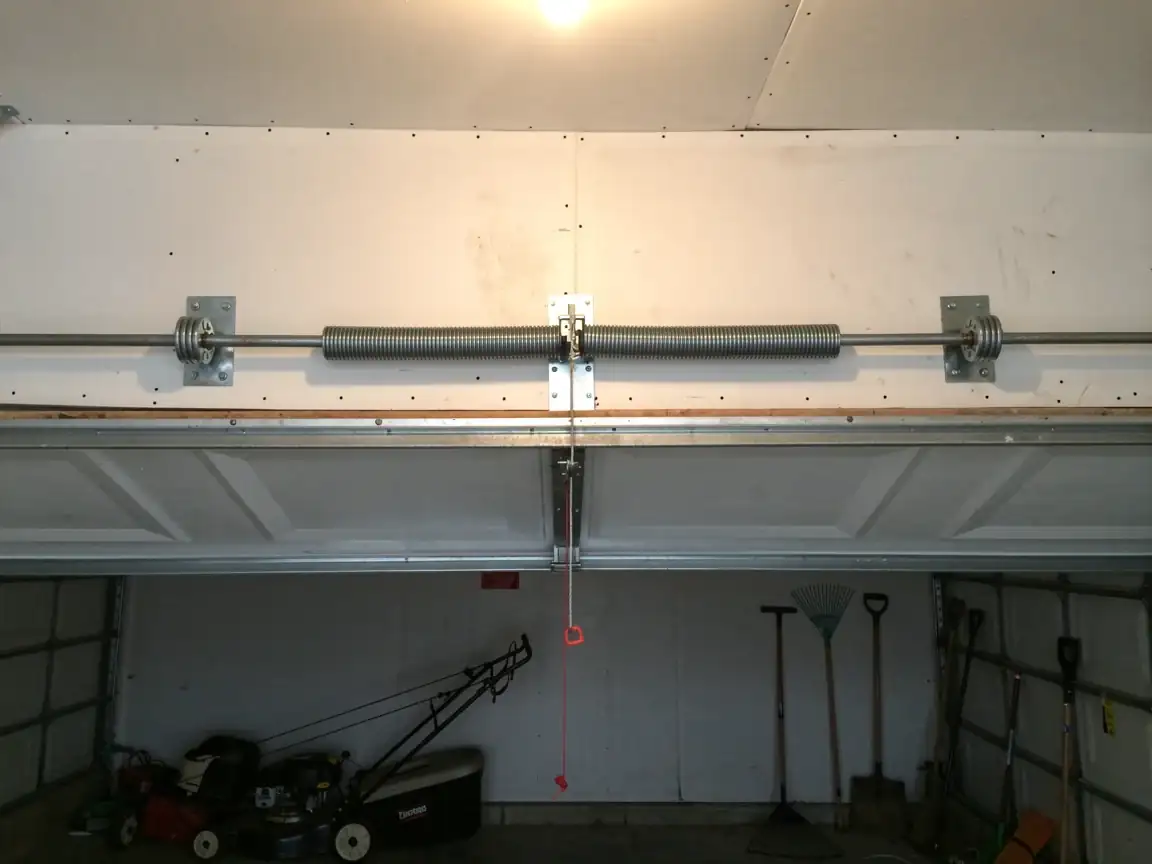
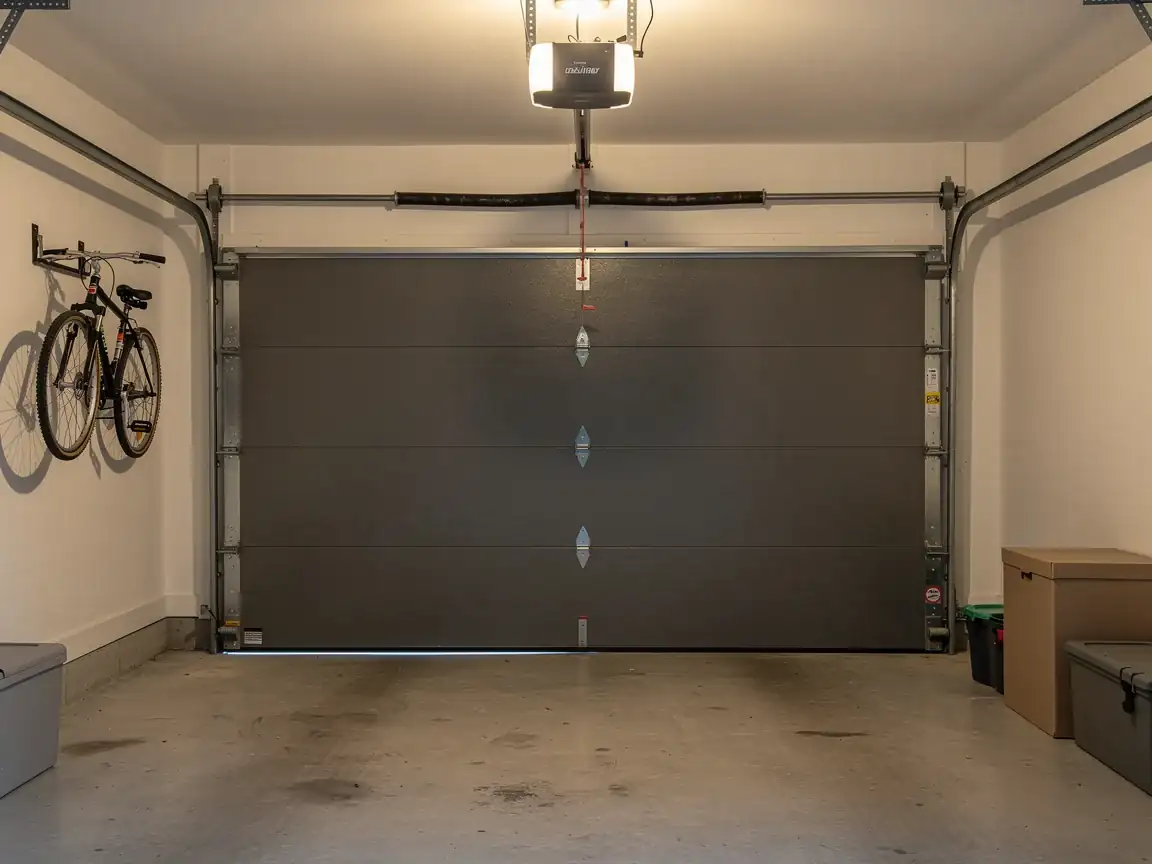
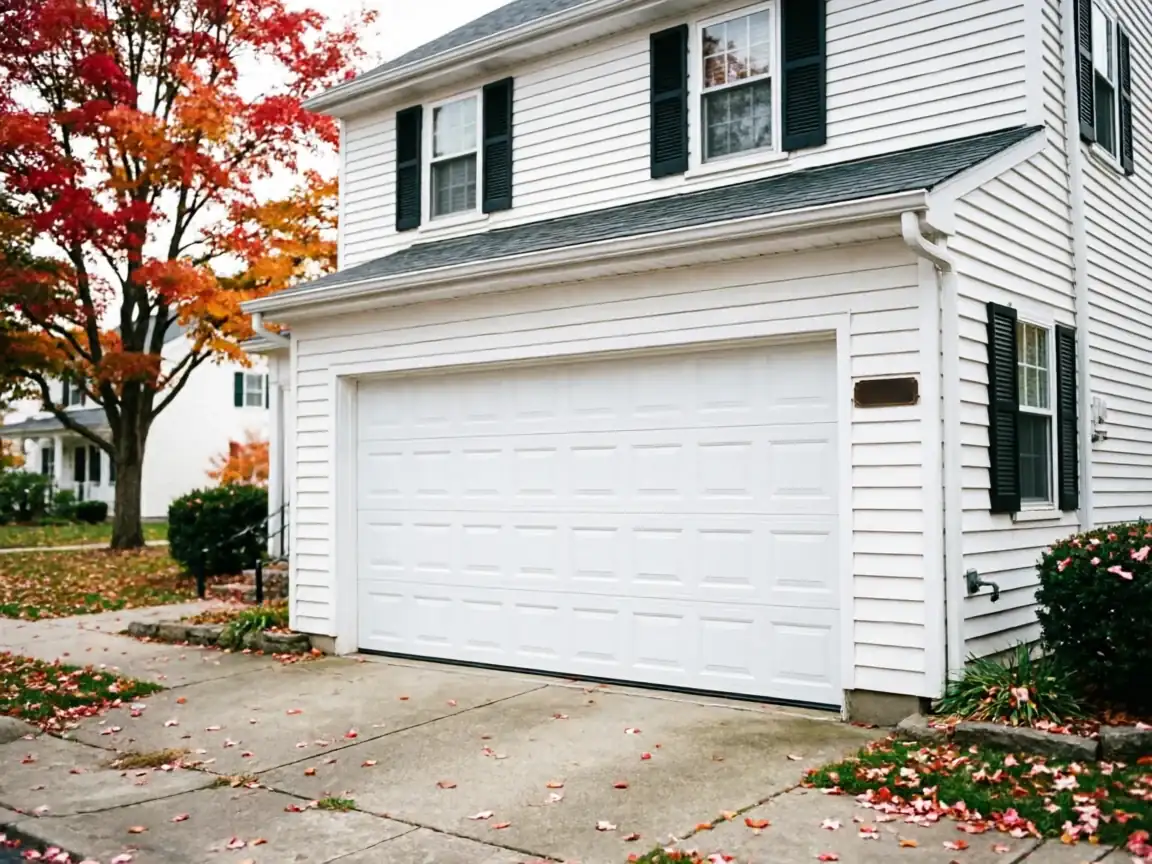
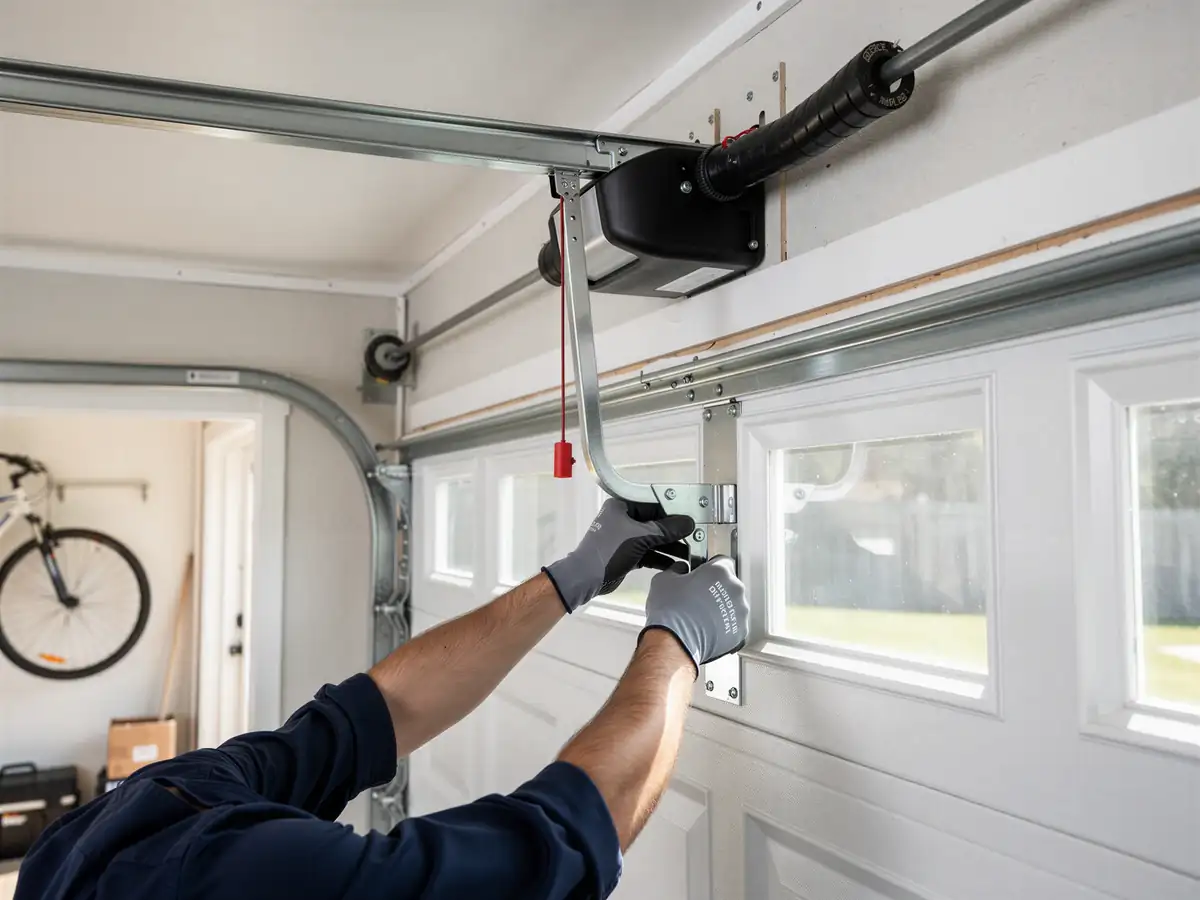
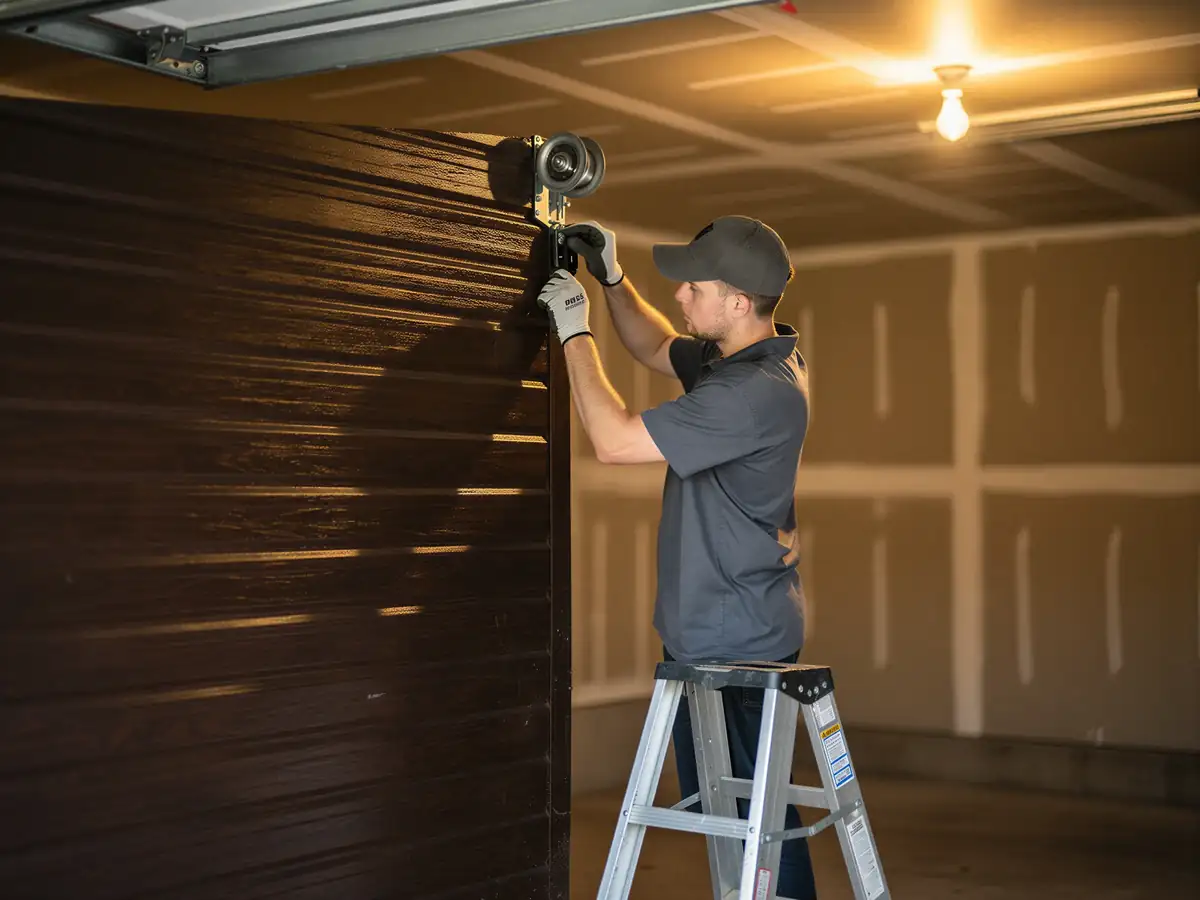
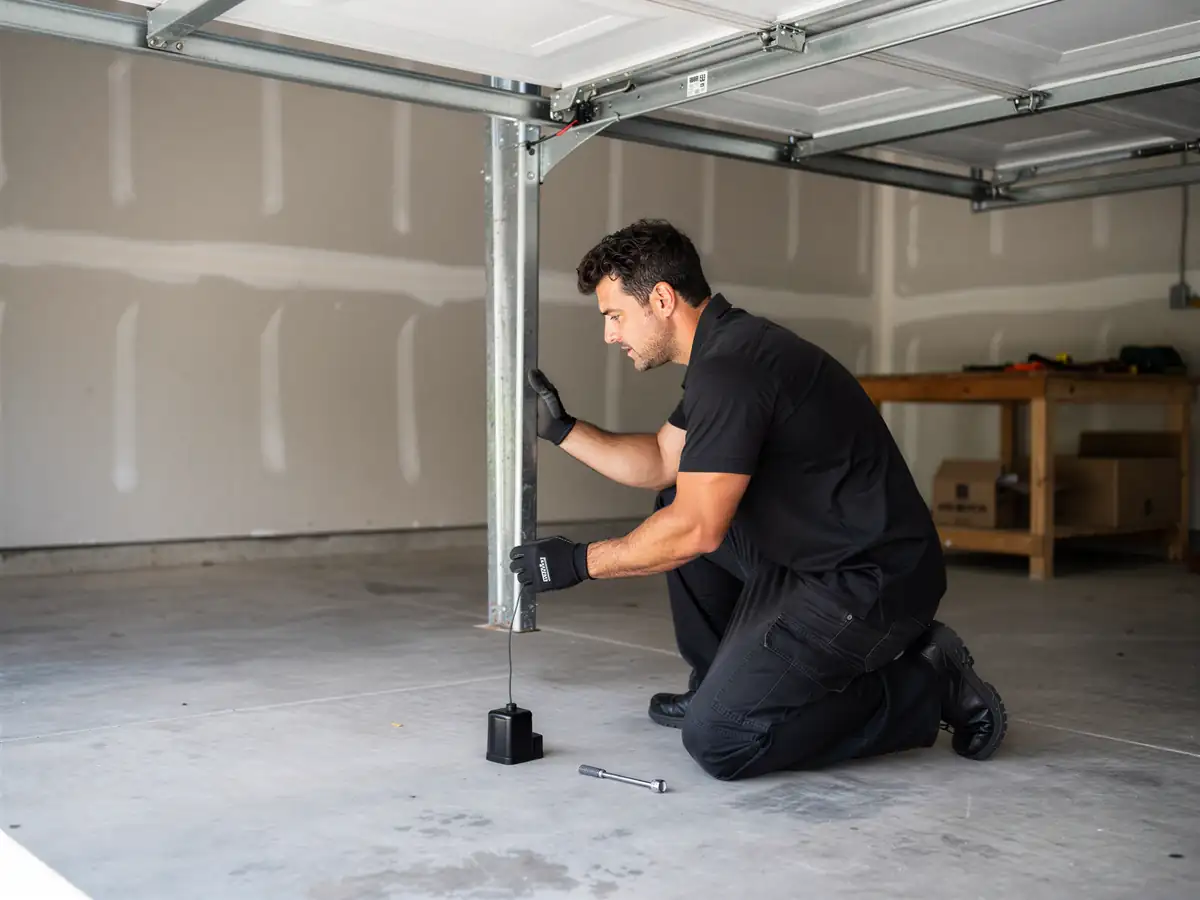
Downingtown sits a few years newer than the service area as a whole. Across the territory we cover, the median home dates to 1960, but the typical Downingtown house went up around 1964 - late enough that most of what we find is torsion spring with a steel lift cable wound onto a drum, not the older extension-spring-and-pulley setups that still show up on the oldest blocks nearby. That matters for what rides on the truck when we head out six miles from West Chester to get to you.
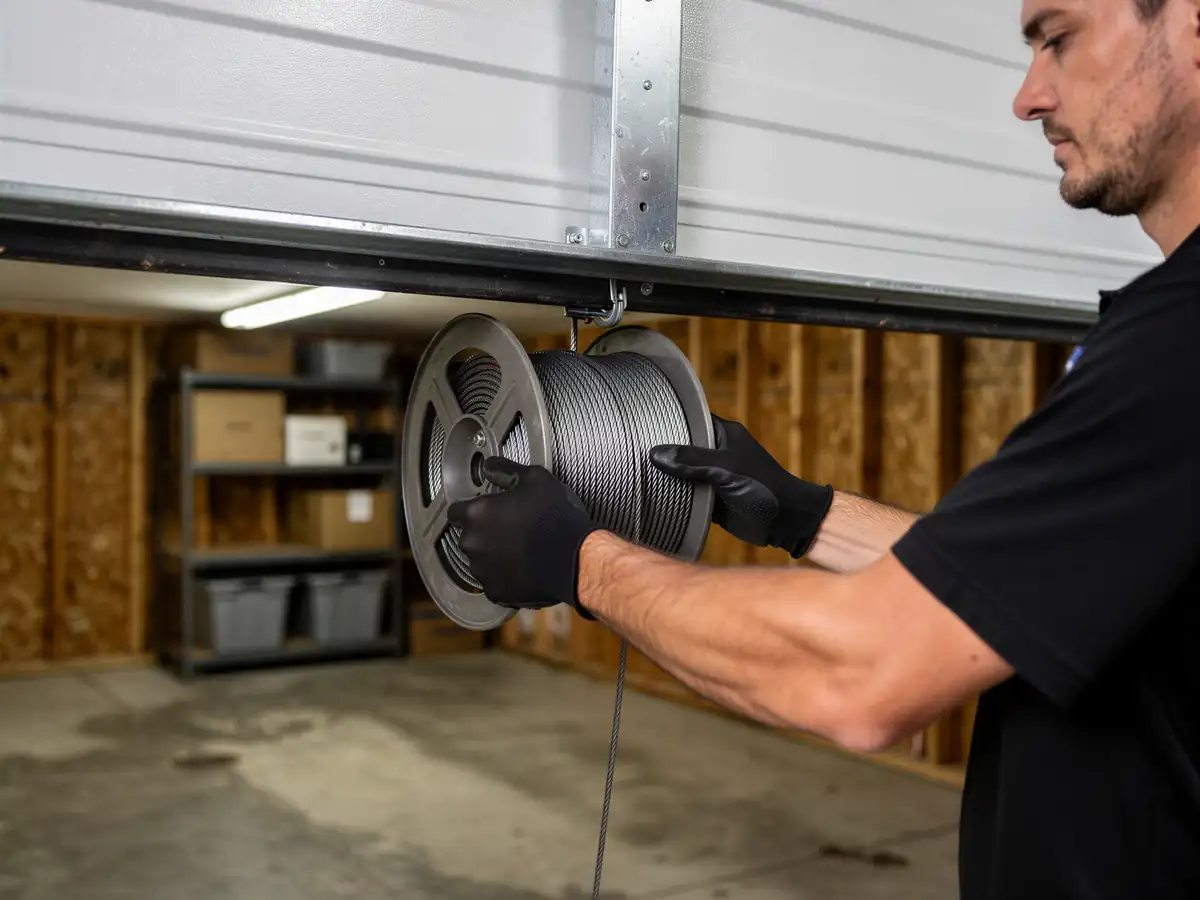
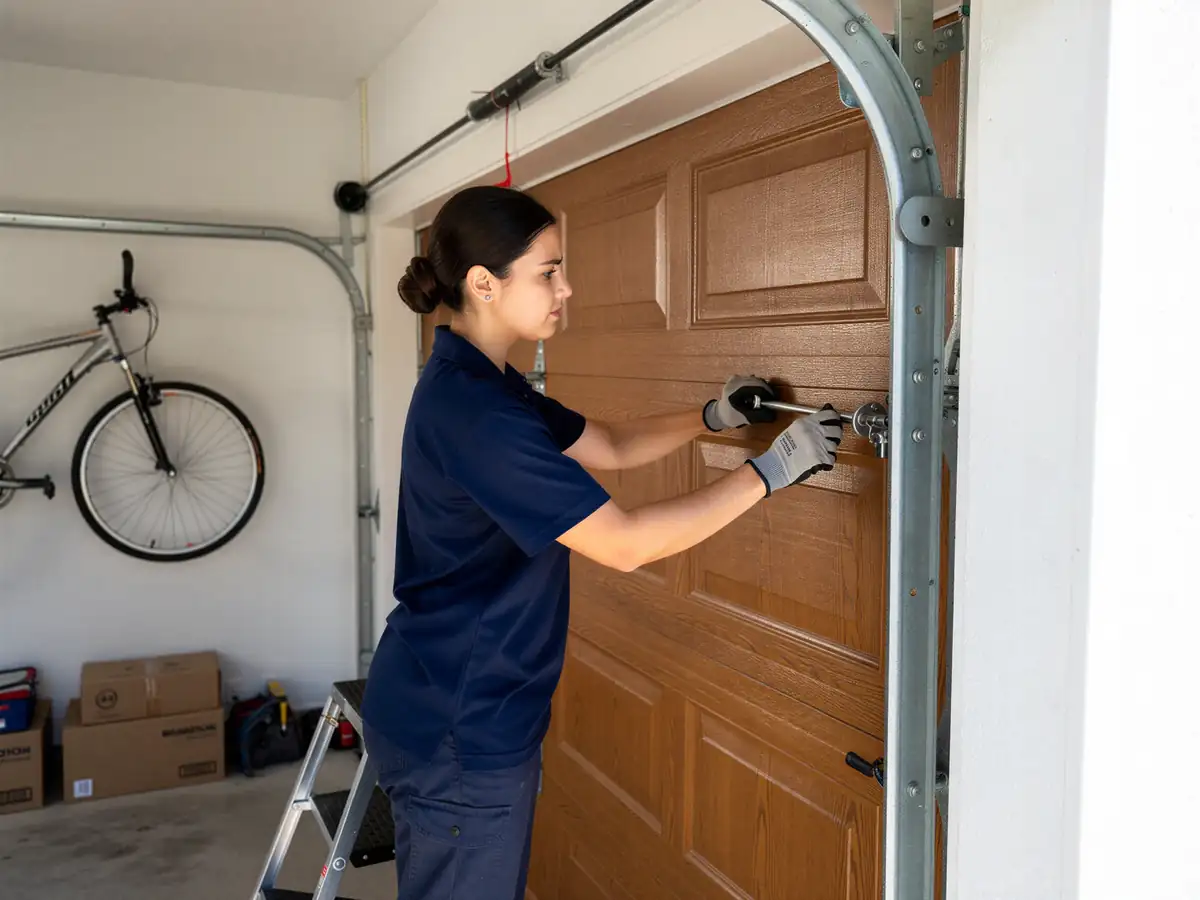
We carry 1/8-inch and 3/32-inch aircraft cable in the standard lengths that fit a single 8-foot door and a double 16-foot door, both common on homes from that build era. We also bring drums, cable clips, and the stop fittings, since a snapped cable almost always takes a bent drum or a frayed stop fitting with it. What we don't carry on every run is a wide range of oversized or custom-length cable for doors wider than the standard sizes - if your door turns out to be a non-standard width, that's a special order, not a same-visit swap.
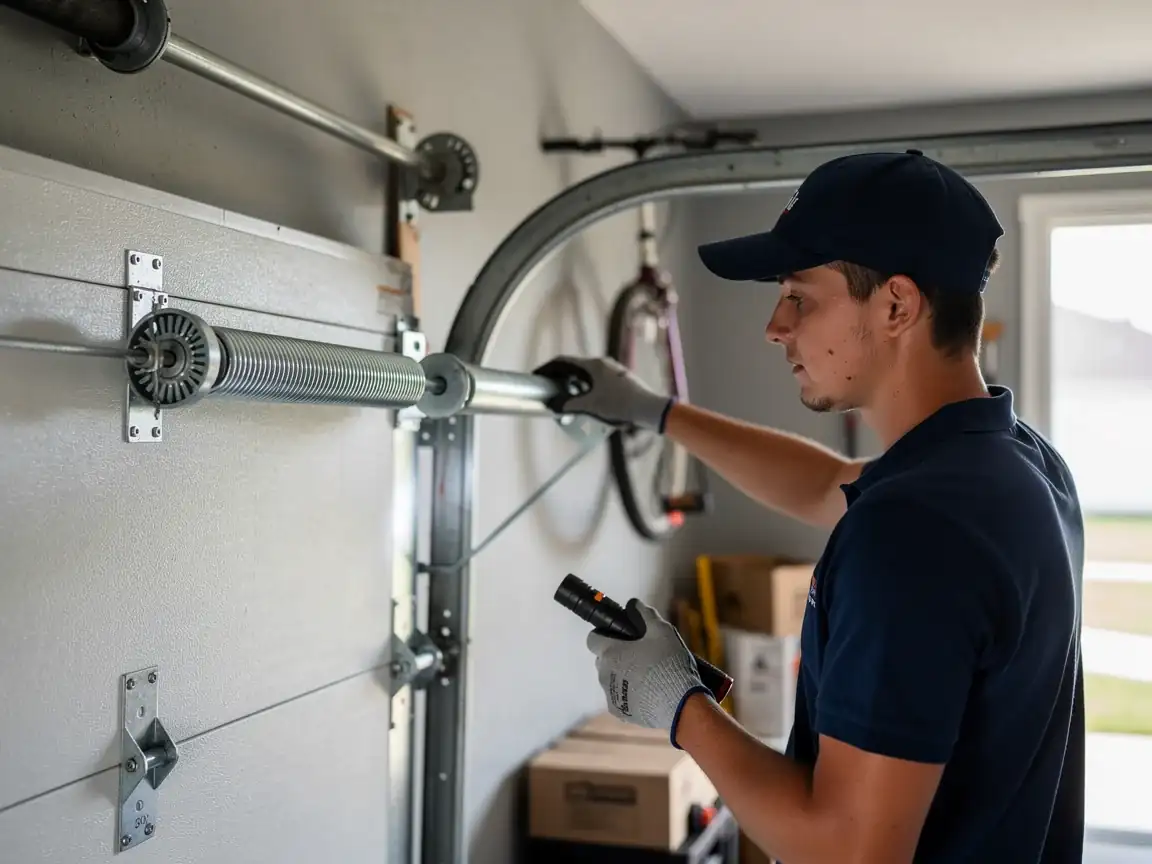
We also check both cables when one breaks. On a torsion system, one side doing the lifting while the other hangs loose for even a day puts uneven stress on the drum and the shaft bearing, and that turns one cable job into a bigger repair if it sits.
How to Book
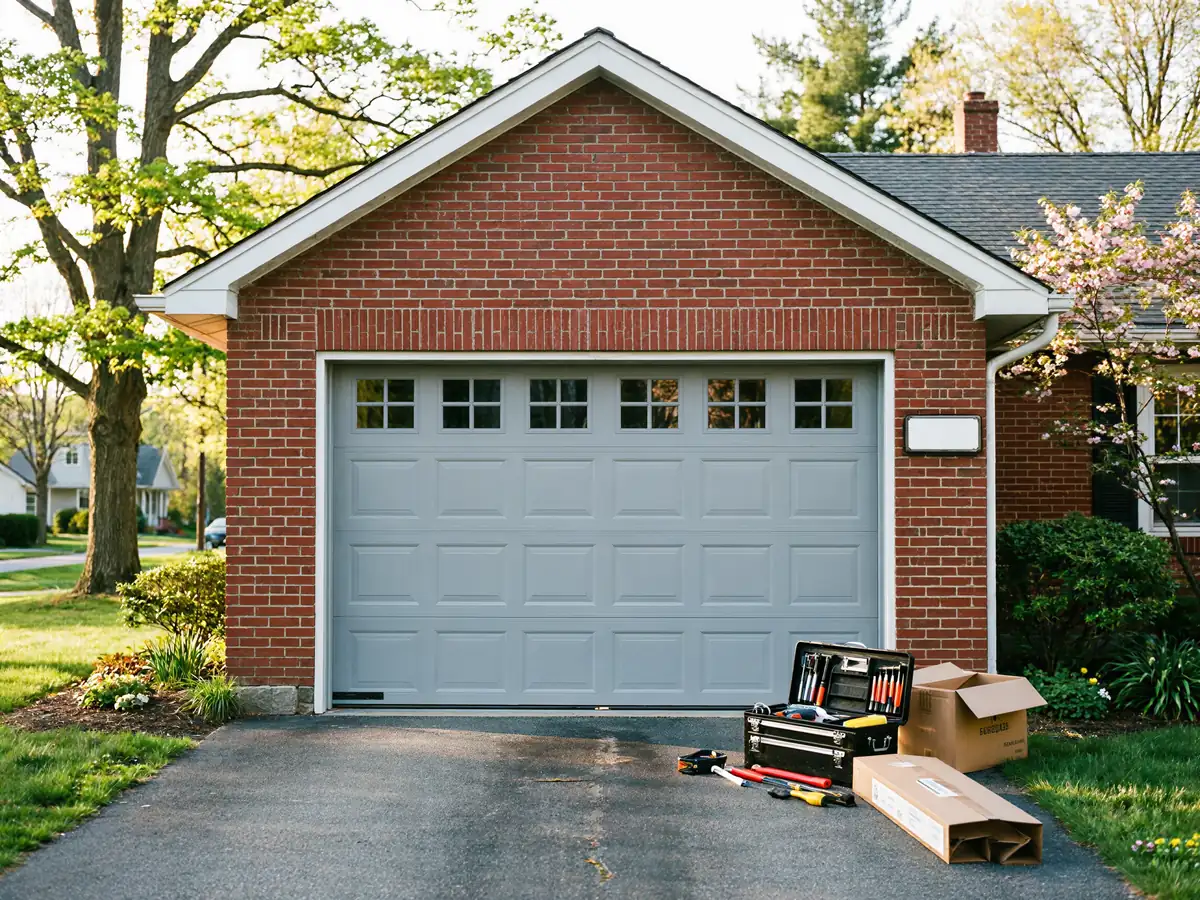
We're based in West Chester and Downingtown is about a six-mile run for us, so getting a truck to you isn't the issue - scheduling the right parts for the visit is. When you call, tell us whether the door is single or double width and roughly how old the house is. A 1964-era build usually means standard torsion hardware, and knowing that before we load the truck means we show up with the right drum and cable length instead of guessing.
If the cable has already come off the drum and the door is stuck halfway or sitting crooked in the track, don't try to force it up or down. Say that on the call - it changes what we bring and whether we treat it as a cable job alone or a cable-plus-track job. We'll walk you through the quickest way to get it to a safe, level rest position until we get there, usually by releasing tension at the opener or securing the door manually, depending on what's broken.
A broken cable on a torsion door built in the 1960s almost never shows up alone
The cold winters this area gets put real stress on galvanized cable - the strands dry out, the zinc coating pits where moisture sits in the drum groove, and the cable frays from the inside before it ever looks bad from the outside. On a door with original or near-original hardware, that fraying often takes the drum flange or the end bearing plate with it, since nothing on a 60-year-old setup has been lubricated or adjusted in years.
02
With 3,510 households in Downingtown and a median income of $82,292
Lower than the $100,000 median across the wider service area - a lot of homeowners here are right to ask whether a cable repair is worth doing versus putting that money toward replacing an aging opener or door outright. Our honest answer: if the drums, bearing plates, and springs are original to a mid-1960s install and already showing wear, a cable swap buys you a year or two, not ten. We'll tell you that straight rather than sell a patch job as a fix.
3,510 households
03
We don't stock every size of high-cycle or commercial-grade cable on the truck
So a door with an unusual lift height may need a second trip.
Doing It Yourself
A garage door under spring tension is not a safe DIY cable job, full stop. The cable on a torsion system is holding back a spring wound tight enough to lift 150 to 300 pounds of door, and releasing or re-tensioning that wrong has put people in the hospital. If a cable has snapped and the door is down, the safest thing you can do yourself is leave it down, disconnect the opener if it's trying to run, and keep kids and pets away from the door until someone qualified gets there.
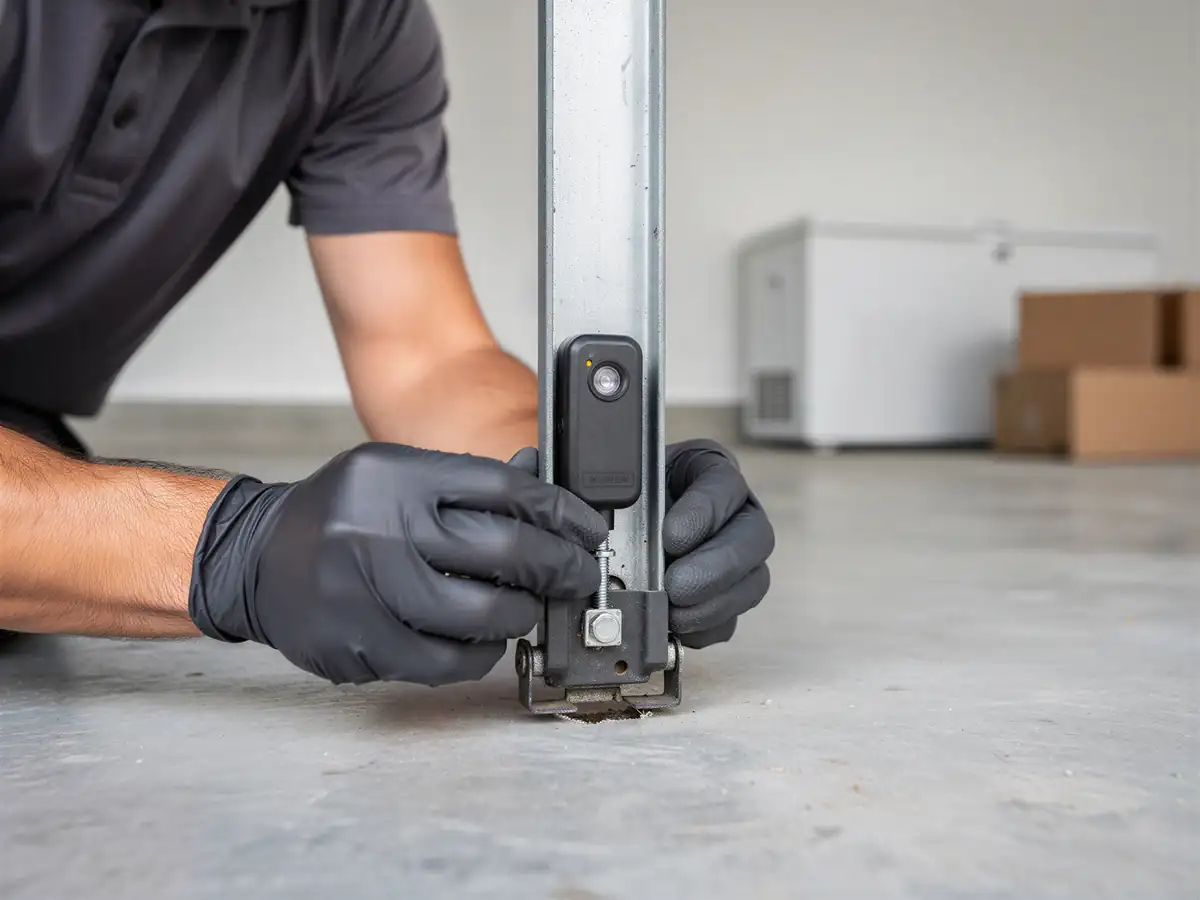
What you can reasonably check yourself: whether the cable frayed near the bottom bracket (often from a door that's been dragging or misaligned) or near the drum at the top (usually age or corrosion). That tells you, and us, whether this is a quick swap or a sign the whole torsion assembly on a 60-year-old door needs a closer look. Past that, leave the tensioned parts alone.
How it works
From “it’s stuck” to “it’s fixed”
01
Tell us what’s wrong
Describe the symptom - won’t open, loud bang, opener runs but the door won’t move.
02
On-site diagnosis
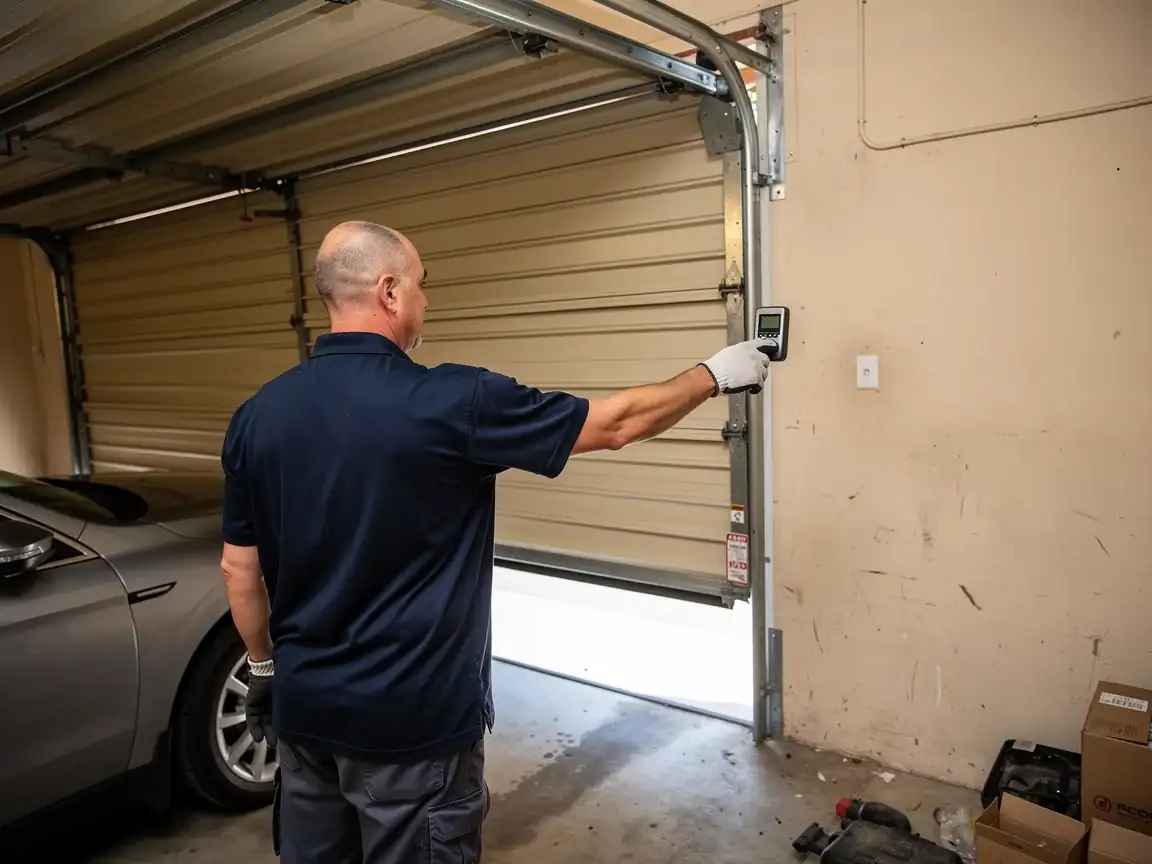
A technician tests the door under power and by hand and finds what actually failed.
03
Clear, up-front plan
You get the fix that’s needed and what drives the cost - before any work starts.
04
Repaired & tested
The repair is done, the door is set true and tested, and the work area left clean.
Not sure which repair your door needs in West Chester, PA? Describe what it’s doing - every job starts with a diagnosis.
Straight answers about garage door repair in West Chester. Still unsure? Ask us directly.
Why does a 1964-built house need different cable than a newer one?
Homes from that era typically use standard-width torsion doors with steel drums and a single lift cable per side. Newer doors sometimes use different drum diameters or dual-cable setups, so the cable length and gauge that fits a 1964 door isn't always what a 2005 door needs.
How fast can you get to Downingtown?
We run out of West Chester, about six miles away. We don't quote a fixed response time here since it depends on the day's schedule, but it's a short drive for us and we'll give you a real window when you call.
Is it ever not worth fixing a cable?
Yes. If the drums or bearing plates on an older torsion setup are already worn or pitted, a new cable alone won't buy much time. We'll tell you when the smarter move is replacing the hardware rather than patching one part of it.
Can I drive the door down to my mechanic's shop if the cable snapped?
No. A snapped cable means the opposite side is carrying the full weight of the door unevenly. Don't force the door up or down - leave it where it rests and call.