Paoli's housing stock dates to about 1960, and a lot of the original torsion hardware is still in place. We travel from West Chester to fix what that hardware is doing now.
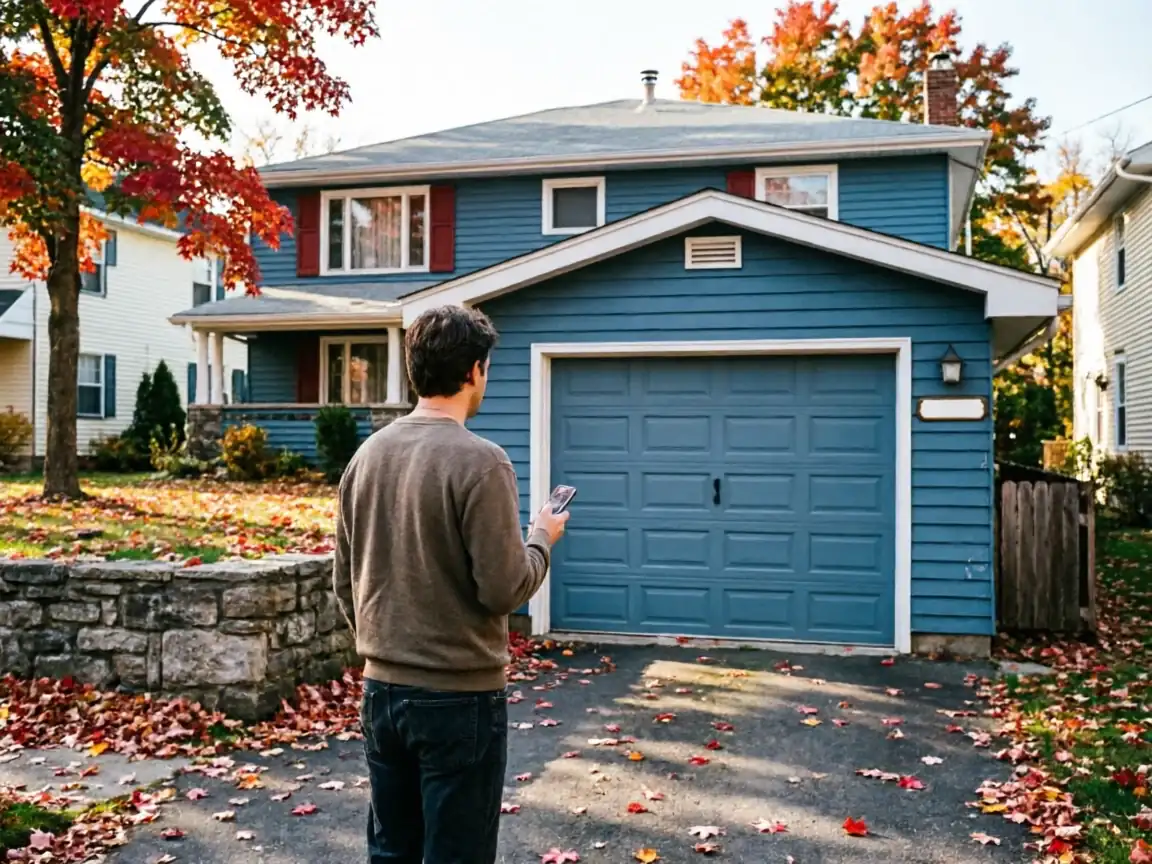
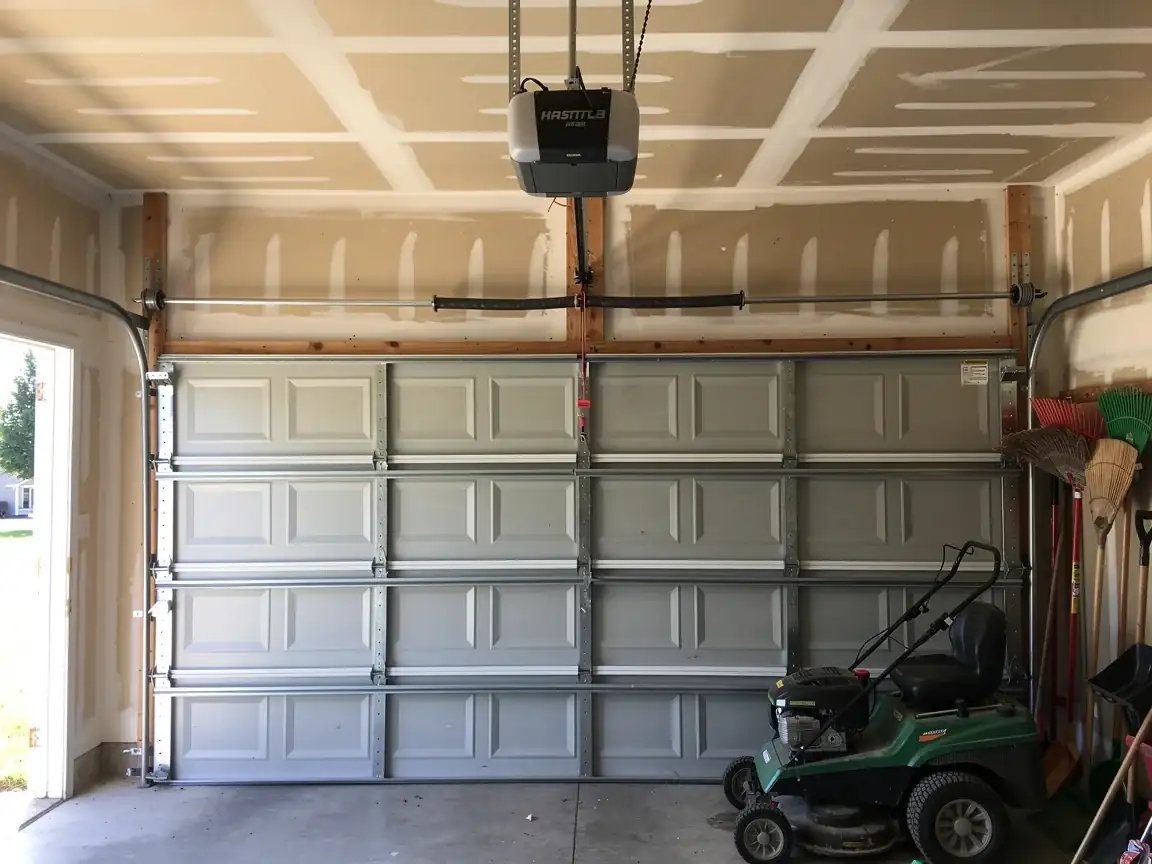
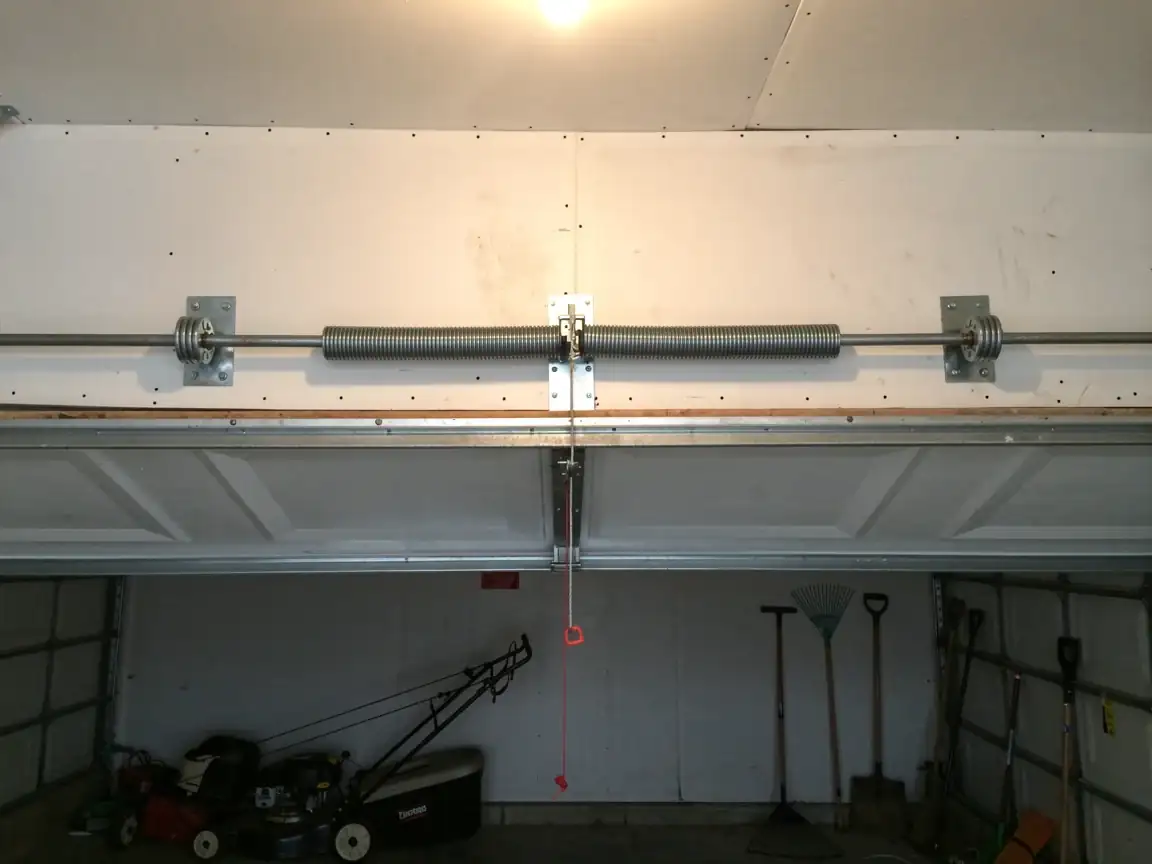
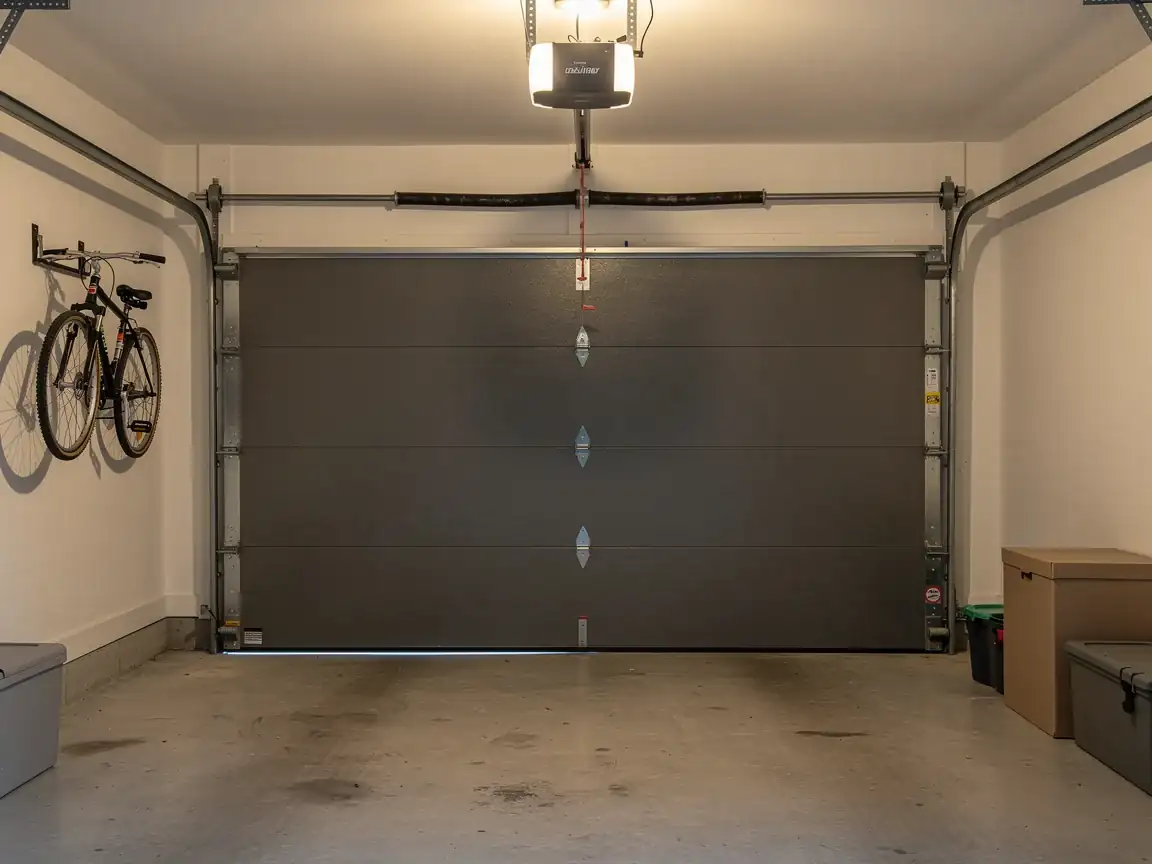
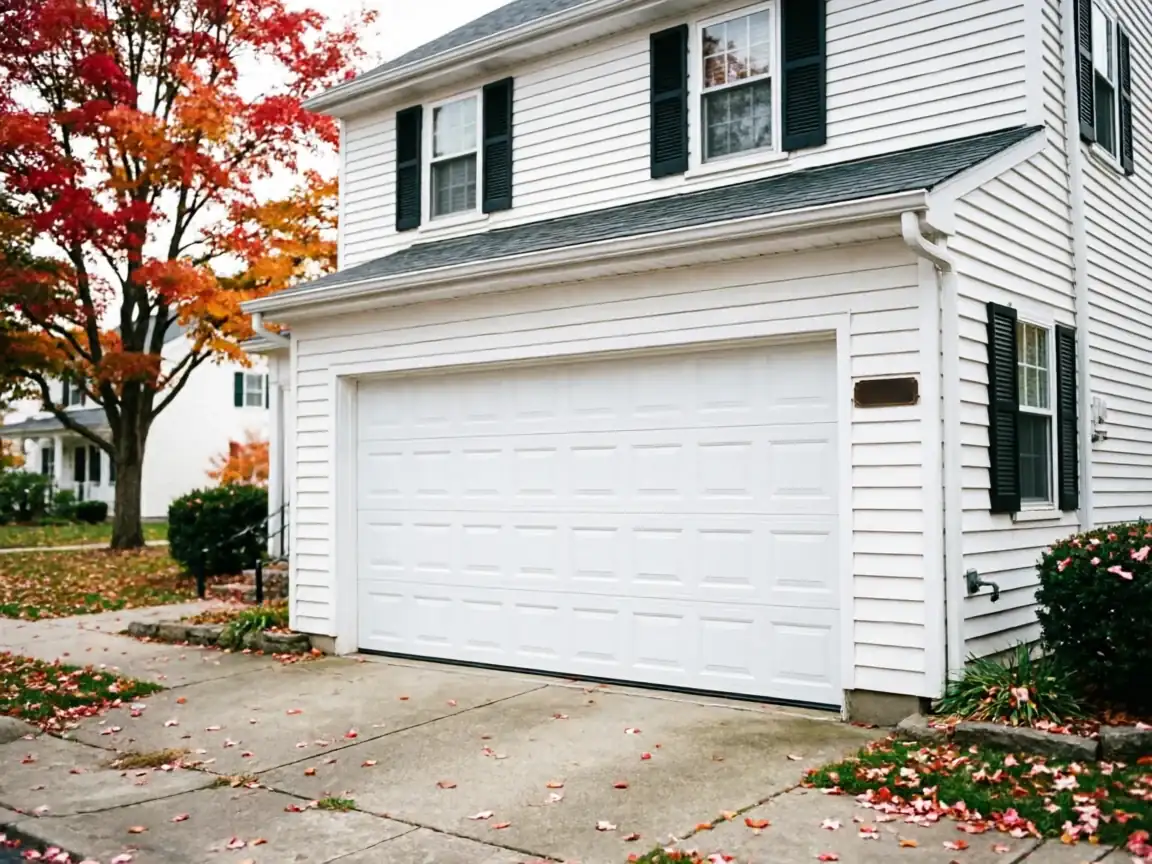
A lot of Paoli went up around 1960, which lines up with the broader build-out across this part of the county that ran from the late 1930s into the 1990s. What that means on a service call: a good share of the torsion springs, drums, and one-piece panel doors we find here have never been swapped out. Nobody pulls a spring that still lifts the door, even when it's thirty years past the point a shop would replace it on its own schedule.
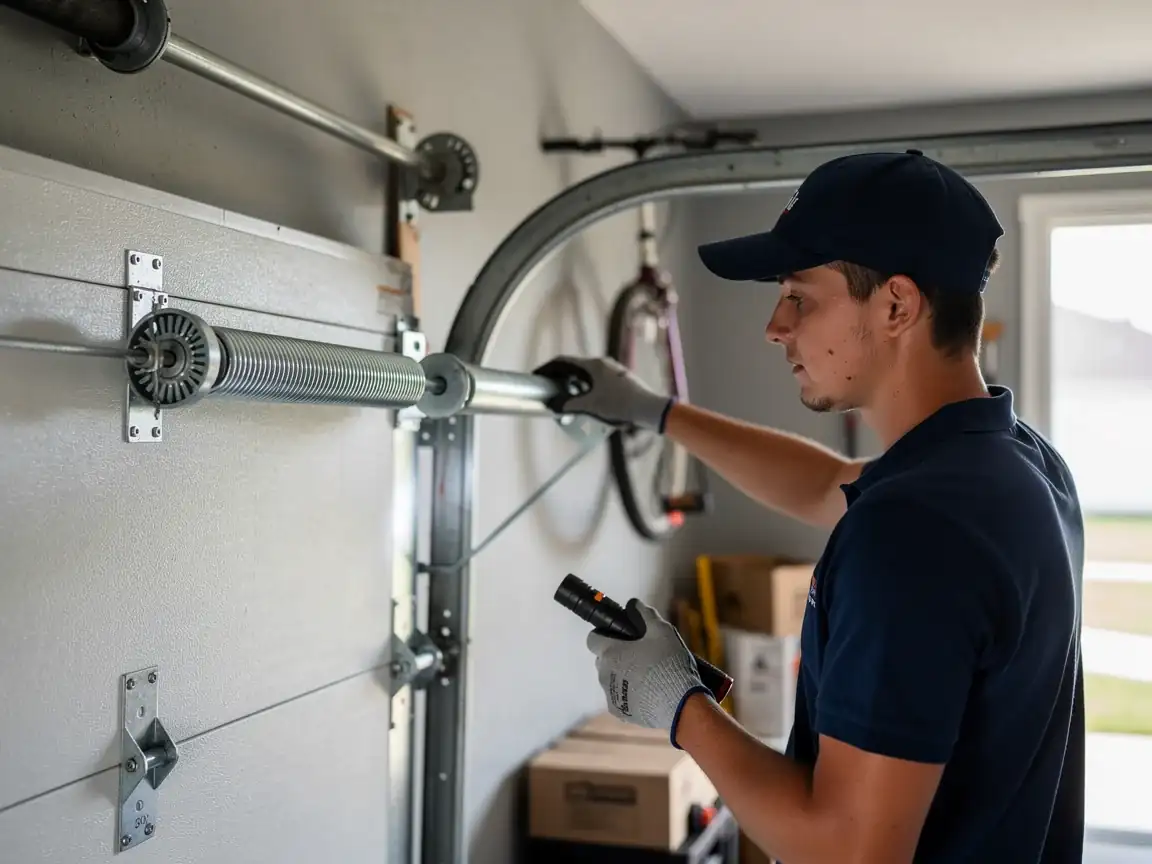
The complication isn't just age, it's what age does with weather. This area sits in a cold climate band with real winter severity, and a torsion spring that's been cycling for six decades loses temper faster once the metal's been through enough freeze-thaw swings. The failure mode we see most in older Paoli houses is a spring that lets go on a cold morning, not a slow degradation you'd notice coming. Original galvanized track from that era also wasn't built for today's heavier insulated doors, so even a working door can be running harder than the track was ever sized for. None of this is a Paoli-specific defect - it's just what a 1960 install looks like sixty-some years in.
What the Repair Takes
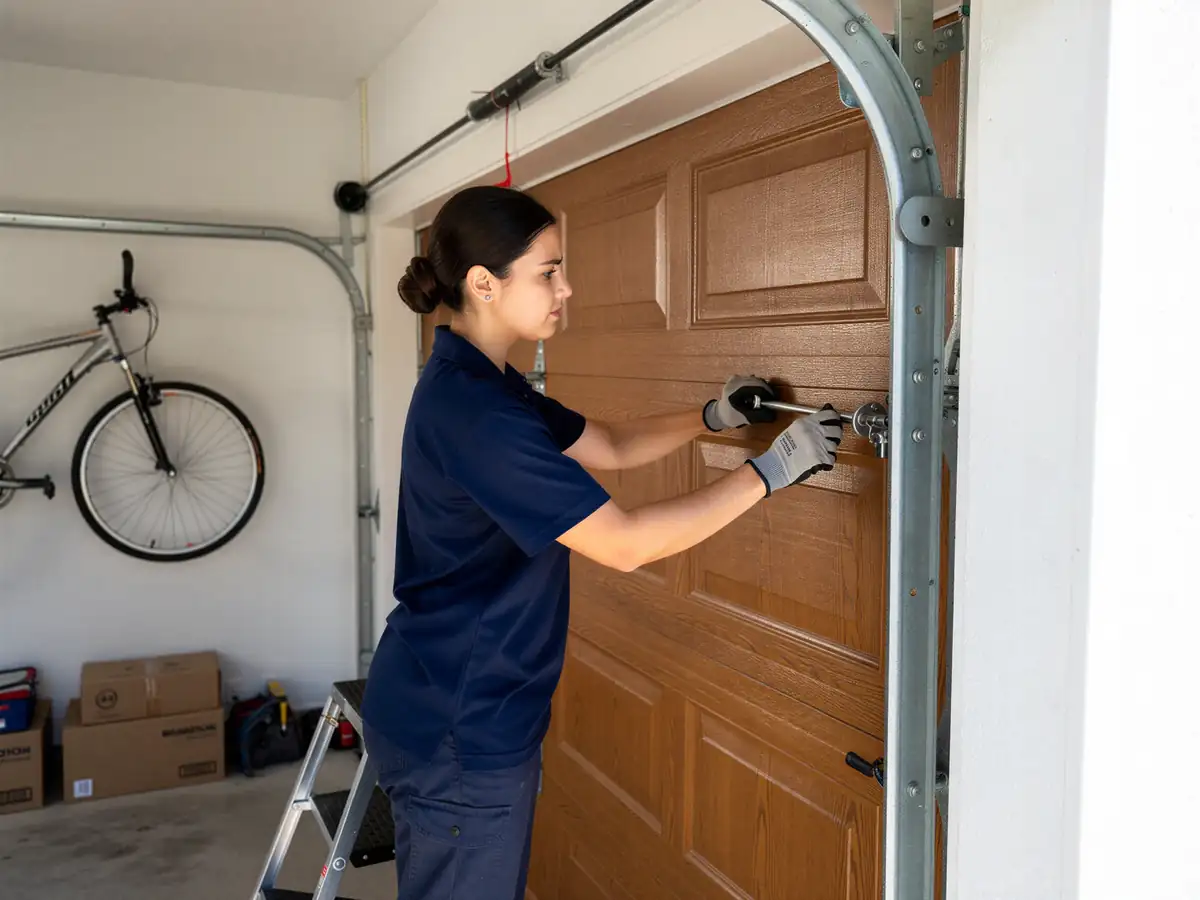
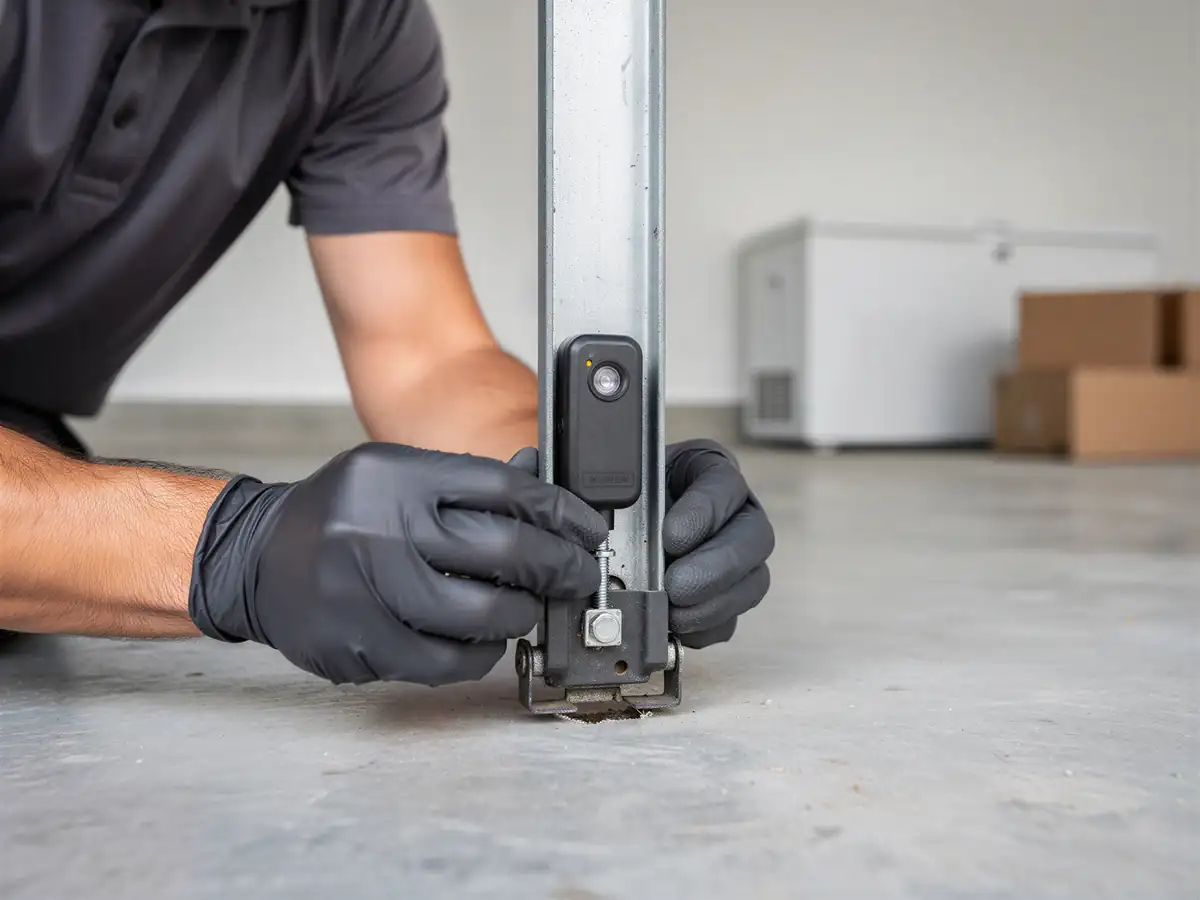
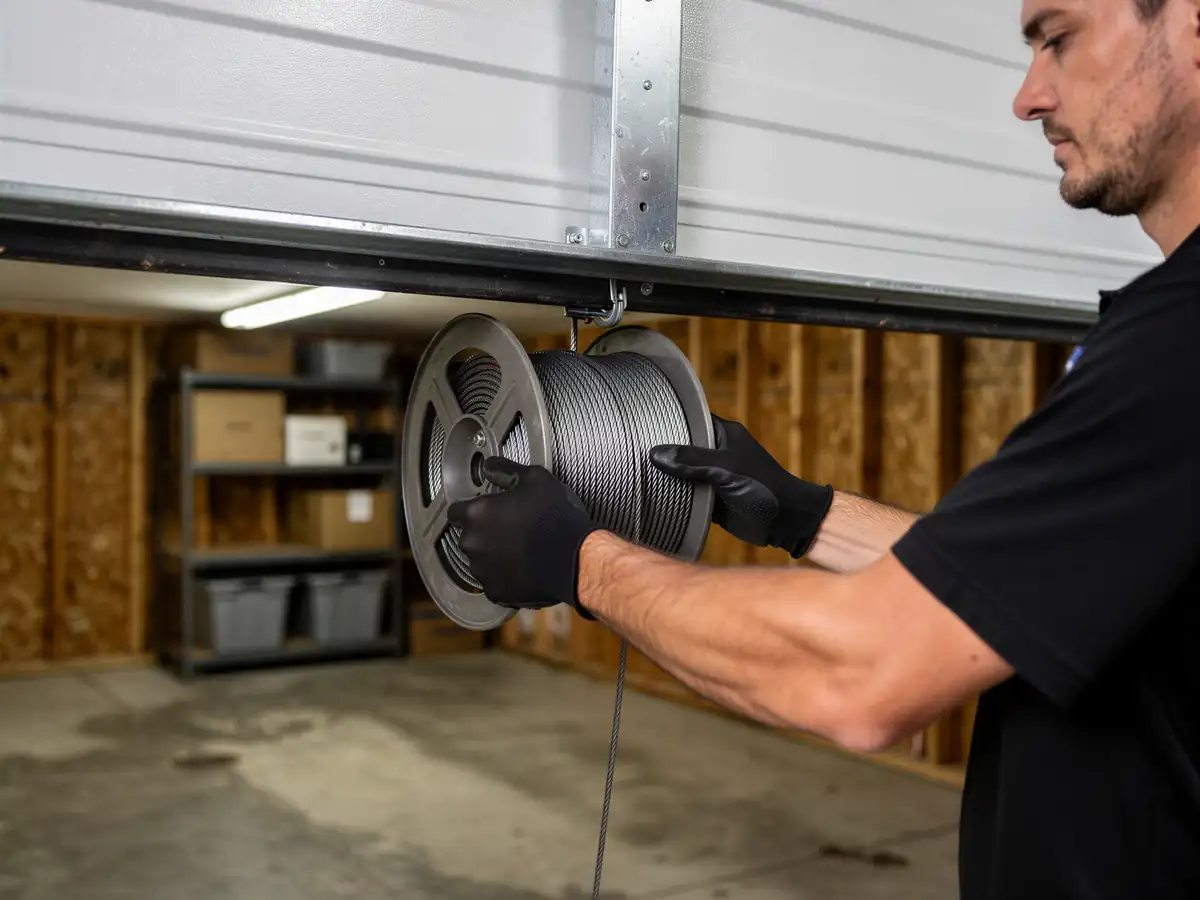
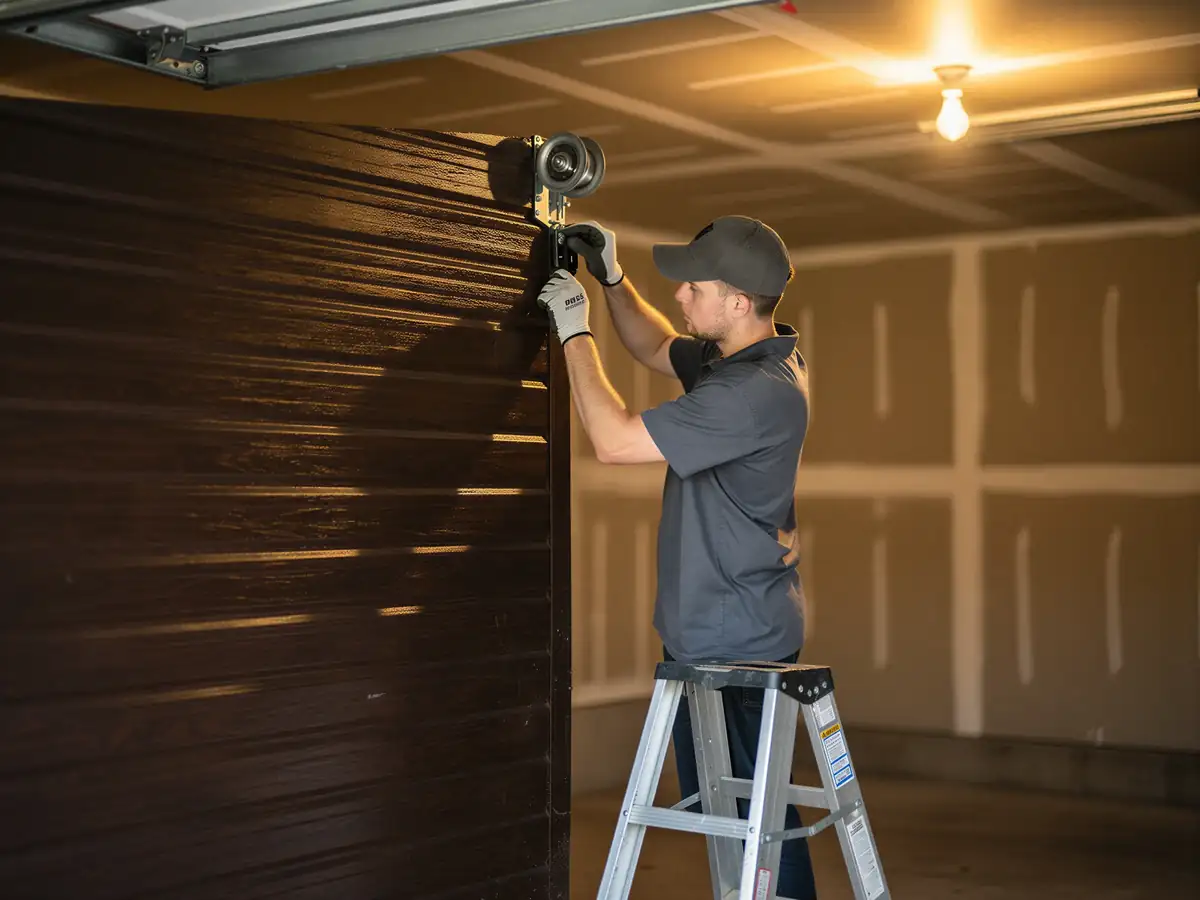
Matching an original spring means knowing the door's weight and the drum size, which on a 1960s door often isn't stamped anywhere obvious - we measure wire diameter and wind count on site rather than guess off a chart. Track alignment is the other thing that gets skipped on quick fixes: if the original track has settled or racked slightly over the decades, a new spring on crooked track just fails again in a year.
Honest limitation: not every original door is worth saving. Once a panel has rusted through at the bottom or the track has bent enough that we can't true it up without replacing the whole run, patching it is a short-term answer. We'll tell you when that's where you are instead of billing for a repair that won't hold. Paoli's median household income runs higher than much of the surrounding service area, and in practice that means more owners here choose full hardware replacement over a patch once we've laid out what a patch actually buys them - a year, maybe two, not a fix.
How to Book
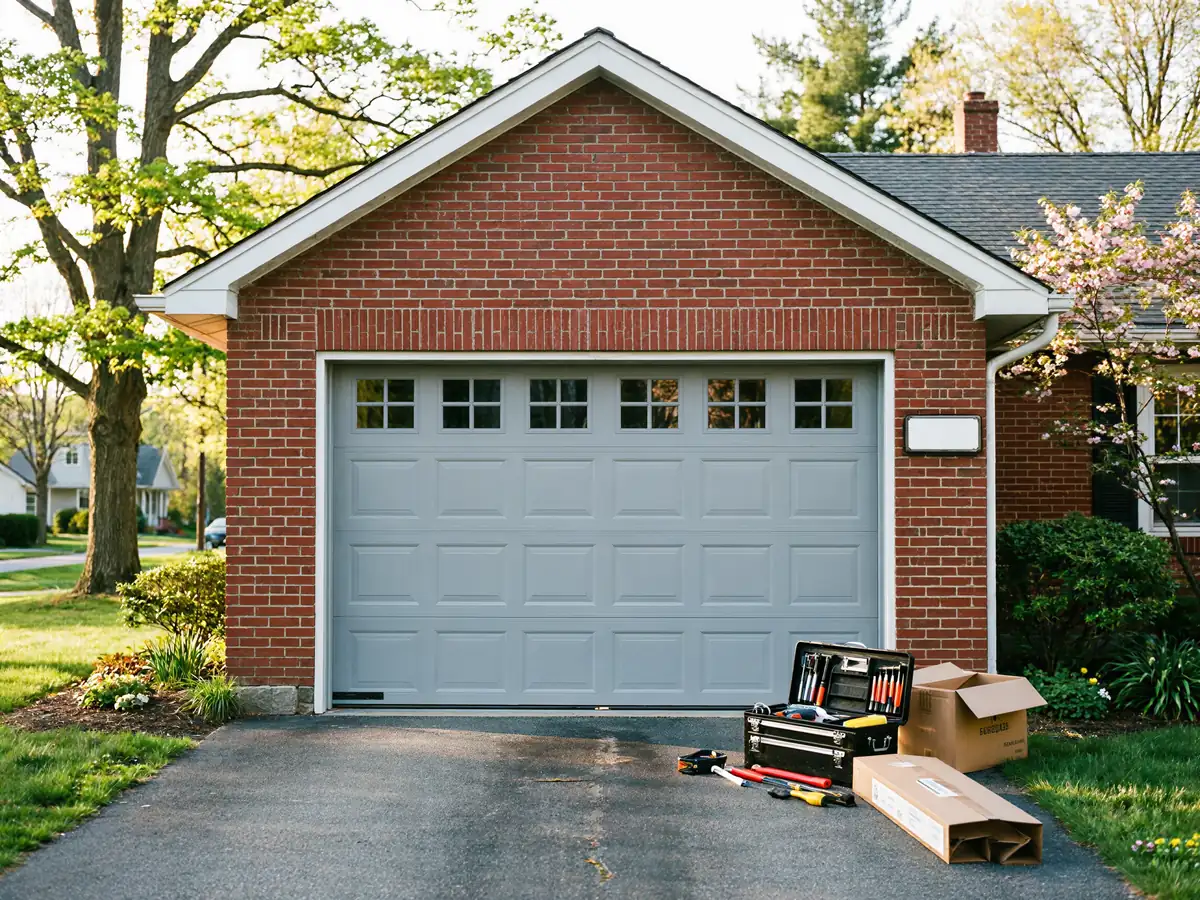
We run this job out of West Chester, about eight miles from Paoli, so there's no local branch or truck parked nearby - every call here is a dispatched job, not a drop-in. Book through the Paoli service page and give us the door's age if you know it and what it's doing (won't open, makes noise going up, one side sags). That tells us what to load before the truck leaves. If you're looking at a full replacement instead of a repair, the West Chester repair page covers the broader service and what it includes.
What Is on the Truck
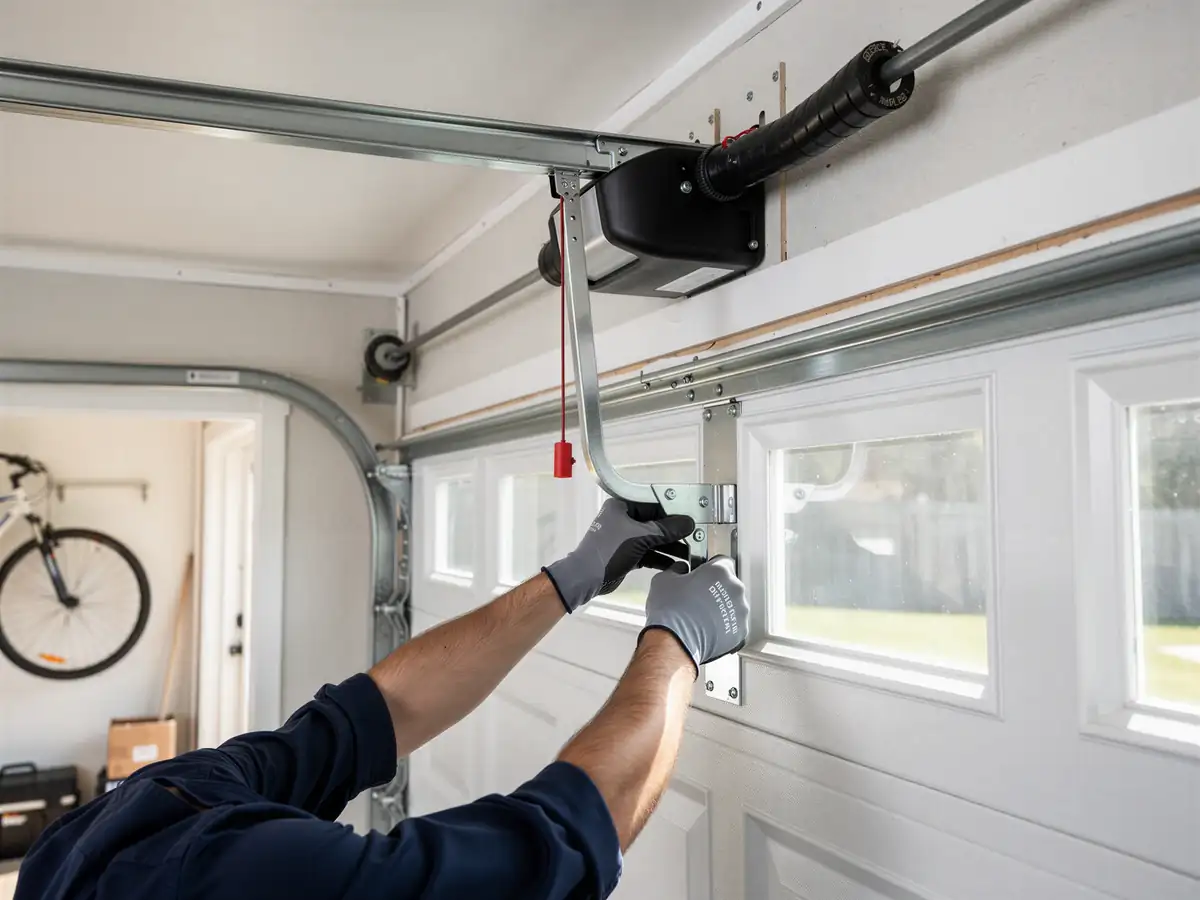
For a town where the housing stock mostly dates to 1960, we carry a wider spread of older torsion spring sizes than a typical hardware-store rack keeps in stock, because the standard sizes sold today don't always match what's on a door from that build year. We also carry extension spring hardware for the houses that were built with that older lift system instead of torsion.
What's not always on the truck: replacement panels for discontinued wood or original steel door models. With only 2,567 households in Paoli, there isn't a large enough local stock of any one door style to justify carrying every matching panel - if your door is an older model that's been out of production, we order the panel and come back, rather than carrying something that would sit unused on the truck for months.
What It Costs
We don't post a flat price here because the range on a 1960-era door depends heavily on what we find once the panel's up - a spring swap on sound track costs a lot less than a spring swap plus track straightening plus a bent roller or two, which is a common combination on hardware that's never been touched. What we can say is that houses built in this window tend to need more than the single part that failed, because the parts around it have been running the same number of years.
We'll give you the number after we've looked at the door, not before, and we'll separate out what's actually broken from what's just old but still working. You don't pay to replace something that isn't the reason the door stopped.
How it works
From “it’s stuck” to “it’s fixed”
01
Tell us what’s wrong
Describe the symptom - won’t open, loud bang, opener runs but the door won’t move.
02
On-site diagnosis
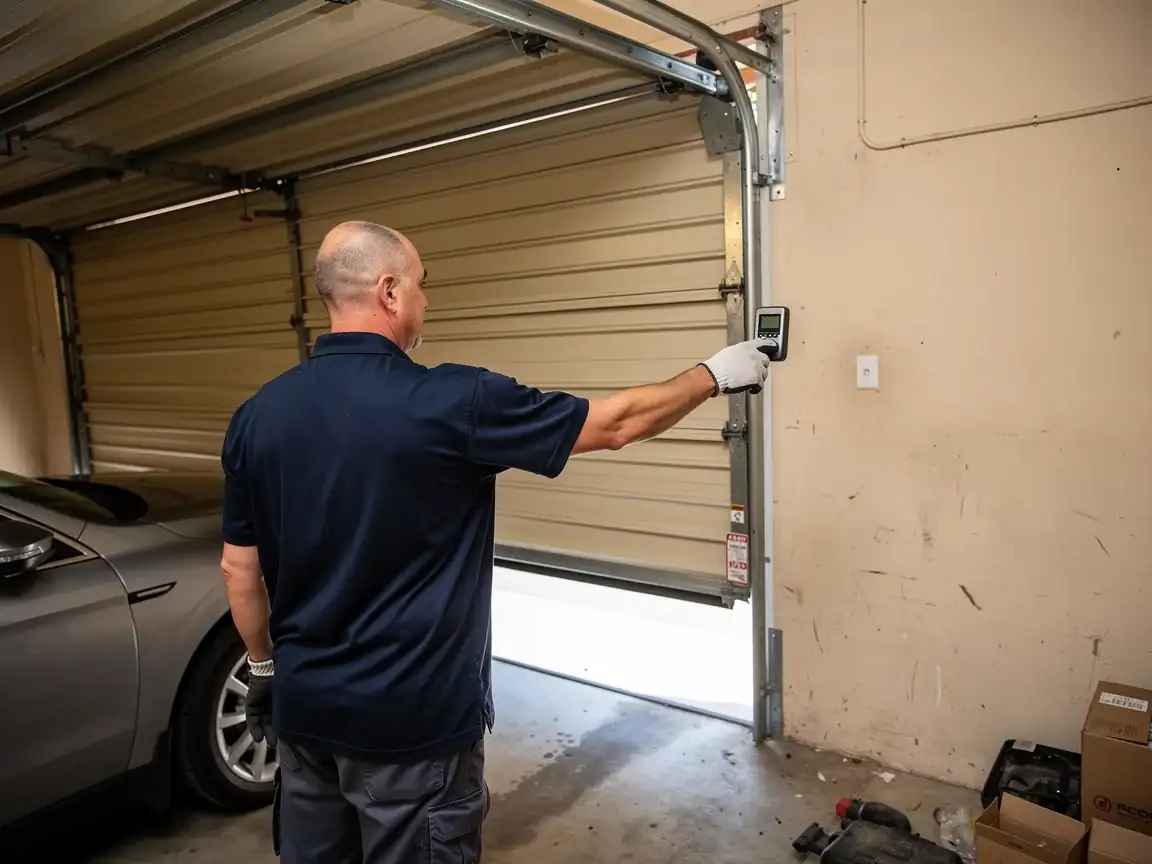
A technician tests the door under power and by hand and finds what actually failed.
03
Clear, up-front plan
You get the fix that’s needed and what drives the cost - before any work starts.
04
Repaired & tested
The repair is done, the door is set true and tested, and the work area left clean.
Not sure which repair your door needs in West Chester, PA? Describe what it’s doing - every job starts with a diagnosis.
Straight answers about garage door repair in West Chester. Still unsure? Ask us directly.
Is it normal for a Paoli house to still have its original garage door hardware?
Yes. With most of this area's housing dating to around 1960, a working torsion spring or original track often never gets replaced until it fails outright. If your door still lifts fine, the hardware underneath it may well be original to the house.
Do you have a crew based in Paoli?
No, we work out of West Chester, about eight miles away, and dispatch a truck to Paoli for each job. There's no local branch here, so every visit is scheduled rather than a walk-in stop.
Why does cold weather matter for an old spring?
This area sits in a climate band with real winter severity, and a torsion spring that's cycled for decades loses temper faster through repeated freeze-thaw swings. That's why older springs here tend to fail on cold mornings rather than wear down gradually.
Can you always repair an original 1960s door instead of replacing it?
Not always. If the panel has rusted through or the track is bent beyond truing up, a repair only buys a year or two. We'll tell you honestly when replacement is the better use of your money instead of patching something that's past it.