Garage Door Repair for Kennett Square's 1950s Housing Stock
Kennett Square's garage doors mostly date to the mid-1950s - single-layer steel, no insulation, and hardware that doesn't match today's stock. We drive out from West Chester to fix them.
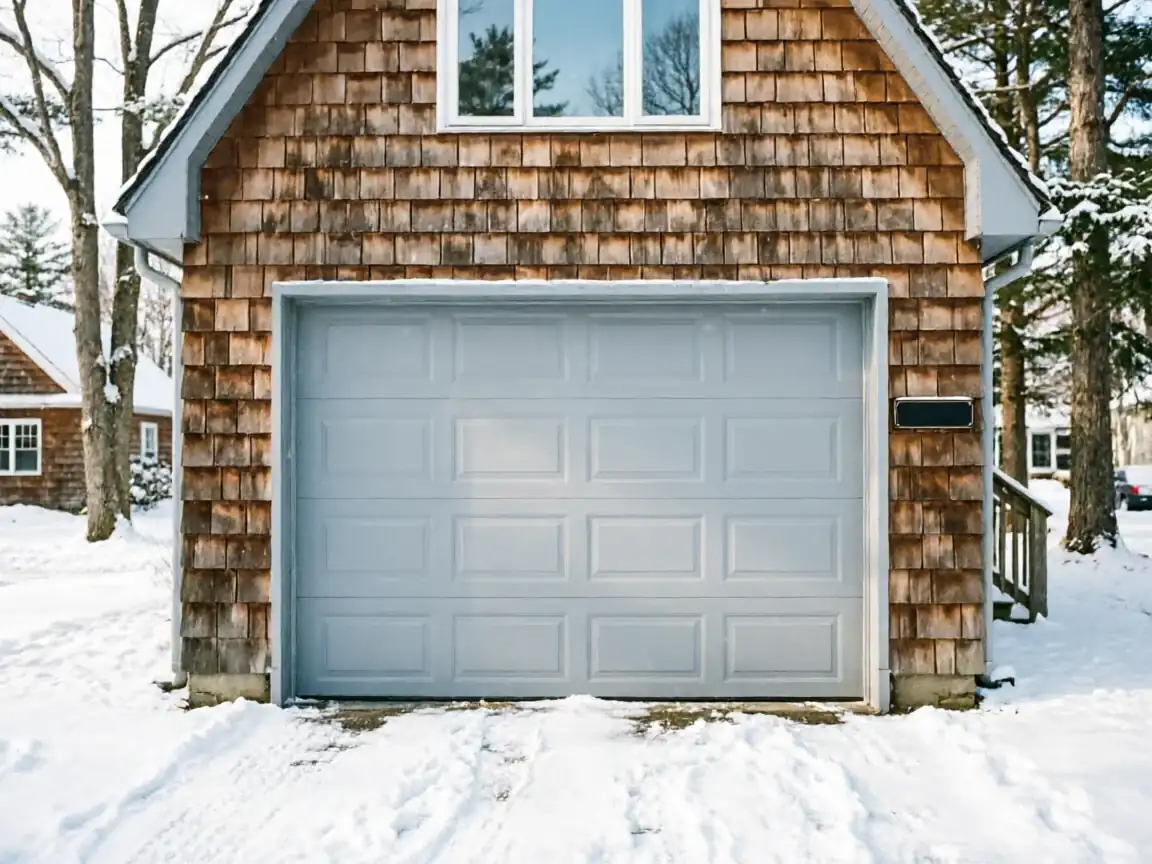
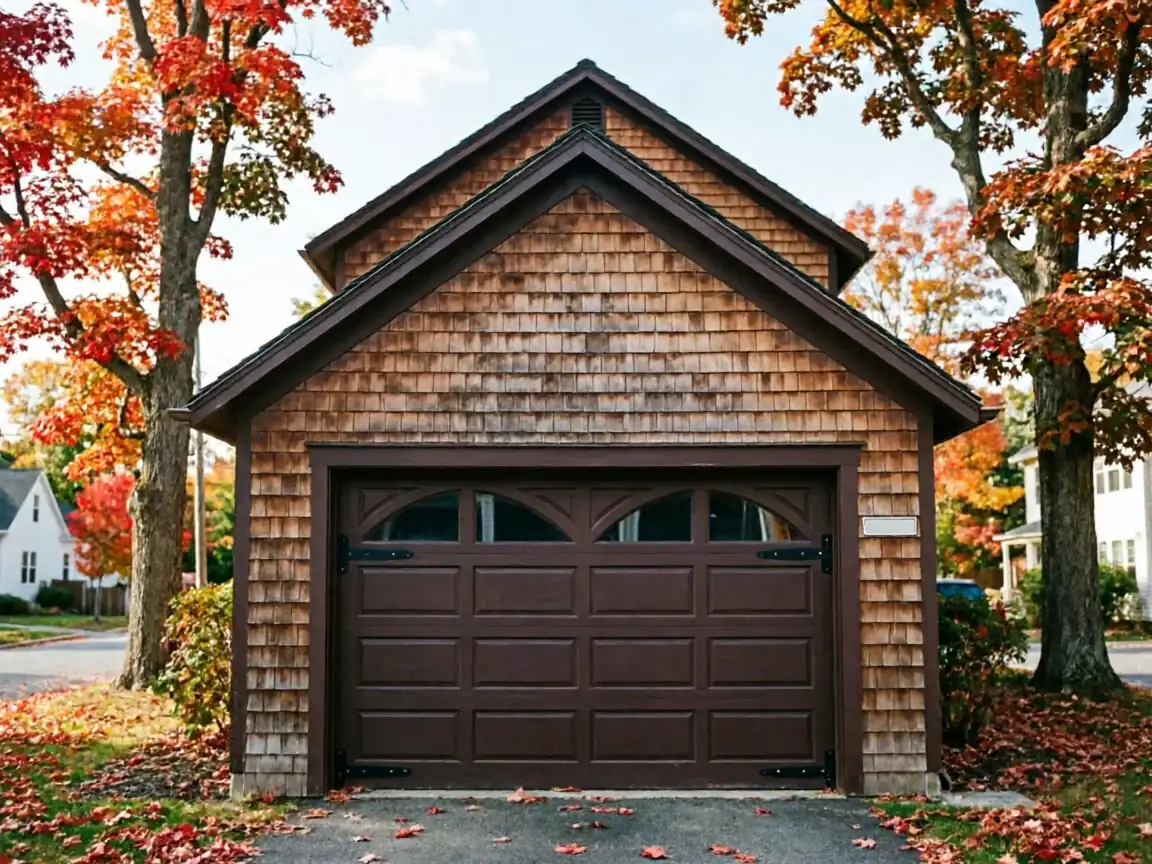
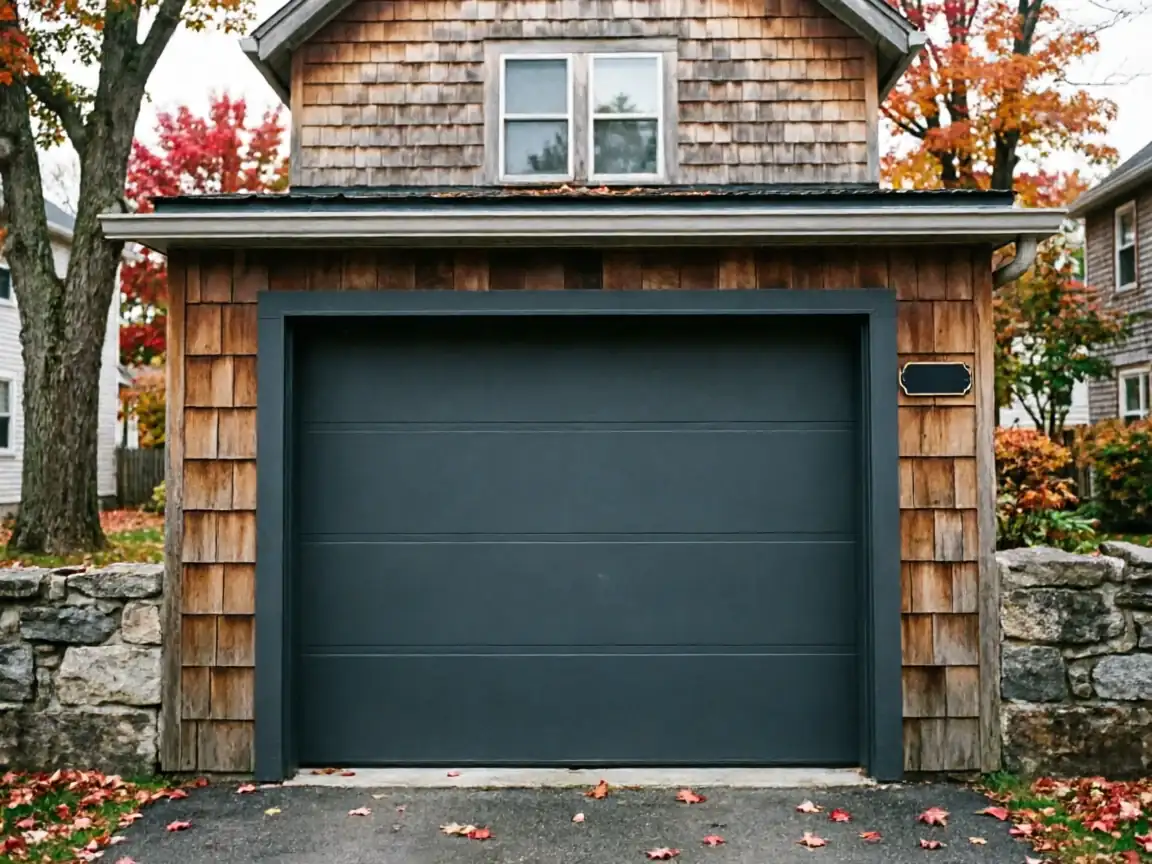
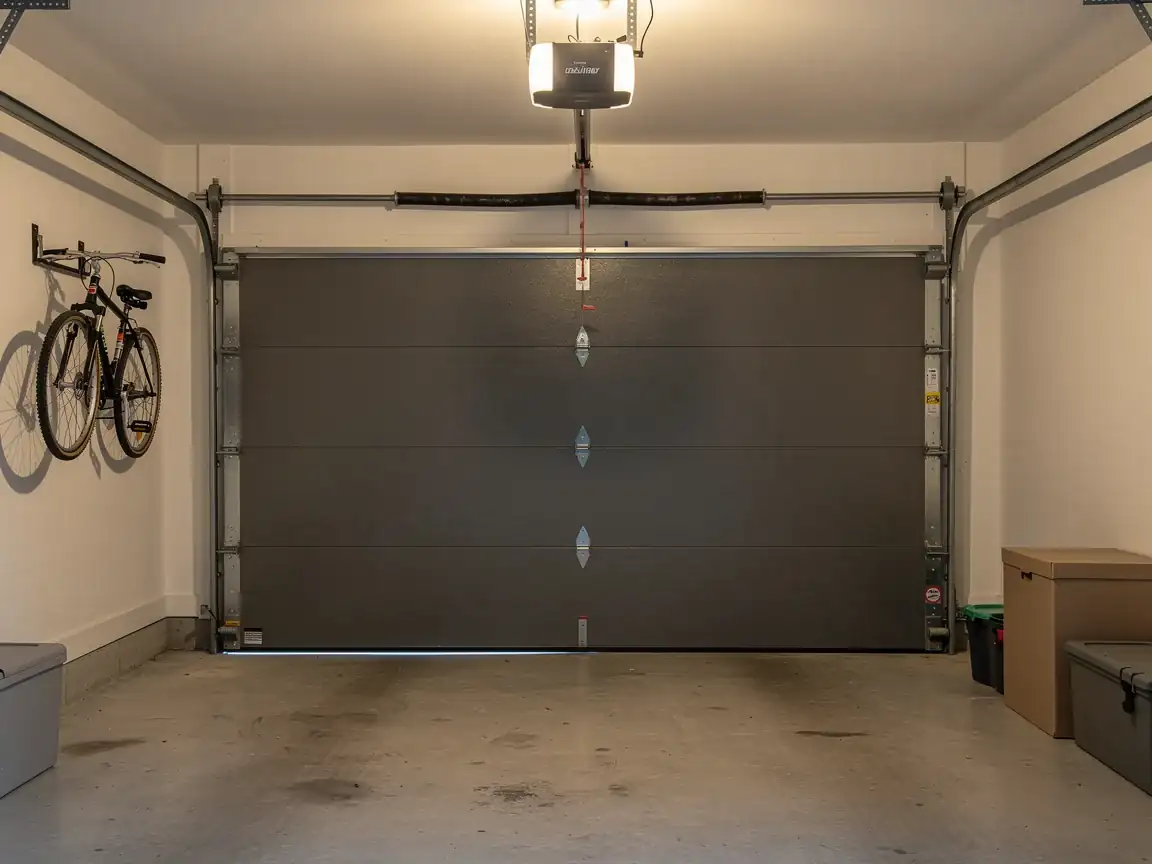
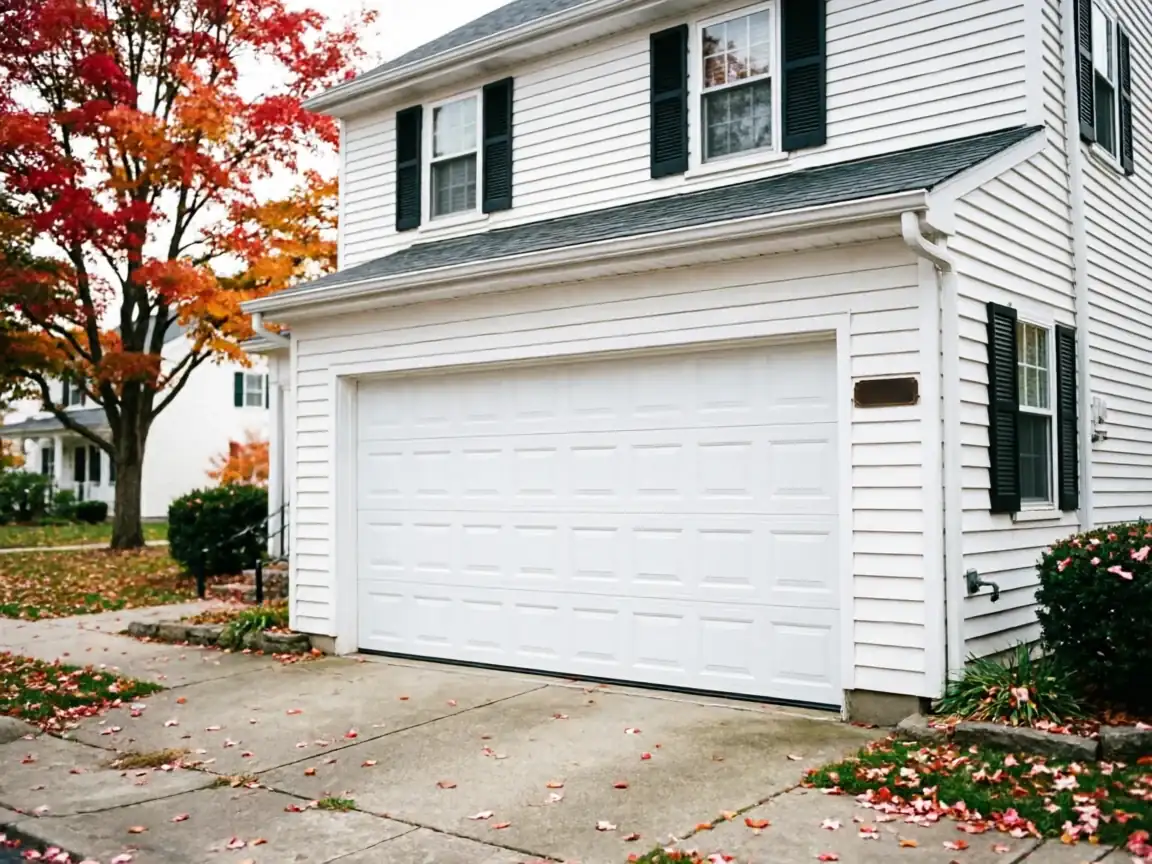
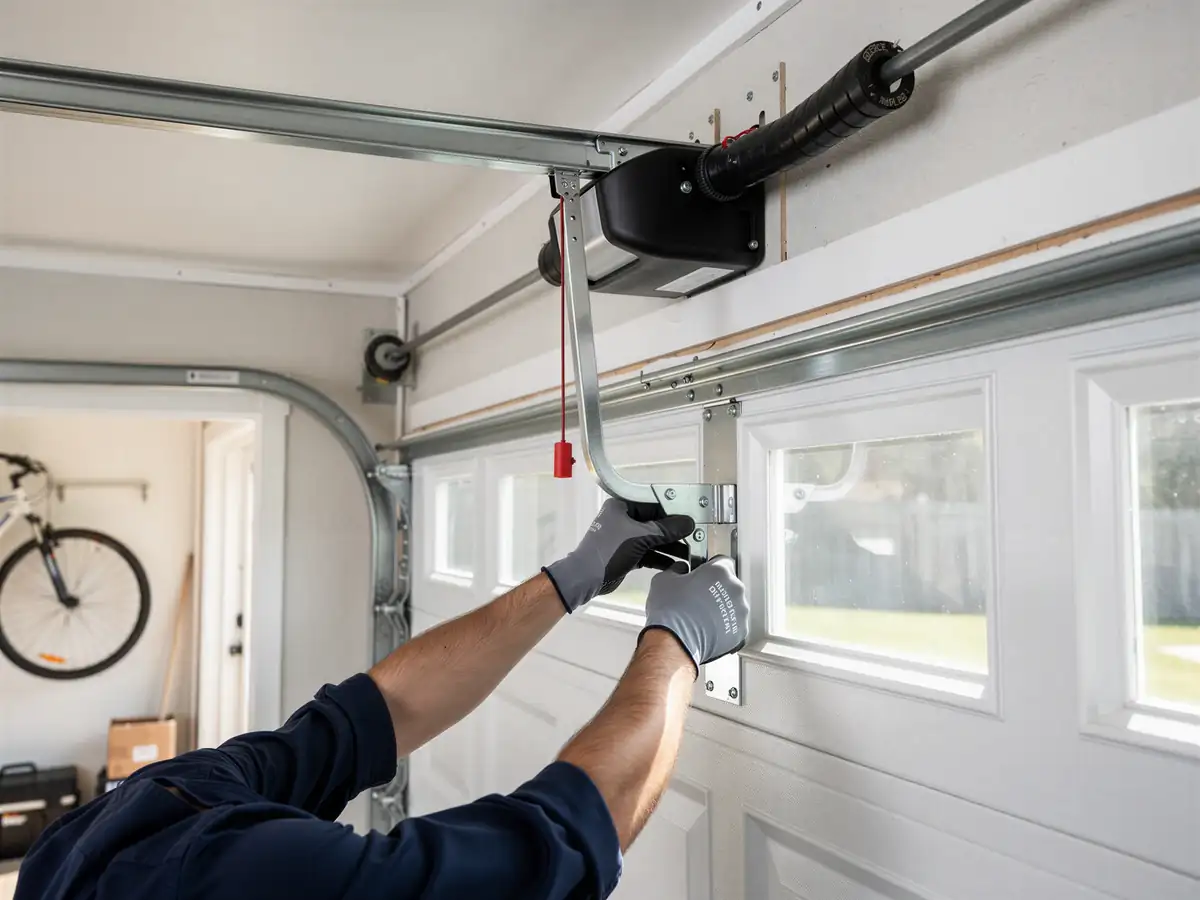
Most of the garage doors we see called in from Kennett Square went up around 1955, which puts them square in the middle of the area's 1938-1996 building window but on the older end of it. That means a lot of single-layer steel doors, sometimes still the narrower short-panel style builders used before insulated doors became standard, hung on steel tracks that have been repainted more than once. The symptom that brings people to the phone is usually the same: the door slams the last six inches instead of settling, or it won't budge past halfway and the opener just hums. On a door this age that's almost always a spring that's lost its temper, not the opener itself - the opener's usually the newest part on the whole assembly, swapped in sometime in the last fifteen years while the door and track stayed original. With only 2,150 households in Kennett Square, we're not covering a sprawl of new construction out here; it's a tight pocket of older homes where the door problems repeat house to house.
Doing It Yourself
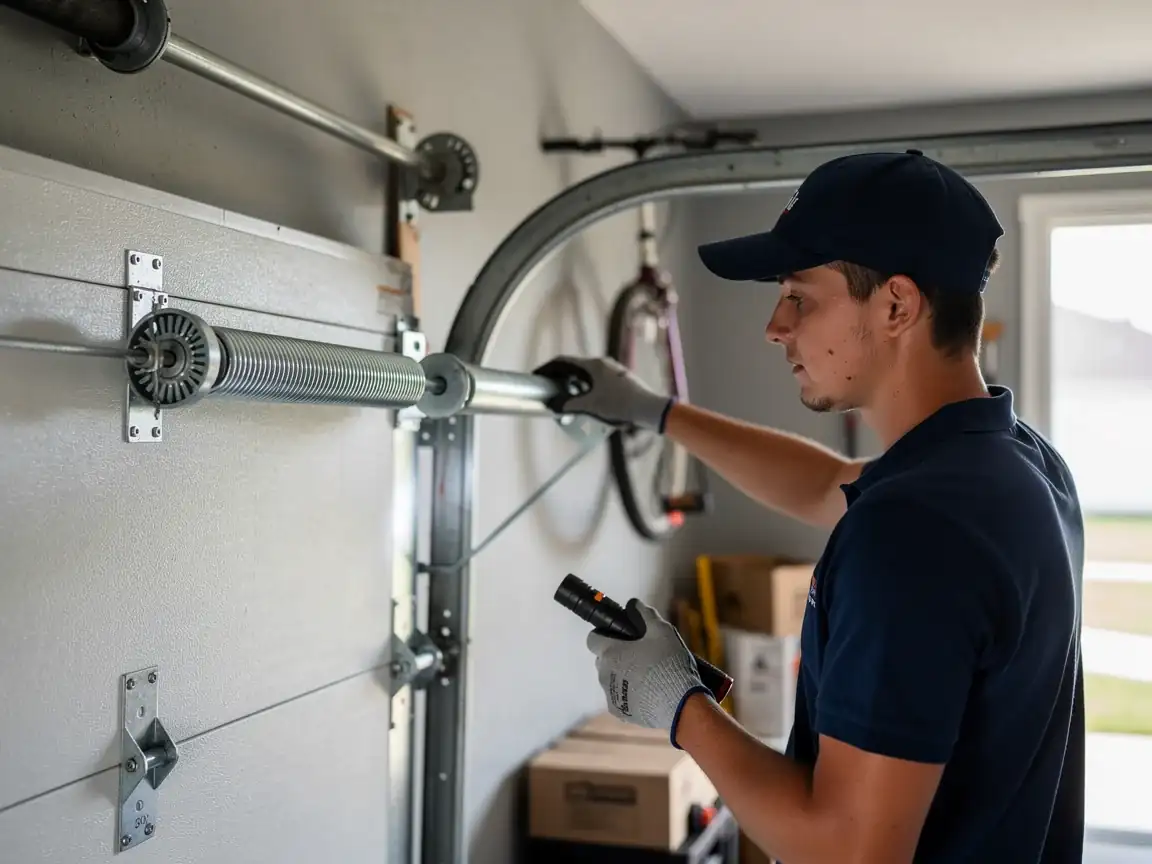
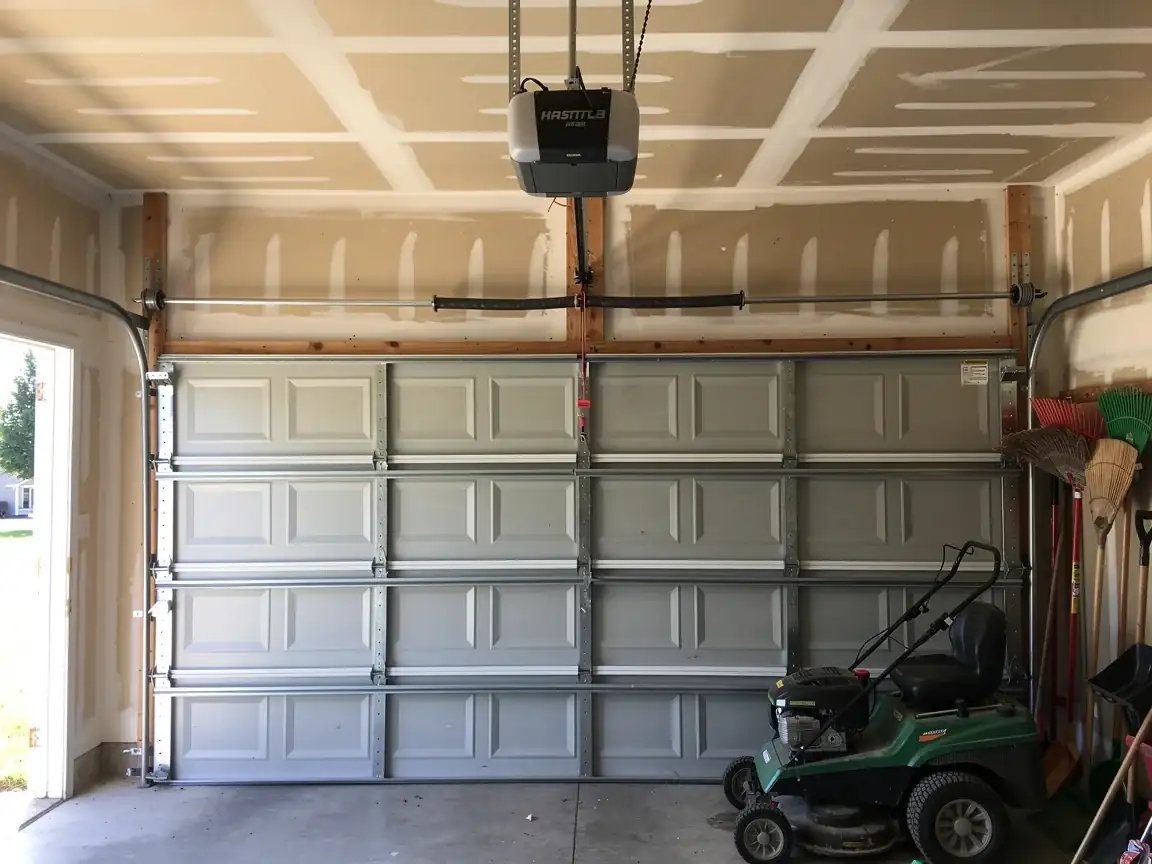
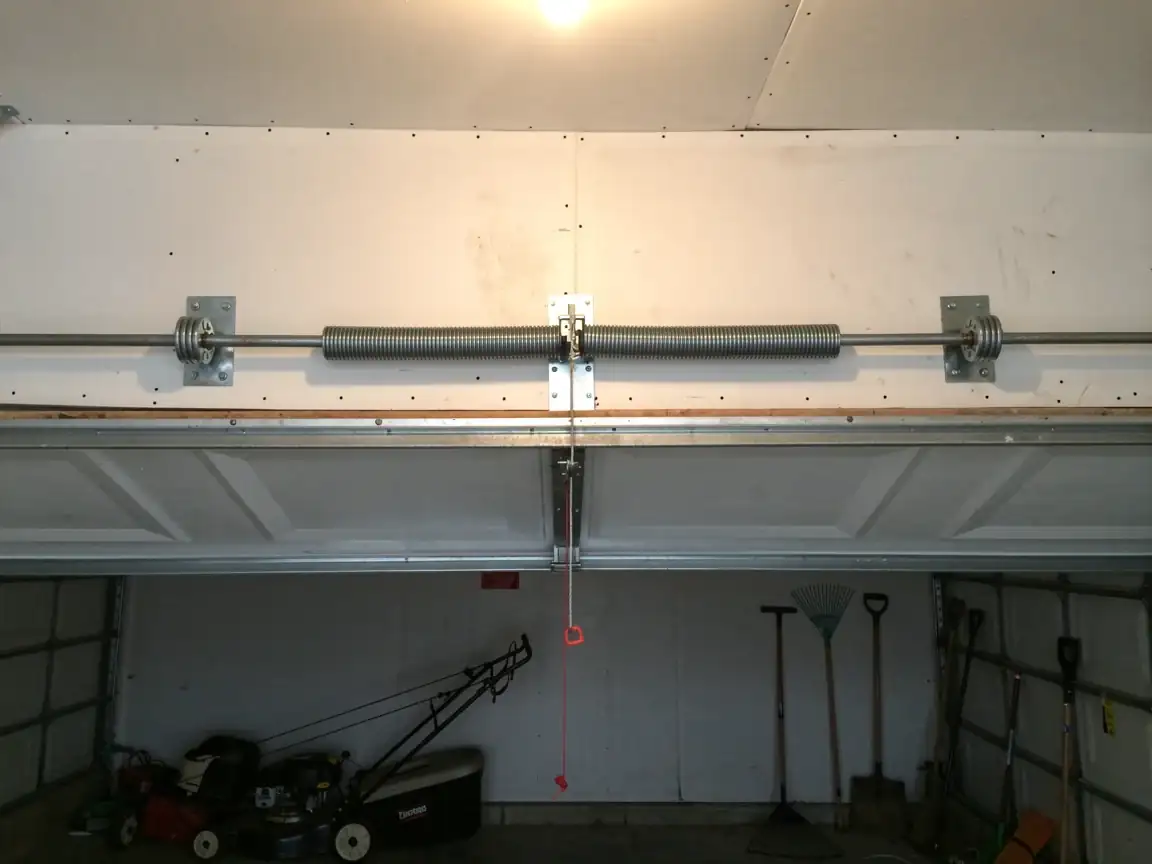
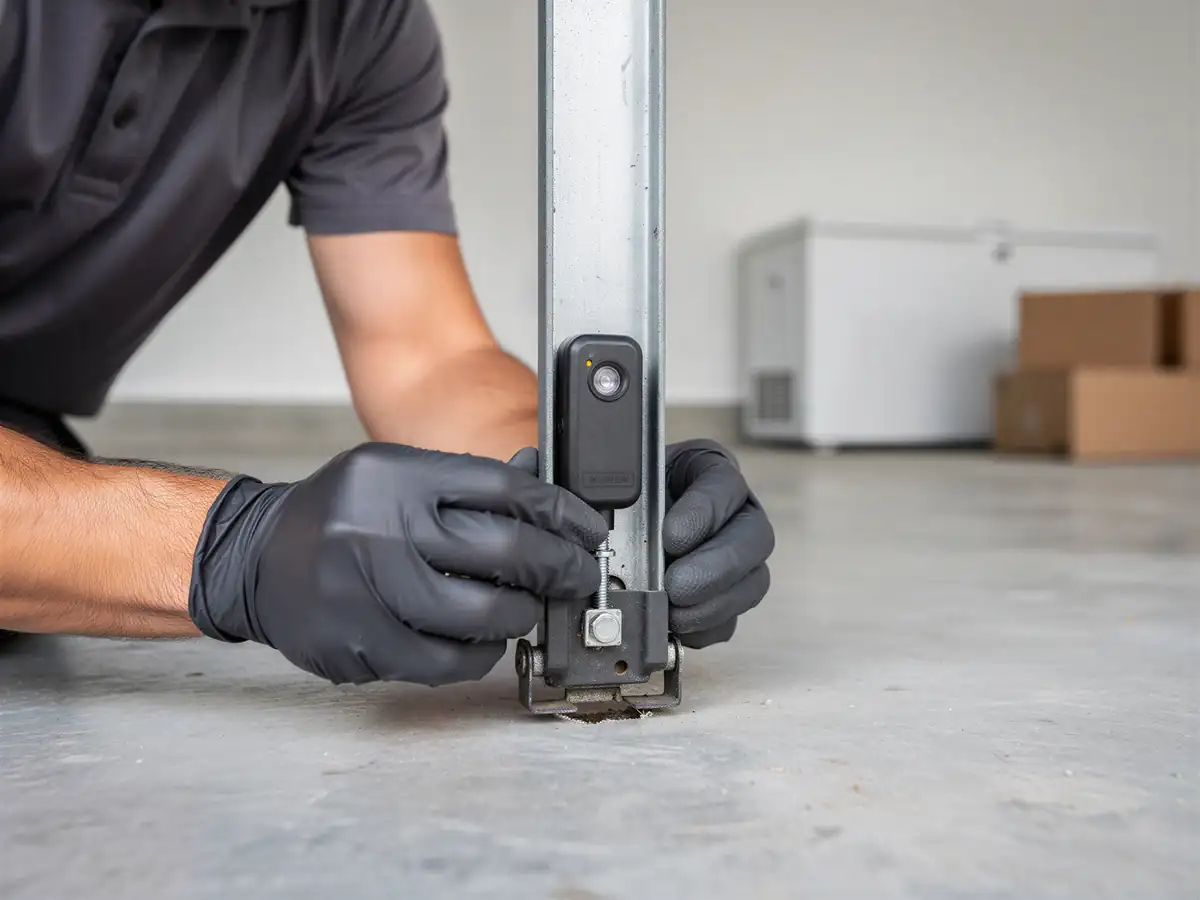
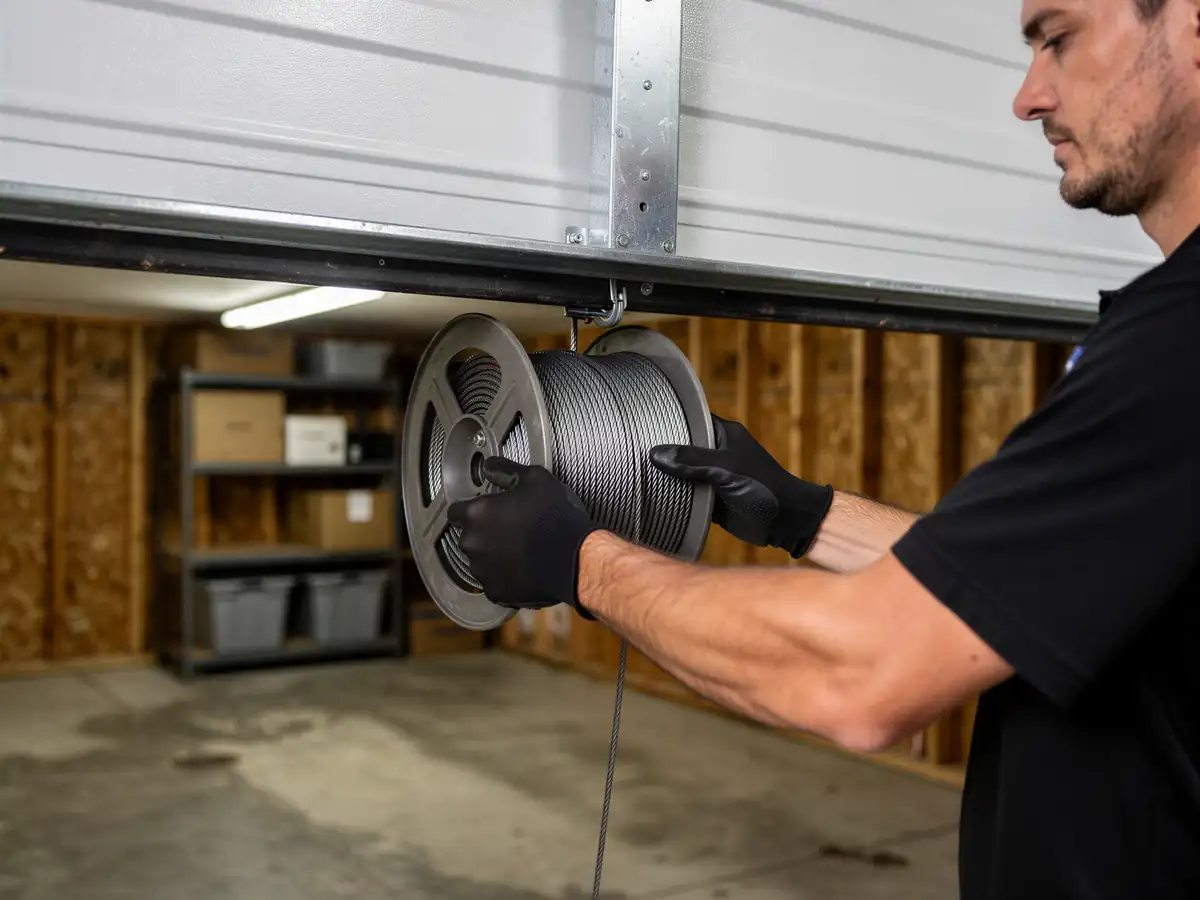
A torsion spring under tension can take a finger or worse, and on a door this old you're also dealing with track brackets that have been through seventy winters of expansion and contraction - the lag bolts strip more easily than they look like they would. Lubricating hinges and rollers, tightening visible bolts, and clearing the photo-eye sensors are fine to do yourself and worth doing before you call anyone. Replacing a spring, a cable, or a bent track section on a door built when Eisenhower was president is not a Saturday project we'd recommend. If the door is original to a 1955 build, the drum and shaft sizes sometimes don't match what's sold off the shelf today, and that's exactly the kind of mismatch that turns a DIY fix into a bigger repair.
What Is on the Truck
We stock standard torsion springs, extension springs, and cable in the sizes that cover the bulk of what the service area put up between 1938 and 1996 - that's F1 and F2 territory, the 1960s-70s stock mostly, but it overlaps with the 1955-era doors common in Kennett Square. What doesn't always ride on the truck is a replacement panel section for an original door from that period; those were often sold by builders in runs that don't line up with any current manufacturer's catalog. If a panel's bent beyond a cosmetic fix, we'll tell you that on-site rather than order a part that may not exist anymore. Rollers, hinges, openers, and standard safety sensors are stock items we carry every day, regardless of the house's age.
What Costs
We don't quote a price over the phone sight unseen, and we're not going to print one here that doesn't match what we'd actually charge once we're looking at your door. What we can tell you is what drives the number up or down: a spring swap on a standard door is a different job than sourcing or fabricating a panel for a 1955 original, and a door that's been limping along with a bent track usually costs more to fix than one caught early. Kennett Square's median household income sits at $74,259, noticeably below the roughly $100,000 median across the wider service area we cover from West Chester - we mention that only because it's part of why we don't pad a quote with work a door doesn't need.
What Causes It Around Here
The service area runs cold-climate winters hard on garage doors generally, but what makes Kennett Square's calls distinct is the age of the housing, not the weather alone. A door built in the mid-1950s has had seventy years of seasonal swelling and contracting in its wood jamb, if it still has the original jamb, and that shifts the track alignment a fraction at a time until a roller finally jumps it. We also see springs that were replaced decades ago with a size that was close enough at the time but is now undersized for the door's weight, which shortens the life of whatever spring comes after it. None of that is unique to any one house - it's a pattern tied to when this stretch of Kennett Square was built, not to any particular address.
How Long It Takes
We're not based in Kennett Square - we run the job from West Chester, about 10 miles out, so the drive is part of the timeline on top of the repair itself. Once we're on-site, a spring or cable swap on a standard door usually wraps in under two hours; sourcing or fabricating a panel for an original 1955-era door takes longer and sometimes means a second visit once the part's in hand. We'd rather tell you a job needs a return trip than rush a fix on a door that's already outlasted three or four openers.
How it works
From “it’s stuck” to “it’s fixed”
01
Tell us what’s wrong
Describe the symptom - won’t open, loud bang, opener runs but the door won’t move.
02
On-site diagnosis
A technician tests the door under power and by hand and finds what actually failed.
03
Clear, up-front plan
You get the fix that’s needed and what drives the cost - before any work starts.
04
Repaired & tested
The repair is done, the door is set true and tested, and the work area left clean.
Not sure which repair your door needs in West Chester, PA? Describe what it’s doing - every job starts with a diagnosis.
Straight answers about garage door repair in West Chester. Still unsure? Ask us directly.
Is my garage door too old to repair instead of replace?
Not automatically. A lot of what's original to Kennett Square's 1955-era homes is still fixable - springs, cables, rollers, and track all have modern equivalents that fit. Where it gets harder is a bent or rusted-through panel from that era, since the original panel dimensions don't always match what's sold today. We'll tell you honestly on-site which side of that line your door falls on.
Do you have a shop in Kennett Square?
No. We're based in West Chester, about 10 miles away, and we drive out to Kennett Square for service calls. We don't keep a local branch or depot here, so we're upfront that the trip is part of scheduling a visit.
Why did my spring break again so soon after the last repair?
On older doors, a previous repair sometimes used a spring sized close enough for the door's weight but not exact. That shortens the life of the replacement. If your door's original to a mid-1950s build, we check the actual weight and size before installing anything, rather than matching whatever was there.