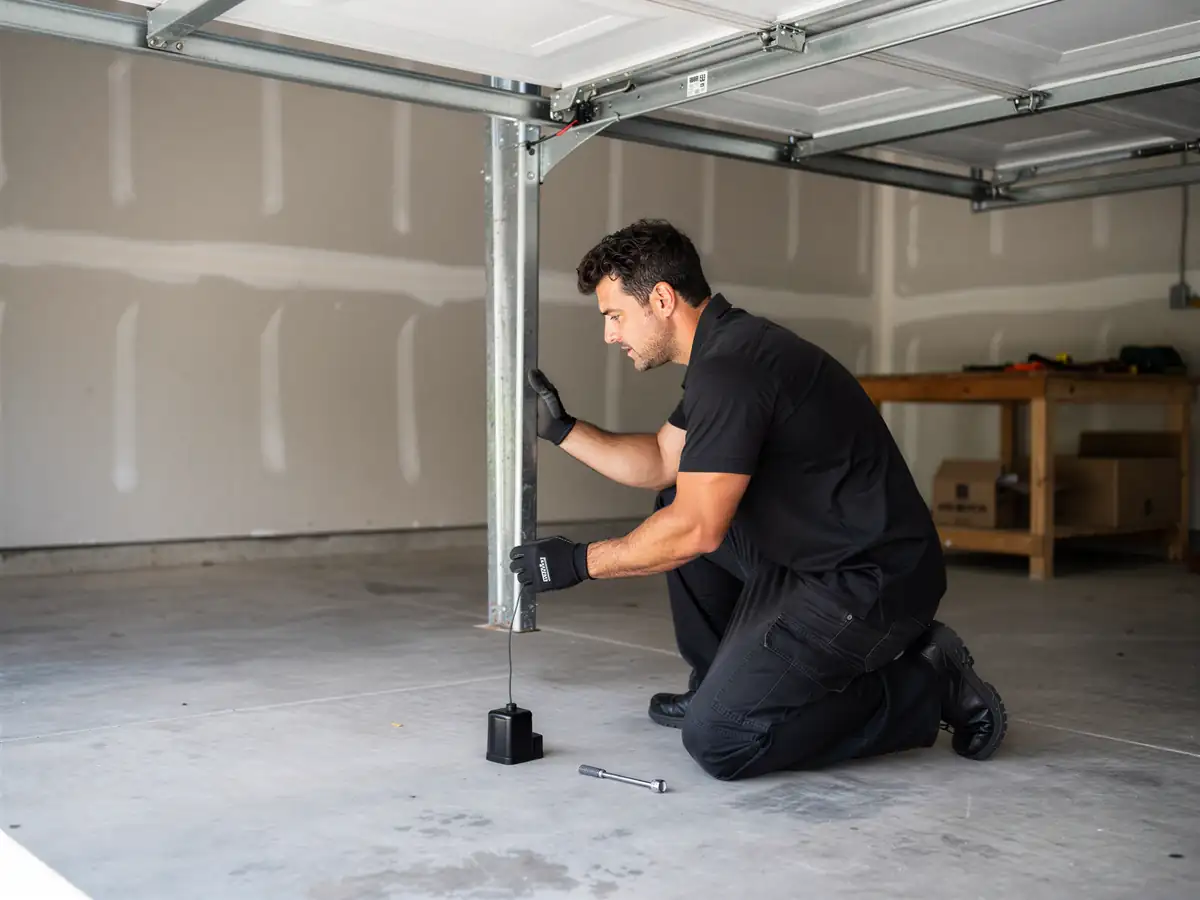
Exton's homes went up decades after most of the service area, which changes what fails in the opener. See what we carry on the truck for the trip out from West Chester.
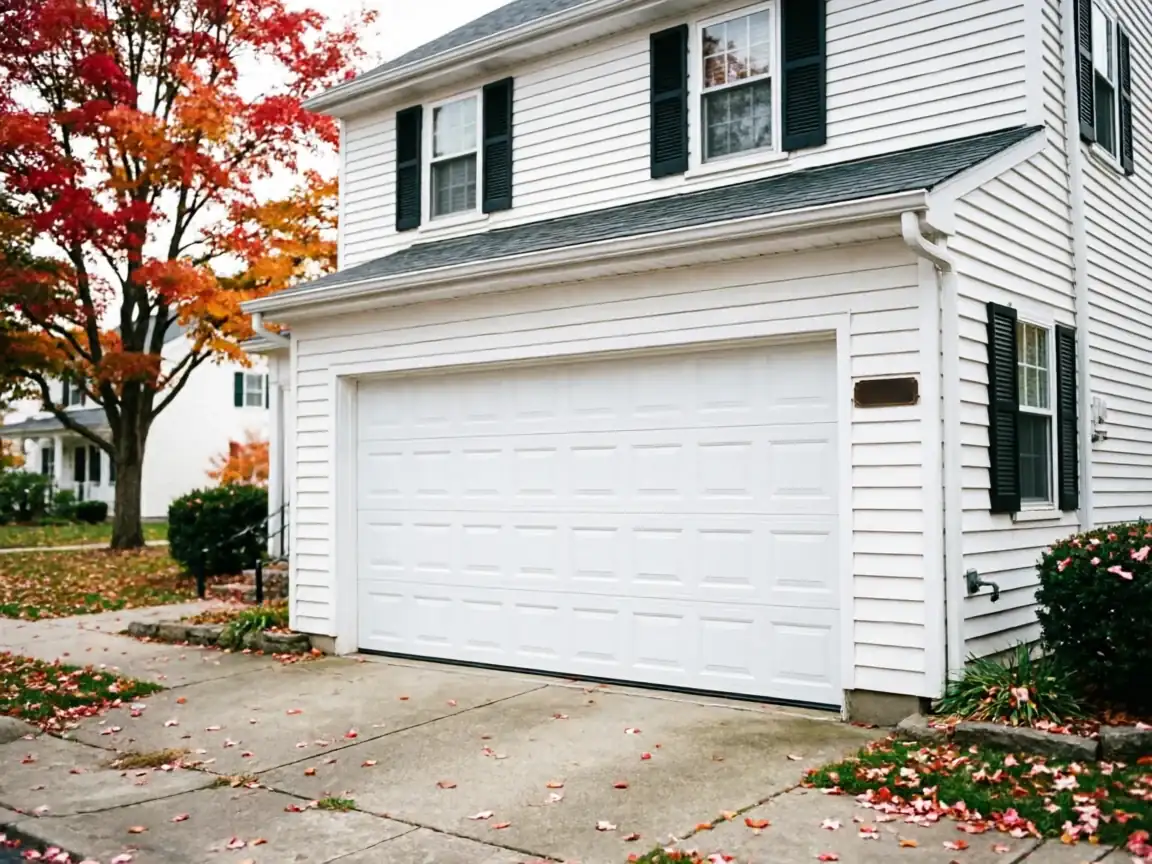
Exton's median home dates to about 1993, which is a good three decades newer than the 1960 median across the wider service area we cover from West Chester. That gap matters more than it sounds like it should. A door and opener installed new in a 1993 build is now pushing 25 to 30 years old, which is right where builder-grade chain-drive openers start failing for good: the logic board loses its memory of the limit settings, the drive gear inside the housing strips its teeth, or the capacitor that gives the motor its initial kick goes weak and the unit hums without lifting. Houses in the older parts of the service area, where the median build year runs closer to 1960, have usually been through at least one opener swap already, so what we find on those calls skews newer. Exton skews the other way. A lot of what we pull out here is still the original unit, just worn down to the point where a board or gear repair is worth doing instead of an outright replacement. That's the call we make on site, not over the phone.
The Complications
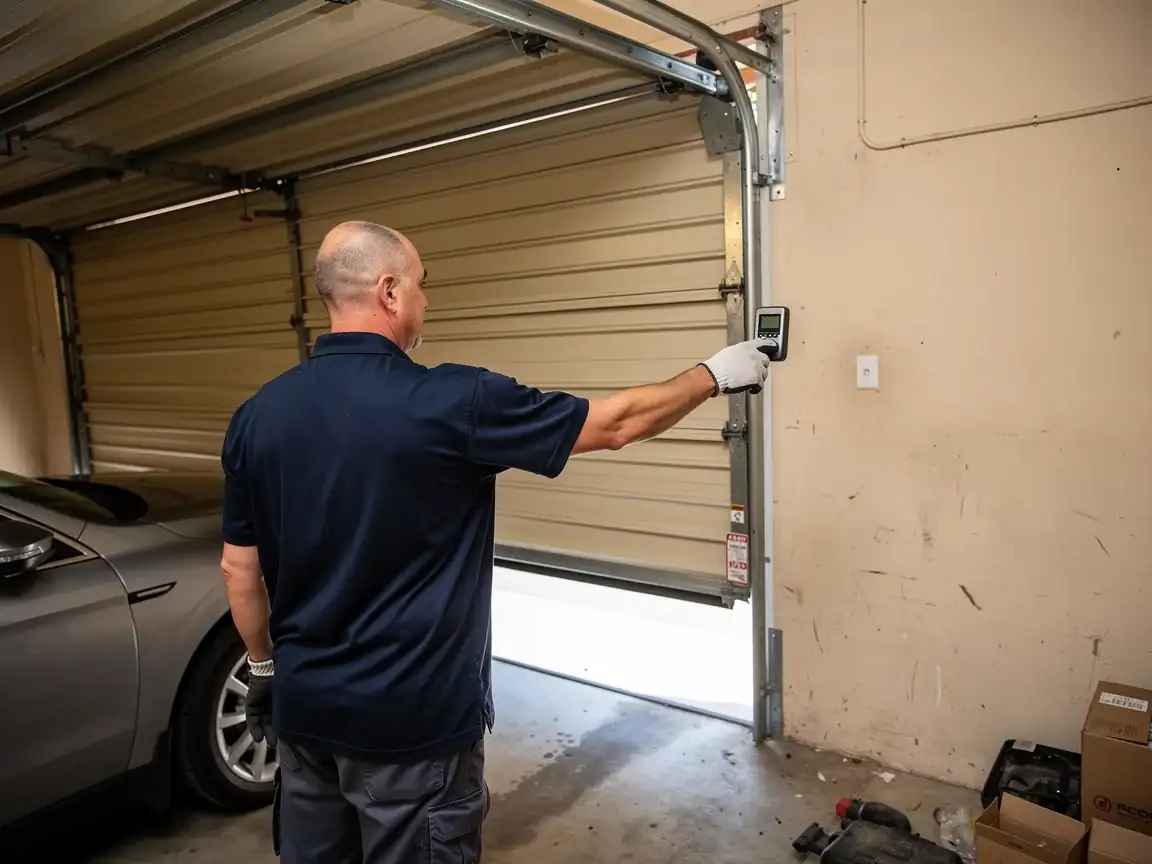
The region sits in a cold-severe climate band, and cold is hard on the parts of an opener that depend on precise alignment and clean electrical contact. Photo-eye safety sensors drift out of true alignment as a garage goes through a winter's worth of temperature swings, and a sensor that's a few degrees off will stop the door from closing at all, which gets misread as a dead opener when it isn't. Builder-installed units from the early-to-mid 1990s also tend to be proprietary to whatever opener brand the developer used on that whole subdivision, and matching a replacement drive gear or circuit board to a 30-year-old housing isn't always a same-day parts job. Sometimes the honest answer is that the exact board isn't made anymore and the fix is a new head unit on the existing rail rather than a repair, which saves the track and the rail hardware even if it doesn't save the original motor.
How Long It Takes
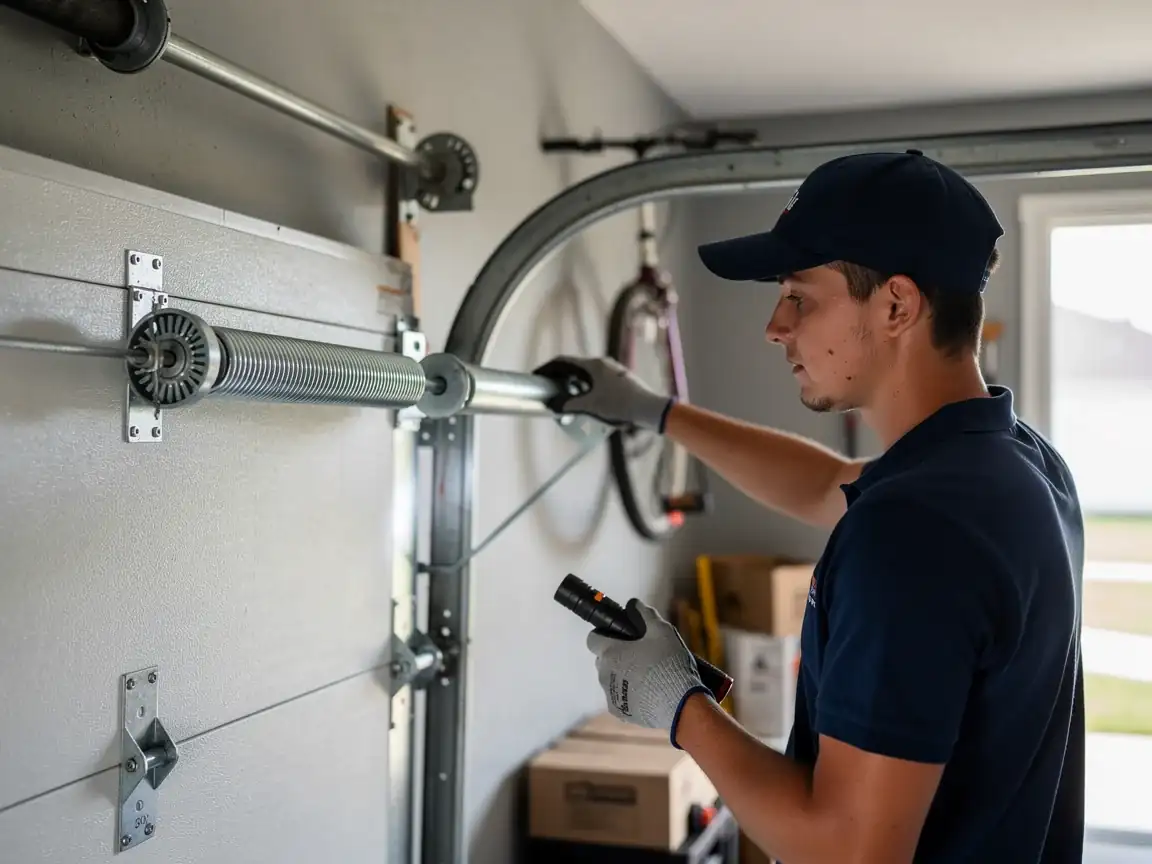
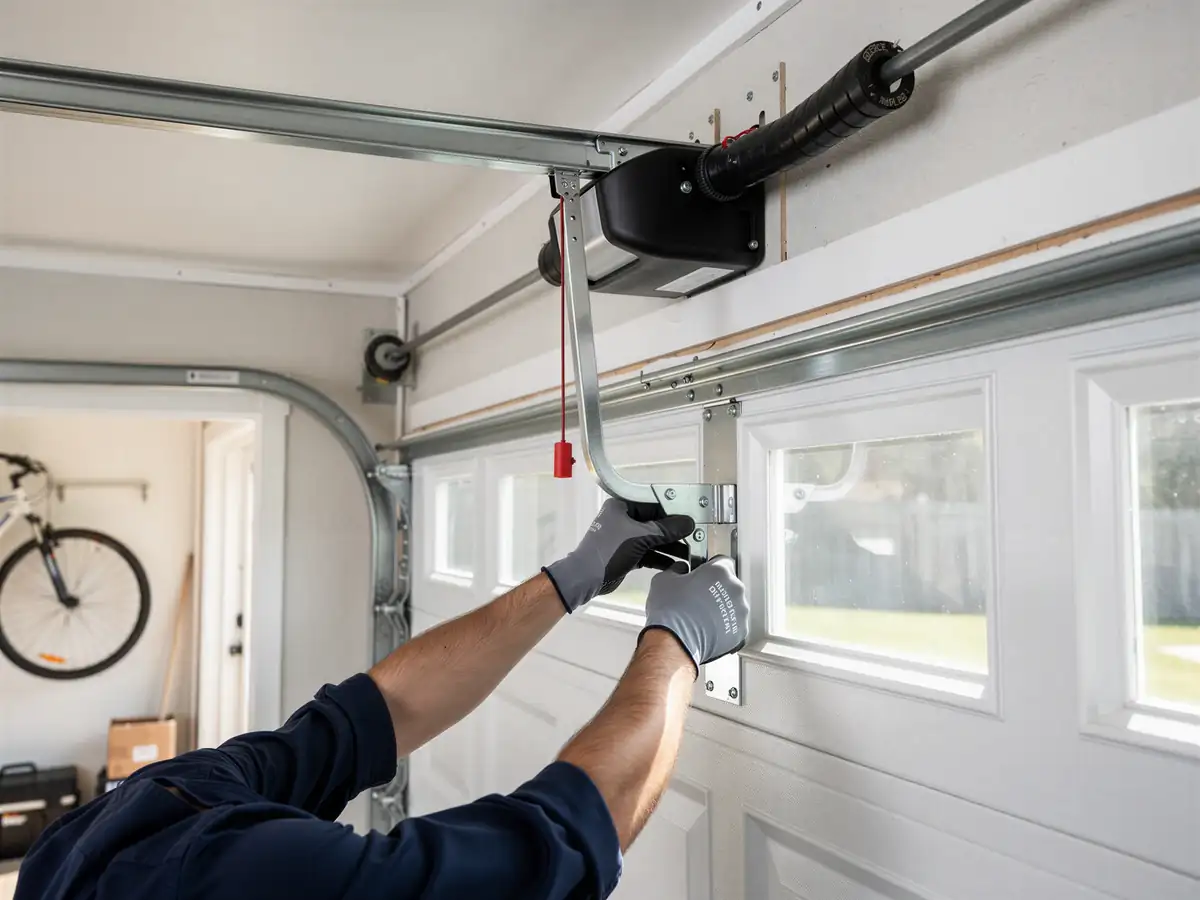
Most opener calls split into two kinds of job. Diagnosis, sensor realignment, a gear swap, or a logic board replacement is usually a shorter visit once we're on site and have the unit open. Replacing the whole opener head and keeping the existing rail and track takes longer, since it means disconnecting and remounting the drive, re-running the travel limits, and testing the safety reverse more than once before we call it done. We don't quote a fixed time over the phone, because we don't know which of those two jobs it is until we've had the cover off and watched it cycle. Parts availability can stretch things too - if your opener is the original builder unit from a 1990s install and the exact board isn't stocked, we'll say so rather than guess at an arrival date for a part we haven't ordered yet.
What It Costs
We don't post prices for opener work here because a gear or sensor fix and a full head-unit replacement aren't the same job and don't belong on the same price line. What we can say is that Exton's household income runs well above the service area's median - a difference that shows up in the calls themselves. We see more homeowners here choose a full opener replacement with a battery backup or a newer drive system over a patch repair on a unit that's already near the end of its working life, since the cost difference between the two options is smaller than the difference in how long each one lasts. We'll lay out both options with the actual parts and labor in front of us before any work starts, not before.
What Is on the Truck
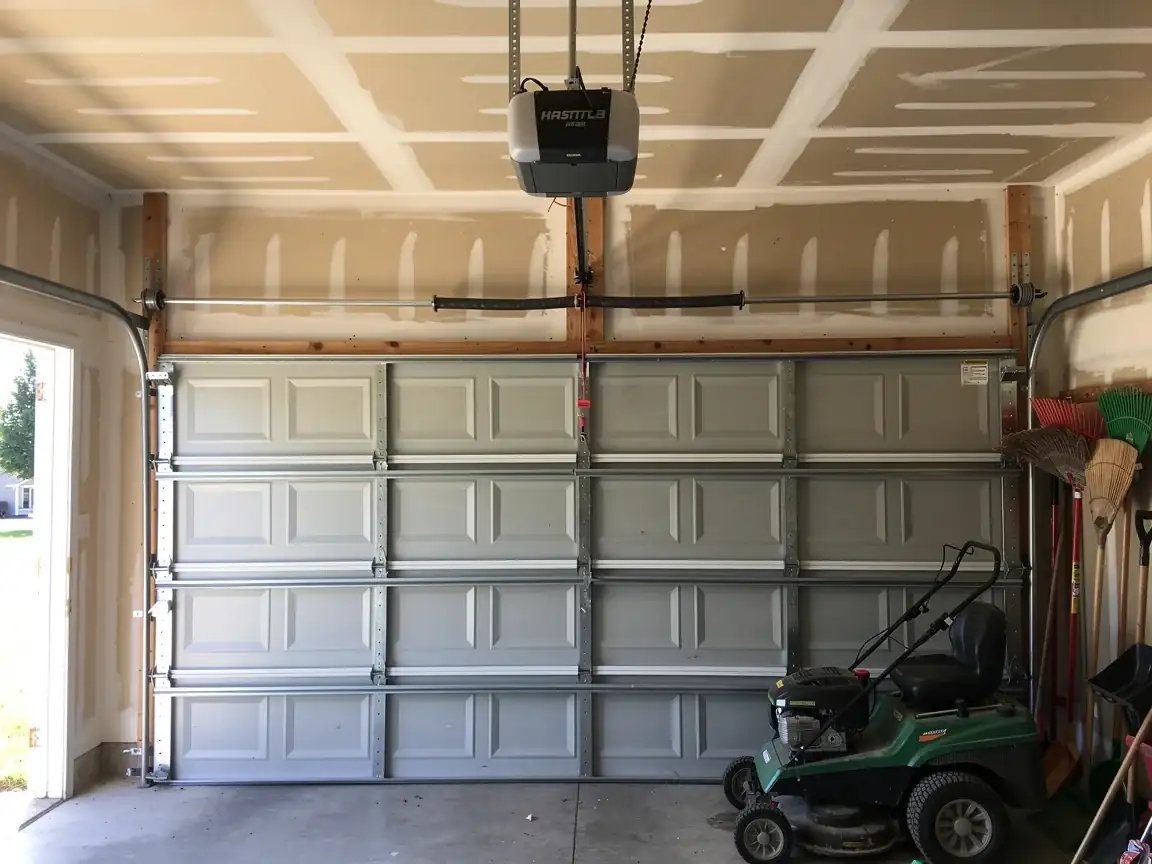
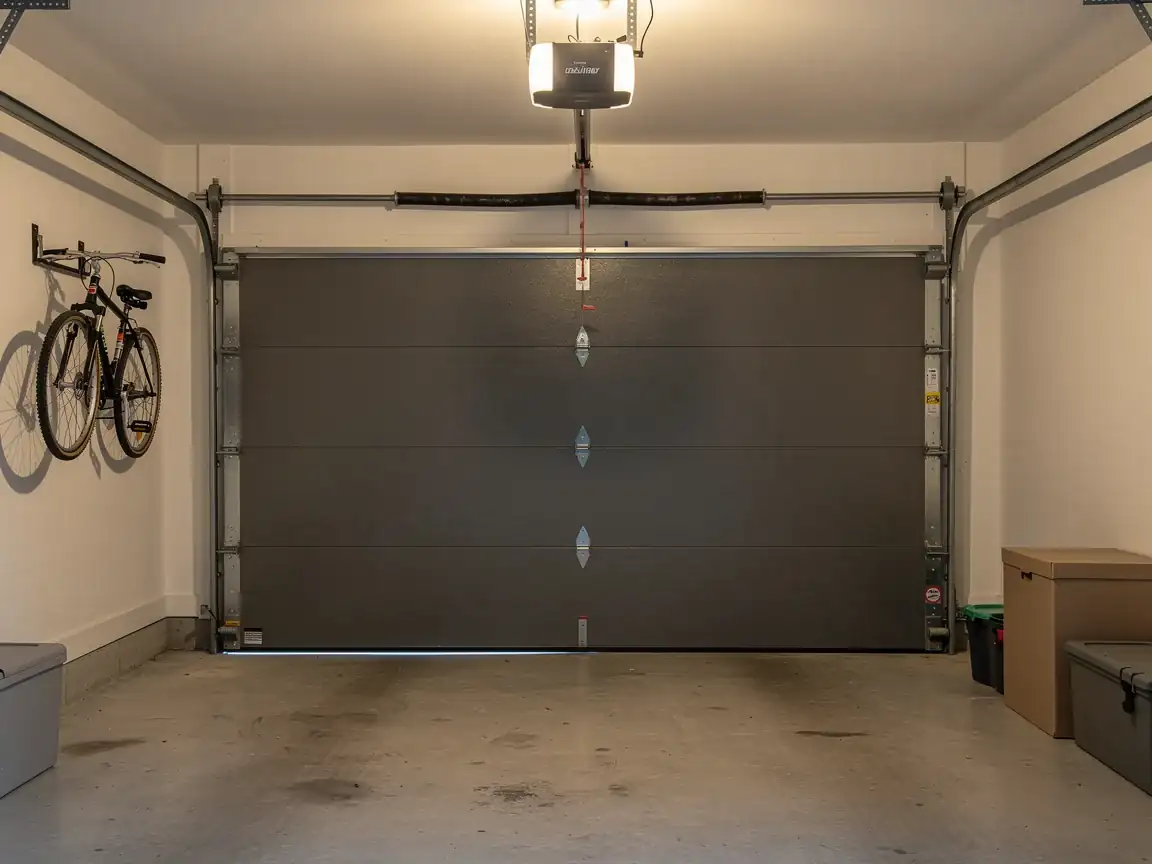
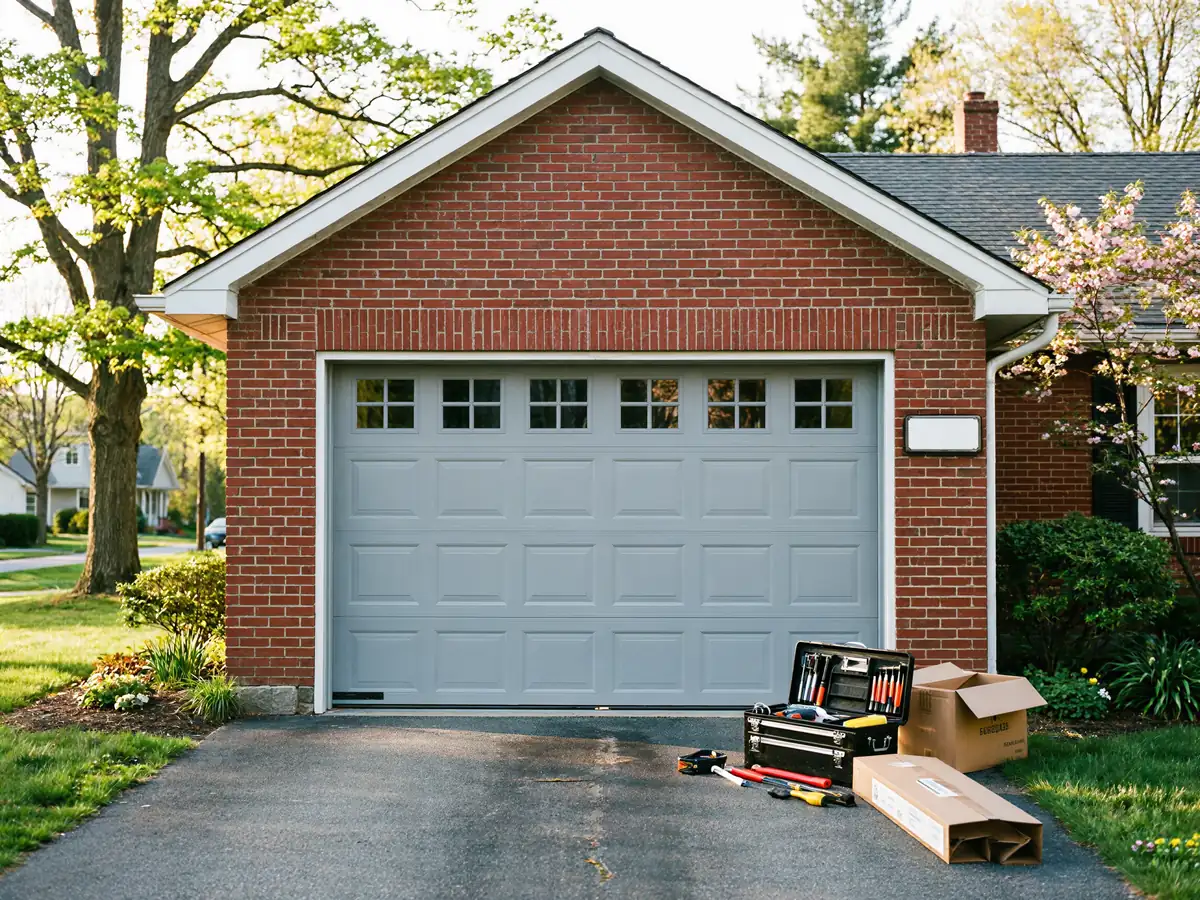
For opener calls we carry replacement logic boards and drive gears for the chain and belt-drive models most common in builds from the 1990s and 2000s, photo-eye safety sensor pairs, remotes and keypads, and full head-unit replacements for when the original board isn't salvageable. We also carry the rail and trolley hardware separately, since a lot of the time the rail outlasts the motor and doesn't need replacing just because the head unit does. What we don't carry is every proprietary board for every builder-brand opener ever installed - if yours is one of the less common ones, we'll tell you on site whether we can get the part or whether a new unit is the faster, more sensible path.
Doing It Yourself
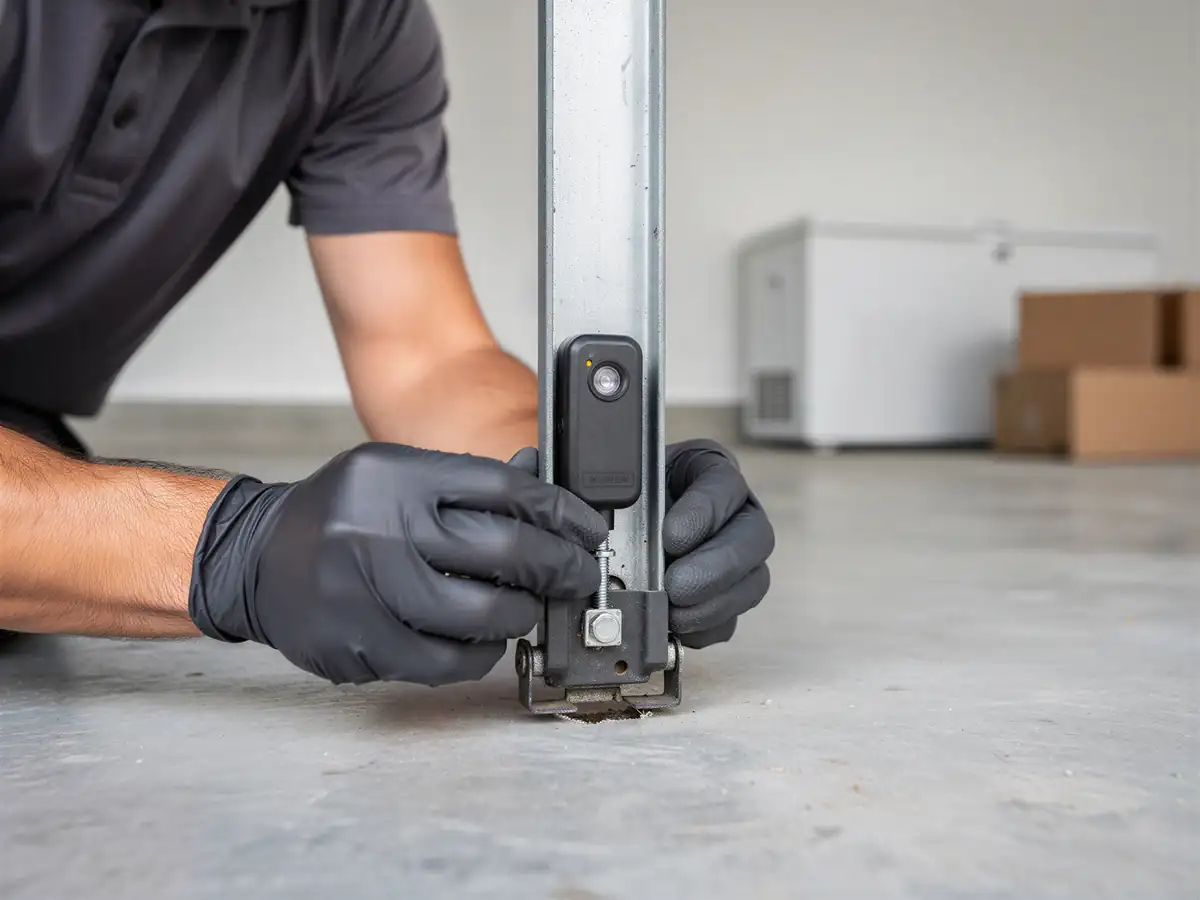
Some of this is worth checking before you call anyone. If the door won't close, check that the two photo-eye sensors near the floor are aimed at each other and that nothing - a bike, a bin, a shift in the bracket - is blocking the beam between them; this is the single most common no-close complaint and it costs nothing to check. A dead remote is often a battery, not a board. Where we draw the line is the opener housing itself: the drive gear and logic board sit next to a loaded system, and opening the case on a unit you don't work on regularly is how people get hurt or turn a $40 part into a cracked housing. If you've checked the sensors and the remote batteries and it's still not working, that's a call, not a project.
How it works
From “it’s stuck” to “it’s fixed”
01
Tell us what’s wrong
Describe the symptom - won’t open, loud bang, opener runs but the door won’t move.
02
On-site diagnosis
A technician tests the door under power and by hand and finds what actually failed.
03
Clear, up-front plan
You get the fix that’s needed and what drives the cost - before any work starts.
04
Repaired & tested
The repair is done, the door is set true and tested, and the work area left clean.
Not sure which repair your door needs in West Chester, PA? Describe what it’s doing - every job starts with a diagnosis.
Straight answers about garage door repair in West Chester. Still unsure? Ask us directly.
Is my opener original to the house if it was built in the early 1990s?
Often, yes. A lot of Exton's housing stock dates to right around 1993, and builder-installed chain-drive openers from that era are now at or past the point where boards and gears wear out. We check the manufacture date on the unit itself during the visit rather than guessing from the house's age alone.
Why does my door open but not close?
Nine times out of ten this is a photo-eye safety sensor that's drifted out of alignment or has something blocking its beam near the floor. Cold-weather temperature swings, common in this climate, can shift a sensor bracket over a season or two. We check alignment before assuming it's a board or motor problem.
Do you keep a truck stocked near Exton?
We run out of West Chester, about 5 miles away, and stock opener parts - boards, gears, sensors, remotes - on the truck for that trip. We don't keep a separate depot in Exton itself.