Garage Door Maintenance for Coatesville's Older Housing Stock
Coatesville homes run older than the rest of our service area - early 1950s builds with original hardware. Here's what that means for upkeep, parts, and cost.
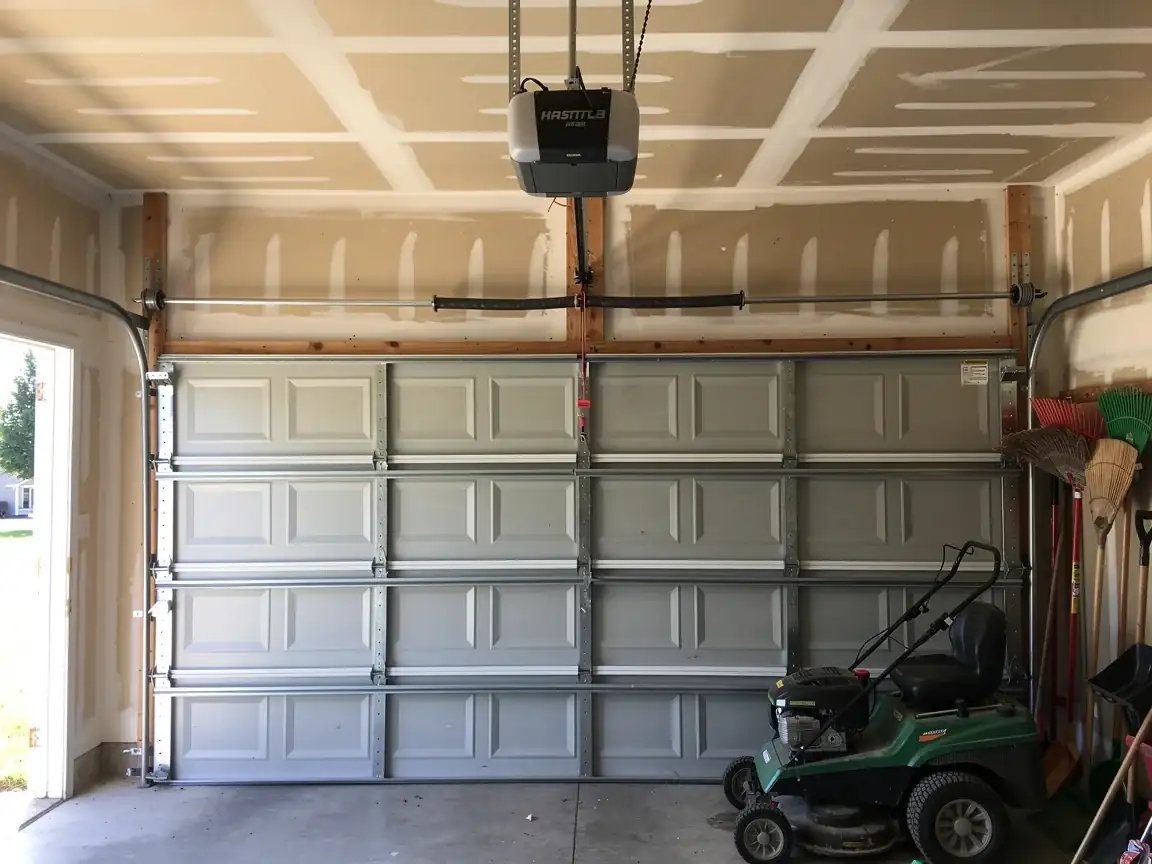
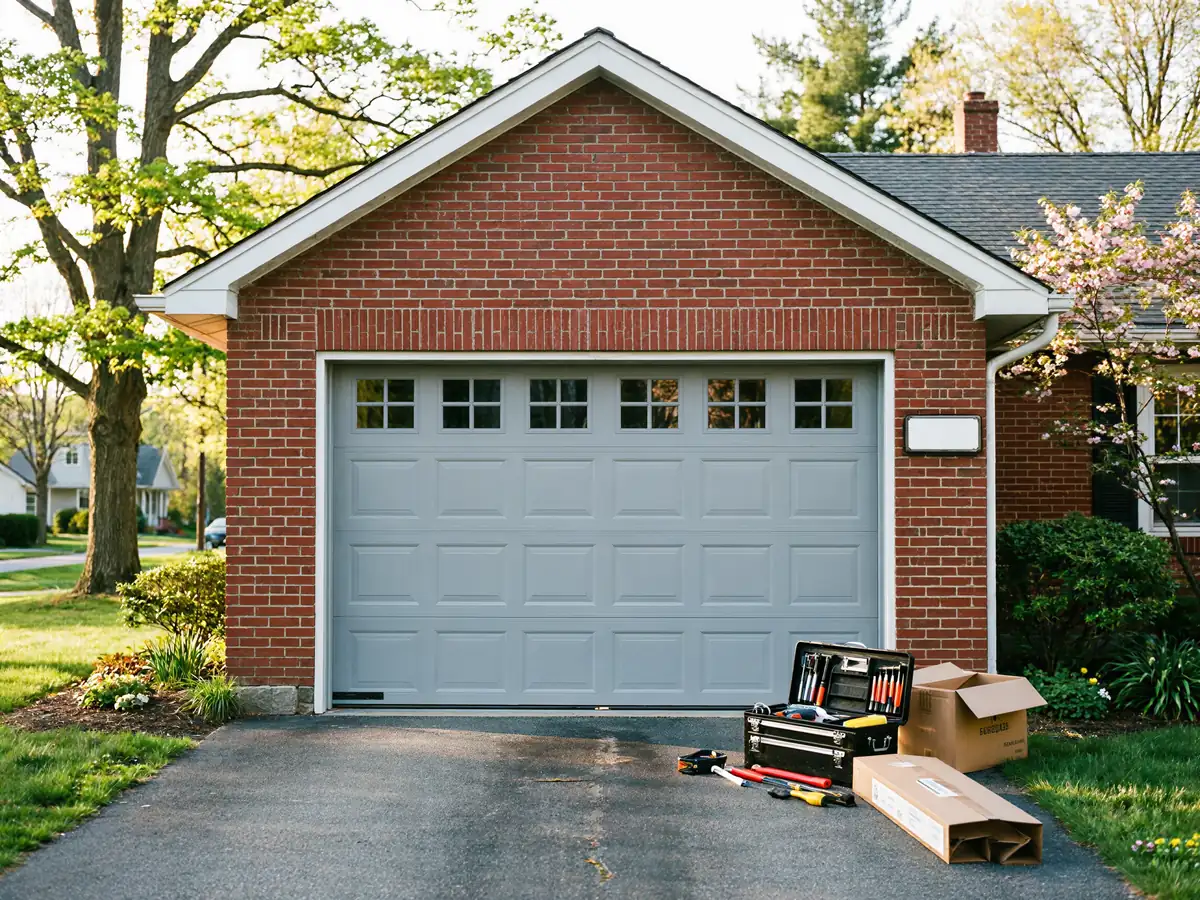
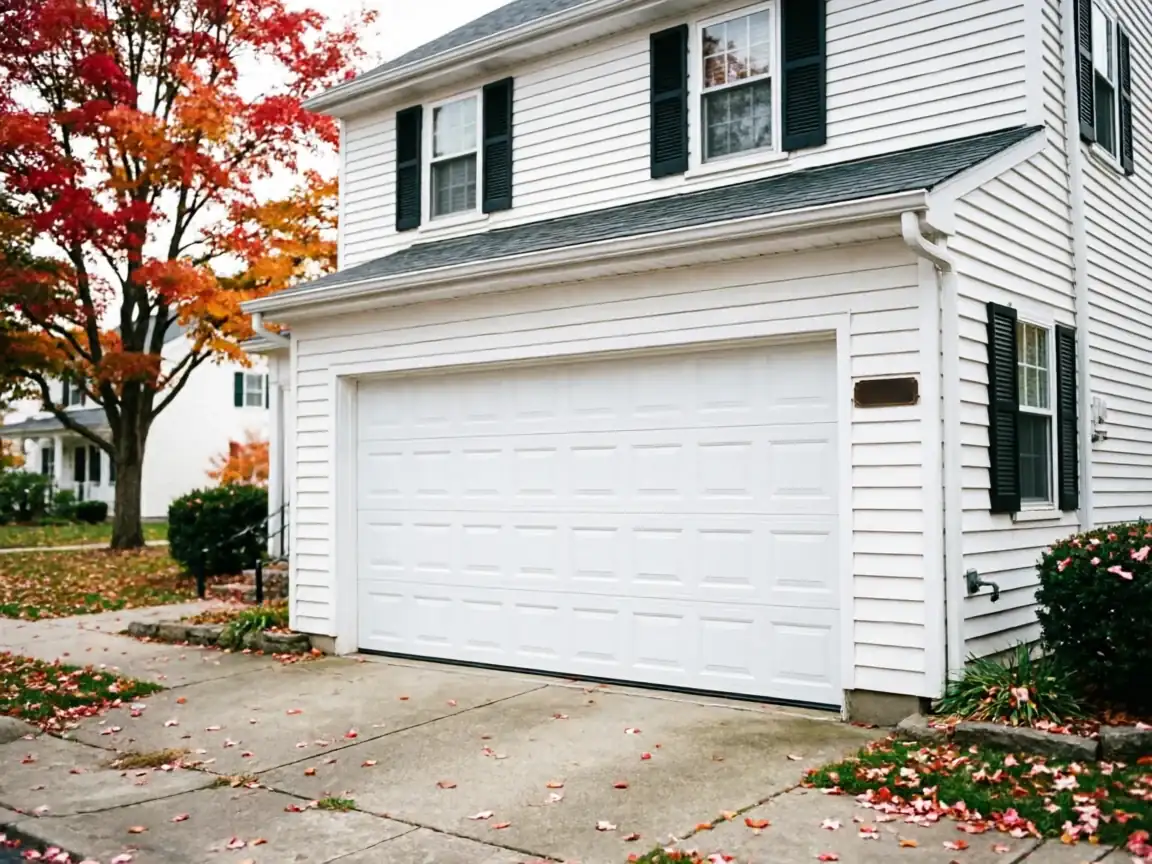
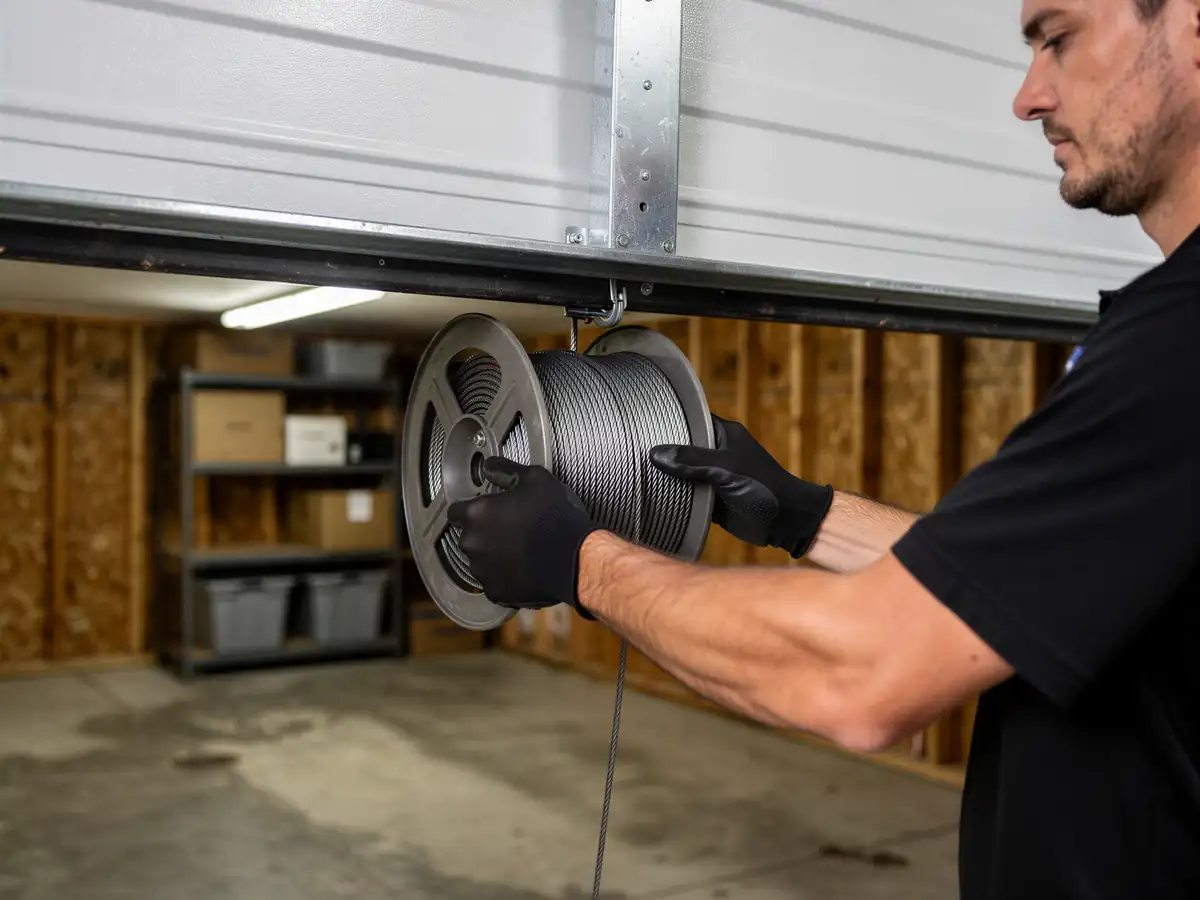
Coatesville's housing stock centers on 1952, which is about eight years earlier than the 1960 median across the rest of the service area we cover out of West Chester. That gap matters more than it sounds. A door and opener installed or replaced on a house built in the early 1950s has usually been through at least one hardware generation that nobody else in the area has - older drum-style cable setups, non-standard track widths, openers bolted to framing that was never meant to carry a modern unit's weight. With 4,910 households in Coatesville, a good share of them are still running springs and tracks original to houses from that era, just quietly aging. Add the region's cold, harsh winters, and steel lifts tighter in January than June - lubricant that worked fine in October gets stiff, and a spring already fatigued from 70 years of cycles is the one that lets go on the coldest morning of the year. This isn't a city-wide problem. It's specific to the decade these houses went up, and it's why a maintenance visit here looks for different wear than one in a neighborhood built in the 1980s.
Doing It Yourself
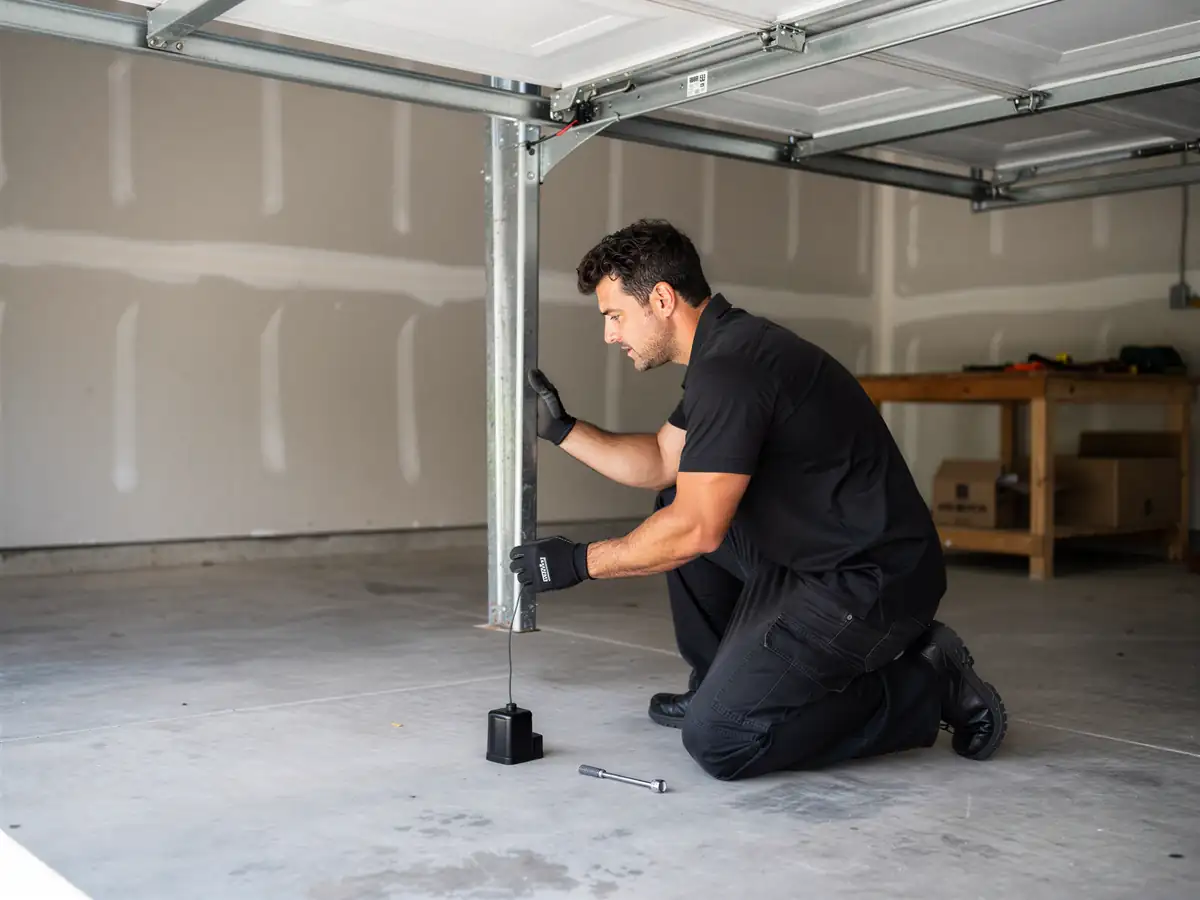
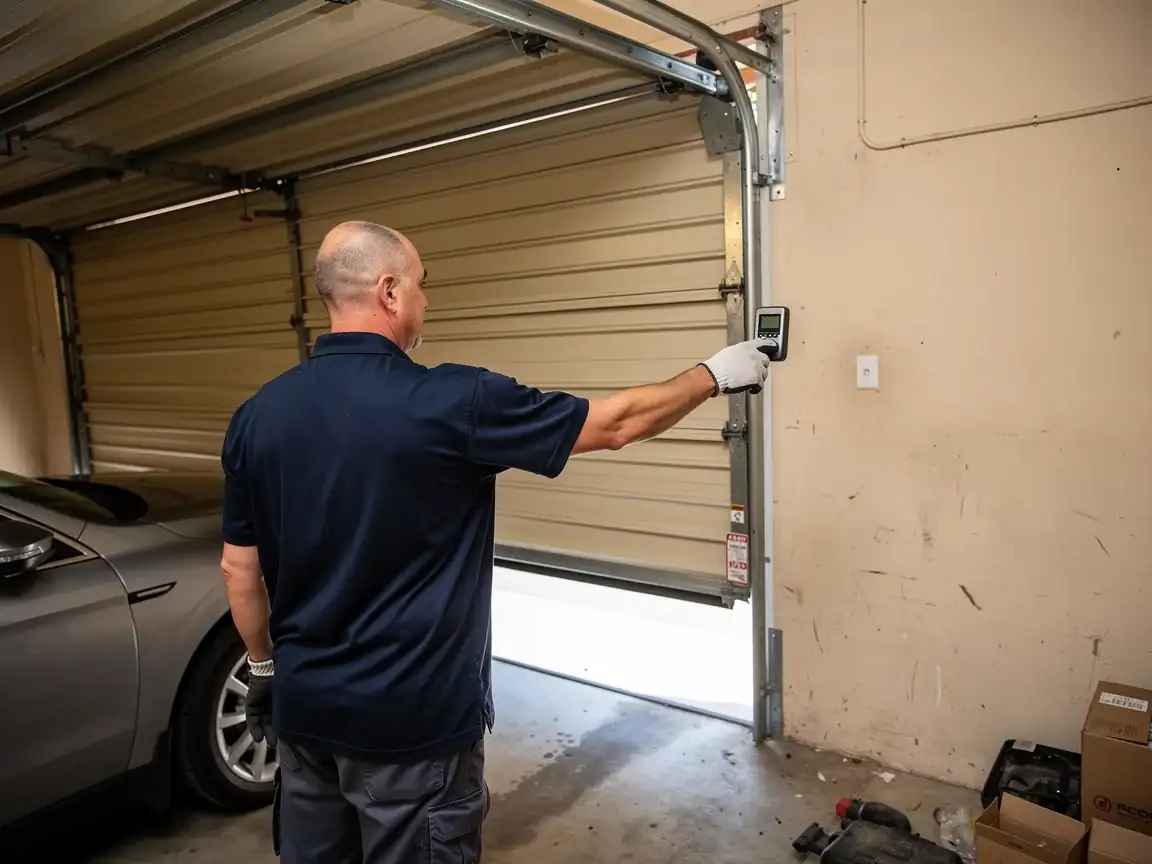
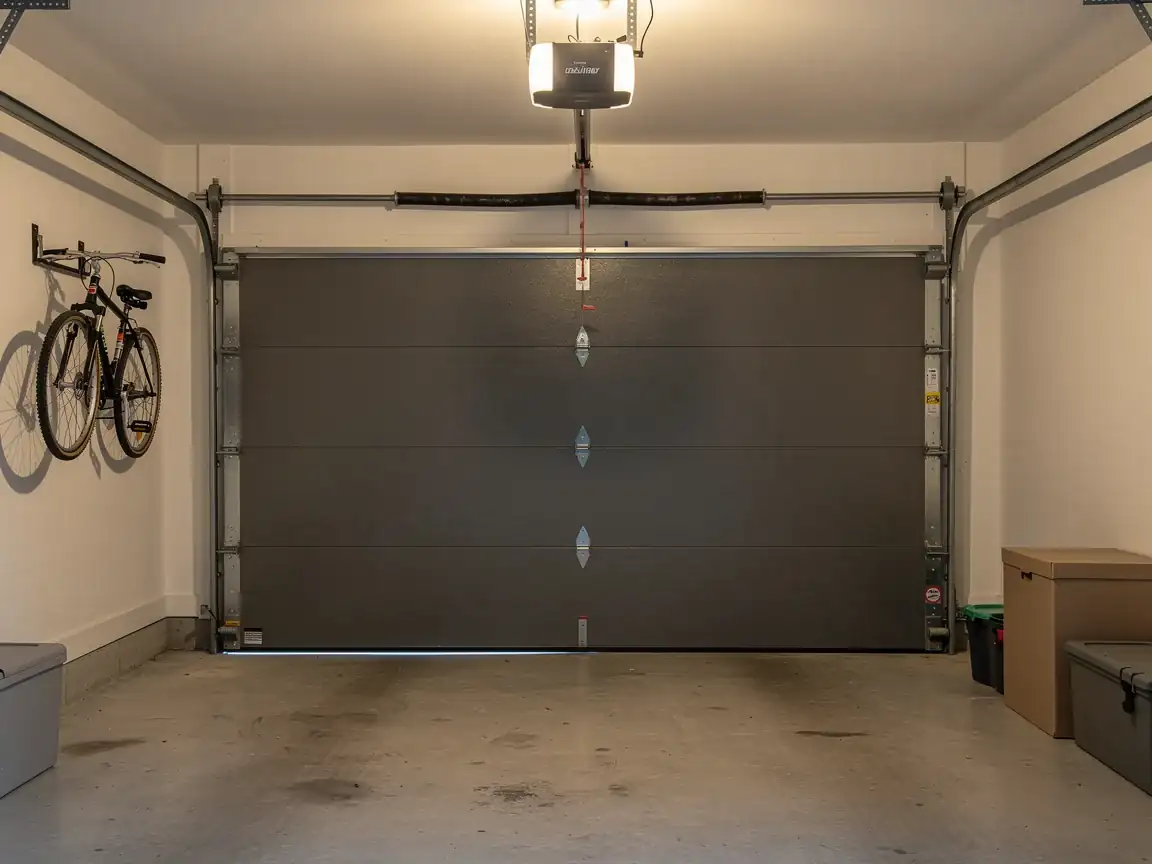
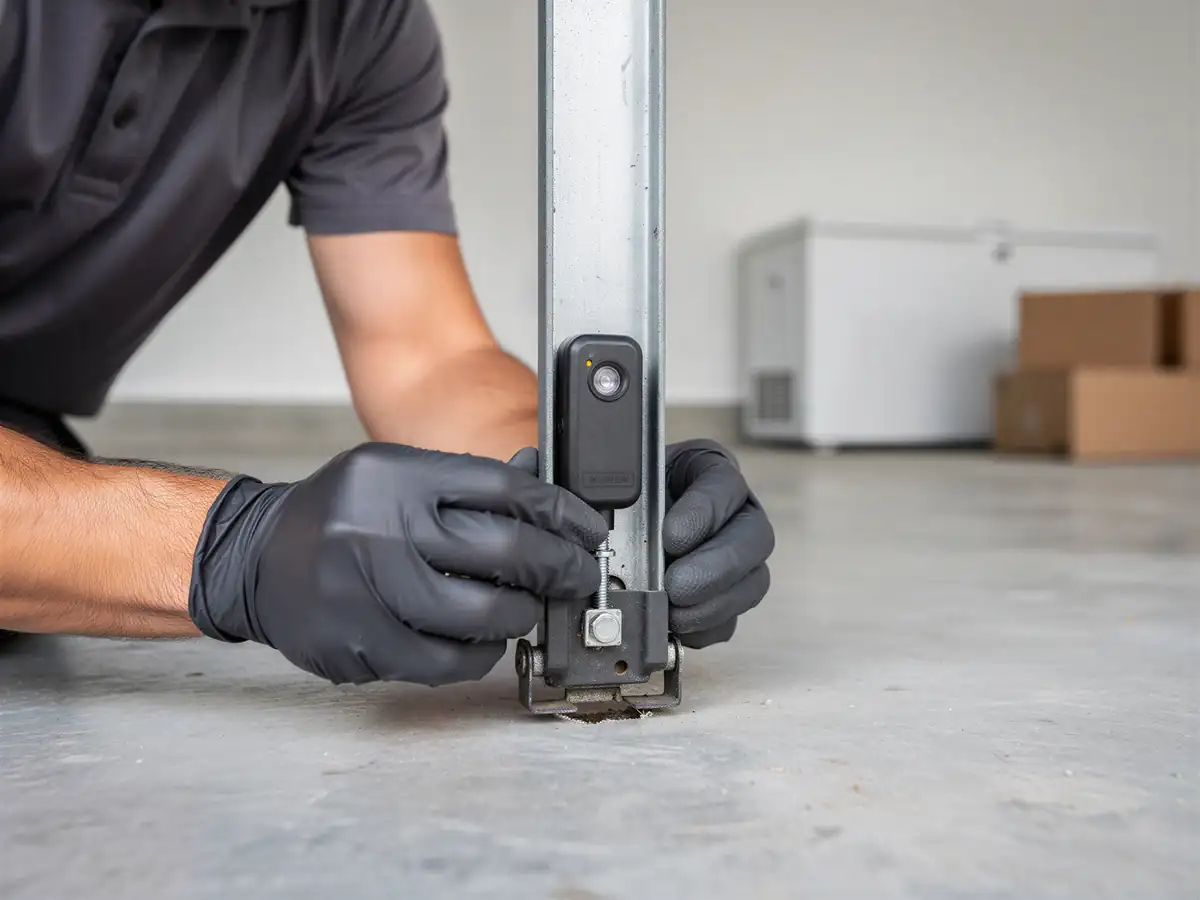
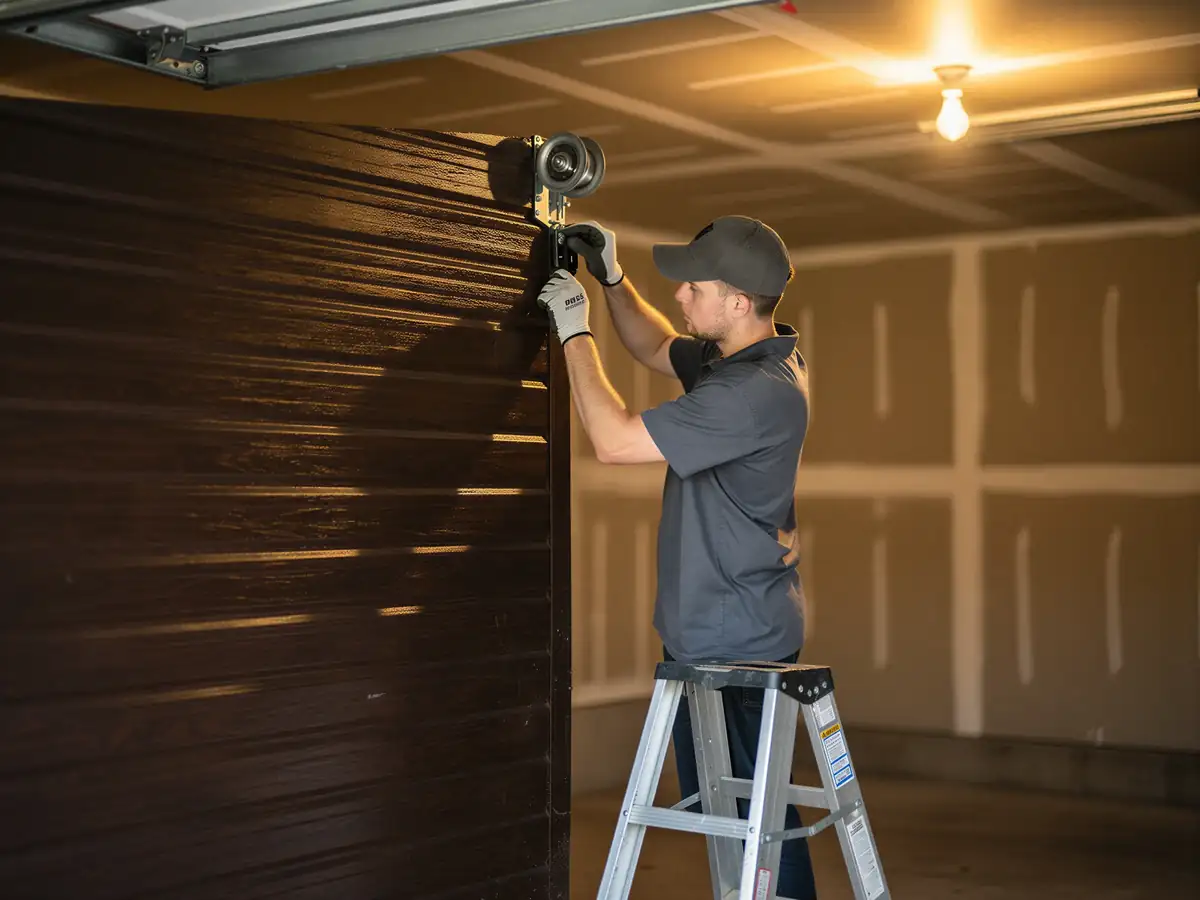
There's real maintenance a homeowner can do without a truck showing up. Wipe down and lubricate the rollers and hinges twice a year, check that the photo-eye sensors near the floor are clean and aligned, and listen for a track that sounds like it's grinding instead of rolling. Tighten loose bolts on the track brackets - vibration works them loose over years, especially on older housing where the framing has settled some.
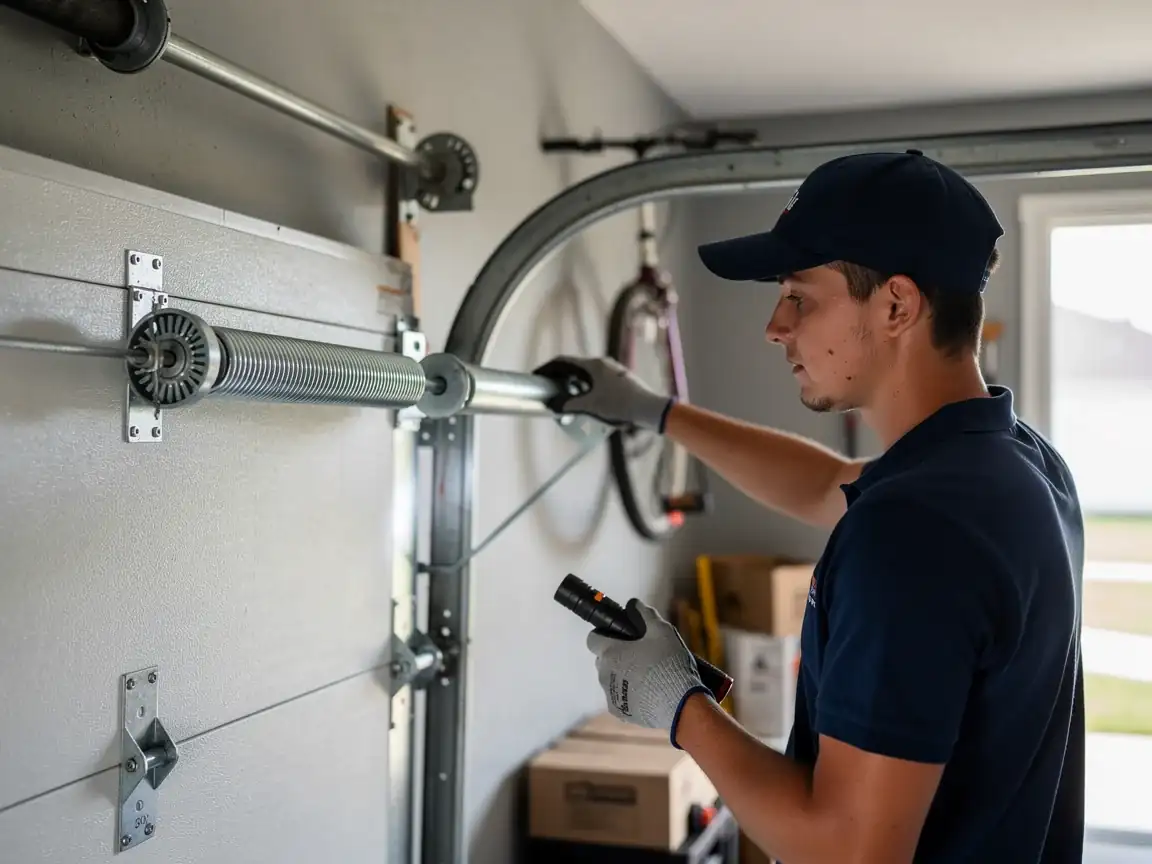
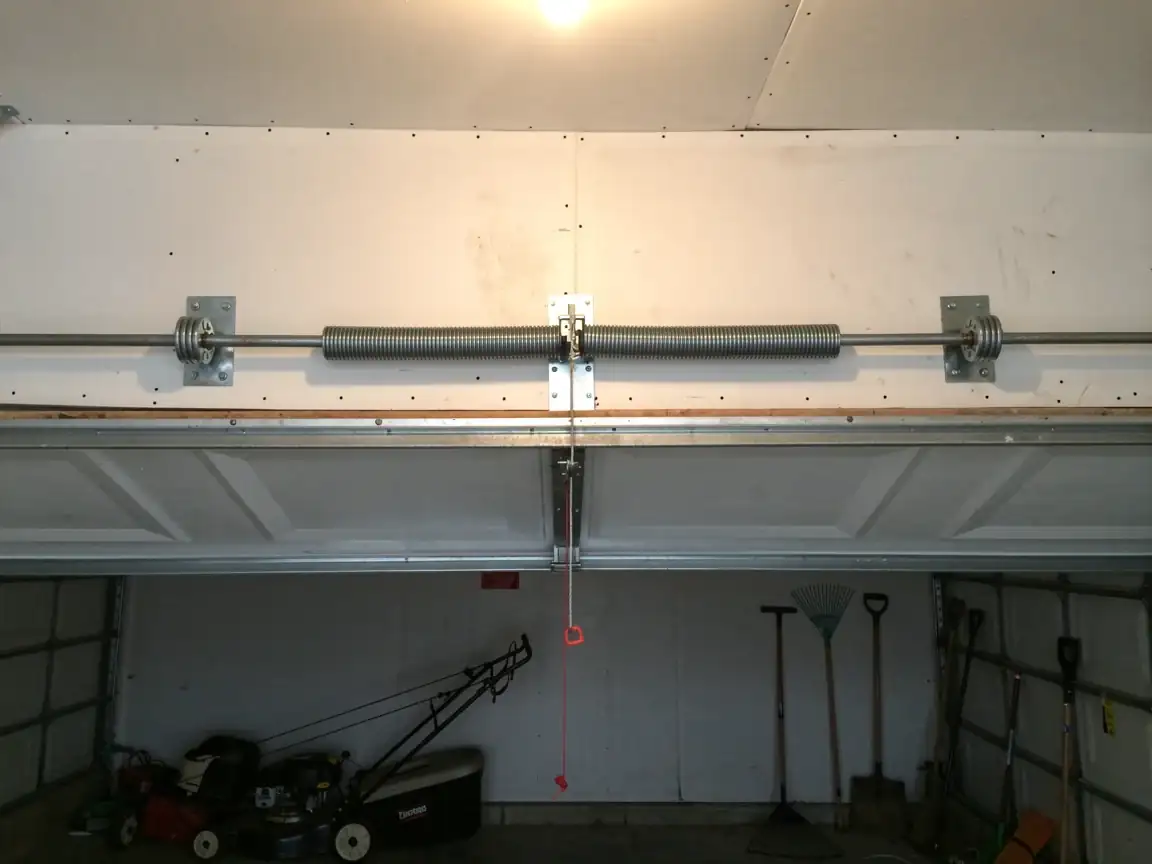
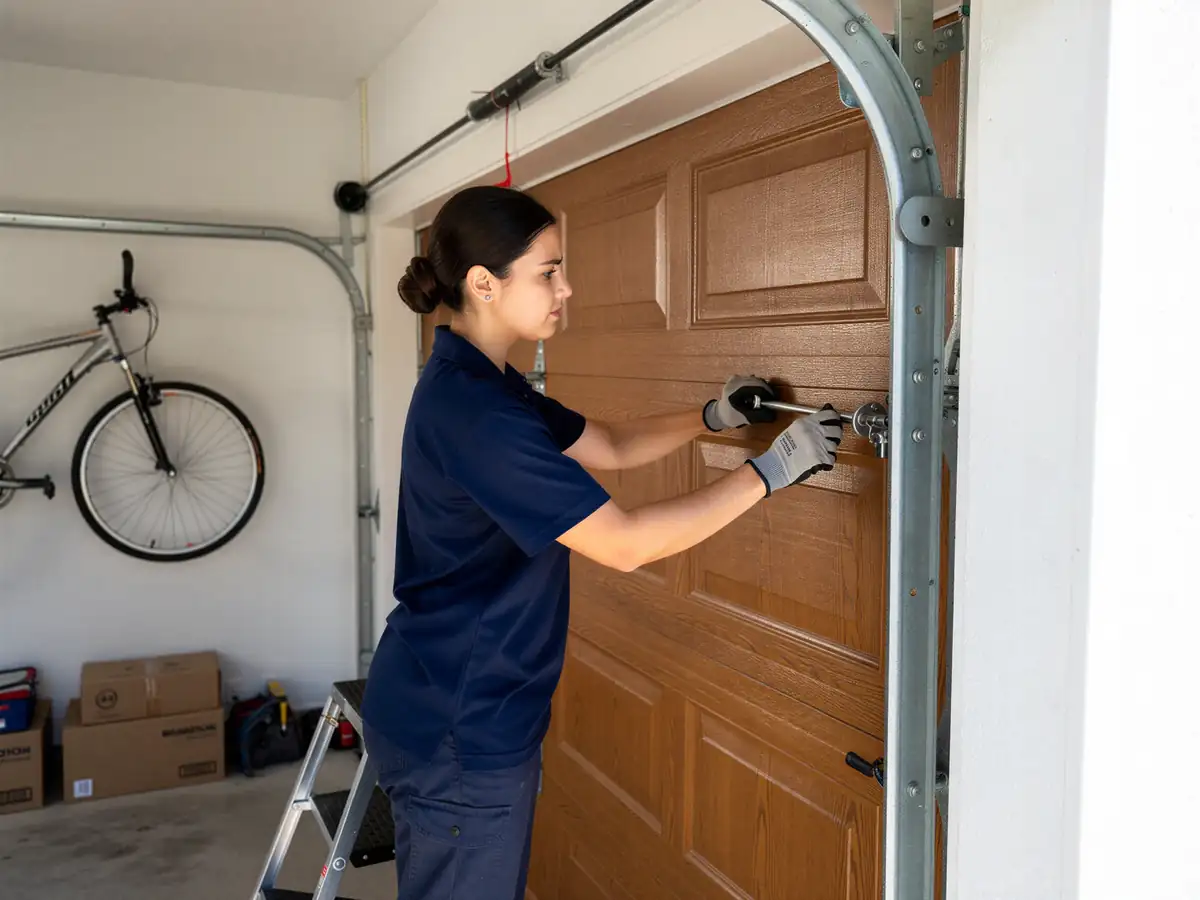
What you shouldn't touch: the torsion spring itself, or anything on a high-cycle door that's showing cable fray. Springs are wound under enough tension to cause serious injury, and on a door this old, the spring you're looking at is probably closer to the end of its life than a newer one would be. If you're not sure whether a noise is cosmetic or structural, that's the point to stop and call rather than keep testing it.
How to Book
We run out of West Chester, about 11 miles from Coatesville, so a maintenance visit here is scheduled rather than same-day walk-up. Call or use the Coatesville service page to describe what the door is doing - grinding, slow to close, opener straining - and we'll get a truck routed out. Because the trip isn't local to a depot in town, it helps to bundle anything you've noticed rather than call separately for each small issue; one visit can cover a tune-up and a specific complaint at the same time.
What Is on the Truck
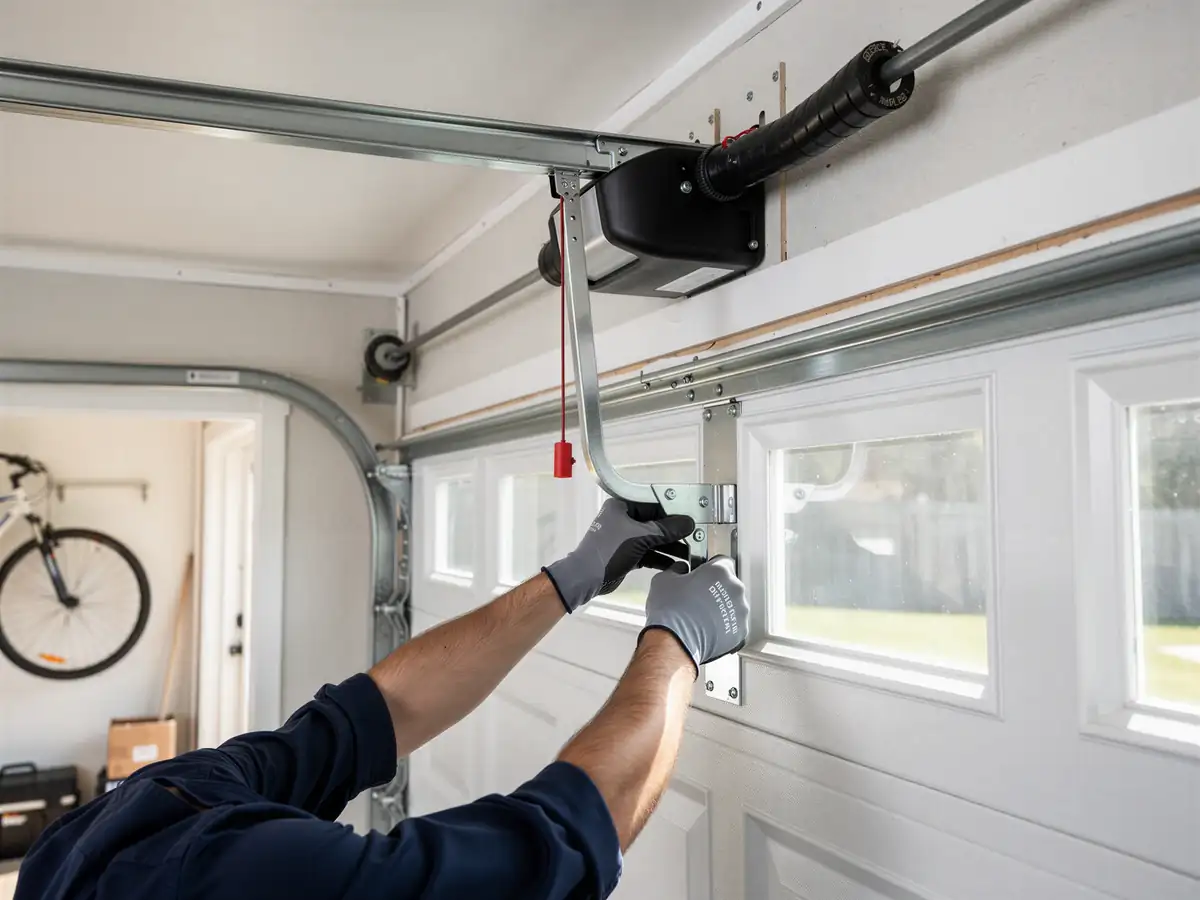
For a maintenance call on a house from this era, the truck carries standard torsion springs sized for older drum systems, replacement rollers (nylon and steel), lubricant rated for cold weather, and sensor alignment hardware. What it doesn't always carry is an exact match for a track width or drum size specific to a 1950s install - some of that hardware was never standardized the way post-1980s systems are, so a part identified during the visit sometimes has to be ordered rather than installed on the spot. We'll tell you up front if that's the case rather than make you wait at the end of the visit to find out.
What It Costs
With a median household income of $57,323 in Coatesville - well under the $100,000 median across the rest of the service area - we hear a consistent ask here: fix what's actually failing, don't replace the whole door. A standard maintenance visit (lubrication, roller check, spring and cable inspection, sensor alignment) costs less than a repair call, and it's the single best way to catch a worn cable or a spring nearing the end of its cycle before it breaks in a cold snap rather than after. We don't price jobs sight unseen over the phone when the issue involves older or non-standard hardware, because guessing wrong either way costs you money.
How it works
From “it’s stuck” to “it’s fixed”
01
Tell us what’s wrong
Describe the symptom - won’t open, loud bang, opener runs but the door won’t move.
02
On-site diagnosis
A technician tests the door under power and by hand and finds what actually failed.
03
Clear, up-front plan
You get the fix that’s needed and what drives the cost - before any work starts.
04
Repaired & tested
The repair is done, the door is set true and tested, and the work area left clean.
Not sure which repair your door needs in West Chester, PA? Describe what it’s doing - every job starts with a diagnosis.
Straight answers about garage door repair in West Chester. Still unsure? Ask us directly.
Is my garage door opener too old to keep running?
Not necessarily. If the chain or belt still moves smoothly and the motor isn't straining or reversing on its own, a tune-up is usually enough. We look at wear on the gear and the force settings during a maintenance visit before suggesting replacement.
Why does my door feel stiffer in winter?
Cold tightens steel and thickens old lubricant, so springs and rollers that run fine in warm months can bind or groan once temperatures drop. It's one more reason a maintenance check before winter matters more here than in a milder climate.
Do you have a branch in Coatesville?
No. We're based in West Chester and drive out to Coatesville for scheduled visits. There's no local depot, so same-day emergency service isn't something we offer here - plan maintenance ahead rather than waiting for a failure.
Can you match the hardware on an older door exactly?
Sometimes not on the spot. Drum sizes and track widths from houses built in the early 1950s weren't standardized the way newer systems are, so certain parts have to be ordered after we see the exact setup in person.